When every order is different
On-demand work usually starts with a customer who wants 12 shirts for an event, 40 care labels for a clothing run, or 1 500 stickers for a promo pack. The challenge is not just printing the job, it is getting it through the shop without waste, colour drift, or delays when the next order lands an hour later.
In Midrand, Sandton, Pretoria and the East Rand, many print rooms handle mixed work in tight spaces. A good on-demand setup lets you move from one short run to the next with minimal setup time, even when load-shedding or a power dip interrupts the day. That usually means clear job routing, sensible stock levels, and equipment that is easy to clean, calibrate and restart.
Equipment that suits short-run production
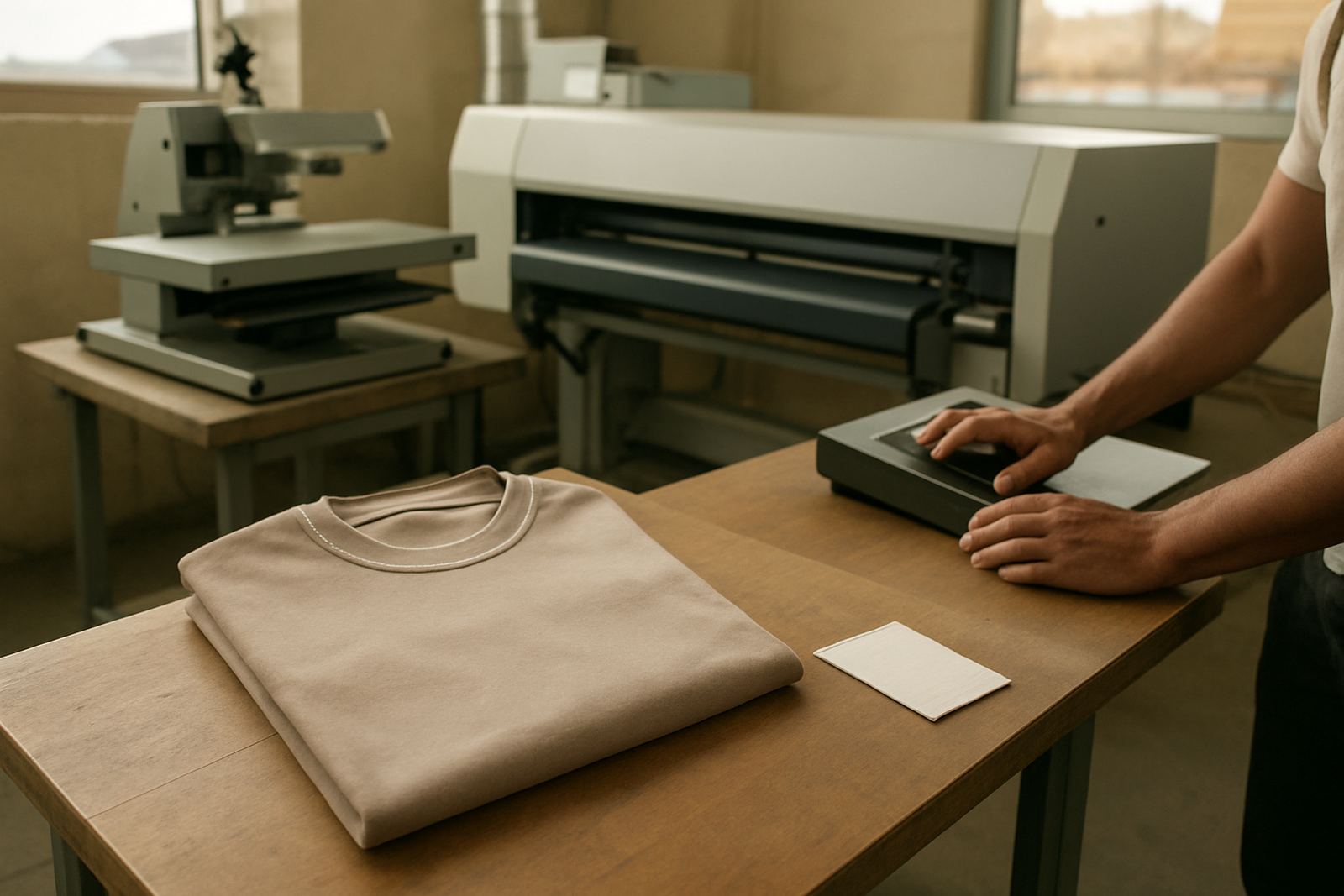
The right mix depends on whether you are doing garments, labels, or both. For most shops, the starting point is a digital printer suited to small batches, a transfer or finishing machine, and the consumables needed to keep colours consistent from job to job. Where label work is involved, media choice matters just as much as the printer itself.
- Specialised digital printer for short-run colour work
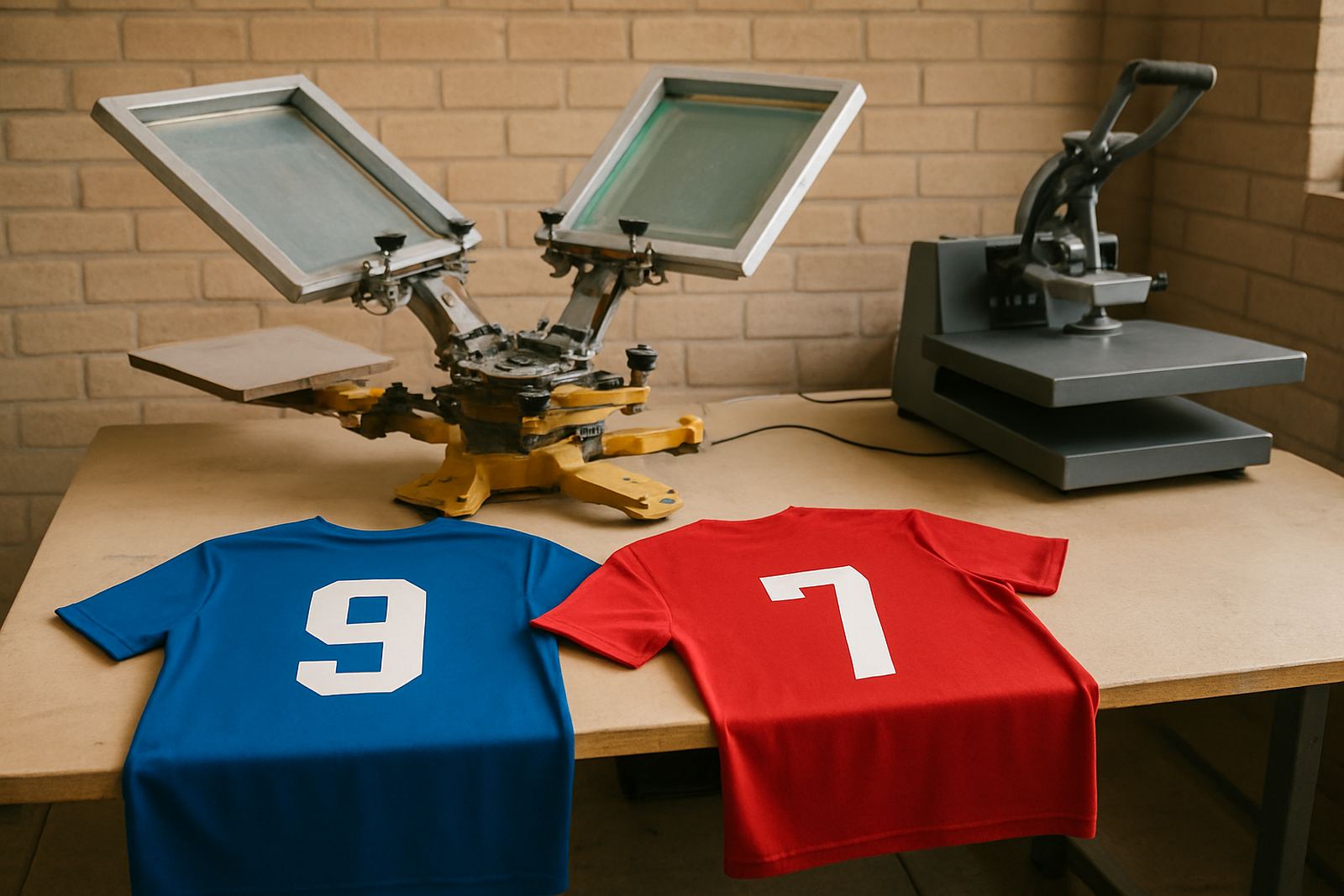
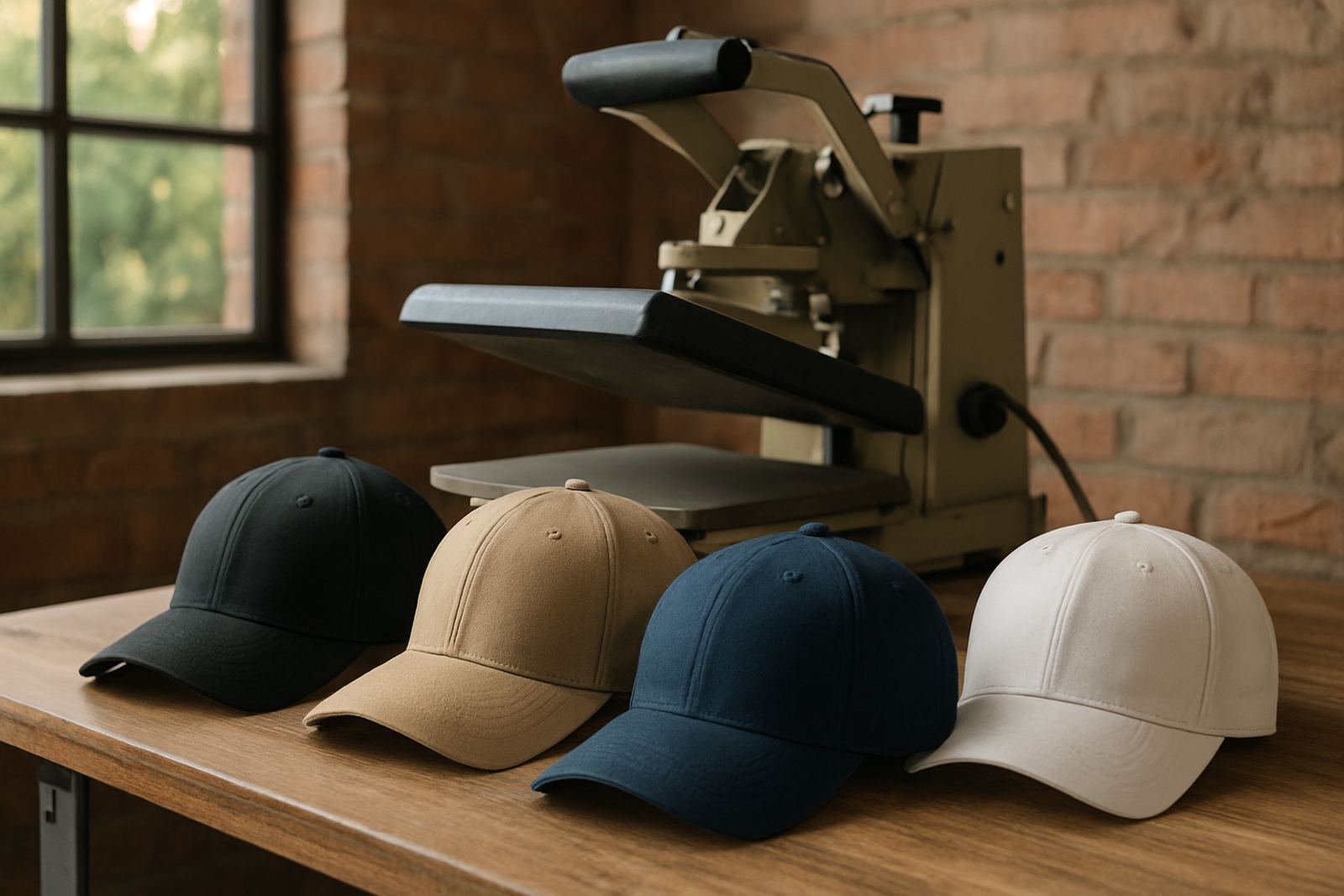
- Transfer or heat application machine for garment decoration
- Media and toners matched to the substrate
- Basic colour control tools for repeatable output
- Spare parts and cleaning supplies for printhead care
If the shop handles several product types, separate the jobs by process. A printer that runs garment transfers all morning should not be asked to handle label stock without proper changeover, because that is when waste creeps in and the press operator starts guessing.
Layout advice for a mixed order room
On-demand setups work best when the path is short and obvious: receiving, print, finishing, packing, then dispatch. Keep raw media in a dry area, especially on the coast where humidity can curl sheets and cause feed problems. In Gauteng, dust and fine paper fibre can build up fast so regular cleaning is not optional.
Allow enough space around each machine for access panels, cable routing, and operator movement. A cramped room slows everything down and increases mistakes, particularly when two jobs are being processed at once. If you expect to add a second printer later, leave the floor plan open now rather than trying to squeeze in an upgrade after six months.
- Keep consumables close to the machine but off the floor
- Separate clean media from used stock and waste
- Use clear label shelves or racking for fast picking
- Plan a stable power point with surge protection
- Allow for ventilation around transfer equipment
Common mistakes we see in short-run shops
The biggest mistake is buying for peak excitement rather than day-to-day volume. A machine that looks impressive on paper can become expensive if it needs constant operator attention or uses media that is difficult to source locally. Another common issue is underestimating how much time is lost to reprints when colour is not profiled properly.
We also see shops carrying too much slow-moving stock. On-demand work should reduce waste, not fill the storeroom with old media that may fail on the next job. Keep a sensible buffer of your fast movers and order based on actual turnover. That helps cash flow and keeps the production floor easier to manage.
- Choosing equipment that is too large for the real order mix
- Skipping operator training and relying on trial and error
- Ignoring printhead care until nozzles start dropping out
- Using random media with no profiling or test plan
- Buying consumables in bulk before confirming repeat demand
Budget ranges in Rand
For a small on-demand garment or label setup, entry budgets often start around R85 000 to R180 000 depending on the printer type, finishing equipment, and how much colour control you need. A more capable production line for a busy shop can sit between R220 000 and R650 000. Larger mixed-work setups with backup units, profiling tools, and spare capacity can move beyond that quickly.
Installation, training, and workflow planning are worth including from the start because the machine cost is only part of the picture. If a shop loses one full day sorting out setup issues, that cost shows up in labour, missed deadlines, and reprints. We usually advise budgeting for consumables, maintenance, and a basic parts reserve as well, especially if the business must keep running through season peaks.
Support for South Africa and neighbouring markets
Based in Midrand, Johannesburg, we support print shops across South Africa and into neighbouring countries with machine installation, operator training, preventive maintenance, breakdown repairs, colour calibration, media profiling, printhead care, remote support, consumable planning, and workflow advice. That helps a small team in Pretoria or a growing shop in Botswana keep production moving without waiting for guesswork to clear up.
Whether you are supplying one-off corporate shirts, small fashion runs, or labels for retail packaging, the goal is the same: print only what is needed, keep waste down, and finish jobs on time. Thabo Mokoena and the team work with shops that want practical setup advice, not theory, and they know the pressure that comes with same-day orders and tight turnarounds.