







What this hub covers for print shops
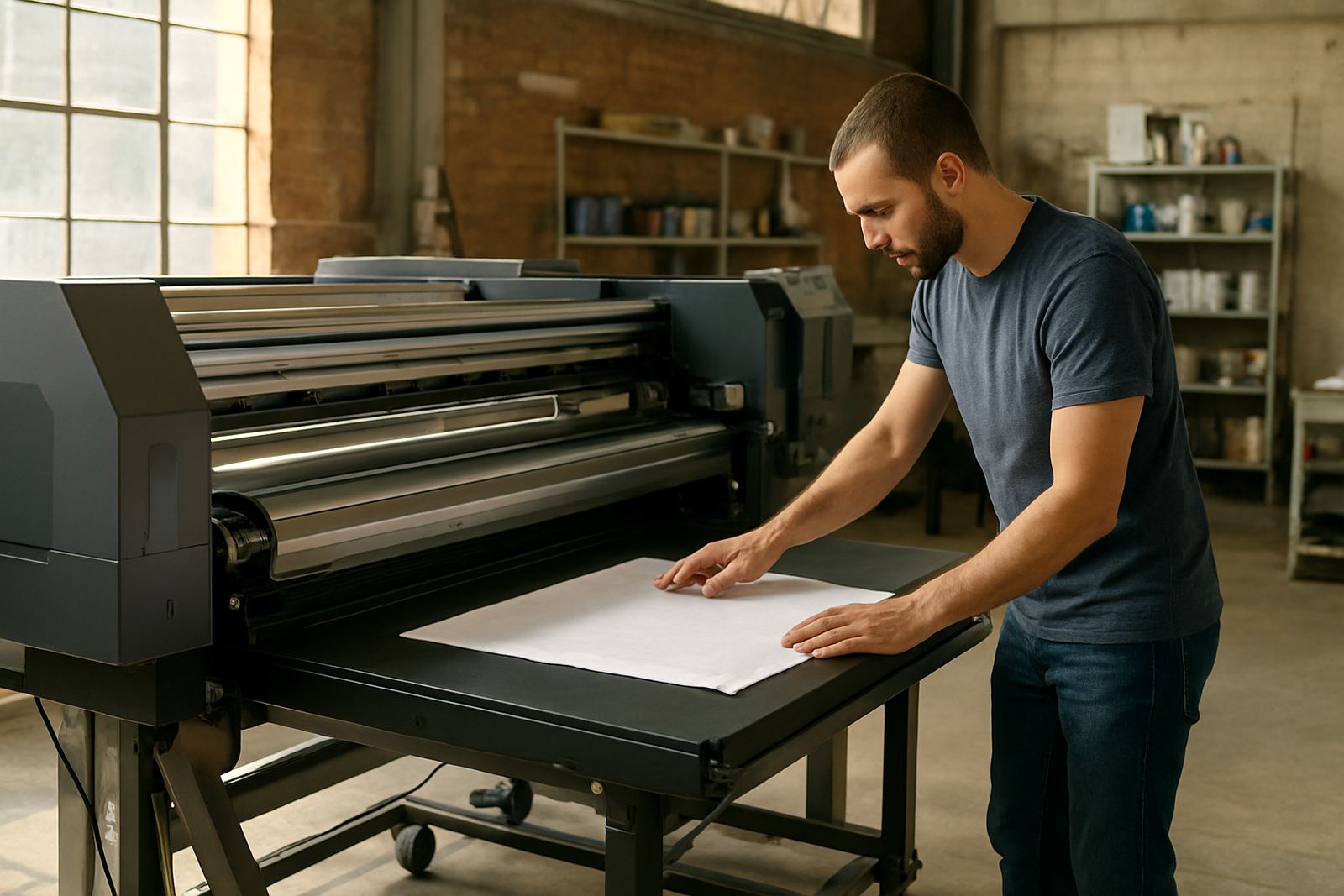
If you run short-run colour work, you already know that the right advice saves time and waste. This hub brings together articles that speak to real production questions, from choosing a transfer machine for 300 garments a week to keeping toner output consistent in hot Midrand conditions.
We write for owners, operators and buyers who need straight answers before spending money. That means practical notes on application methods, media choice, maintenance routines and the limits of each setup. The aim is simple: help you compare options with enough detail to make a sensible call.
How to use the articles before you buy
Start with the problem you are trying to solve. If the issue is colour consistency, look for pieces on calibration and profiling. If production is slowing down, read the sections on workflow and preventative care. If you are adding a new line, check the articles on garment decoration, labels and consumable planning first.
- Read for the job you do every day, not only for the machine name.
- Check whether the advice suits short runs, longer shifts or mixed media work.
- Match the article to your output size, floor space and power supply.
- Keep an eye on maintenance notes if your shop runs through load-shedding.
Garment decoration decisions that affect output
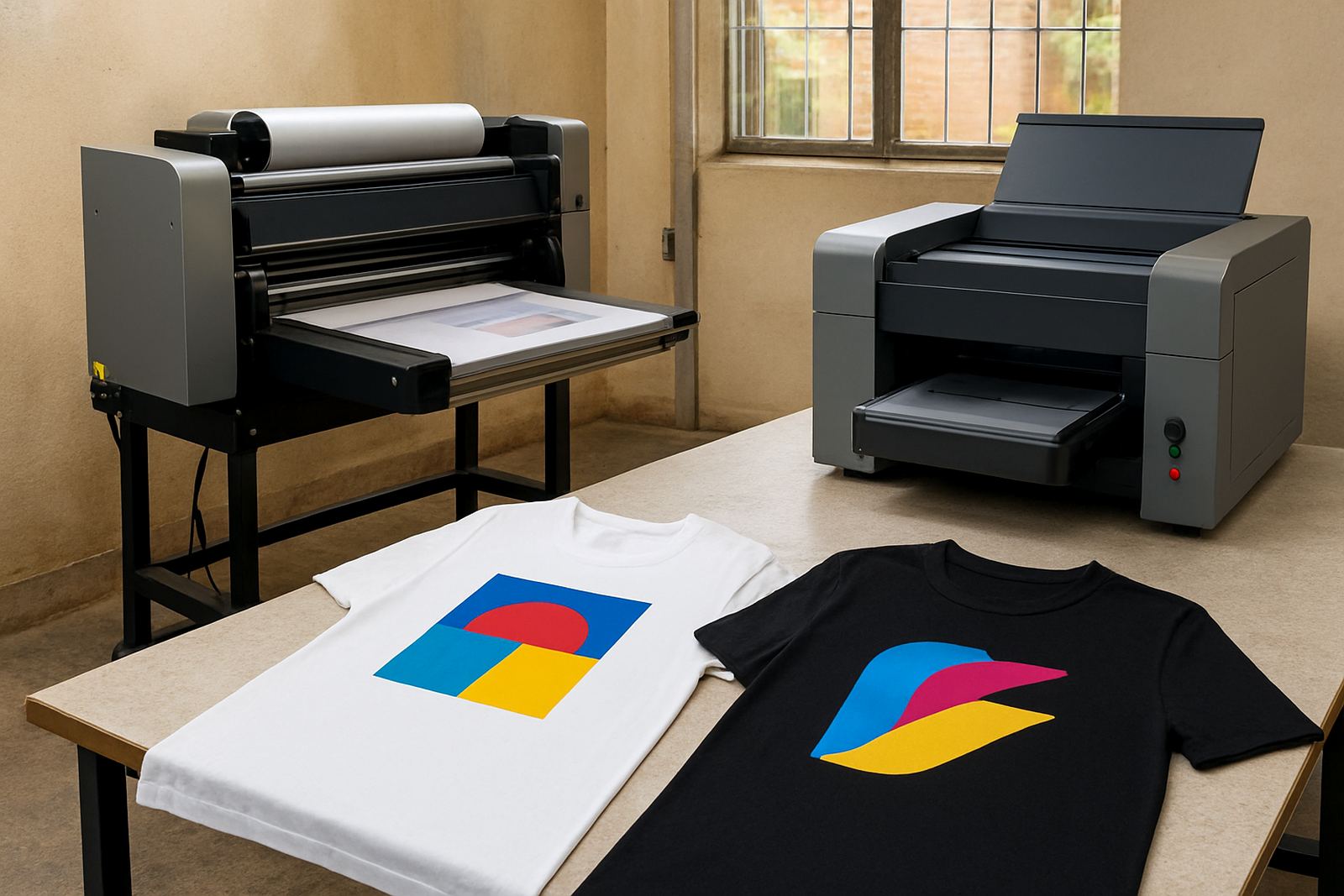
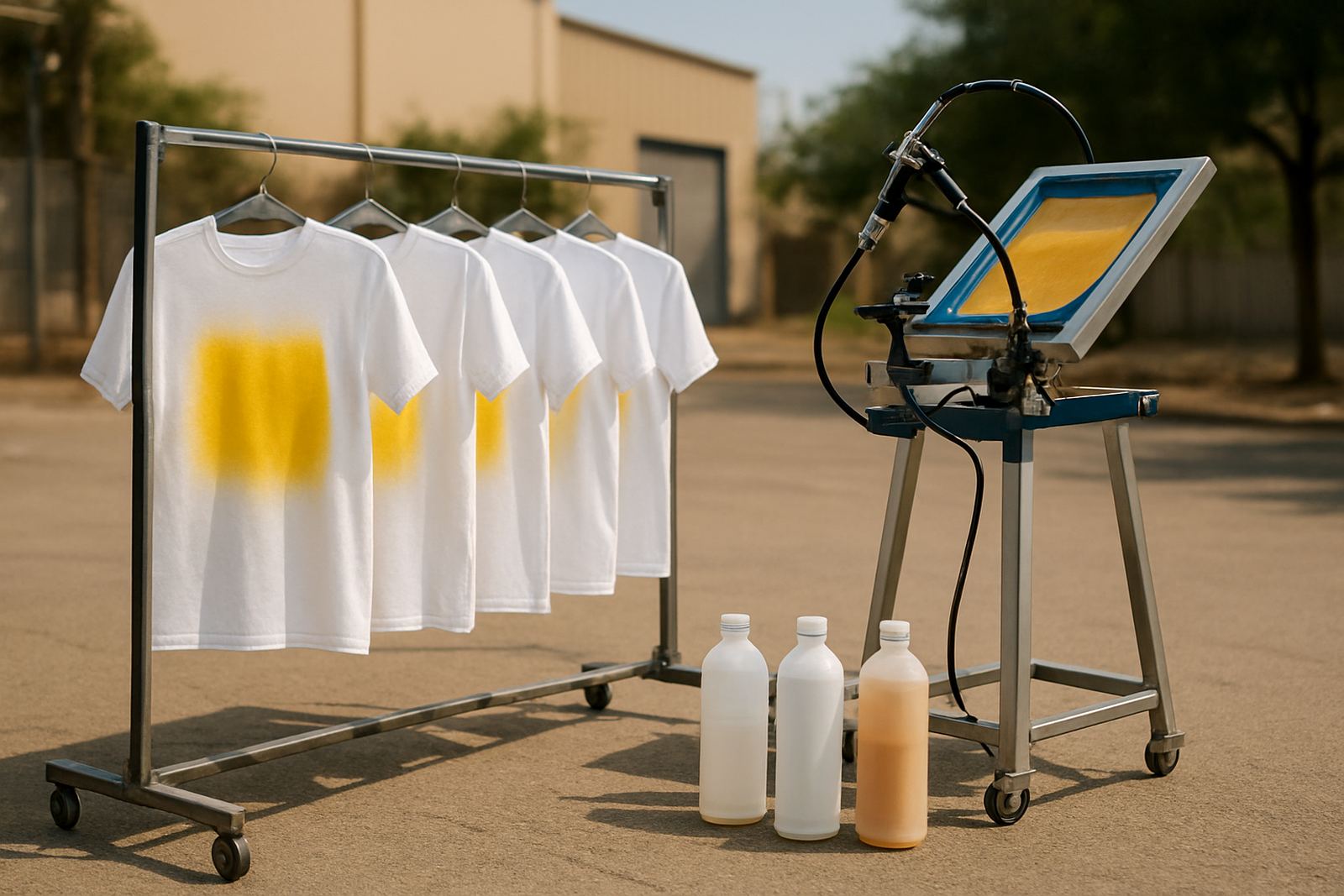
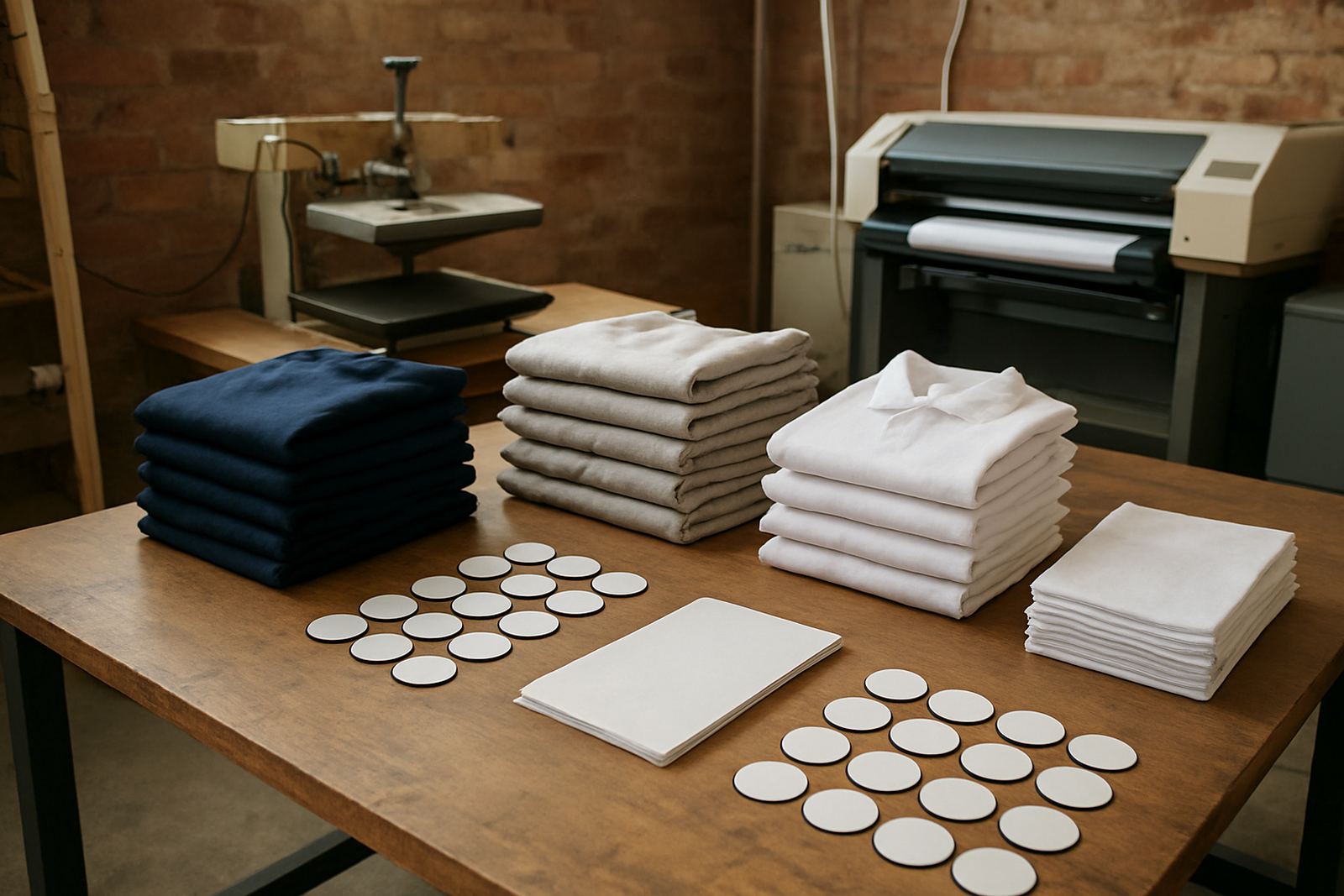
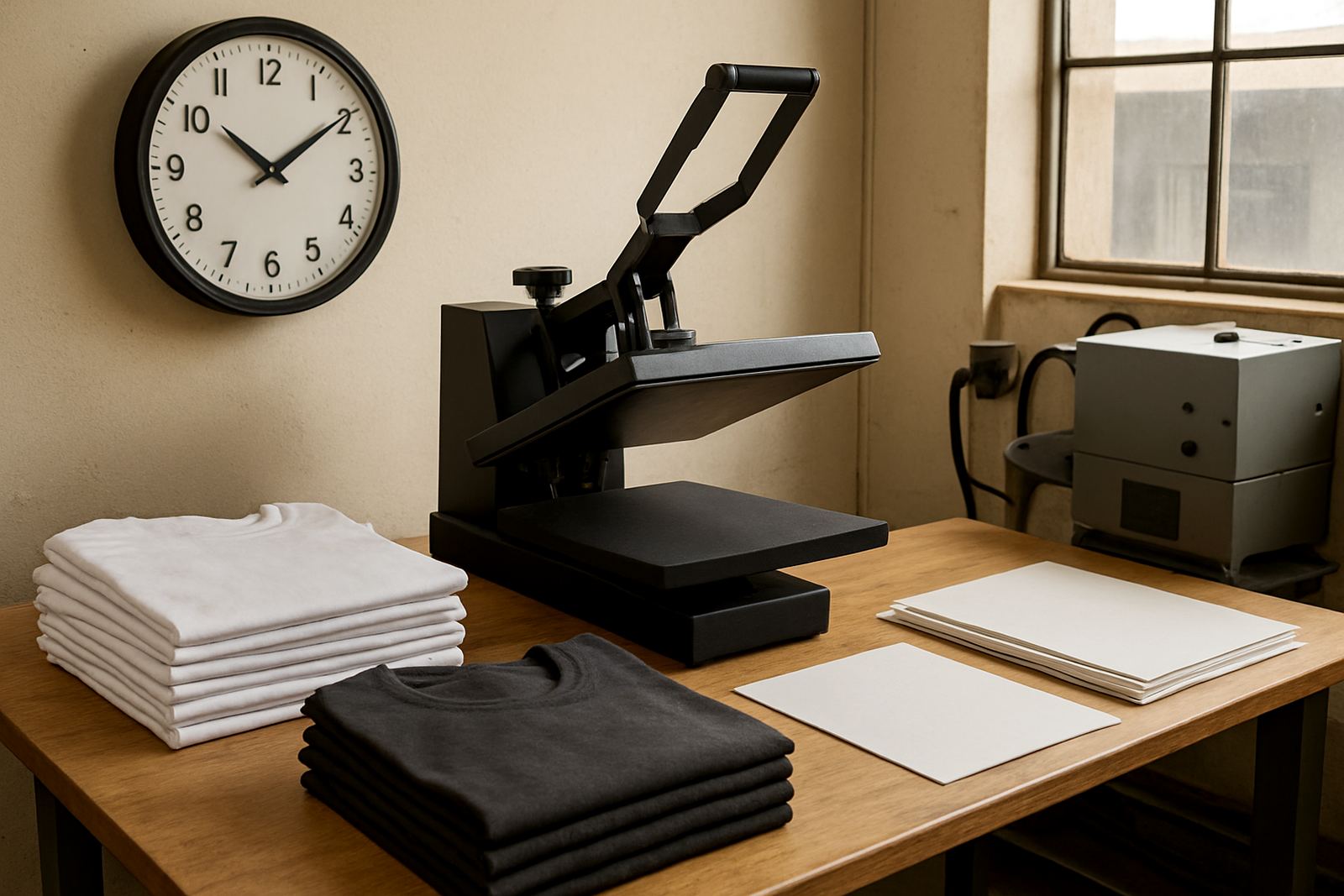
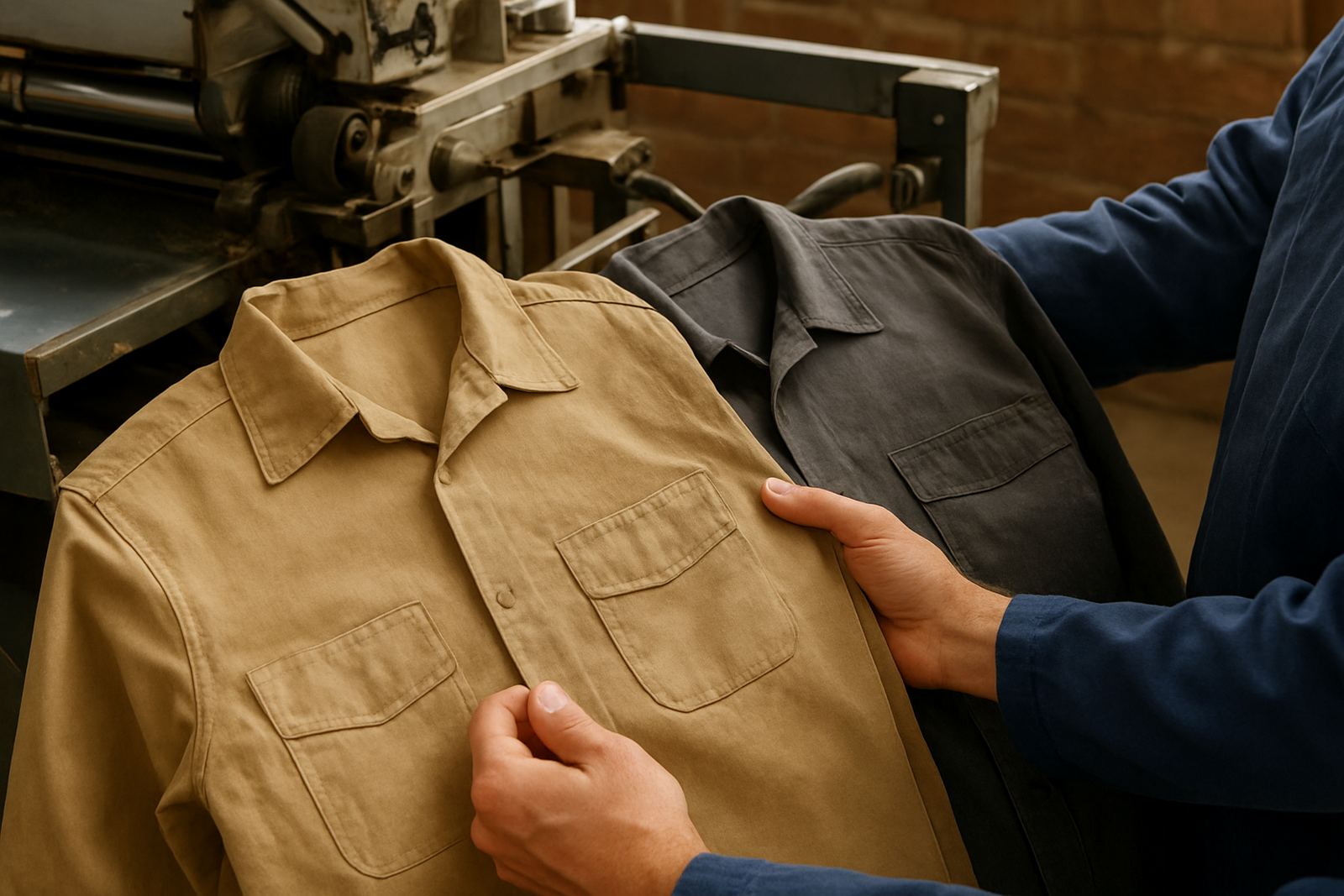
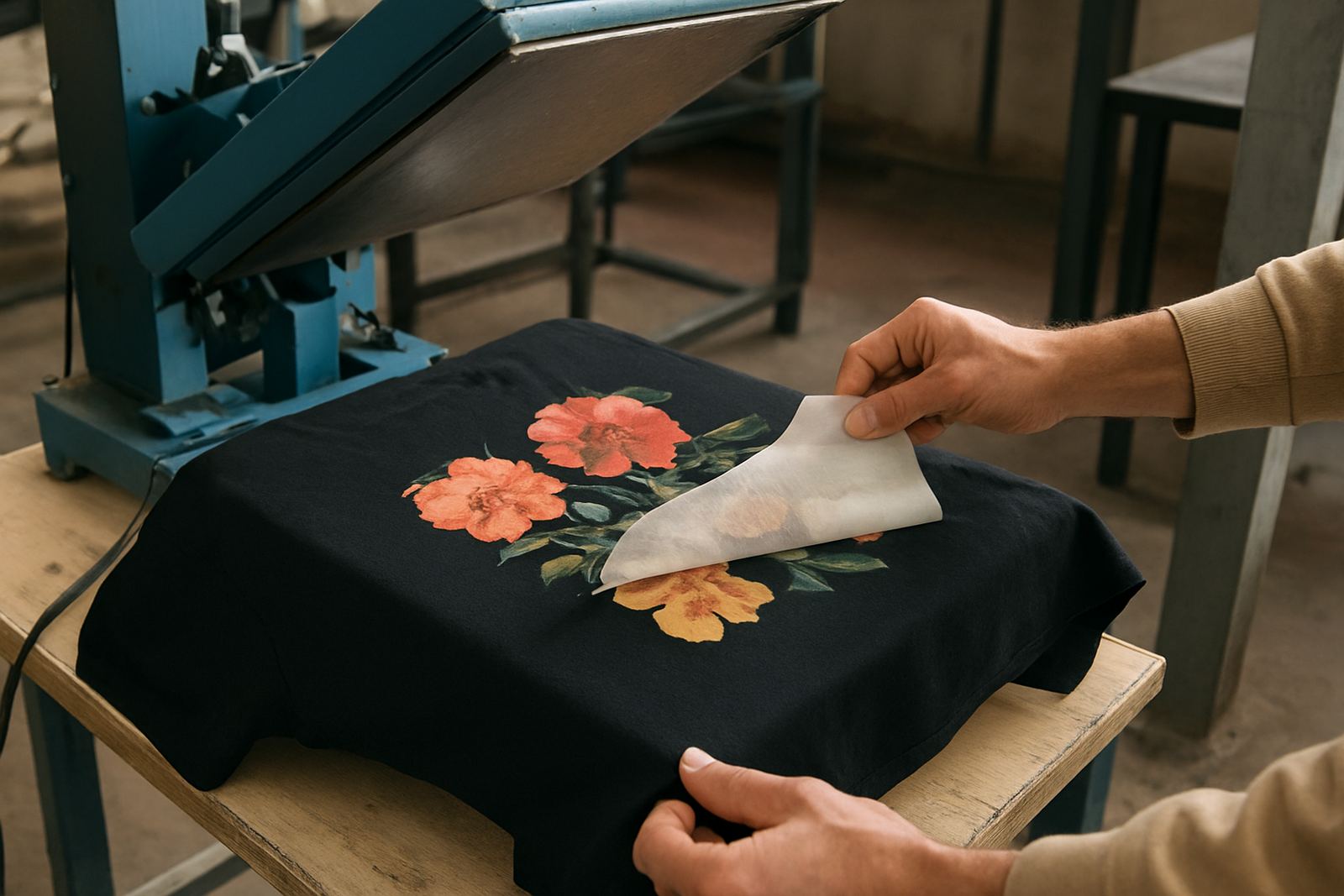
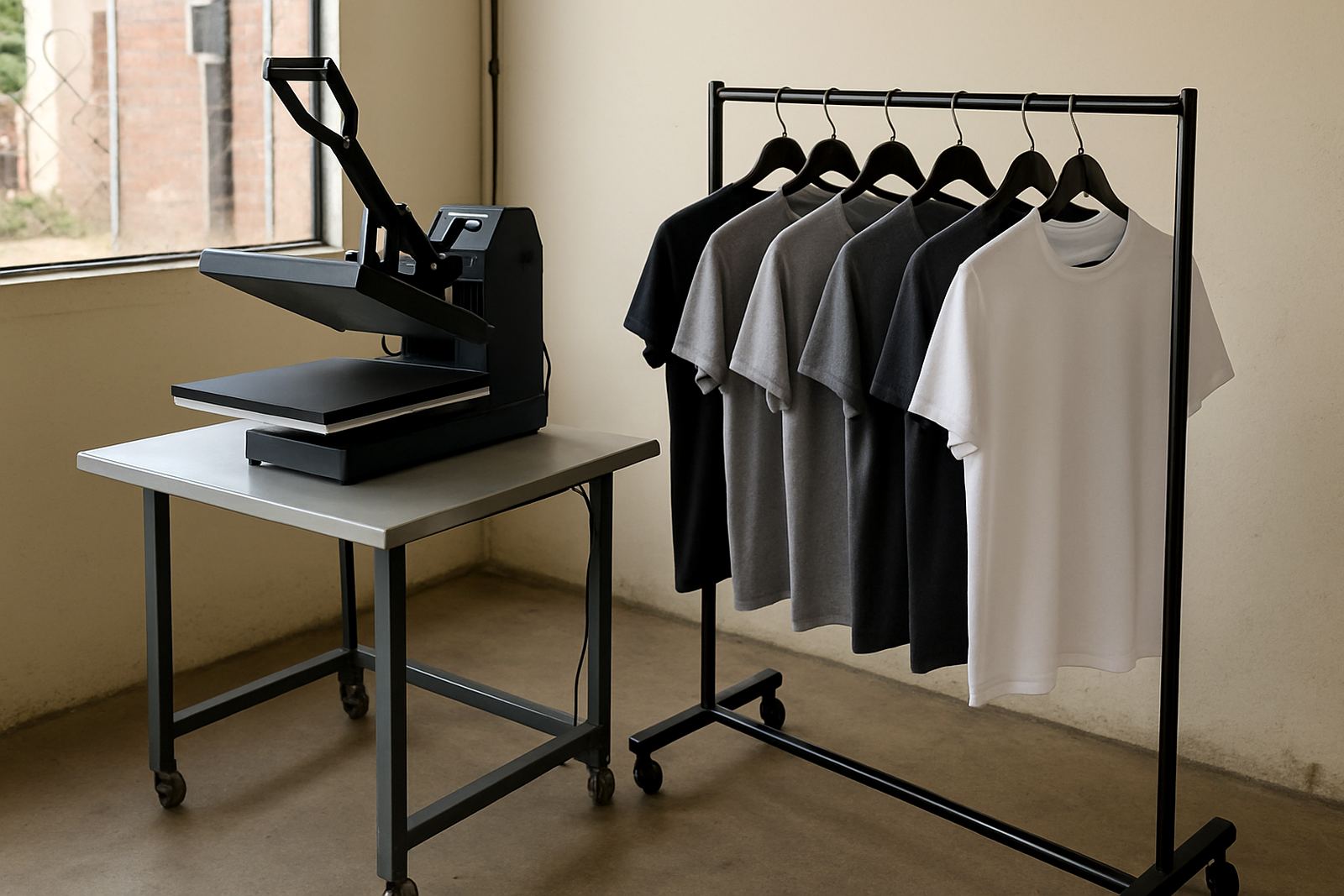
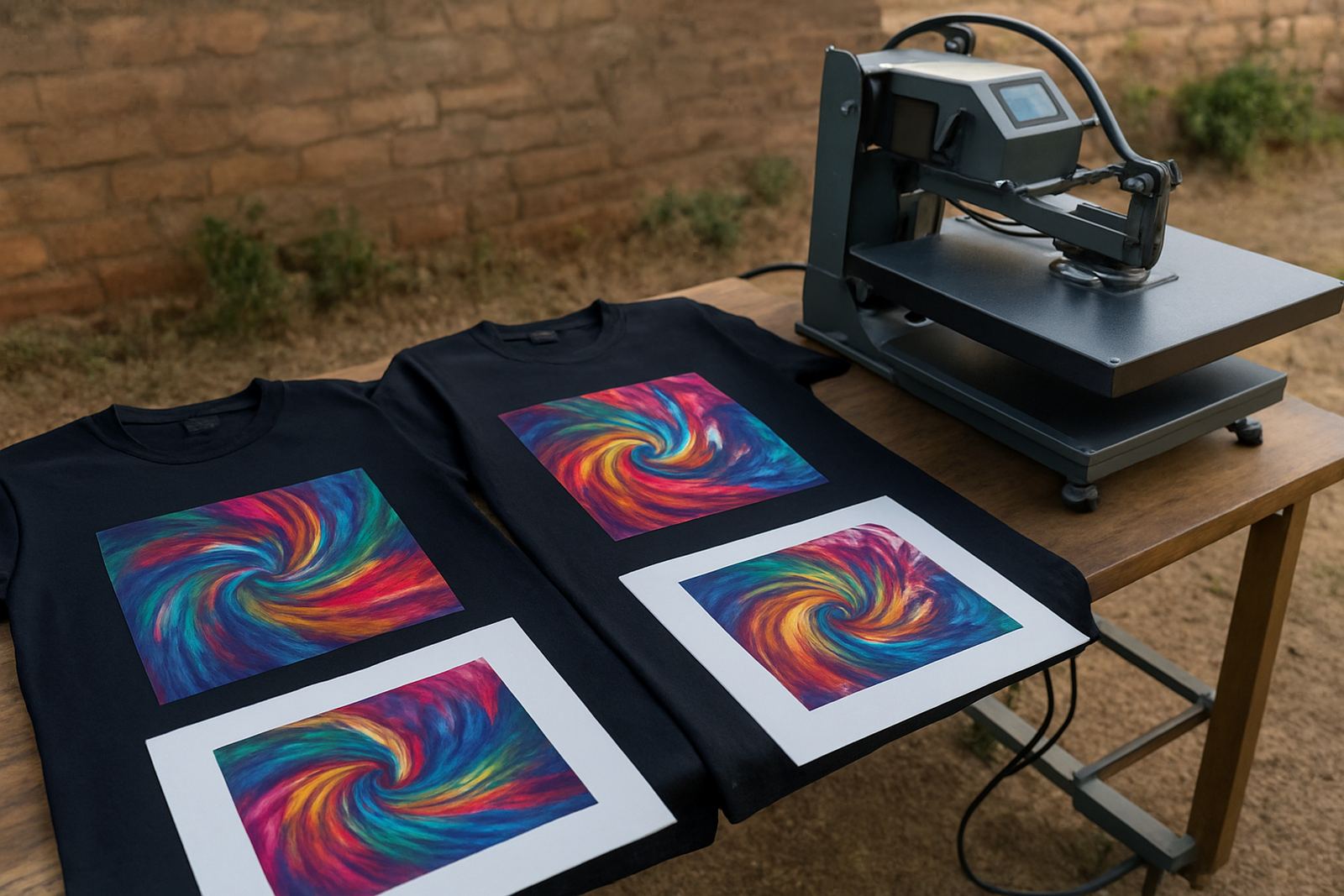
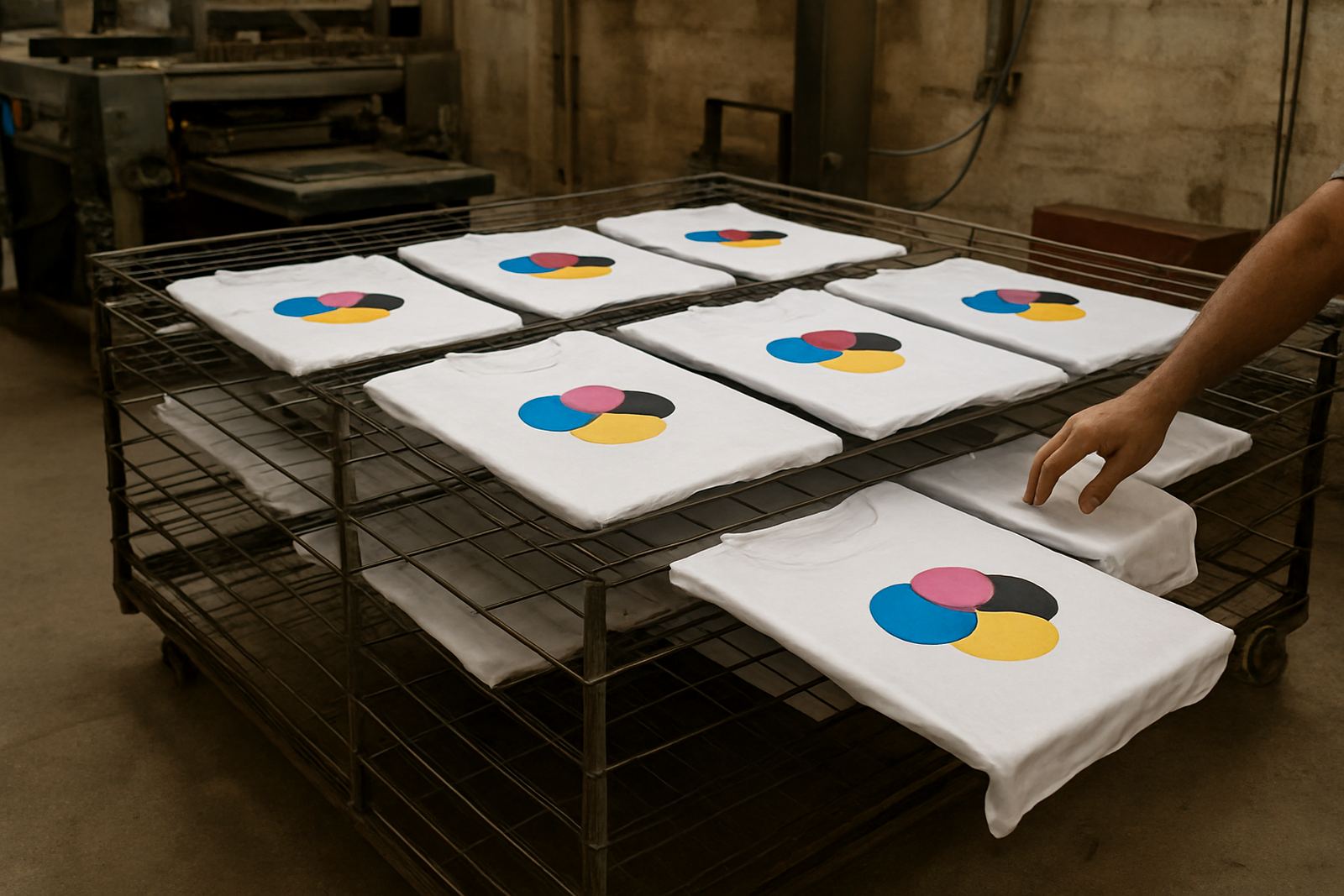
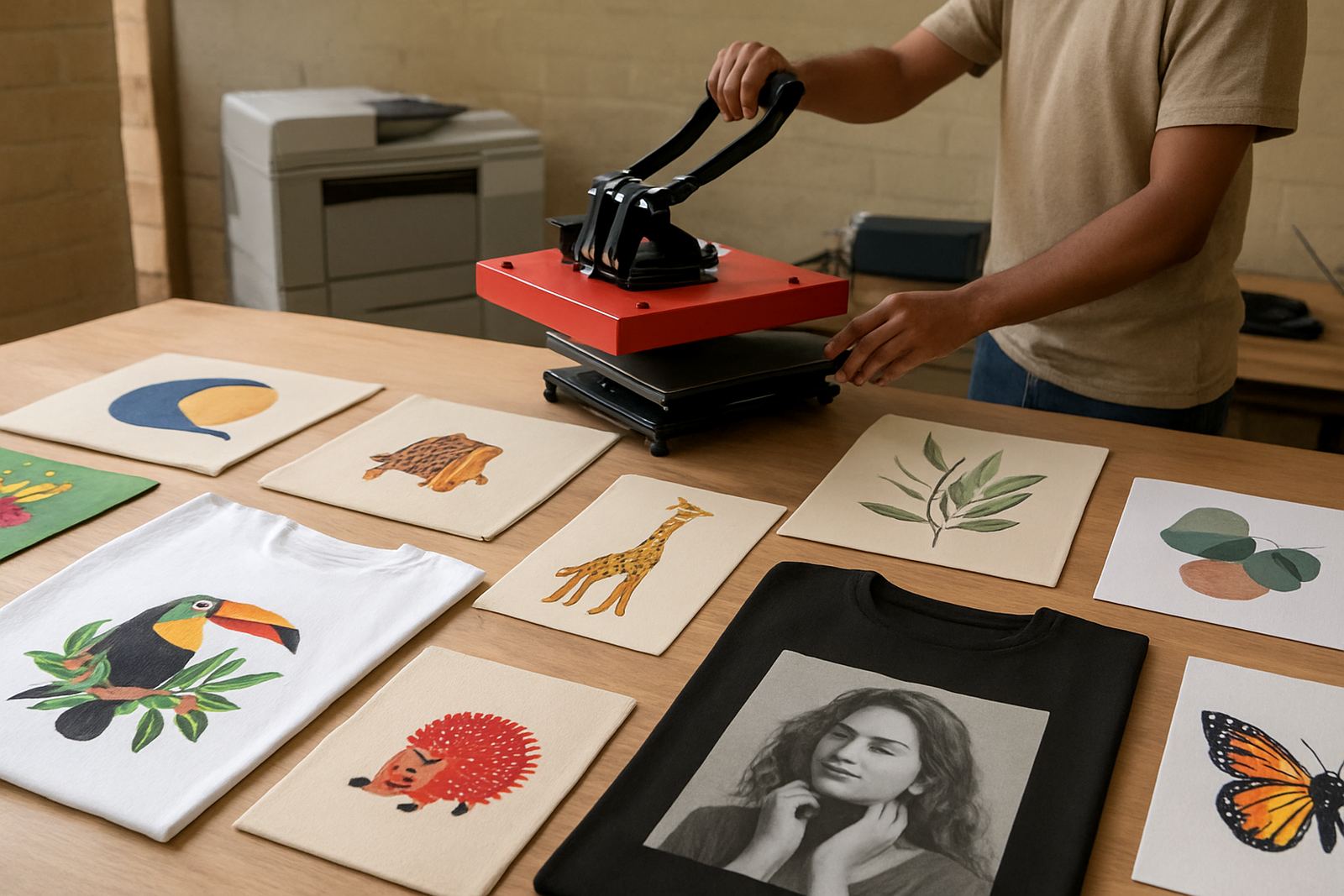
Garment decoration is often where small setup choices show up quickly. Heat, pressure, substrate type and operator consistency all matter. A press that works well on cotton tees may need a different approach for poly blends, caps or darker garments, and a good article should explain that clearly.
We also cover the practical side of short-run work, like when to use a transfer process and when a different method will save time. In a busy shop, one extra minute per garment can add up fast so it helps to understand the real production cost, not only the unit price.
Labels, short runs and finer detail work
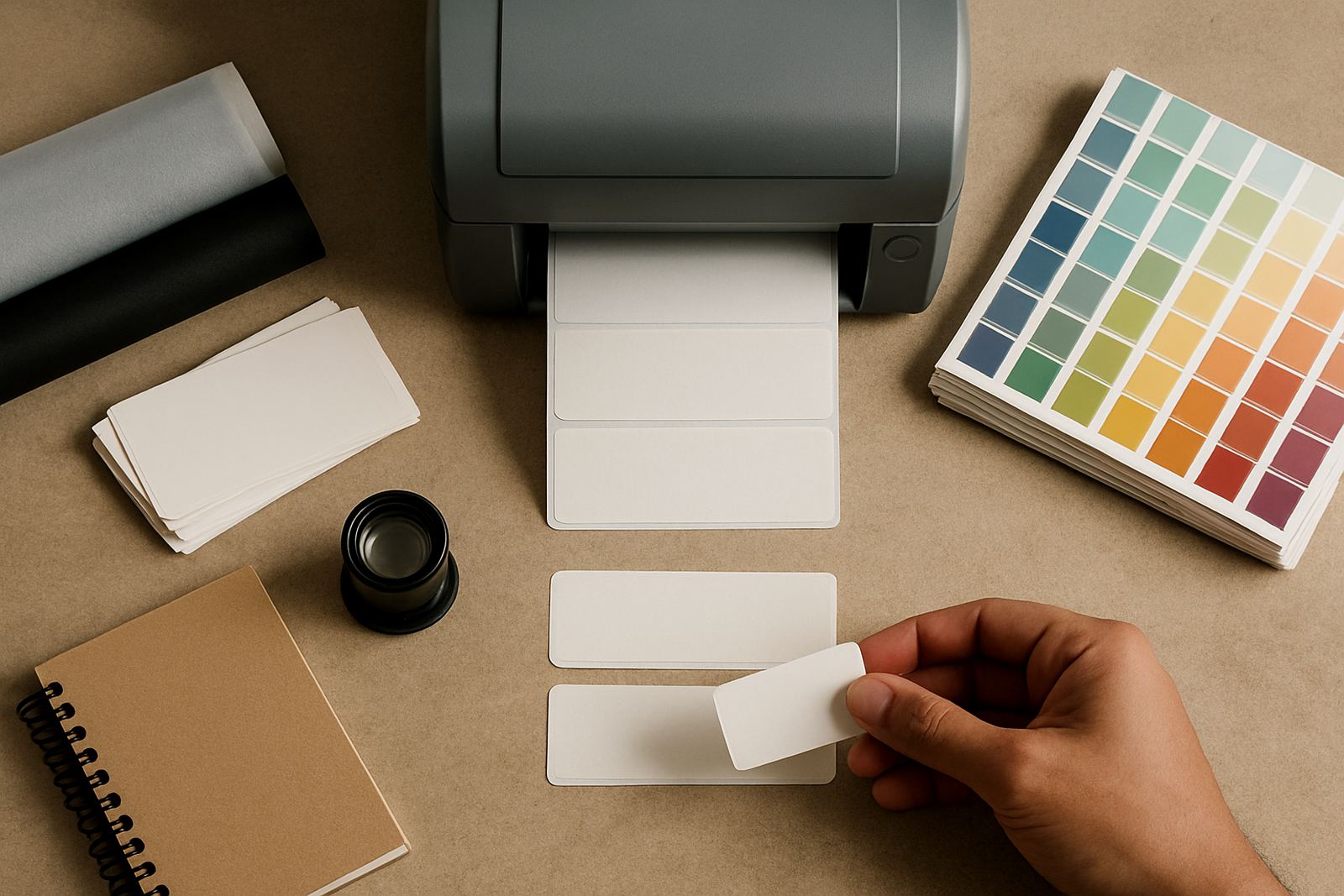
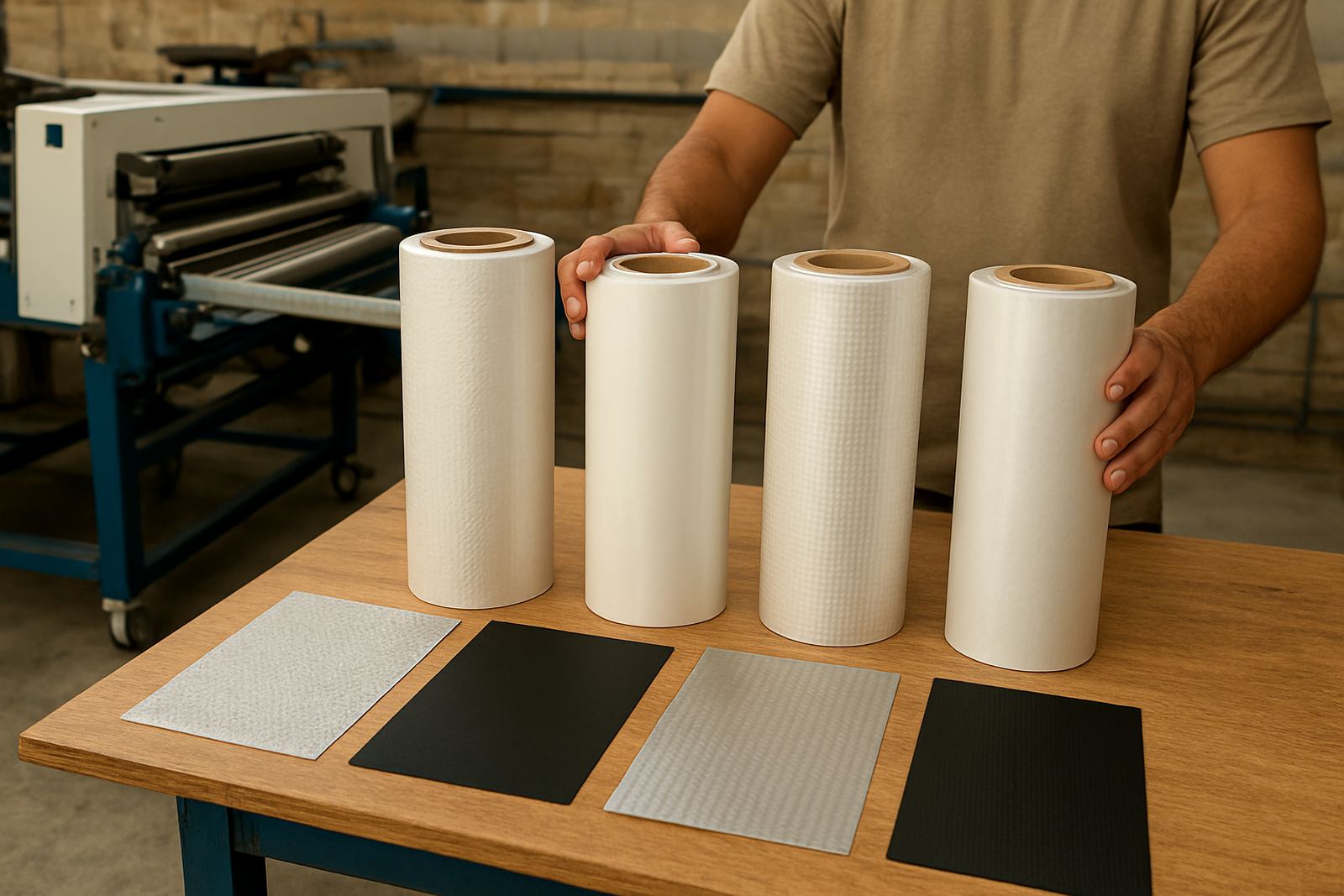
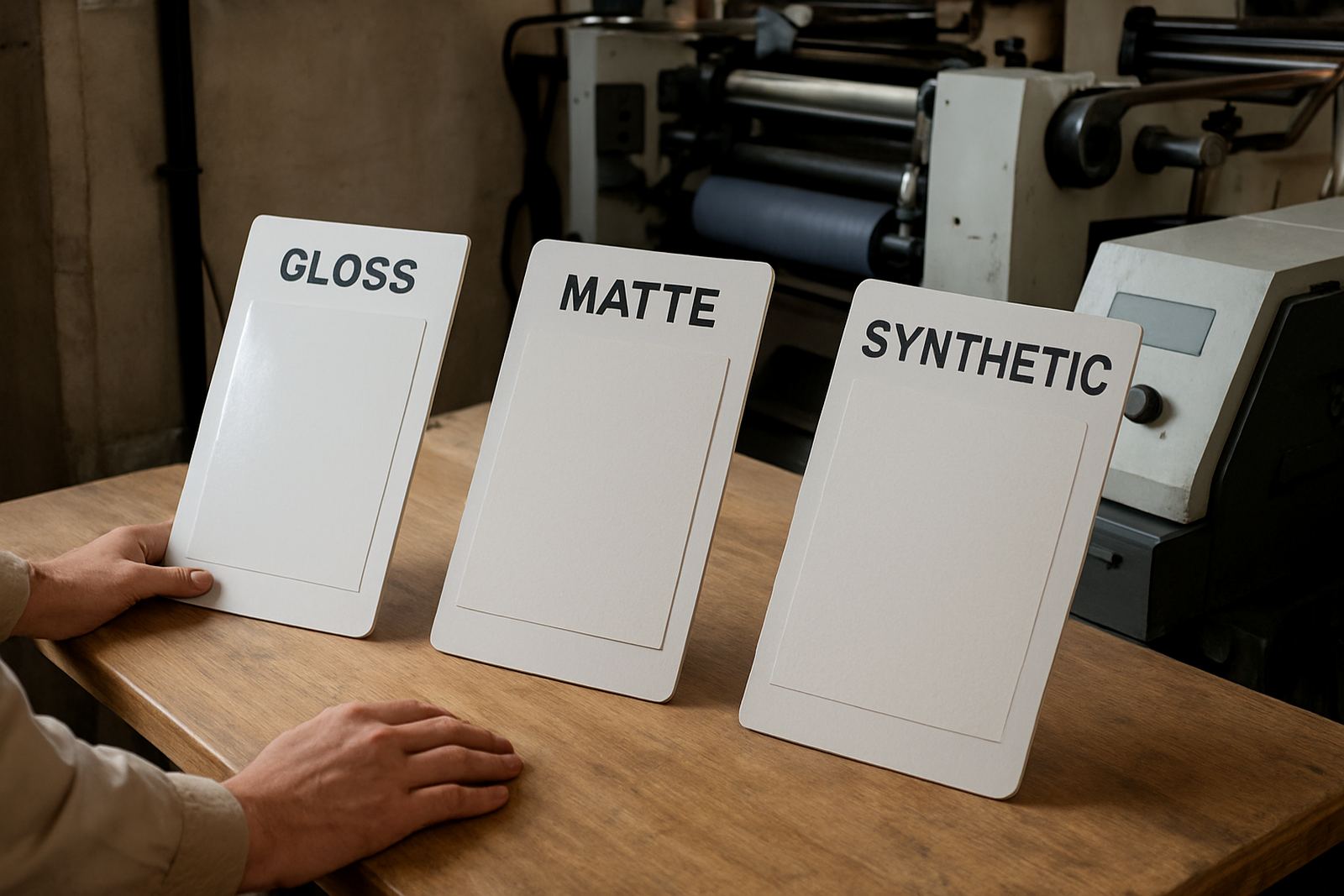
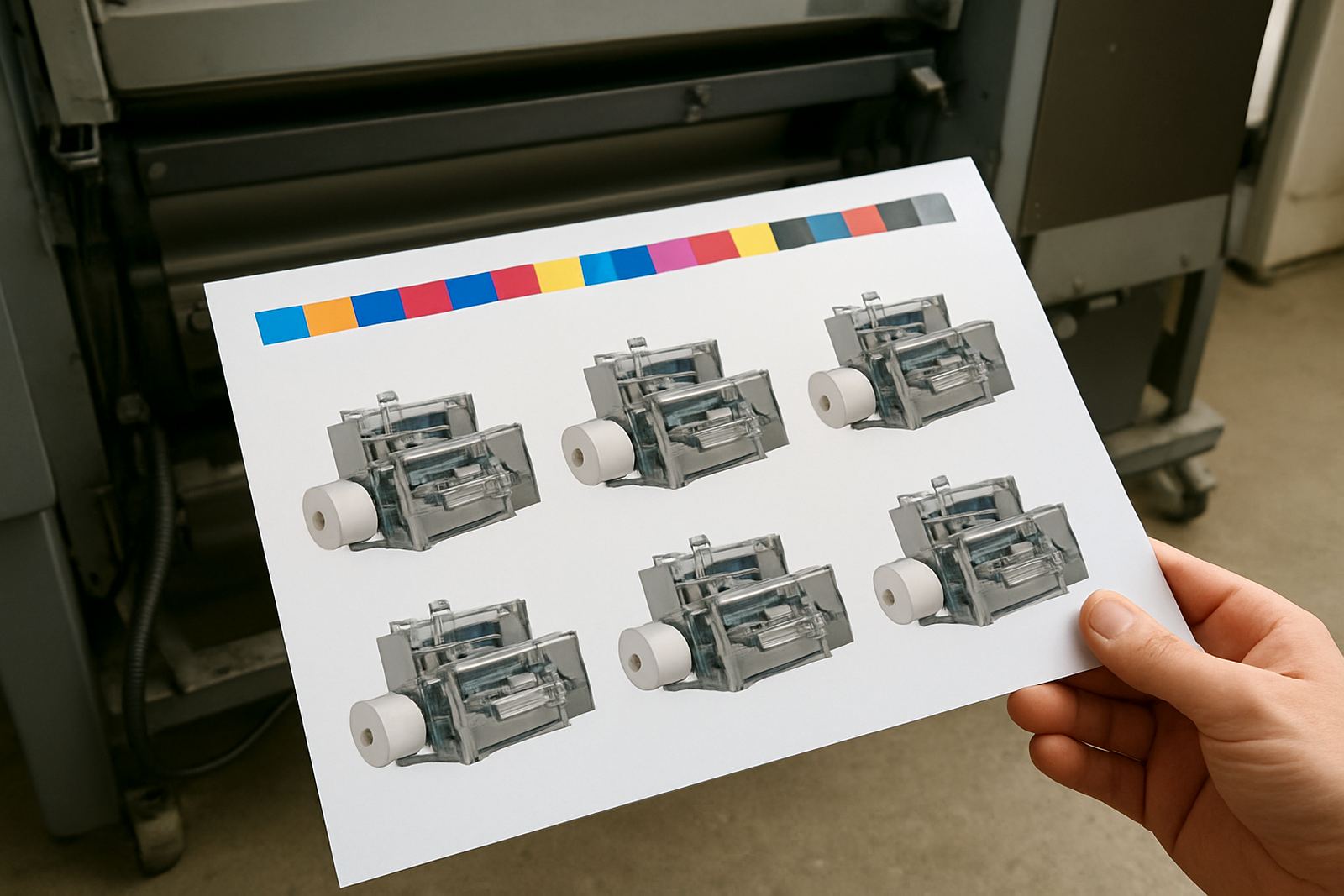
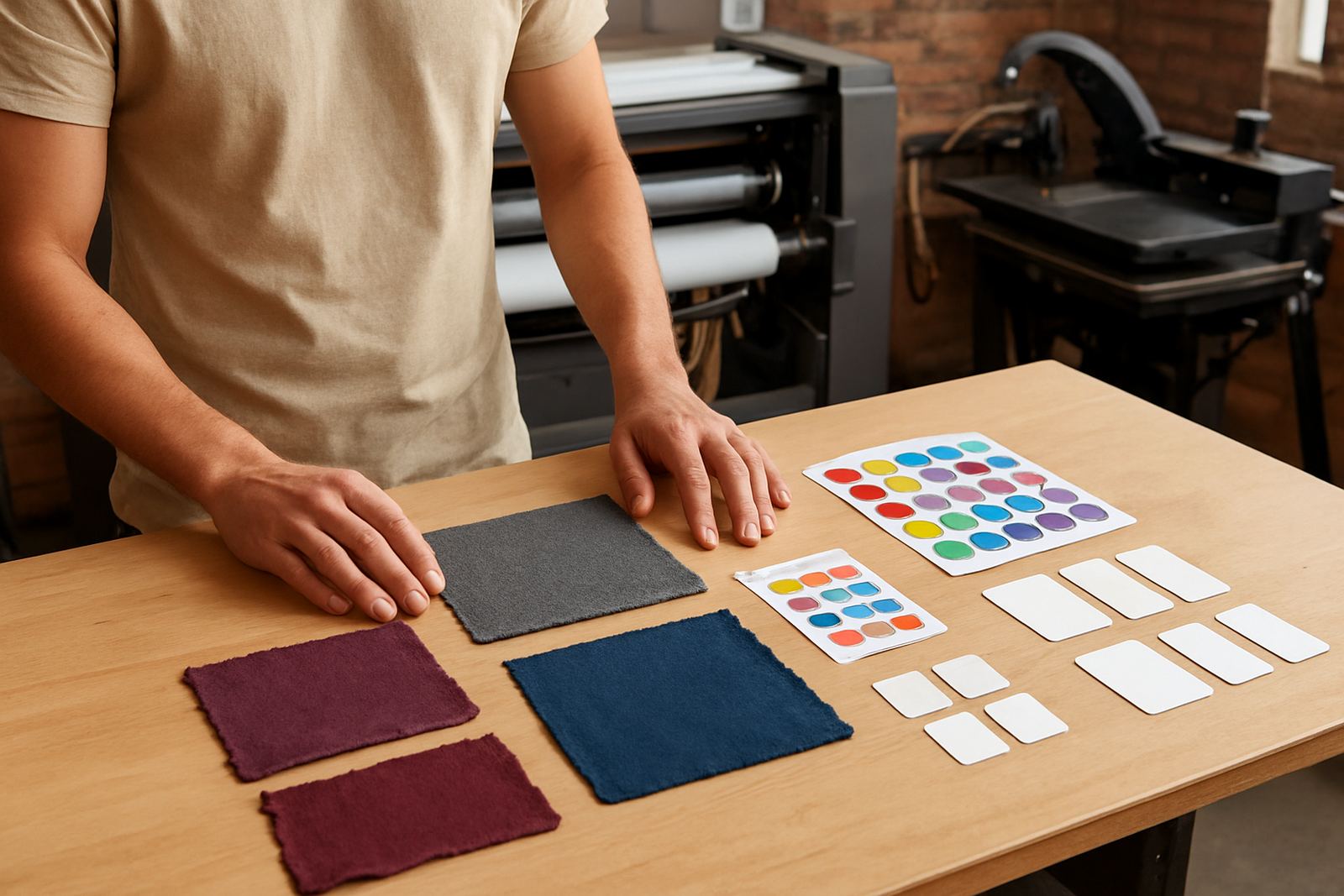
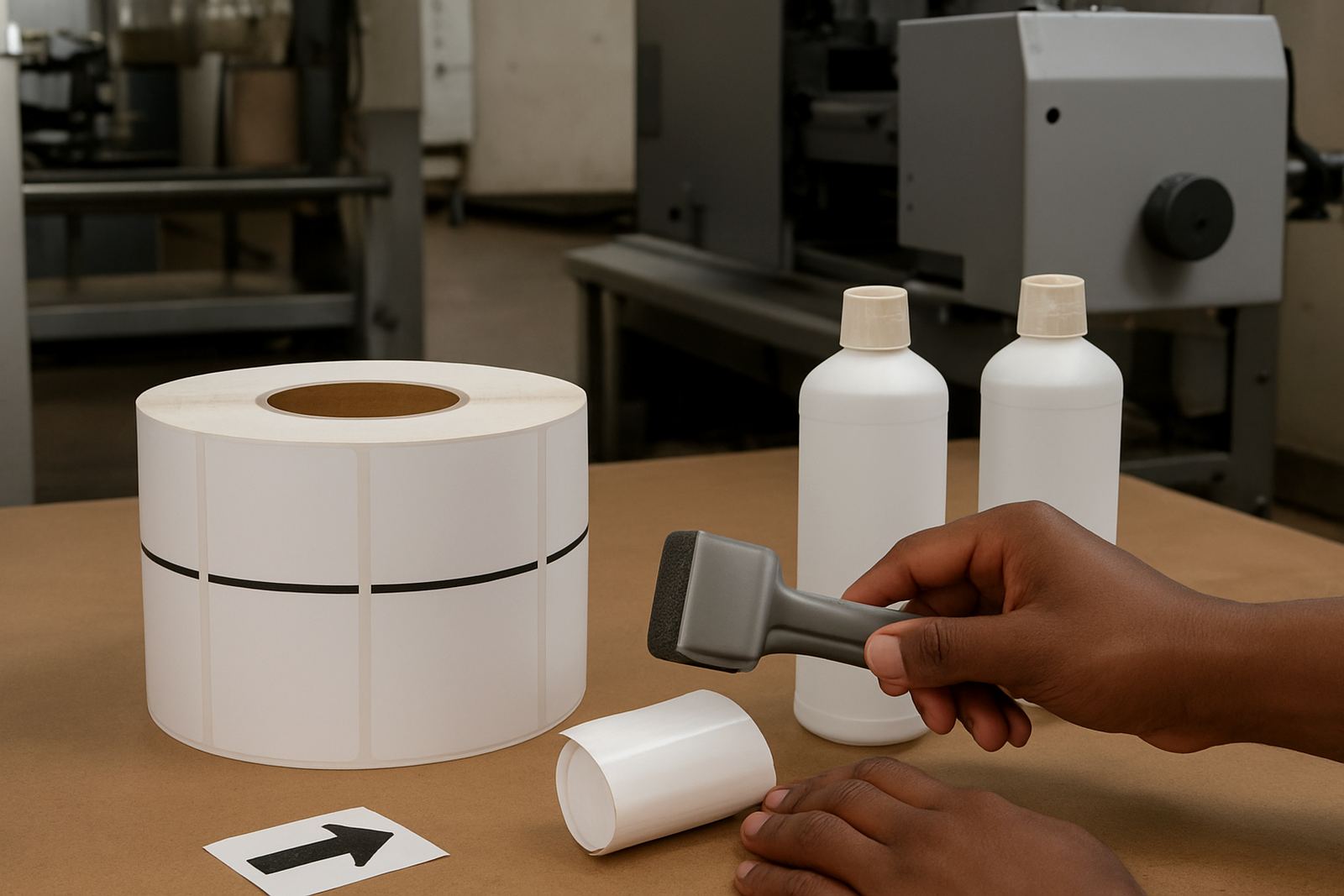
Label printing has its own rules. The stock, adhesive, curing method and cut accuracy all affect the final result. This section looks at the setup choices that matter when you need detail, repeatability and clean handling for small batches.
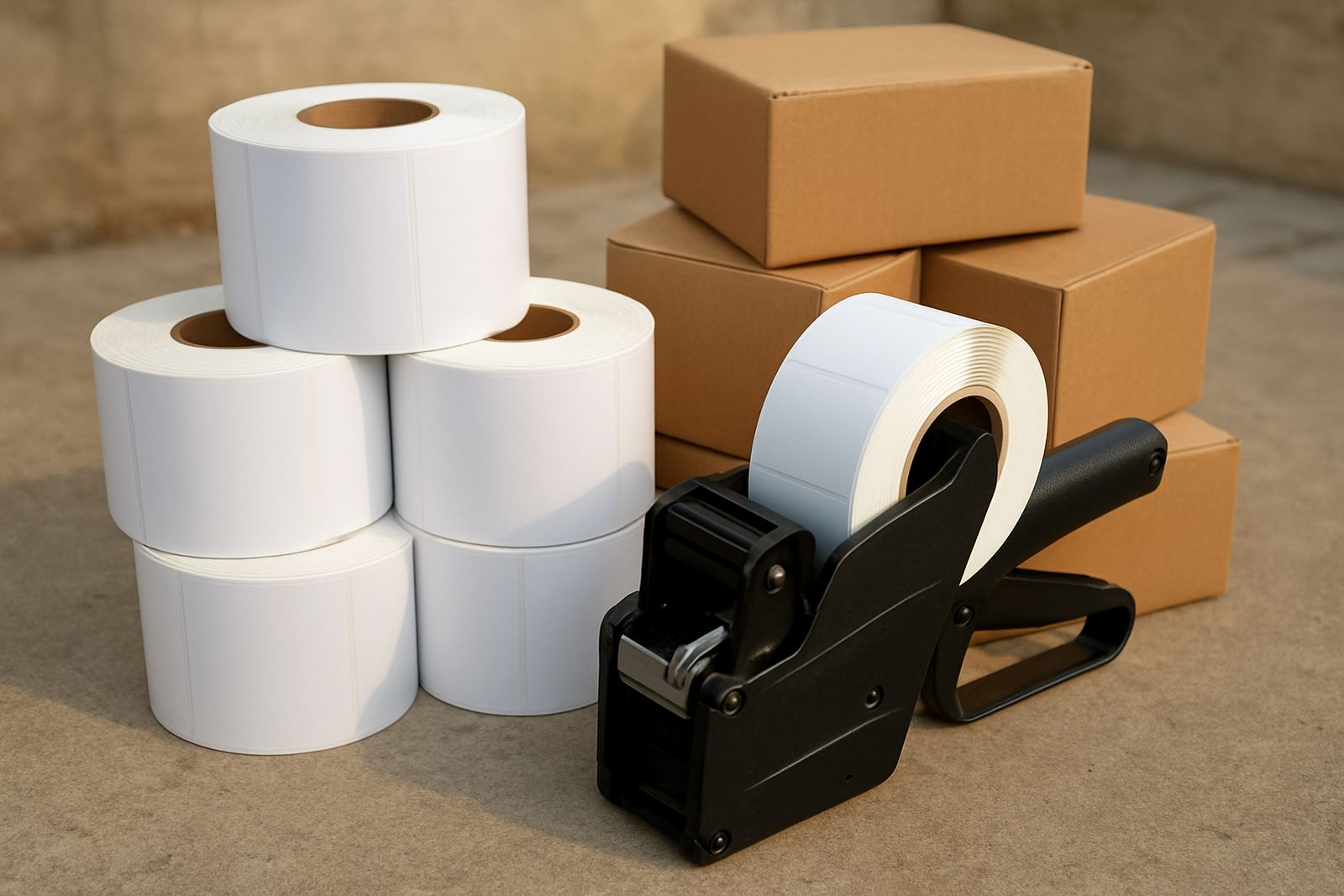
For many South African shops, labels are not a full-time line, they are a profitable add-on. That makes planning important. Articles here explain how to think about media width, finishing steps, storage in humid coastal areas, and how to keep repeat orders moving without overcommitting stock.
- Media selection for clean registration and sharp detail.
- Consumable planning so you do not sit with dead stock.
- Handling advice for warm rooms and humid conditions.
- Output checks for small repeat batches and custom orders.
Consumables, toner and media planning
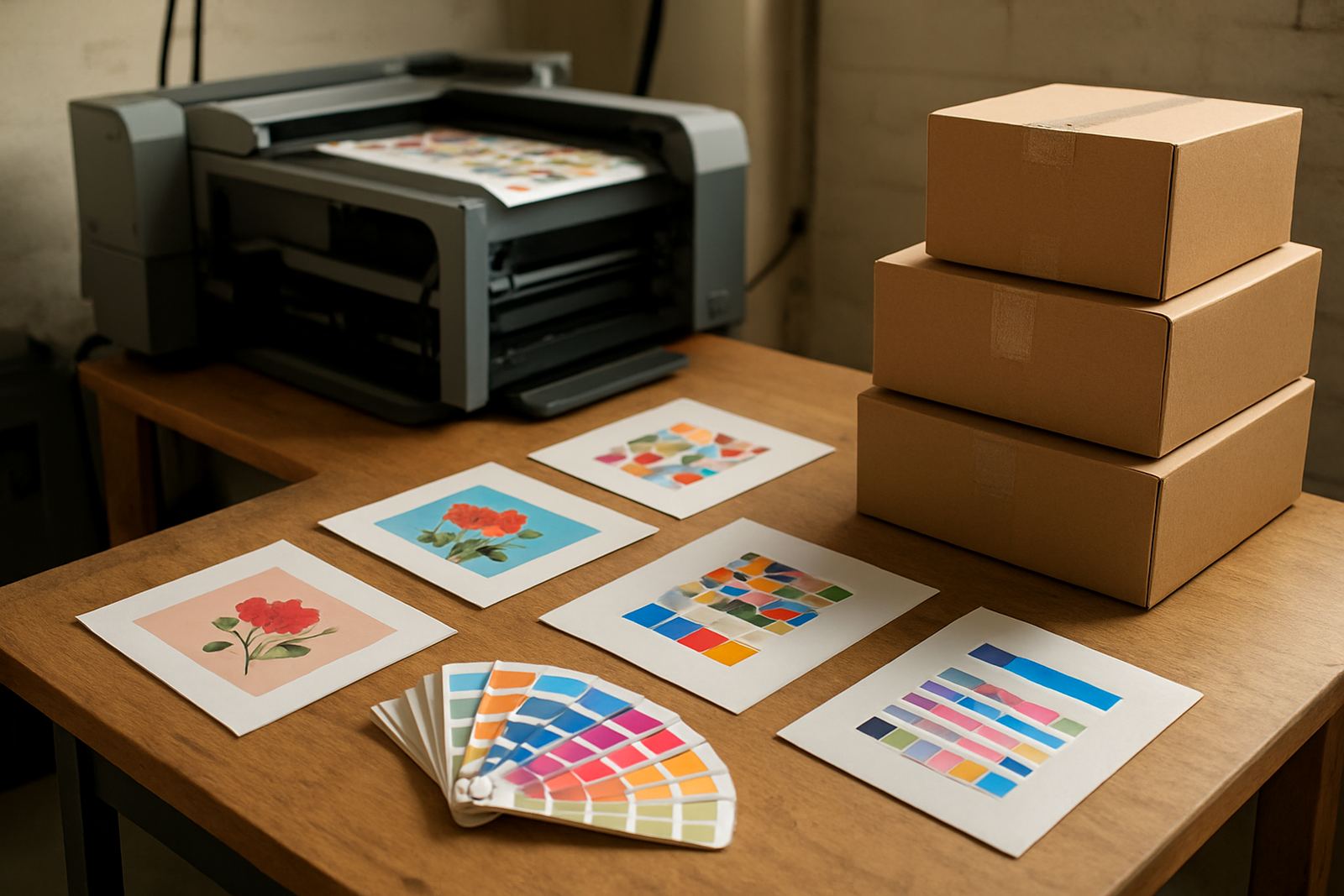
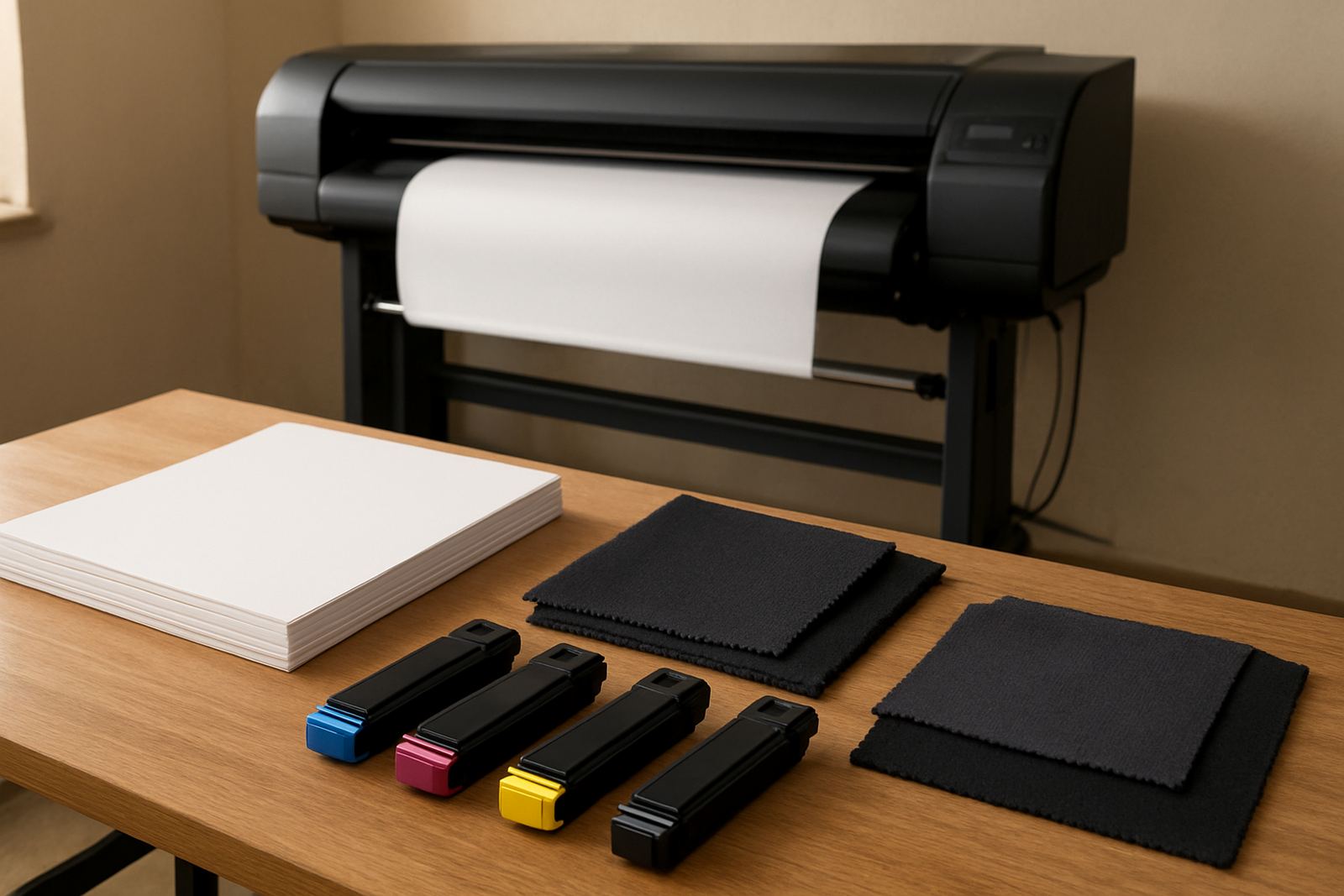
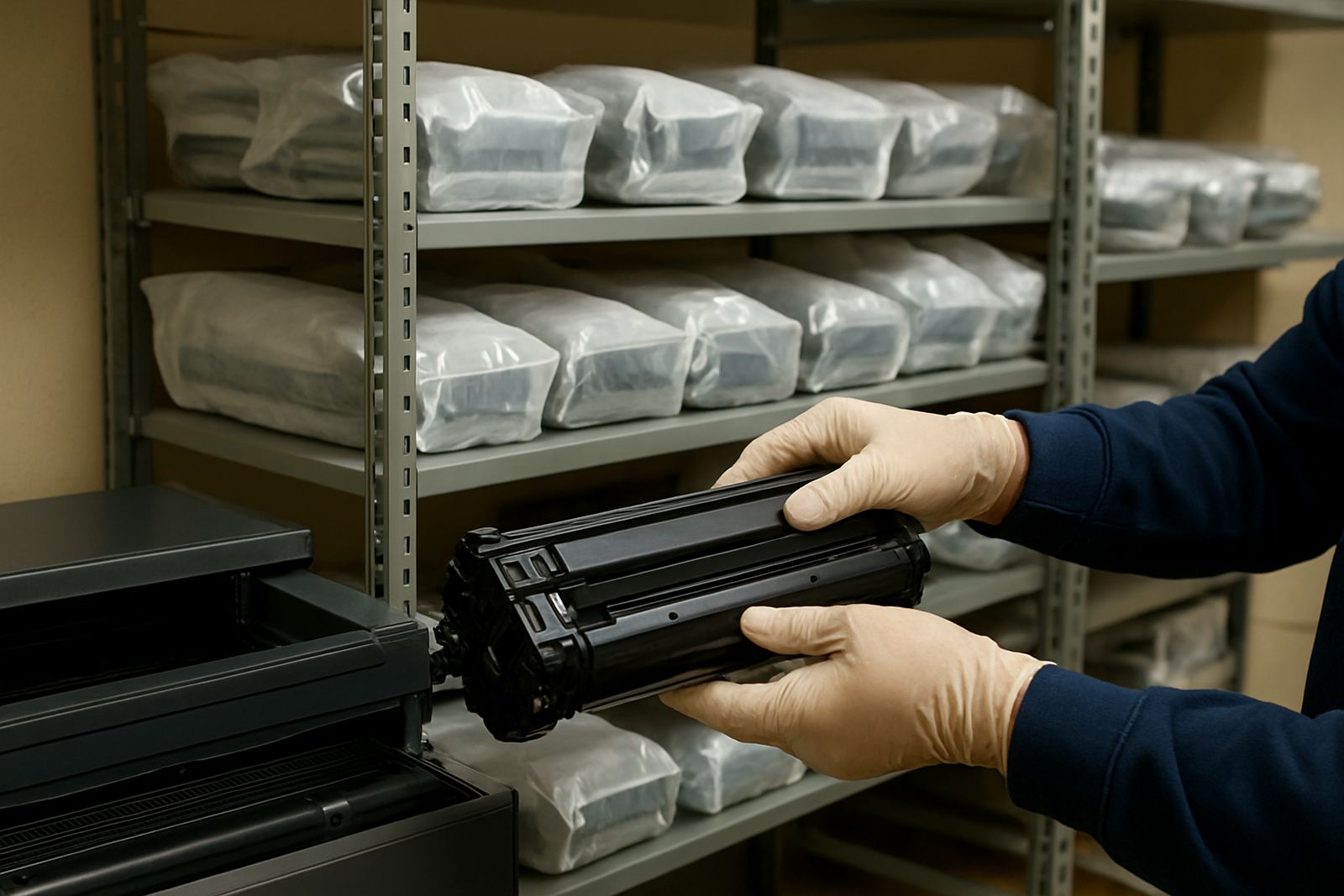
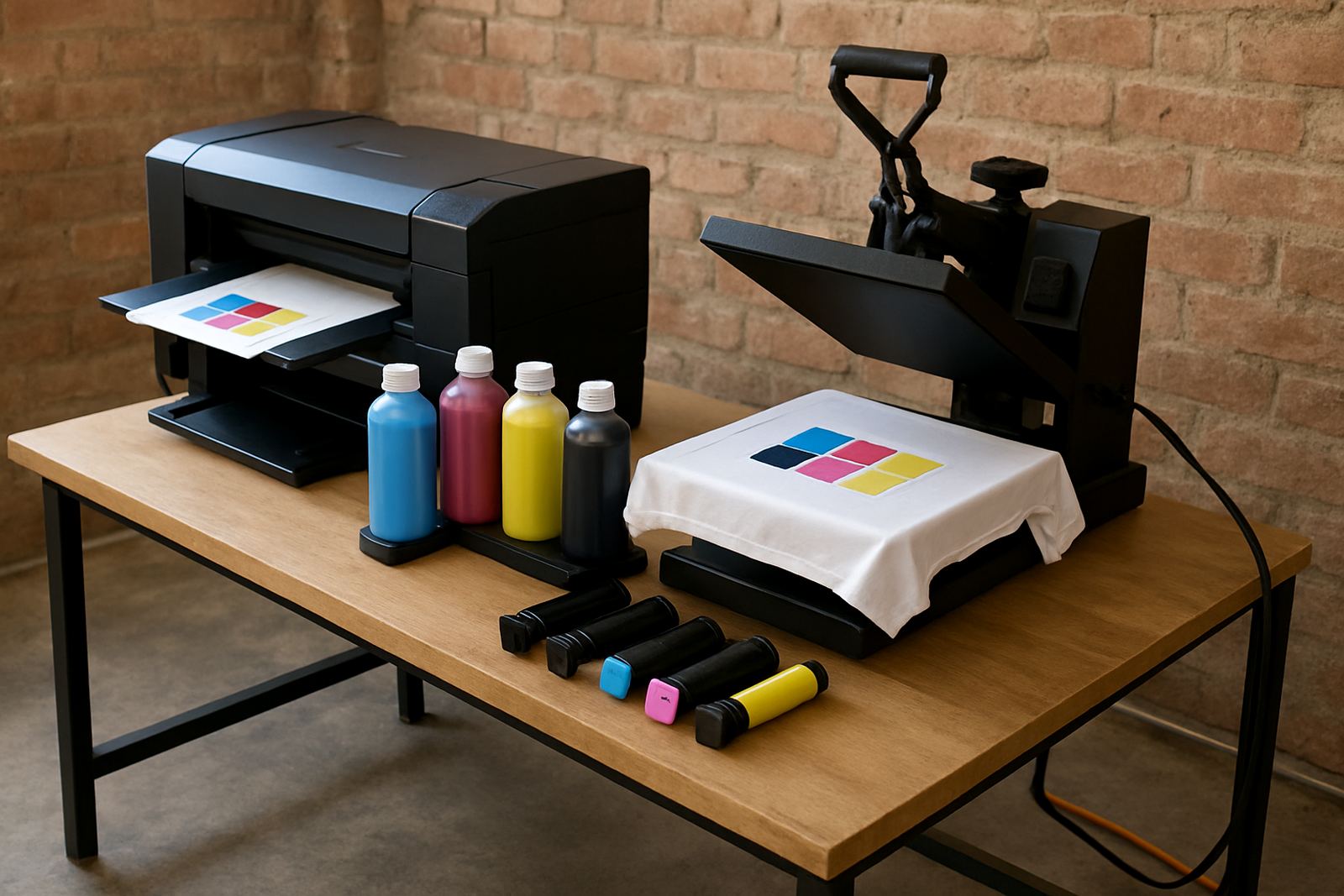
Consumables are where many shops lose margin without noticing. A slightly cheaper toner that needs more passes, or a media roll that feeds badly, can cost more than it saves. We use this section to look at the trade-offs in plain language so you can compare actual production cost, not just the invoice.
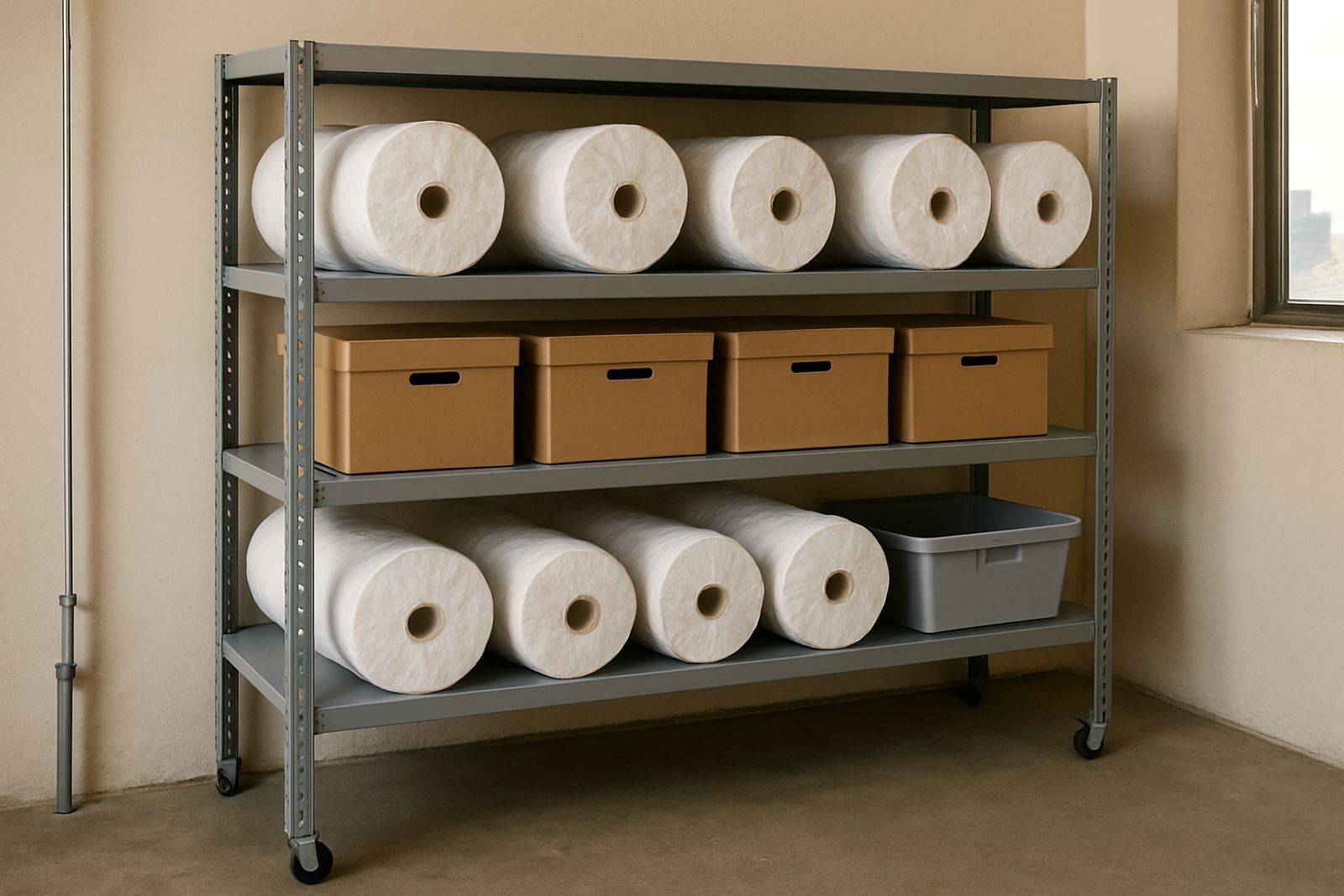
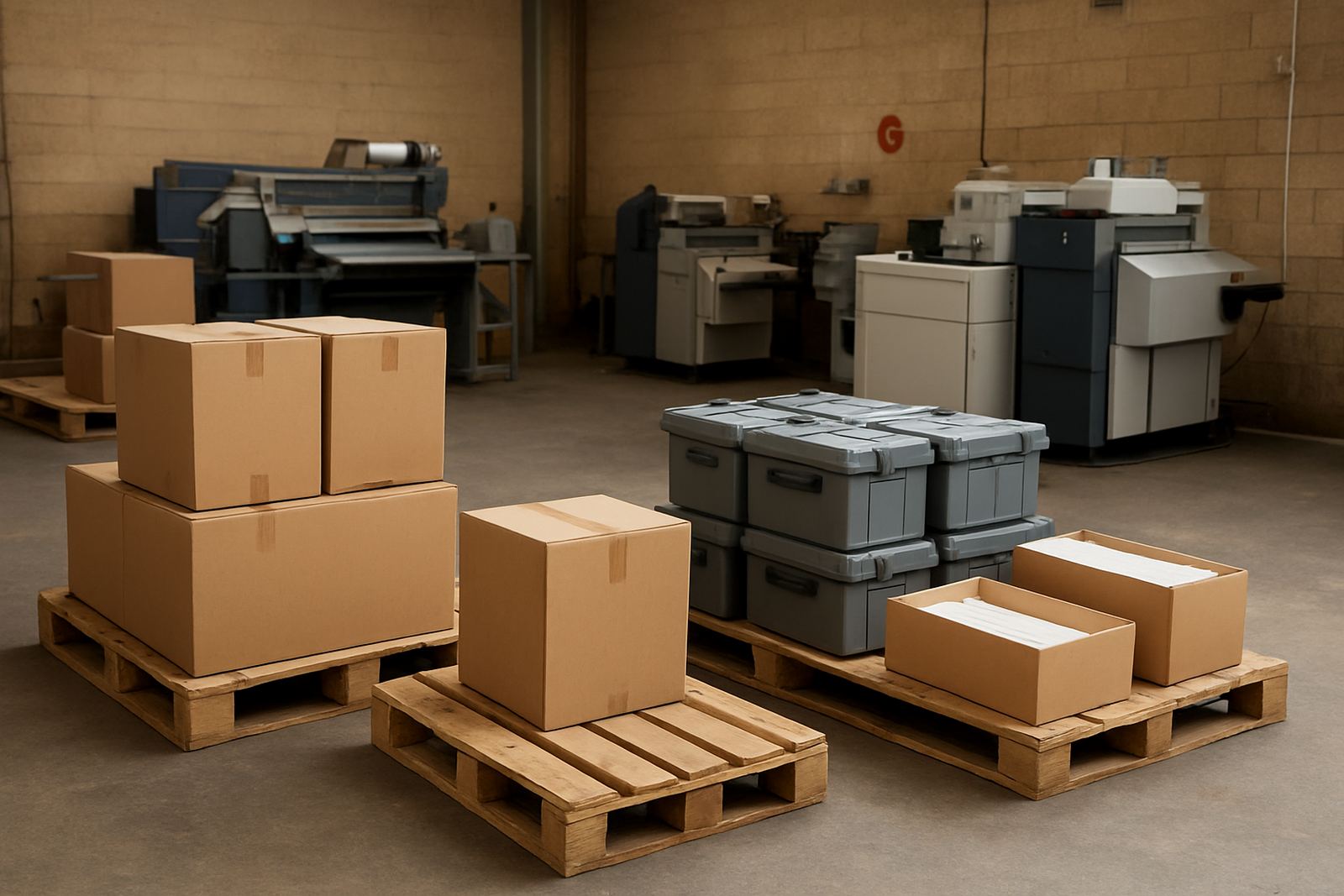
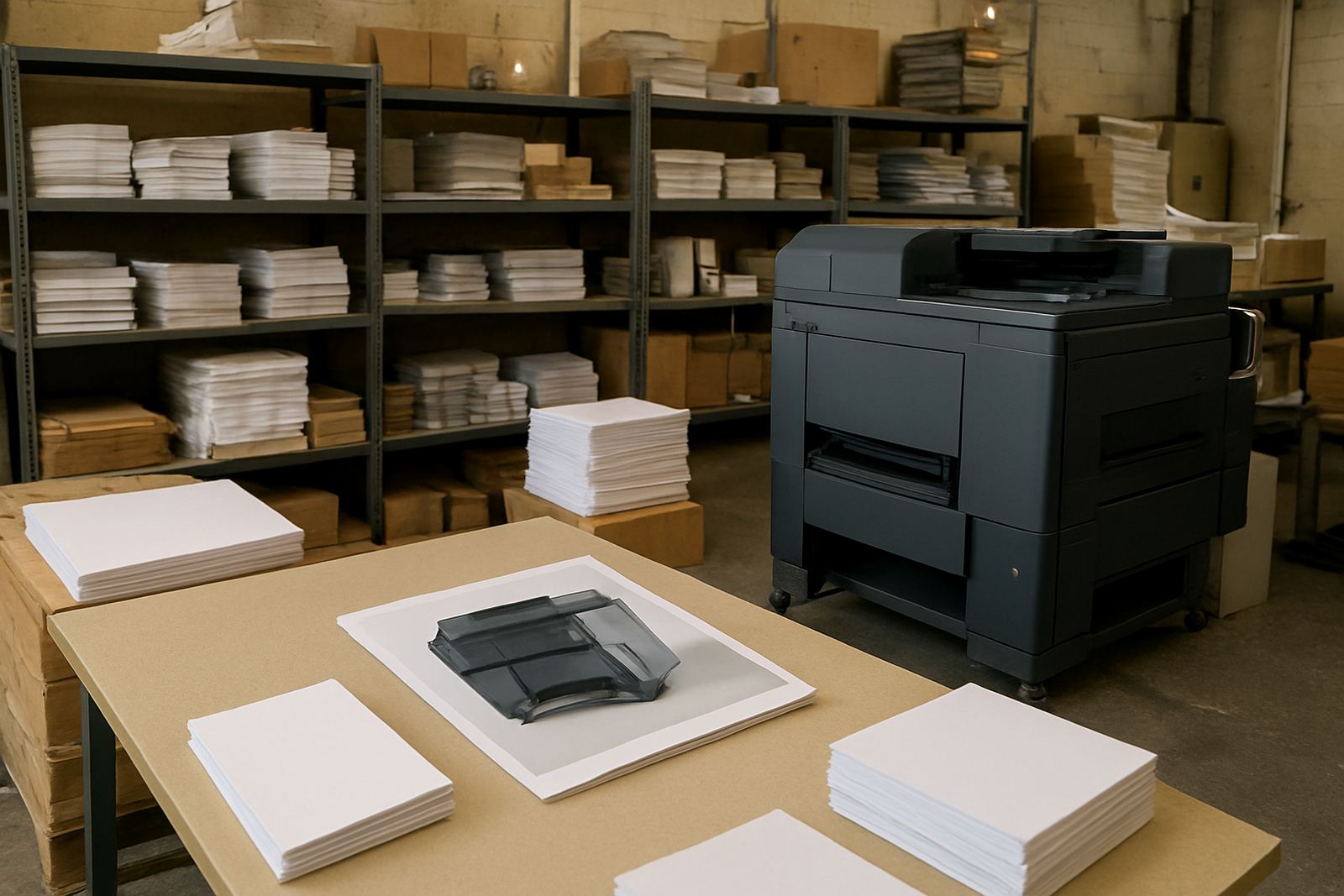
Expect notes on toner behaviour, media storage, colour consistency and ordering rhythm. If your site is in Gauteng or along the coast, storage conditions matter. Heat, dust and moisture all affect performance, and a sensible stock plan should reflect that. The right order size is not always the biggest one, especially if cash flow is tight.
Setup advice for owners and production teams
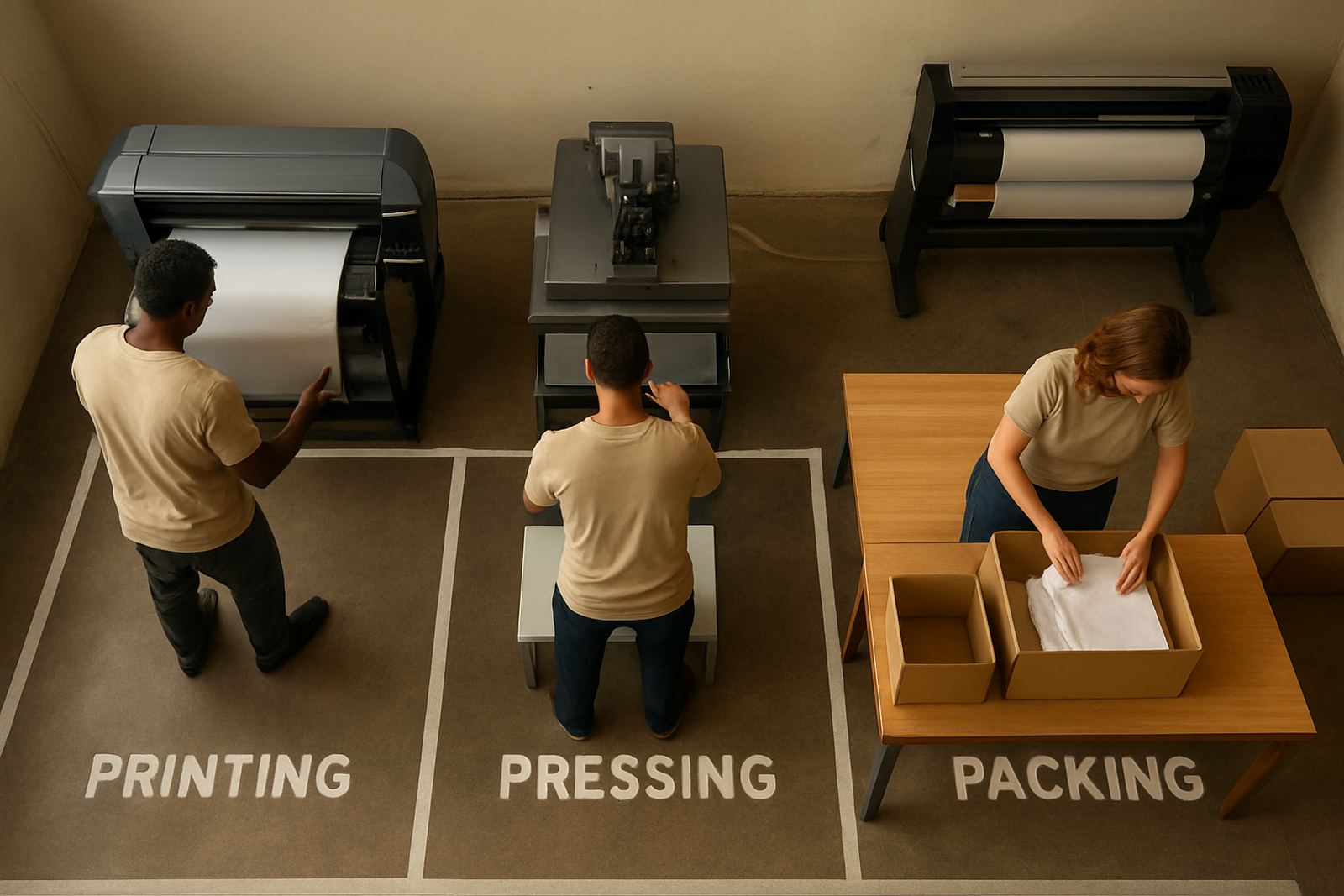
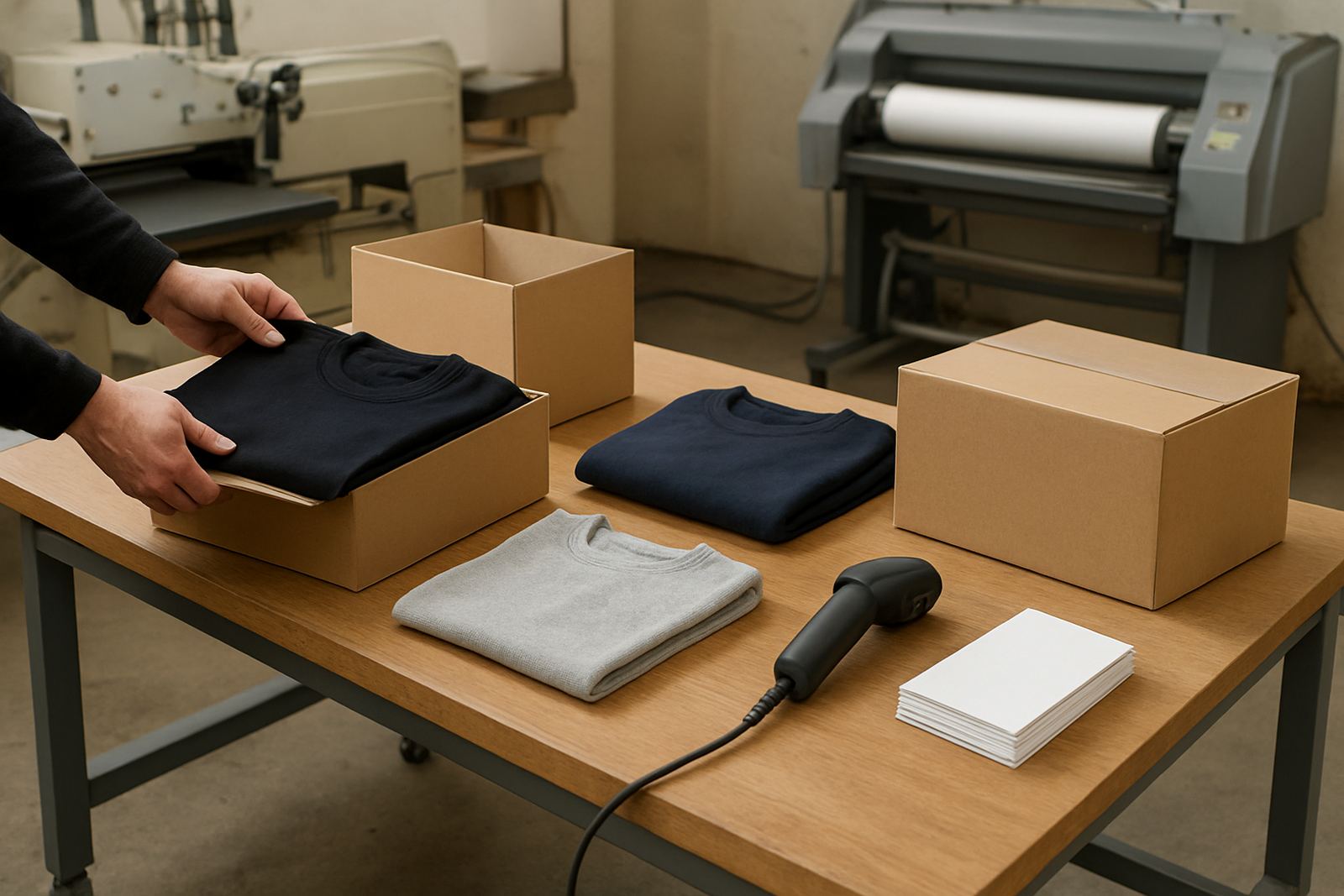
Buying equipment is one step. Setting it up well is where the real value comes through. Articles in this hub look at machine placement, operator routines, calibration checks, and how to keep a print line working when power interruptions or staff changes disrupt the day.
We also cover the questions people ask before they commit: how much floor space you need, what training should include, when preventive maintenance is worth scheduling and how to spot the early signs of printhead wear. A shop in Sandton may work differently from one in Pietermaritzburg or Windhoek, but the same basic habits help everywhere.
- Plan around available power and backup options.
- Keep a simple maintenance log for each machine.
- Train more than one operator where possible.
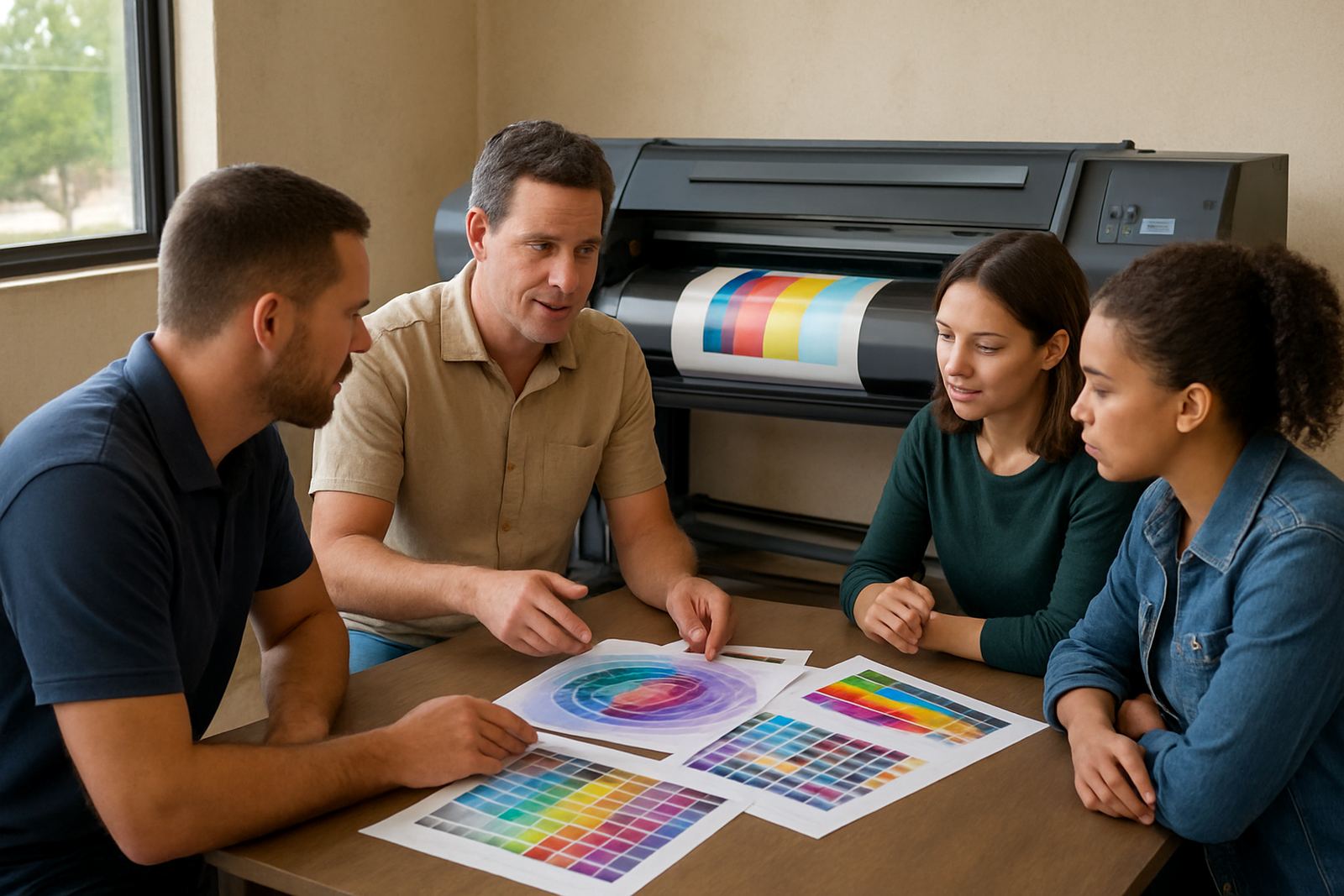
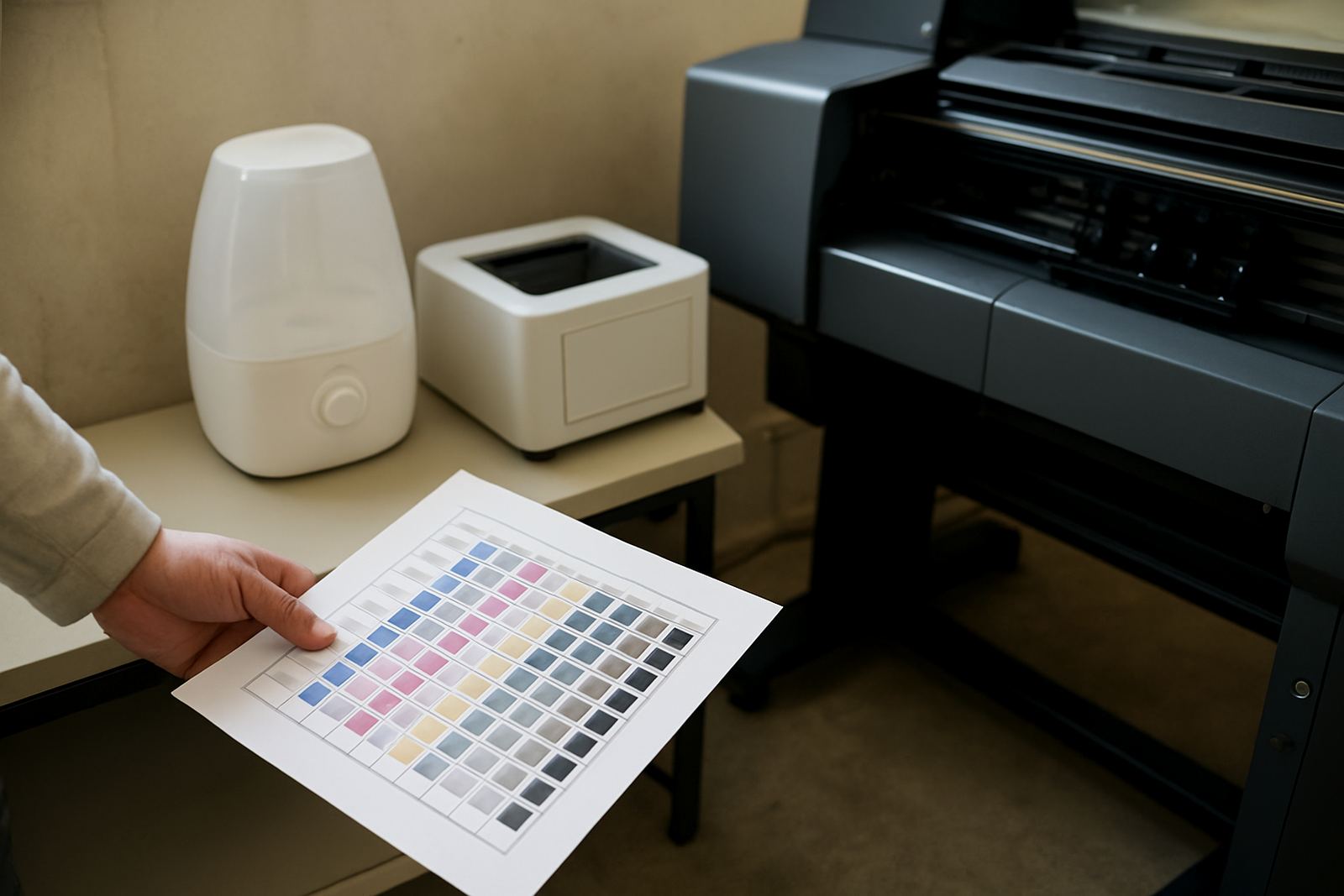
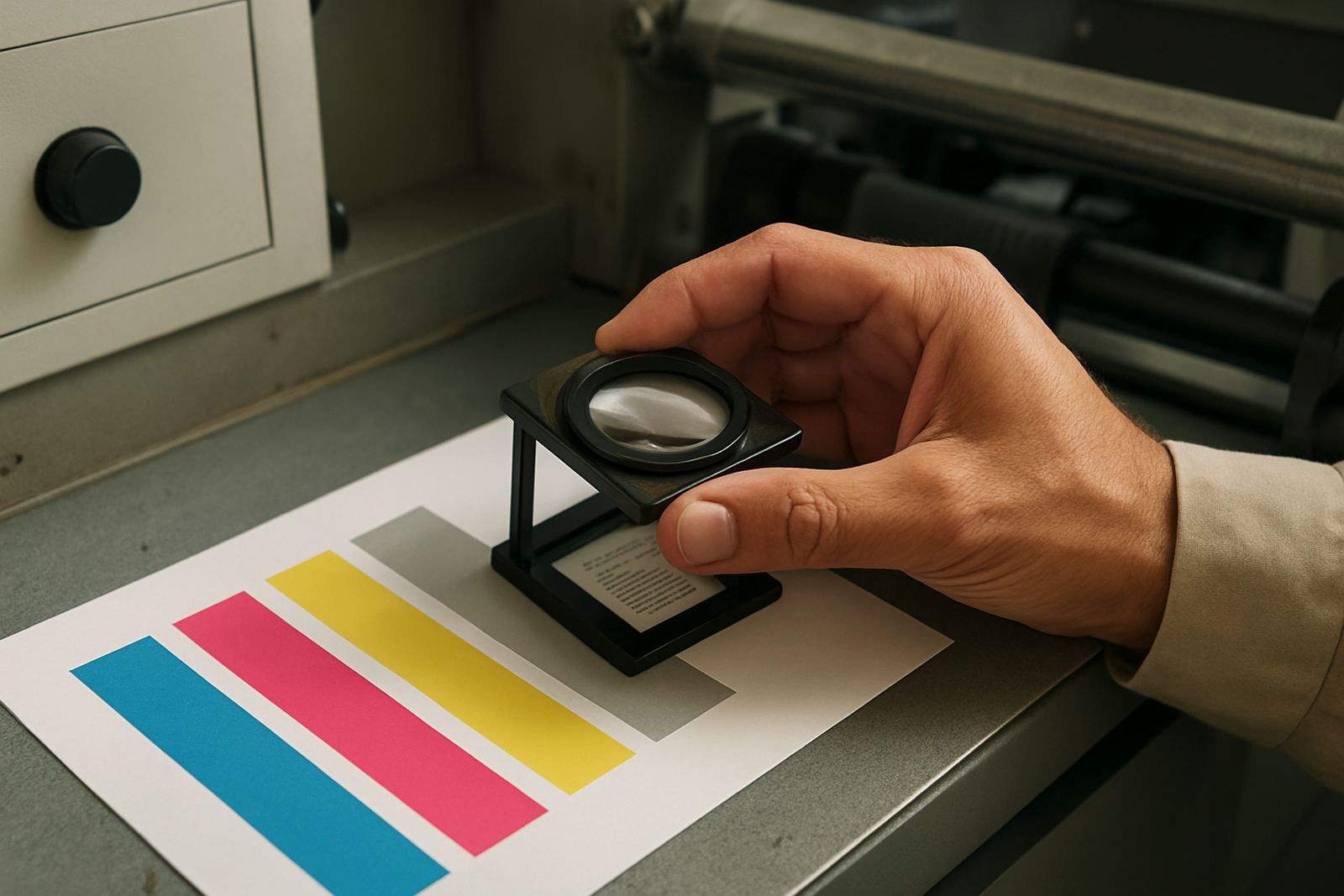
- Set colour checks at the start of every run.
Who this editorial section is for
This content is for print shops, garment decorators, label producers and buyers who need a clearer view before they spend. Whether you are building a new line or tightening up an existing one, the articles are meant to help you ask better questions and avoid costly assumptions.
CMYK Industries works from Midrand and supports customers across Johannesburg, Pretoria, the East Rand, the West Rand and wider Southern Africa. If your team needs practical guidance on machines, consumables or day to day production choices, this is where we share the thinking that supports that work.