What DTF and DTG actually do on fabric
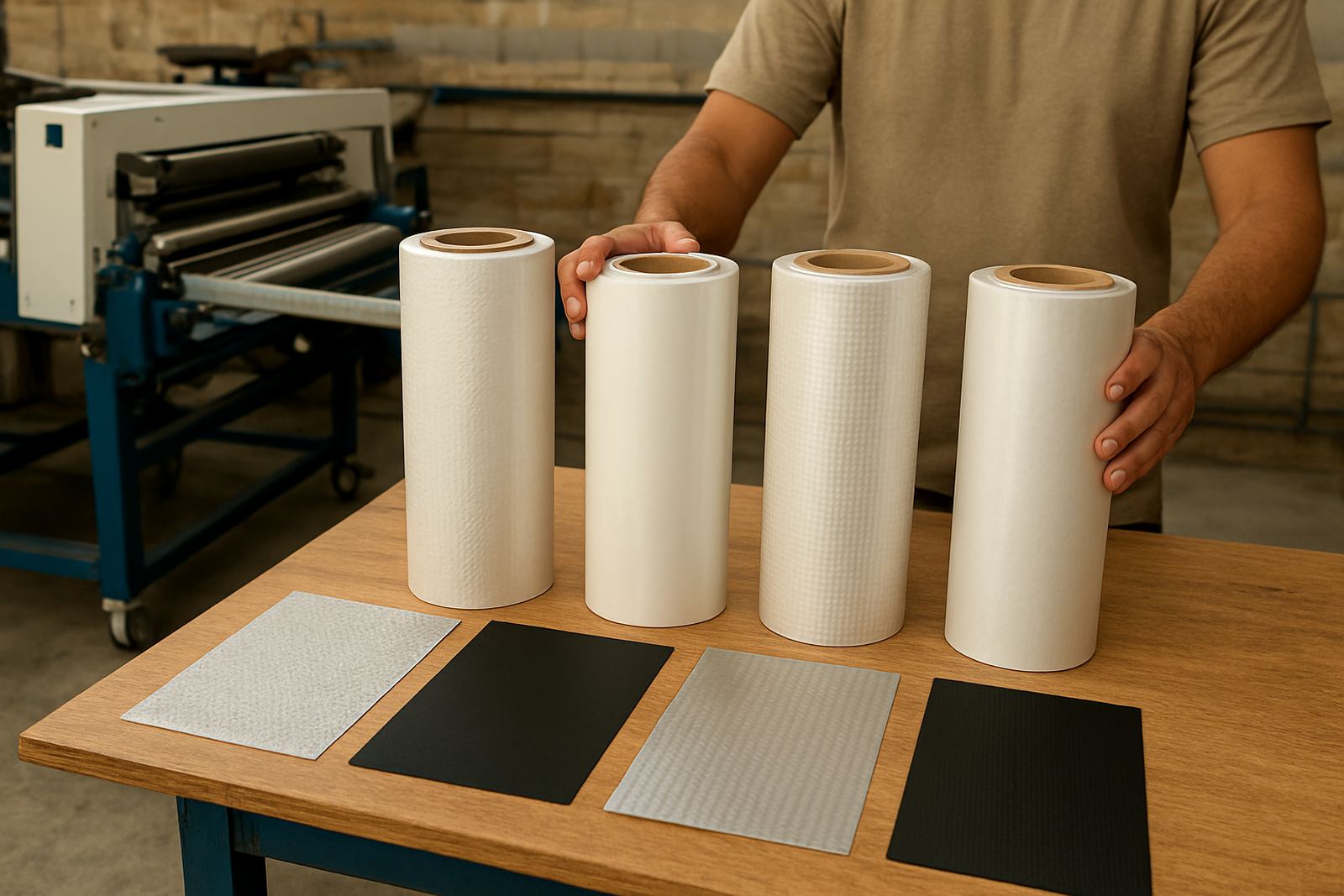
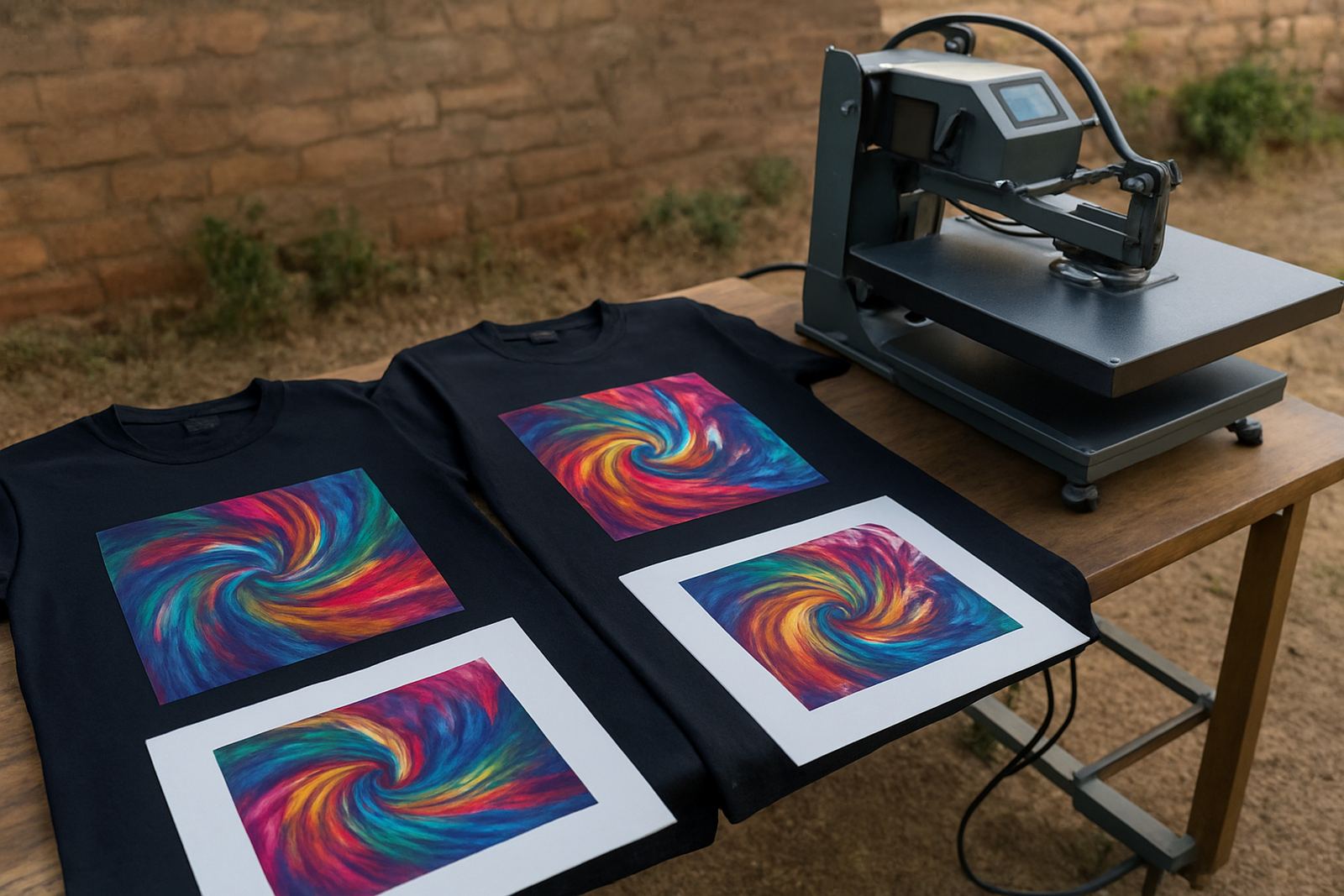
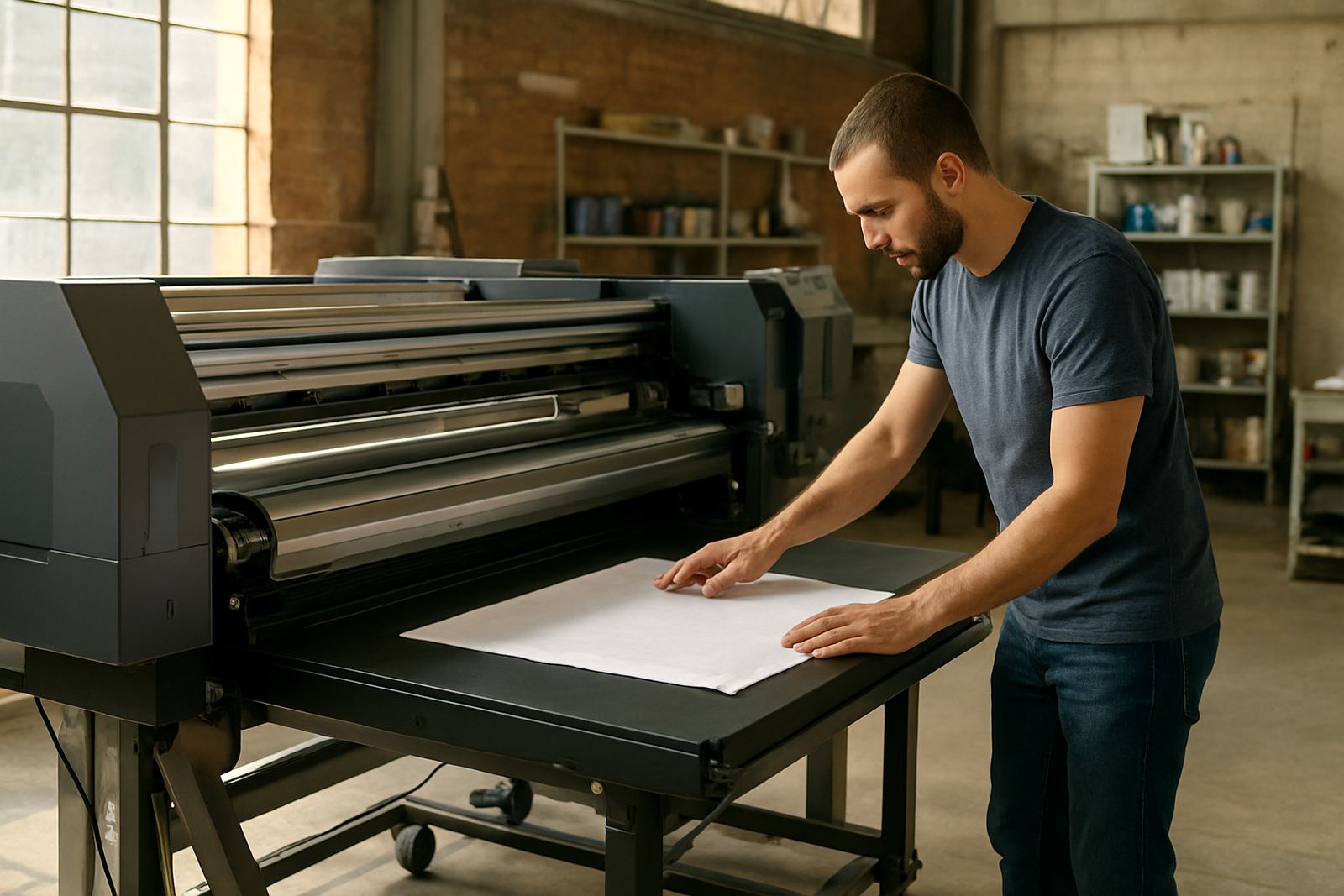
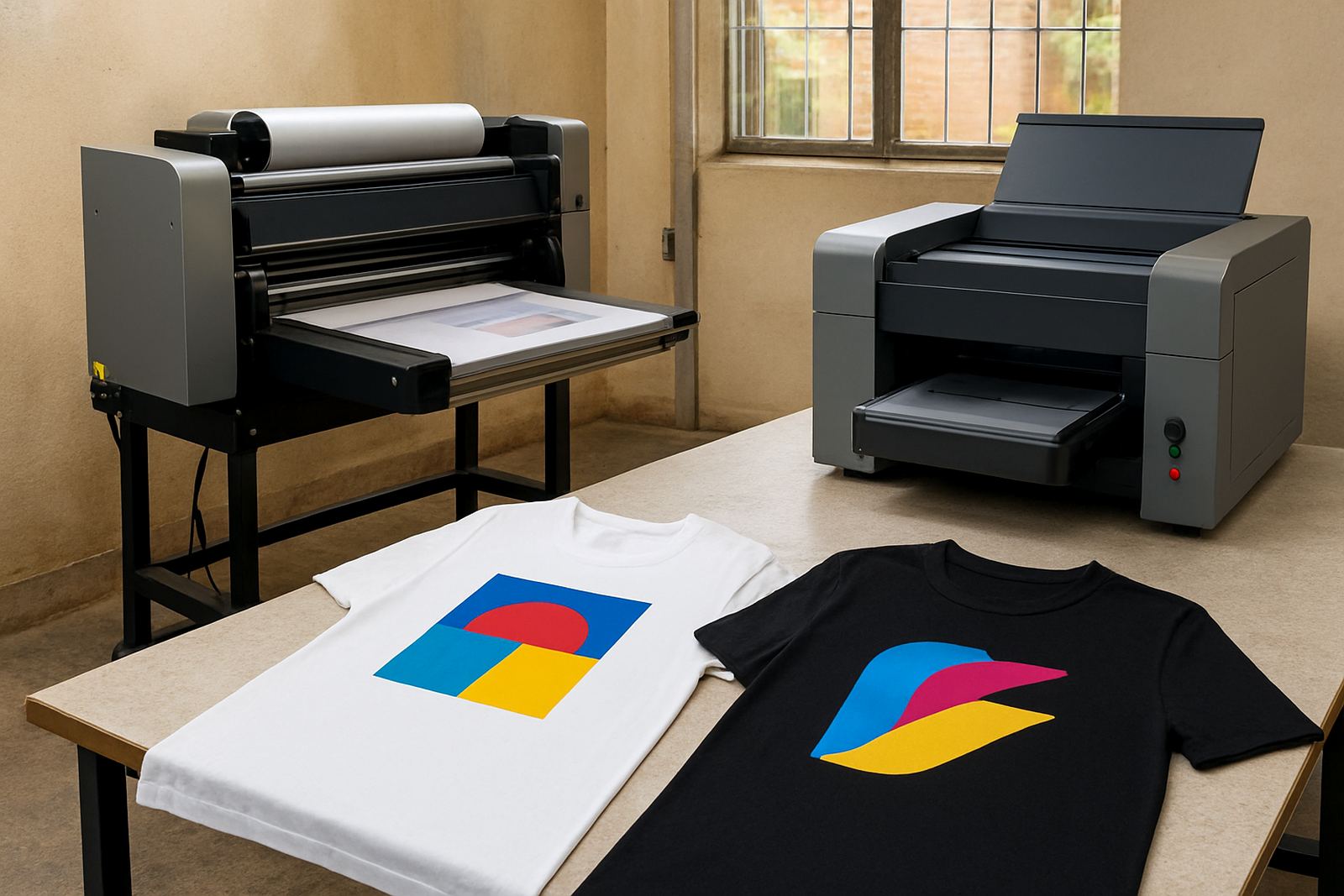
DTF, or direct to film, prints onto a transfer film, powders the print, cures it, then heat presses it onto the garment. DTG, or direct to garment, prints straight onto the fabric, usually cotton or cotton rich items, and the ink bonds into the fibres after pretreatment and curing. That single difference changes everything from setup time to fabric choice.
For a print shop in Midrand taking in school orders, club wear and staff shirts, DTF often suits mixed jobs because the transfers can be stored and applied later. DTG is better when you want soft feel prints on cotton tees, especially for smaller runs with detailed artwork and multiple colour changes.
- DTF is transfer based and works across more fabric types
- DTG prints directly onto the garment and prefers cotton
- DTF suits batch work and holding stock for later pressing
- DTG suits short runs where a soft finish matters
Where DTF wins on day to day production
DTF is practical when you need flexibility. It handles cotton, polyester, blends, canvas bags and many promotional items, which means one workflow can cover a large share of orders. For shops serving Johannesburg, Pretoria and the East Rand, that is useful when customers bring in mixed garments and want same week turnaround.
Because the artwork is printed to film first, DTF can be useful for multi site work too. You can print transfers in the morning and press them later, even when load-shedding interrupts the day. If your press is ready but the printer room is busy, the transfers stay usable. That gives a small business more control over labour and production planning.
- Works on more fabrics than DTG
- Good for names, numbers, logos and repeat orders
- Useful when you need to keep transfers ready for later pressing
- Lower risk on tricky garments such as synthetics and performance wear
There is also a cost advantage for certain jobs. When you are printing small logos on hoodies, workwear or tote bags, DTF can keep waste down because you are not committing a full garment to test prints and pretreatment. The real saving, though, comes from fewer rejects and less time spent on setup.
Where DTG makes more sense
DTG is strongest where the garment itself matters as much as the print. A cotton T shirt with a detailed graphic, gradient or full colour illustration can look excellent with DTG because the image goes straight into the garment and keeps a softer hand feel. For lifestyle labels, artist merch and premium short runs, that finish is often what the customer is paying for.
DTG also suits shops that print on demand and need quick artwork changes without making a transfer first. If your team is handling one off samples, market day stock or small ecommerce runs from Sandton or Pretoria, DTG can be efficient when the garment mix is mostly cotton and the artwork changes often.
- Best on cotton and cotton rich garments
- Soft feel finish for fashion and premium tees
- Ideal for detailed artwork with lots of tones and colour variation
- Good for on demand orders with frequent design changes
The costs, setup and maintenance that change the choice
The right method is not only about print quality. It is also about running costs, maintenance and how much room you have for prep work. DTF needs film, powder and curing, while DTG needs pretreatment, more careful garment prep and regular head care. Both demand discipline, but the daily routine is different.
If your shop is in a warm, humid area or close to the coast, DTF film and powder handling need clean storage so moisture does not affect curing. DTG printers need stable cleaning routines and controlled conditions because clogged nozzles can stop production fast. In both cases, power cuts and voltage swings can affect output, so backup power and proper shutdown steps are worth planning for.
For a business that prints 20 to 100 pieces a week, the best choice often comes down to the most common garment type. Cotton fashion ranges may justify DTG. Mixed workwear, sportswear and promos usually point to DTF. If you are doing both, many shops keep both methods and assign jobs according to the fabric and deadline.
A Johannesburg example from mixed garment orders
Picture a Midrand print shop taking three jobs on the same day: 40 cotton tees for a corporate event, 60 polyester staff shirts, and 18 hoodies for a local club. If the team tries to force everything through one method, they will spend longer on setup and may still end up with poor results on part of the order. A better approach is to split the work by garment.
The tees could go through DTG if the artwork is high detail and the client wants a soft finish. The polyester staff shirts and hoodies are a better fit for DTF because the transfers will hold on synthetic and blended fabrics. That mixed method approach is common in Johannesburg, where print shops often service walk in orders, resellers and corporate clients in the same week.
- Use DTG for cotton tees with detailed artwork
- Use DTF for polyester, hoodies and mixed fabrics
- Keep transfer stock ready for repeat names and numbers
- Plan around power cuts and follow a clear production queue
That kind of workflow keeps turnaround manageable, and it reduces arguments with customers about why one garment took longer than another. It also helps with colour consistency when the same logo needs to appear on different fabric types.
How to decide which method fits your shop
Start with the questions your customers ask most. If they want full colour images on cotton and care about softness, DTG is worth serious attention. If they bring in mixed fabric orders, need faster press time, or want stock transfers on hand for later use, DTF is usually the safer choice. There is no single winner, only the method that fits the work in front of you.
For many South African shops, the decision comes down to order profile, labour and support. A machine is only useful when it matches the kind of jobs you actually sell, and when your team knows how to keep it running. Good training, colour calibration, printhead care and preventive maintenance make a bigger difference than many owners expect.
CMYK Industries works with print shops across Johannesburg, Pretoria, the East Rand, West Rand and beyond, helping teams choose equipment, consumables and workflows that suit real production. If your business is weighing up DTF against DTG, the practical answer is to test your most common orders, then build from there.