Start With The End Use, Not Just The Film Price
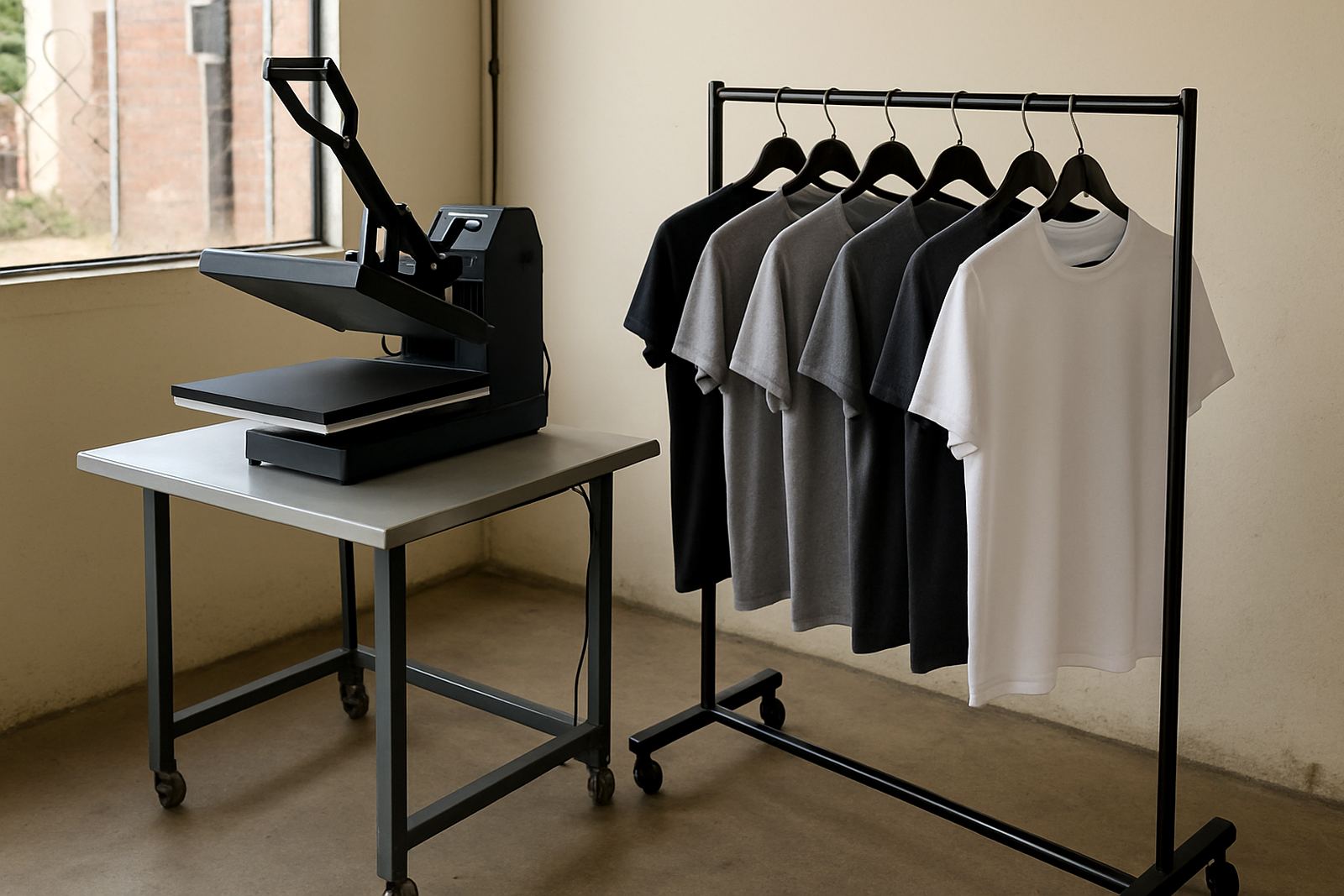
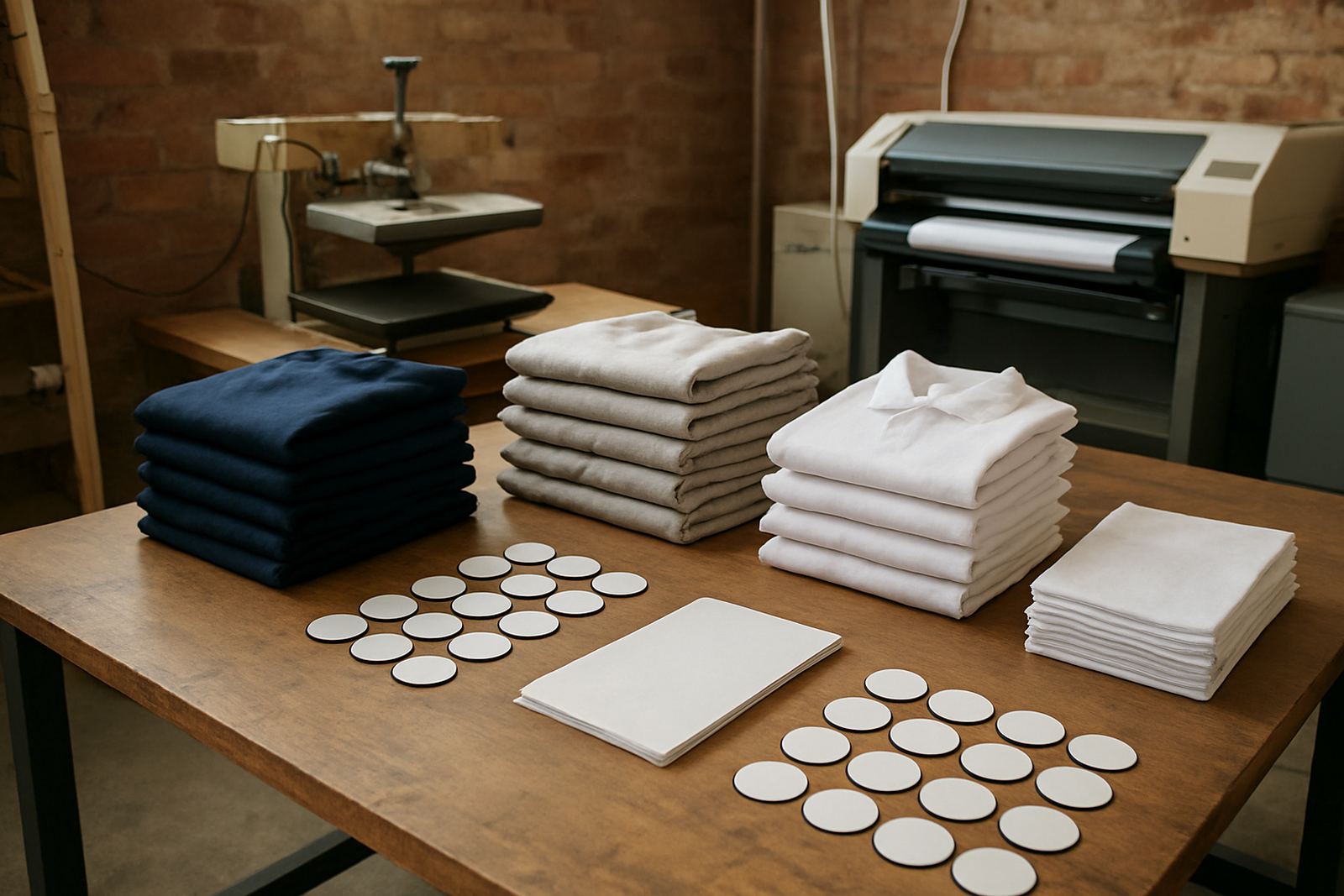
Transfer film should be chosen around the product you are making, not only around the cost per sheet or roll. A film that works well for T-shirts on cotton may behave differently on softshell jackets, caps, stretch fabrics or detailed labels. If your shop handles mixed work, one film type rarely gives the best result across every application.
Short-run colour work also means repeatability matters. When a customer orders 25 shirts this week and 40 next month, the transfer film has to give consistent release, sharp edges and predictable finish. That is why shops in Midrand, Pretoria and the East Rand often test a few options before settling on one main production spec.
- Match the film to the garment type and press temperature range.
- Check whether your job needs a soft hand feel or a brighter gloss look.
- Confirm that the film suits your printer, toner or ink system.
- Keep one film for high-detail work and another for heavier coverage if needed.
Peel Type Affects Speed, Waste And Operator Confidence
Peel type is one of the first decisions to get right. Hot peel, warm peel and cold peel films each change the timing of the transfer process, and that timing affects throughput. If your team is pushing out same-day orders, a film that releases quickly can save minutes on every sheet. If the artwork is delicate or the press room gets hot in summer, a slower peel may be safer.
Hot peel films are generally used where speed is important and the transfer must come off the carrier while still warm. Cold peel films are often preferred when the image needs to sit and stabilise before release. Warm peel sits between the two, which can help in shops where press operators are still learning or where conditions shift through the day.
In a busy shop, the wrong peel choice leads to lifted corners, distorted edges or repeated pressing. That is extra labour, extra heat on the garment and more waste on the floor.
- Hot peel suits faster turnaround if your press rhythm is tight.
- Cold peel can give better control on fine detail and layered jobs.
- Warm peel is useful where the team needs a more forgiving process.
- Always test the peel against your actual press cycle, not only the supplier note.
Finish Changes The Look Your Customer Sees First
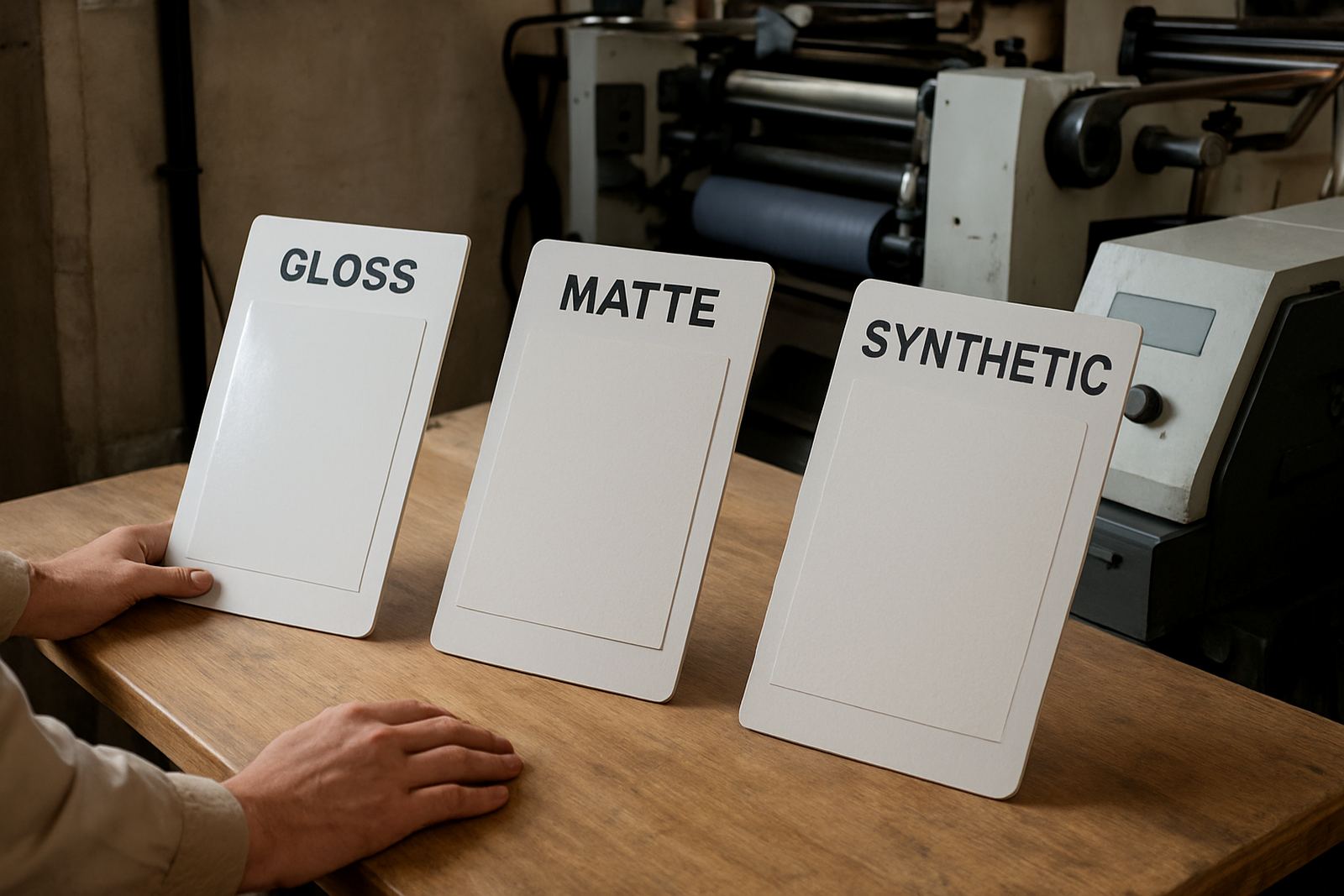
The finish of the transfer film matters just as much as the print itself. A gloss film can make colour look brighter and more vivid, while a matte finish often gives a softer, more premium garment feel. On label work, finish can affect legibility and how the item presents under indoor lighting, especially on small type.
For sportswear, promotional clothing and fashion items, finish also affects customer perception. A shiny surface may suit bold branding, but some buyers want a lower-glare look that feels less plastic. Shops working for schools or workwear clients in Gauteng often keep both options available because the brief changes from one customer to the next.
Finish also interacts with the artwork. Large solid blocks, fine lines and small text all react differently. If the design includes heavy coverage, a film that keeps edges crisp without looking overly glossy can make a stronger final product.
Handling And Storage Matter More Than Many Shops Expect
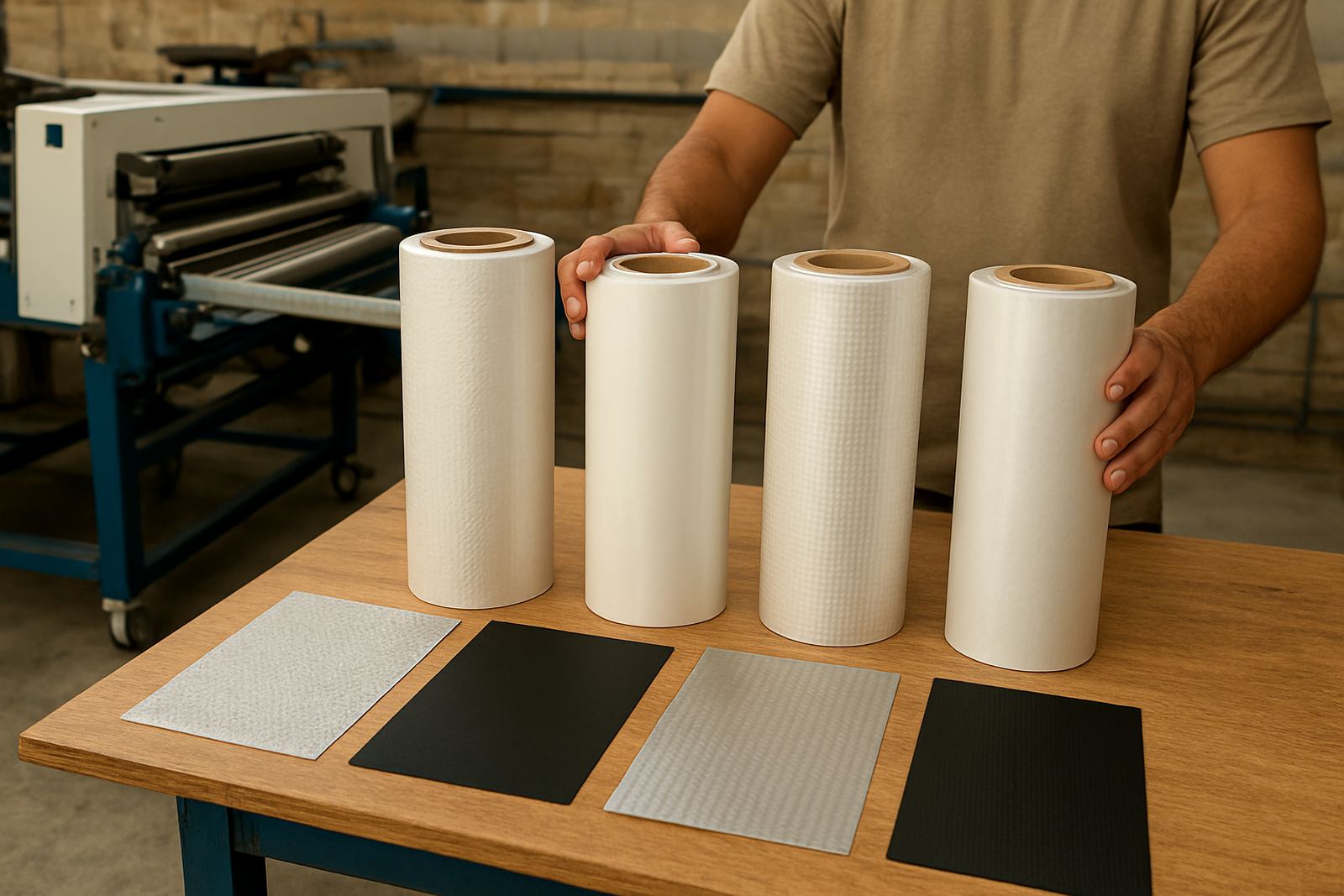
Even good transfer film can give poor results if it is handled badly. Heat, moisture, dust and curling all create problems before the press even closes. In coastal towns humidity can make film cling or bow. In inland areas, dry air and warm storage rooms can lead to static and sheet movement. A roll left near a doorway or window can pick up dust and moisture fast, so proper storage is not a small detail.
For shops running in Johannesburg warehouses or industrial parks around Midrand, load-shedding also needs to be considered. If presses stop mid-run and film is left on a hot platen or under pressure too long, the next sheets may not behave the same way. Keep film in its packaging, store it flat or upright as recommended, and let it acclimatise before use.
- Store film in a clean, dry room away from direct sun.
- Do not leave opened packs near presses, heaters or open windows.
- Allow film and media to settle to room temperature before printing.
- Keep hands clean when loading sheets to avoid contamination.
Why Colour Accuracy And Media Matching Save Reprints
Transfer film is part of the colour system, not just a carrier. If the film surface does not suit the toner or ink, colour may shift, density may fall away, or fine shadows may lose detail. That is why media profiling and colour calibration help so much in short-run production. When a shop knows how a film behaves on a particular printer setup, it can reduce trial runs and get closer to the target on the first press.
This becomes important with label printing, where small text and registered colour blocks must stay clean. It also matters in garment decoration when a client wants repeated reorders to match previous batches. A film that profiles well with your printer saves time on press, reduces waste, and makes quoting easier because the process becomes more predictable.
For example, a Midrand print shop supplying schools and events across Pretoria and Sandton may receive urgent orders late on a Thursday. If the transfer film, printer settings and press schedule are already matched, the team can run the work without stopping to guess at temperature or dwell time.
Build A Film Choice Around Your Shop's Workflow
The best transfer film is the one that supports your daily workflow, your staff skill level and the type of work you sell most often. If you mainly produce fashion pieces, your priorities may be finish and hand feel. If you focus on uniforms and promotional items, speed, repeatability and easy peeling may matter more. If you do labels as well as garments, then edge sharpness and fine detail will carry more weight.
It helps to set a simple test process. Run the same artwork on the film options you are considering, using your normal printer settings, press temperature and garment type. Note peel timing, finish, wash resistance where relevant and how many rejected sheets you get. Over time, that gives you a real production record instead of relying on guesswork.
CMYK Industries works with print shops across Midrand, Sandton, Pretoria, the East Rand, the West Rand and beyond South Africa, so we see how small choices in film selection affect the whole job. A film that suits one press room may not suit another, especially where production volume, humidity and operator experience differ. Getting that match right is often the difference between a smooth day and a stack of reprints.
Keep A Shortlist, Not A Single Guess
Many shops do best when they keep a small shortlist of films rather than forcing one product to do every task. One option may be better for hot peel speed, another for a matte premium finish and another for fine label work. That gives your team flexibility without cluttering the store room.
Once the shortlist is in place, train operators to recognise the signs of a mismatch. If the peel is too early, if the finish looks uneven, or if the image shifts during release, change the film or the press method before the job becomes a costly run. Small adjustments at the start save time later and keep clients coming back for repeat work.