Why label stock finish matters in day-to-day production
When a client asks for labels, the finish is doing more work than most people realise. It affects colour pop, scuff resistance, readability under shop lights and how the label behaves on glass, plastic, cartons or chilled packs. A good finish also helps reduce reprints, which matters when you are running short batches and every metre of media has a cost attached.
In Midrand and across Johannesburg, many shops handle mixed work in one day: wine labels in the morning, cosmetic labels after lunch, then small promo runs for a customer in Pretoria or Boksburg. That is where finish choice becomes practical, not cosmetic. If the label must survive handling, cold rooms or humidity, the wrong stock can lift at the edges or mark too easily. On the other hand, for a premium look on a dry indoor product, a lighter stock may be all you need.
Gloss label stock for bright colour and retail shelf impact
Gloss stock is usually the first choice when the brief calls for strong colour and a polished look. It reflects light, so artwork tends to feel sharper and more vivid, especially on packed shelves or under bright retail fittings. For fruit juices, cosmetics, gift items and promotional packs, gloss can make the label look more presentable without changing the print file much at all.
Gloss also suits jobs where the customer wants the label to stand out quickly from a distance. That can be useful for small batch products sold at markets in Sandton or through local bottle stores where there are many competing brands. The trade-off is that gloss shows fingerprints and scuffing more easily than matte, and if the label is handled a lot during packing, you may need better lamination or careful media selection.
- Best for bright branding and high colour contrast
- Useful for cosmetics, beverages and retail packs
- Can show scratches and fingerprints more readily
- Often paired with overlaminate for extra wear resistance
Matte finishes for legibility and a quieter premium look
Matte stock gives a softer finish and is often chosen when readability matters more than shine. It cuts reflections, so small text, barcodes and ingredient panels are easier to read under office lights, warehouse lights and daylight near loading bays. For label sets that include compliance information, that can make a real difference.
Matte is also popular on products where the brand wants a calmer, more natural feel. Think artisan foods, health products, home care items and local packaging where the client wants something clean without being flashy. In cooler inland areas matte tends to stay looking neat for longer because it does not highlight every finger mark. Still, if the product will rub against other packs or travel through a damp environment, check whether the finish needs protection. A label that looks good on the bench may behave differently once it has sat in a storeroom through load-shedding and warm-up cycles.
- Good for small print, barcodes and compliance text
- Reduces glare on shelves and in storerooms
- Gives a softer, more restrained appearance
- May need extra protection on high-touch products
Synthetic stocks for moisture, cold rooms and handling
Synthetic label stock is the practical choice when paper-based material is not enough. It is used where moisture, oil, cleaning chemicals or rough handling would damage a standard face stock. For chilled foods, bathroom products, fertiliser packs, drums and industrial containers, synthetic labels can hold shape better and resist tearing. That is useful for businesses supplying across Gauteng and into neighbouring countries where transport conditions vary a lot.
In coastal humidity, refrigeration and condensation can quickly expose weak stock. A label on a product going from a cold room into a warm van may curl, lift or stain if the material is not suited to the job. Synthetic options are usually more stable and tend to give better results on repeat runs because they handle changes in temperature and moisture more reliably. They are not always the cheapest option, but for returns and relabelling costs they often make sense.
- Suitable for chilled, wet or high-moisture environments
- Better resistance to tearing and surface damage
- Useful for chemical, industrial and bathroom products
- Helps reduce failures during transport and storage
Matching finish to adhesive, printer and end use
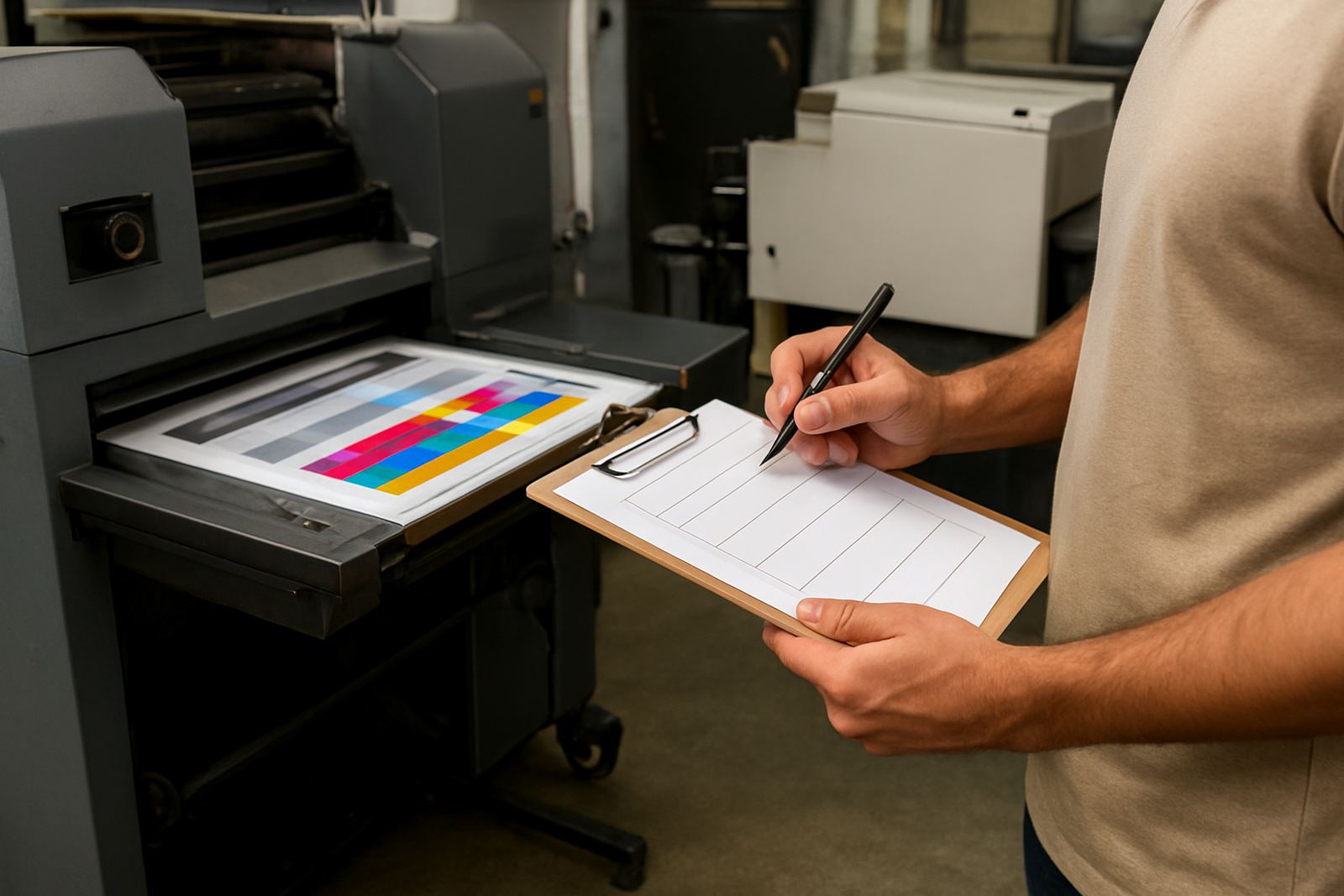
The finish cannot be separated from the adhesive and the printer setup. A gloss face stock with the wrong adhesive may still fail on a curved bottle or dusty carton. Likewise a matte or synthetic stock may print well but behave badly if the head temperature, speed or media profile is not right. That is why many print shops test a sample before committing to a full roll.
For short-run colour work, especially where the same printer also handles different label widths, it helps to think about the full production chain. If the label must survive hand application, a slow cure time or movement through the finishing stage, choose a stock that feeds cleanly and cuts well. If it is going onto small jars or sachets, check corner lift after 24 hours. One small issue now can become a bigger one on the packing table later.
- Check compatibility with adhesive and surface type
- Test feed, cut and print quality before bulk production
- Allow for handling, curing and storage time
- Review label performance after 24 hours and again after a week
A practical Midrand example from short-run label work
A Midrand converter supplying a local food distributor might run three different finishes in the same week. Gloss could be used for a juice range aimed at retail shelves, matte for nutrition-heavy labels that need to stay easy to read, and synthetic stock for cold-room packs that move from storage to delivery. The right answer is not always one finish for everything. It depends on shelf life, product handling and how much moisture the label will face.
That same shop may also need to plan around power cuts and tight dispatch windows. If a job is delayed by load-shedding, stock that is more tolerant of storage conditions is often worth the extra Rand. South African print teams know that re-running a job because labels lifted in transit costs more than choosing the right material first. A neat finish is good, but a finish that survives the real world is better.
How to choose the right finish for your next run
Start with the product, then work backwards. Ask where the label will live, who will touch it and whether it will face heat, moisture or cleaning. After that, decide whether appearance or durability is the main priority. If the client wants shelf appeal, gloss may be the answer. If the label carries detailed information, matte may suit better. If the product is chilled, washed or handled hard, synthetic stock should be in the conversation from the start.
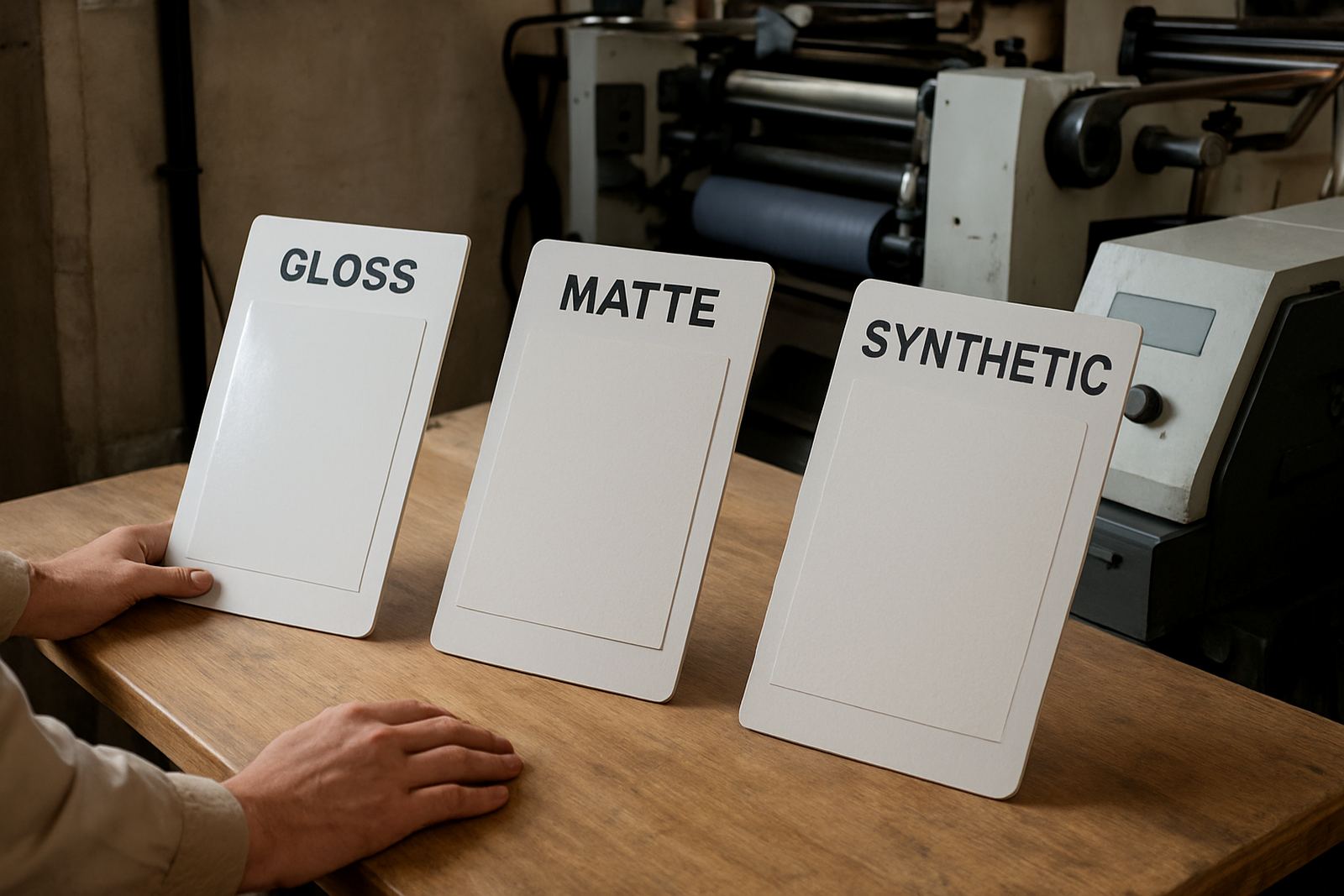
It also helps to keep samples of each finish on hand so your team can compare them under the same light. That makes it easier to explain the difference to a customer in one meeting rather than after a failed run. In label work, small material choices can shape the whole result, and the right stock finish makes production easier from the first print to the final packout.