What overlamination actually does for labels and decals
Overlamination is a clear protective layer added over a printed label or decal after printing. It can be gloss, matt, or textured, and its job is simple: protect the print from abrasion, scuffing, moisture, cleaning chemicals, and daily handling. On jobs that are picked up often, stuck onto products that get wiped down, or exposed to sun and dust, that top layer can make a noticeable difference.
For garment care labels, equipment warning decals, bottle labels, and short-run promotional stickers, the value is not just cosmetic. It helps keep barcodes readable, colours from dulling too quickly, and edges from lifting when the material is handled in stores, workshops, or distribution points. In Johannesburg and along the coast, where dust and humidity are part of normal life, that extra protection often becomes a practical decision rather than a luxury.
Jobs where lamination usually pays for itself
The best way to decide is to look at how the label will be used. If it only sits on a carton in a dry storeroom for a few days, you may not need it. If it will face frequent handling, cleaning, condensation, sunlight, or rubbing against other surfaces, lamination often makes sense.
- Product labels that are touched daily in retail or warehouse settings
- Decals on machinery, toolboxes, fridges, and panels that get wiped down
- Outdoor stickers exposed to UV, rain, and dust
- Barcode and serial number labels that must stay readable
- Labels used on bottles, coolers, or cold rooms where moisture is present
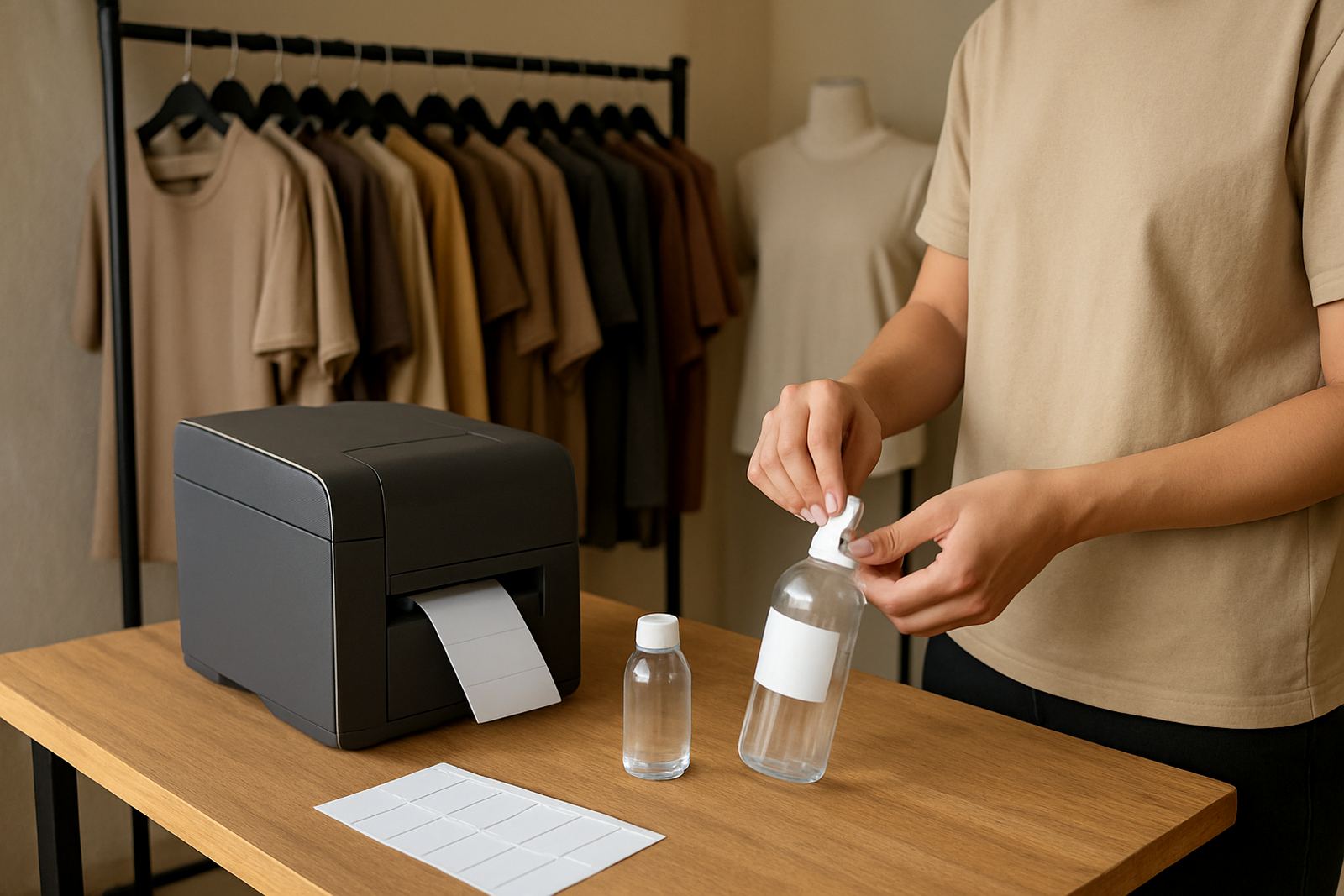
A Midrand print shop supplying a food processor in Pretoria may print only 300 to 500 labels at a time, but if those labels sit in chilled storage and get handled by staff throughout the day, a clear laminate can reduce peeling and make the job last better. The cost per unit is usually small compared with reprinting and replacing spoiled stock.
When lamination is not worth the extra step
Not every job benefits from a top layer. Some short-run labels are meant for temporary use, such as internal batch stickers, carton identification, or event decals that will be removed after a few days. In those cases, lamination can add cost and time without giving enough return.
It can also be unnecessary when the base media already has a suitable face stock and the print area is protected by the product packaging itself. If the label will stay indoors, away from oils, solvents, and direct handling, a well chosen material may be enough on its own. That is where consumable planning matters. Matching the print method, media, and final use avoids over-engineering the job.
- Short-term internal labels
- Low-touch packaging labels
- Jobs where speed matters more than durability
- Trials or sample runs where a final finish is still being tested
Signs your label needs protection
There are a few practical signs that overlamination should be part of the print process. If your clients keep asking for reprints because the surface scratches easily, or if the finish looks tired after only a few days, that is a clear clue. The same applies when labels are applied to curved bottles, rough surfaces, or products that go through transport and manual packing.
Another common sign is failure at the edges. On decals, corners can lift when the adhesive bond is challenged by heat, humidity, or repeated wiping. A laminate can help the printed layer hold together, especially on designs with solid colour blocks or fine text. It is also useful where a job needs a cleaner professional appearance, because the top layer can even out the look and protect against fingerprints.
For businesses in coastal areas like Durban or Gqeberha, humidity can be a bigger issue than many owners expect. Even inland, load-shedding and warm storerooms can lead to stops and starts in production, and materials left open to air will pick up dust. A laminate does not solve every problem, but it gives the print a better chance of arriving in good condition.
Choosing the right finish for the job
Finish matters because it affects both appearance and use. Gloss tends to brighten colour and give a sharper commercial look. Matt can reduce glare and is easier to read under strong light. A textured finish may help when grip is important, though it is less common for standard labels. The choice should follow the application, not just the look on a sample.
- Gloss for bright colour work and retail presentation
- Matt for readable text, technical labels, and low glare
- Clear protective film for general durability without changing the printed look too much
- Specialty finishes where grip or a specific surface feel is needed
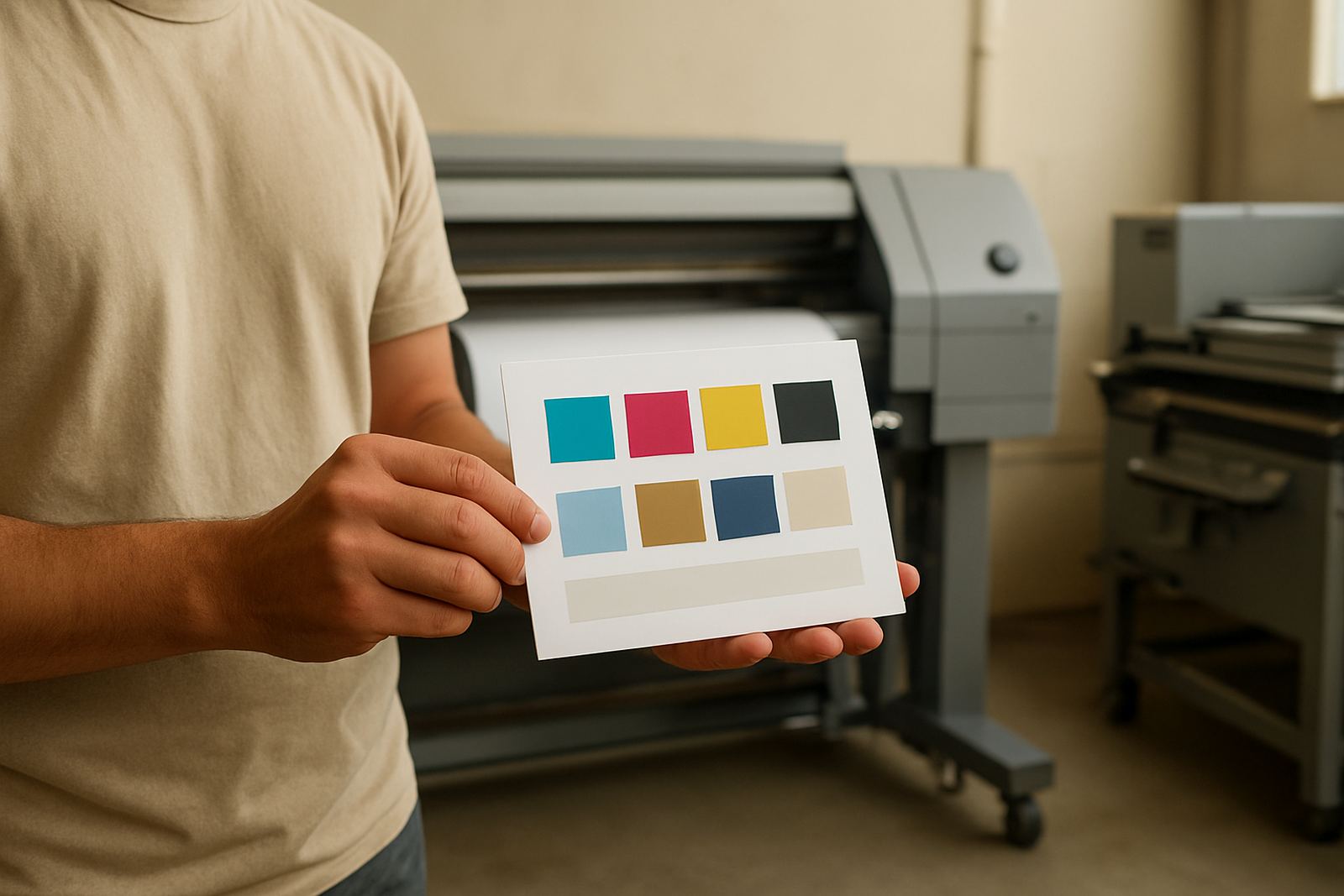
On label printing lines, the main thing is consistency. If the media, adhesive, and laminate are not matched properly, the label can curl, crack, or fail when cut. That is why colour calibration and media profiling matter just as much as the finishing step. A good print with a poor finish still lands as a poor product.
A practical Midrand example from short-run production
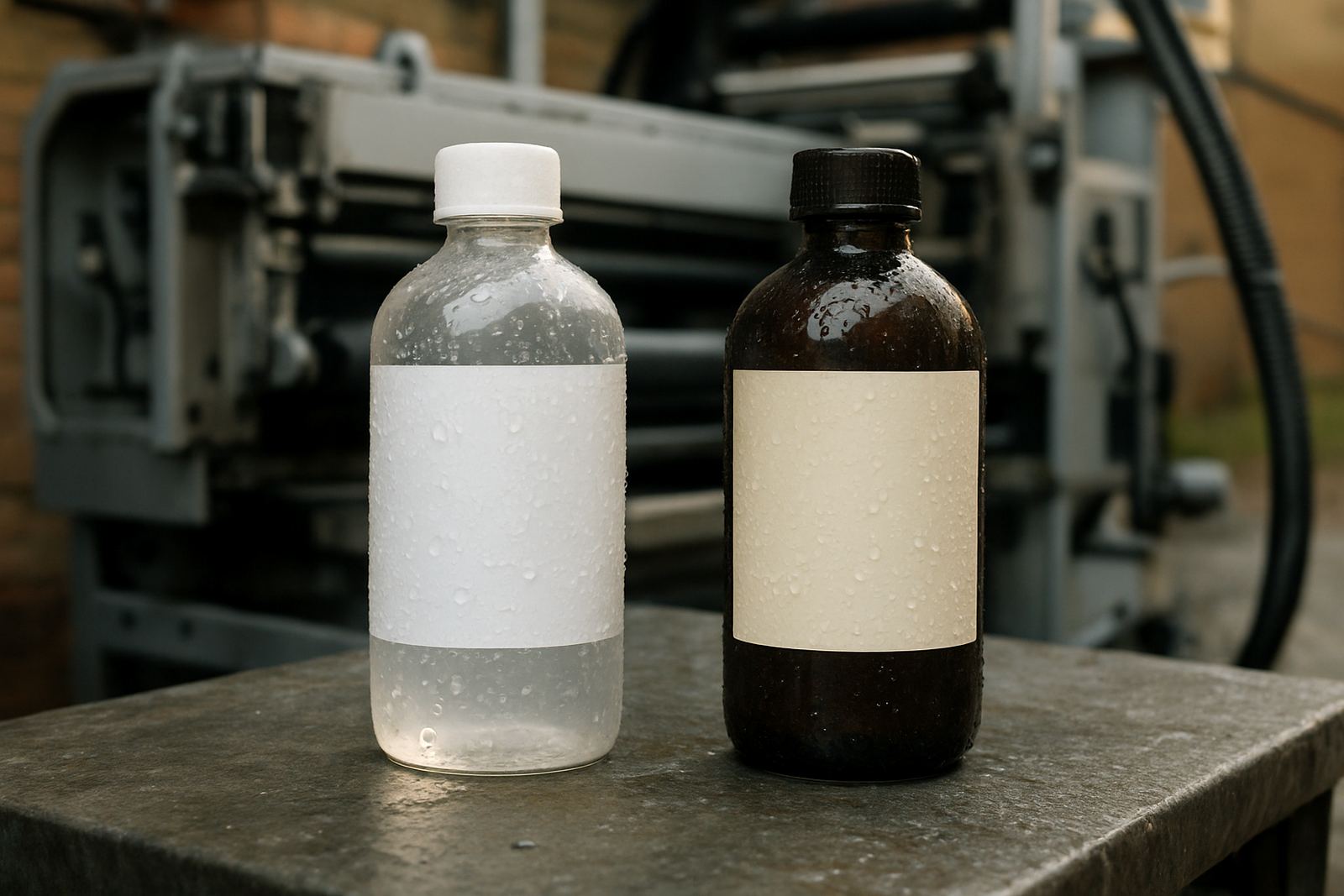
A useful example comes from a Midrand operation producing labels for a small beverage company that distributes across Gauteng and into Botswana. The labels looked fine on day one, but by the time cases had gone through packing, delivery, and shelf handling, some prints were showing rub marks. The stock was kept in a warm storeroom, and a few bottles had condensation on the outside when they moved into chilled display.
By adding overlamination to the higher value labels, the shop reduced scuffing and improved the shelf appearance. It also helped the client keep barcodes readable through handling. The result was not just better looking print, it was fewer complaints and less wasted stock. For short-run work, that kind of saving can be more important than shaving a few rand off each job.
For print shops serving Sandton, Pretoria, the East Rand, and neighbouring countries, the real question is not whether lamination is fancy. It is whether the job is likely to be touched, washed, exposed, or moved around enough to justify the extra layer. If yes, the payback is usually easy to see.
Keep the finishing line matched to the use case
Good finishing starts before the print leaves the machine. Operators need to know the final use, the surface the label will land on, and how long it must last. That affects everything from ink laydown to drying time to cut quality. Preventive maintenance also matters, because a lamination system that is not feeding straight can waste material very quickly.
When a label or decal is meant to survive real handling, overlamination is part of the production plan, not an afterthought. The best shops treat it that way and quote accordingly. That keeps the customer honest, keeps the print stable, and avoids the false economy of saving a few cents only to lose a full run later.
- Ask how the label will be stored, handled, and cleaned
- Check whether UV, moisture, or abrasion is part of normal use
- Match laminate finish to readability and appearance
- Test a small run before committing to volume