

Expanding Into Labels
Home / Press Room / Expanding Into Labels

Press Room

Expanding Into Labels

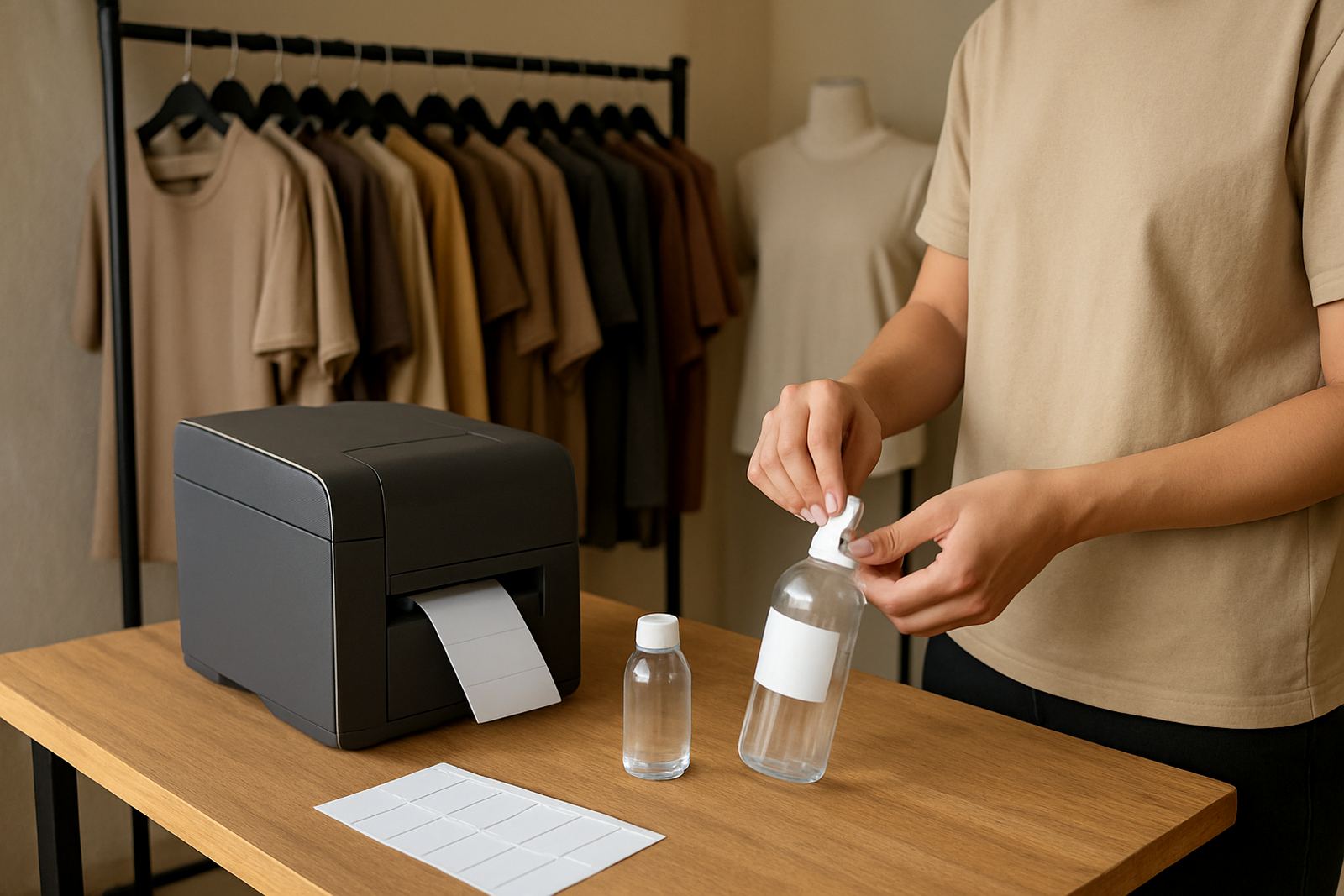
Apparel print shops do not need to chase bigger garment orders to grow. Adding label work can turn the same colour knowledge, finishing skills and short-run mindset into a steadier second income stream.

Why Labels Fit an Apparel Shop So Well

If your shop already handles heat transfers, garment decoration or short-run colour work, labels are a natural next step. Customers who buy printed T shirts, hoodies or workwear often need neck labels, size labels, care labels or swing tags at the same time, and they prefer one supplier who can keep the whole job together.

Labels also suit the South African market because many clothing buyers want lower quantities. School wear resellers in Pretoria, boutique brands in Sandton and corporate clothing agents in Midrand all place smaller repeat orders instead of one huge run. That gives you more chances to quote, reprint and keep a customer in the fold, rather than waiting for the next big season.

The best part is that label work does not depend on garment production schedules alone. A client can place a 500 piece label order for a new range, then come back later for 2 000 more once the line starts moving. That kind of repeat business helps smooth out slow months, especially when load-shedding or imported fabric delays push other jobs around.

What Equipment You Actually Need to Start

You do not need a factory floor to begin. A practical label setup can sit alongside a small print room if the workflow is planned properly. The right machine choice depends on whether you want textile labels, paper swing tags or synthetic labels for indoor and outdoor use.

For most apparel-focused shops, the starting kit usually includes a digital printer suited to short runs, a transfer or finishing machine for heat-applied items, toners or inks matched to the media, and cutting or slitting tools for accurate finishing. If you are producing labels for clothing, media choice matters just as much as the print quality. A label that curls, fades or frays will cost you repeat orders.

  • Choose media that suits the end use, such as wash resistance for garment labels and tear resistance for swing tags.
  • Check whether your printer can handle the label size you need, including narrow strips and smaller repeats.
  • Keep spare consumables on hand so one delayed delivery does not stop production for three days.
  • Ask about profiling and calibration so your blacks stay black and your small text remains readable.

In a Midrand workshop, for example, a shop can run garment transfers in the morning and switch to label production in the afternoon. That sort of mixed workflow makes better use of floor space and staff, and it is easier to manage when the team understands both colour and finishing.

The Labels Customers Ask For Most

Once you begin quoting, the same few label types come up again and again. Apparel customers usually want practical items that keep production moving and help the garment present properly on the shelf or hanger.

  • Woven or printed neck labels for brand identity and size information.
  • Care labels with wash instructions and fibre content.
  • Size stickers for folding, packing and retail sorting.
  • Swing tags for pricing, barcode space and brand messaging.
  • Temporary production labels for bundles, bins and dispatch.

It helps to explain to customers that each label serves a different purpose. A care label needs to survive washing and steam, while a swing tag only needs to look good and hold its shape until sale. If you quote the wrong stock, the customer may think the print has failed when really the material was never right for the job.

Short-run label work also opens the door to seasonal orders. Winter fleece ranges, school uniforms and promotional sportswear all need fast turnaround. Many shops find that the same customer who orders 300 printed hoodies will need 300 care labels and 300 size stickers not long after, so there is value in quoting the bundle properly from the start.

How to Price Label Work Without Undercutting Yourself

Label pricing often goes wrong because shops price only the print and forget the rest of the process. Cutting, finishing, setup time, file checking and wasted media all need to be built into the quote. If you leave those out, label work can look busy but still drain margin.

A sensible approach is to separate your pricing into three parts: preparation, production and finishing. Preparation covers artwork changes and proofing. Production covers the run itself, including ink or toner usage. Finishing covers cutting, sorting, packing and any special handling. When a client asks for 1 000 labels in five variations, that sorting time can matter more than the print itself.

South African customers are usually practical if you explain why a label with wash resistance and accurate registration costs more than a simple sticker. They want to know what they are paying for, not a fancy explanation. If you quote clearly and keep your lead times honest, you will avoid a lot of phone calls later.

  • Set a minimum charge for very small label orders.
  • Charge separately for rush work, artwork fixes and repeated proofs.
  • Factor in media wastage on narrow rolls or small sheets.
  • Review pricing every few months as consumable costs shift.

One missing line item can wipe out profit on a whole batch, so keep your quote structure simple and consistent.

Keeping Colour and Registration Consistent on Repeats

Labels are unforgiving when it comes to accuracy. Small text, tight borders and repeated colours show any problem quickly. That is why calibration, profiling and printhead care matter just as much in label production as they do in garment transfers.

If you are printing repeat orders for a client in East Rand or Pretoria, the new batch should match the first one closely. A customer will notice if the blue shifts, the barcode gets soft or the type moves slightly off centre. It only takes a small drift to turn a useful label into waste.

Preventive maintenance helps a lot here. Clean the machine on schedule, check feeding paths and do not wait for a fault before you replace worn parts. In coastal areas outside Gauteng, humidity can change the way media feeds and dries, while in dry inland conditions static can cause alignment issues. The machine should be set up for the environment it works in, not just the brochure spec.

Remote support can also save a day of production when a customer is in another province or across the border. Sometimes the fix is a feed adjustment or a profile check, not a full breakdown repair. That means the job stays moving and the client keeps faith in your shop.

A Midrand Example: Turning One Apparel Client Into Three Revenue Lines

Take a small clothing printer in Midrand supplying a local workwear reseller. The business started with garment transfers only. After a few months, the reseller asked for neck labels, then size stickers for folding, and finally swing tags for a new corporate range. None of those jobs were huge on their own, but together they became a useful monthly account.

That is the real value of labels. You are not trying to replace garment printing. You are adding another line that uses the same relationships, the same attention to colour, and much of the same equipment discipline. The client prefers dealing with one supplier who understands their print room instead of sending artwork to three different places and chasing three different delivery dates.

For shops around Johannesburg, the operational benefit is just as important as the sales benefit. A label order can keep staff busy when garment demand is quiet, and it can help you use spare machine time more efficiently. If your team already knows how to manage short runs, proof files and customer changes, labels can fit into the business with less disruption than most owners expect.

It is not a magic fix, but it is a sensible way to grow. Start with one or two label types, keep the workflow tight, and build from repeat orders. That is usually how a side service becomes a dependable part of the business.

Questions we get asked

What labels are easiest for an apparel shop to start with?

Care labels, size stickers and swing tags are usually the easiest entry point because they are short-run, repeatable and simple to quote once your media is sorted.

Do I need a separate machine for label work?

Not always. Many shops can start with the right digital printer, finishing tools and consumables, then expand as demand grows and the label mix becomes clearer.

How do I keep repeat label orders consistent?

Use proper colour calibration, save approved settings, keep media profiles organised and do regular maintenance so the next batch matches the first one.

Planning something? Email the team.

hello@cmykindustries.co.za