Why event jobs feel simple until the clock starts
Event printing looks straightforward on paper. A client needs 120 shirts for a golf day, 300 tees for a conference, or labels for a launch next week, and they want the order moved quickly. The pressure usually starts when artwork arrives late, sizes change after approval, or the print run must fit between other shop work. In Johannesburg and surrounding areas, those rush jobs often land on the same days as load-shedding, courier delays, and last minute collection changes.
The shops that handle this well do not rely on luck. They separate event work from general production, keep a clean intake process, and know exactly which machine, transfer media, toner, and finishing steps can handle repeat short runs. That discipline matters because event work is often colour sensitive, and there is little room for a reprint when the function starts at 08:00 the next morning.
- Confirm garment type, quantity, sizes, and delivery time before the job is booked.
- Check whether the artwork is for cotton, polyester, or mixed fabric.
- Set a clear sign off point for artwork, samples, and payment terms.
Build a rush workflow before the order lands
A good turnaround system starts with standardisation. Keep a dedicated intake checklist for every event order so your team asks the same questions each time. That includes print area, garment colour, preferred finish, and whether the client needs individual names or multiple artwork versions. When those details are captured early, the machine room can plan the job instead of guessing.
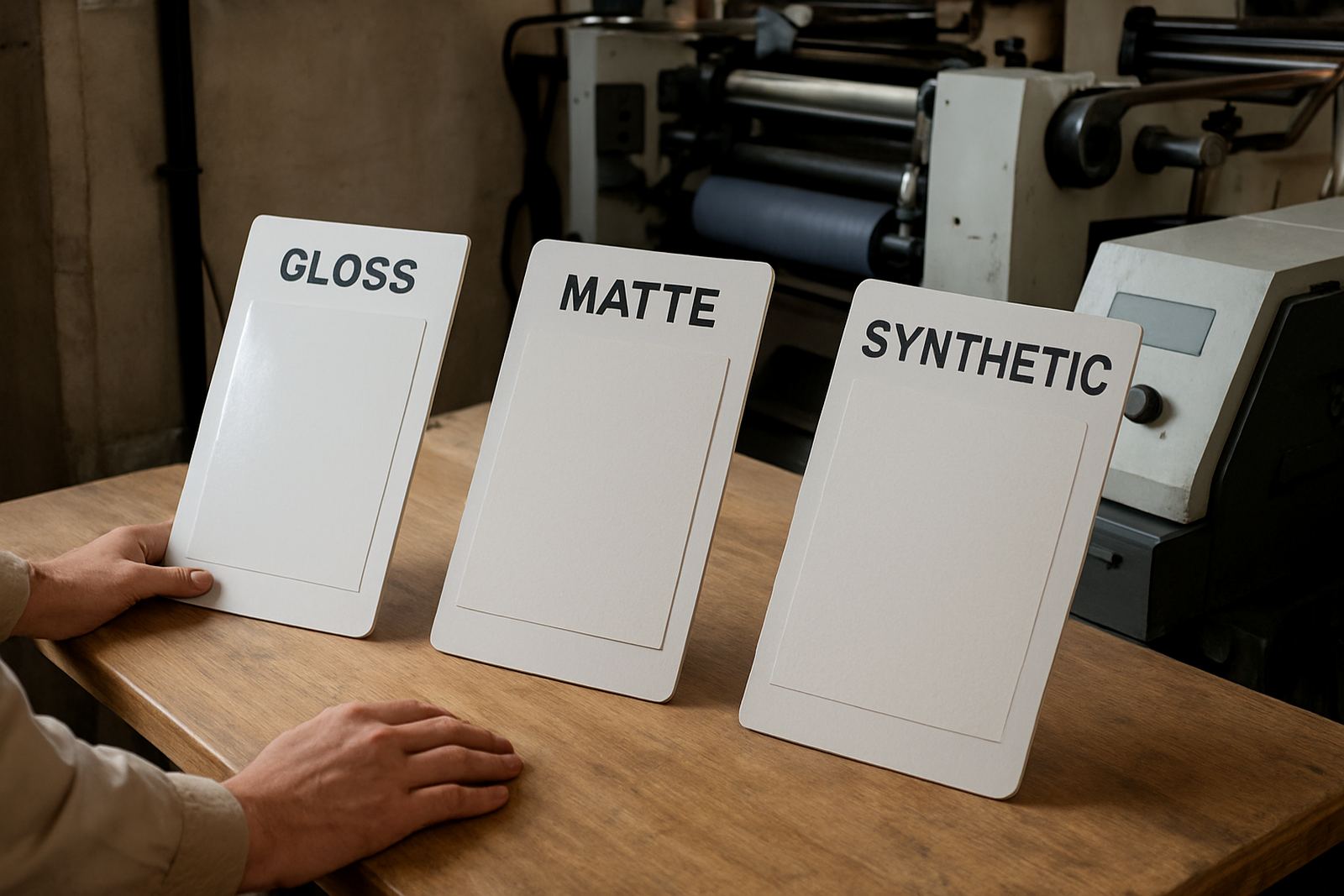
In practice, this means keeping your consumables ready in a planned manner. If you know Monday mornings are used for conference work and Friday afternoons for sports club orders, your toner stock, transfer media, and label materials should be checked in advance. Shops in Midrand, Sandton, Pretoria, and the East Rand often work across different delivery zones, so simple scheduling can save hours. One missed courier slot can throw out a whole production plan, especially if the client wants same day dispatch to a venue in Bloemfontein or Gaborone.
- Group similar jobs together by fabric type or colour mode.
- Set cutoff times for artwork approval and payments.
- Keep a backup supply of the fastest moving consumables.
Colour control matters more when time is short
Short notice work exposes colour problems quickly. A shirt run that looks fine on a screen can shift badly once transferred onto dark cotton or a textured label stock. If your colour calibration is off, you may only notice after ten garments are already printed. That is expensive and it slows the rest of the day.
The better approach is to check profiles, media settings, and printhead condition before every rush slot. For garment decoration, even a slight change in humidity can alter drying behaviour and transfer consistency, especially in coastal deliveries or during wet weather. In Gauteng the air is often dry, but summer storms and winter power interruptions still affect production. A stable setup, with regular test strips and media profiling, gives you a better chance of holding colour across the whole batch.
For label work, the same idea applies. Small text, barcodes, and fine colour blocks need predictable output, not just speed. If the client wants products to move through retail or event registration systems, scan quality is as important as appearance.
Use the right machine for the job size
Not every rush order should go through the same production route. A 30 shirt launch run may suit a different process than 800 promotional tees for a sports event. The decision should be based on turnaround time, fabric type, artwork complexity, and how much manual handling the job needs. If a machine needs too many pauses for setup or alignment, it can cost more time than it saves.
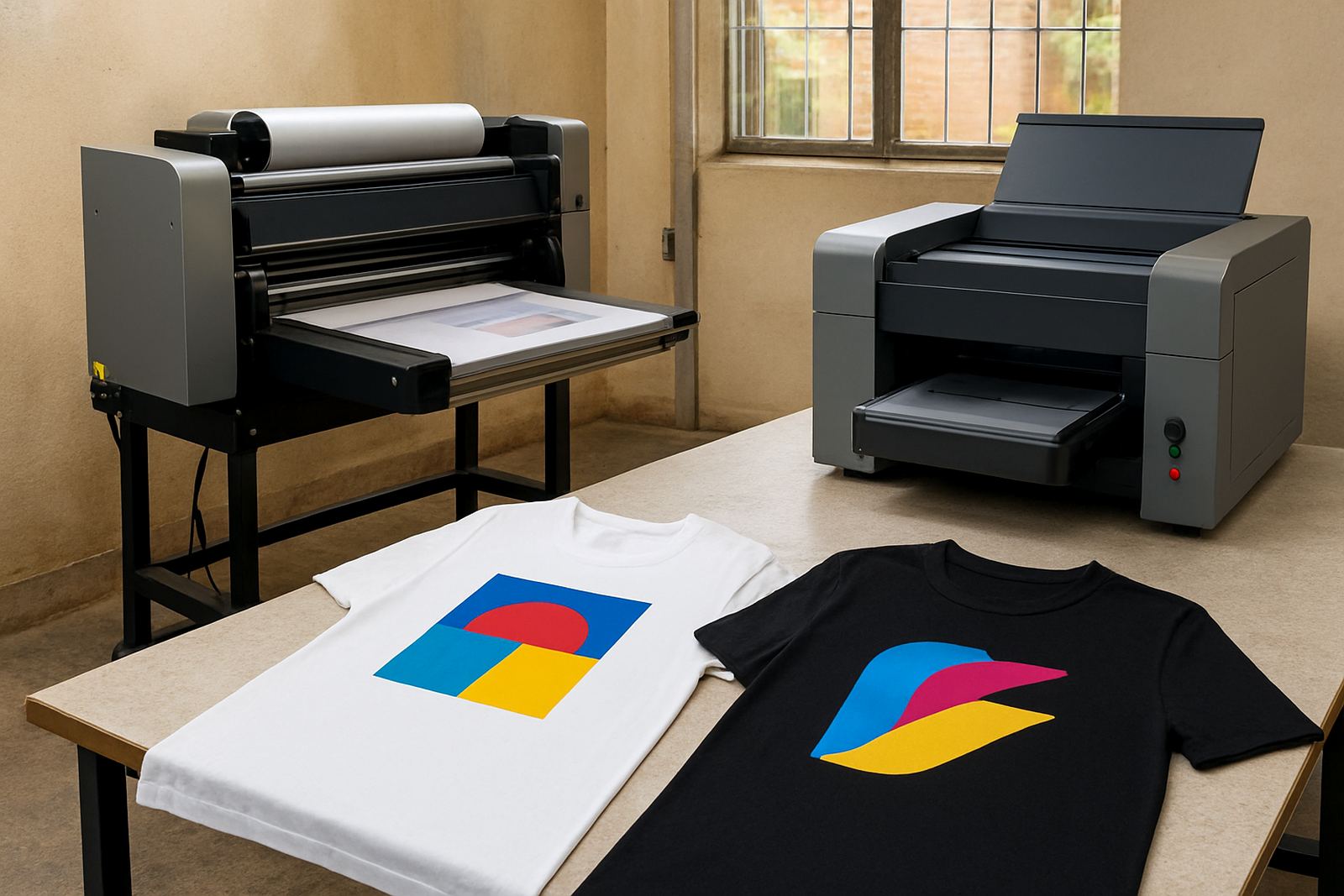
Specialised digital printers and transfer machinery are useful because they let a shop handle short-run colour work without setting up long traditional production cycles. That is ideal for event deadlines where flexibility matters more than long-run economies. But the machine must be installed properly, maintained regularly, and matched to the media being used. A strong print engine will still struggle if the feed path is dirty, the consumables are mismatched, or the operator is not sure how to recover after a stop.
- Match the machine to the job size and fabric type.
- Keep a backup plan for power interruptions and operator changes.
- Schedule preventative maintenance before peak event season.
Training and handover reduce expensive mistakes
Rush work often fails at the operator level, not the machine level. A team member may know how to start a print but not how to check registration, catch early nozzle issues, or pause a job safely during a fault. That is why operator training pays off quickly in an event print environment. When people know the process, they can work faster without cutting corners.
Training should cover more than button presses. Staff need to know how to plan media usage, read job sheets, handle printhead care, and recognise the signs of a developing breakdown. In a busy shop, the person doing intake should also understand what production needs from the job ticket. That reduces back-and-forth, and it keeps client promises grounded in what the factory can actually deliver.
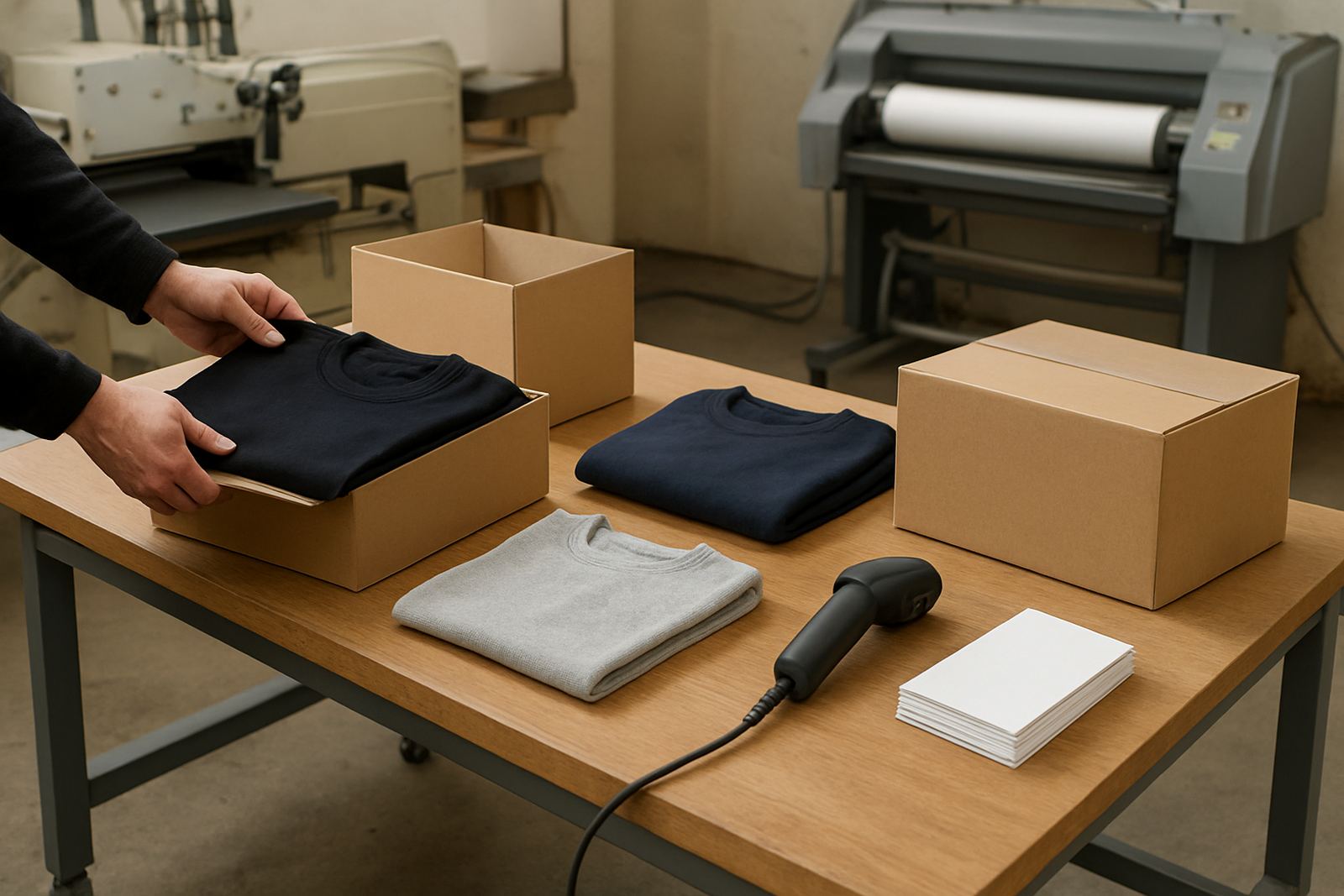
It also helps to have one person responsible for workflow advice and another person watching the packing and dispatch side. When those roles are clear, the job moves with less confusion, and there is less chance of a completed order sitting on a table after the courier has already left.
A Midrand rush job example that shows the pressure points
A typical local example would be a Midrand print shop receiving a Thursday afternoon order for 180 staff T-shirts for a Saturday corporate event in Sandton. The artwork includes one logo on the chest and a two-colour back print, with five size splits and one late name change after approval. The client wants collection by Friday at 15:00 because the venue team needs the boxes that evening.
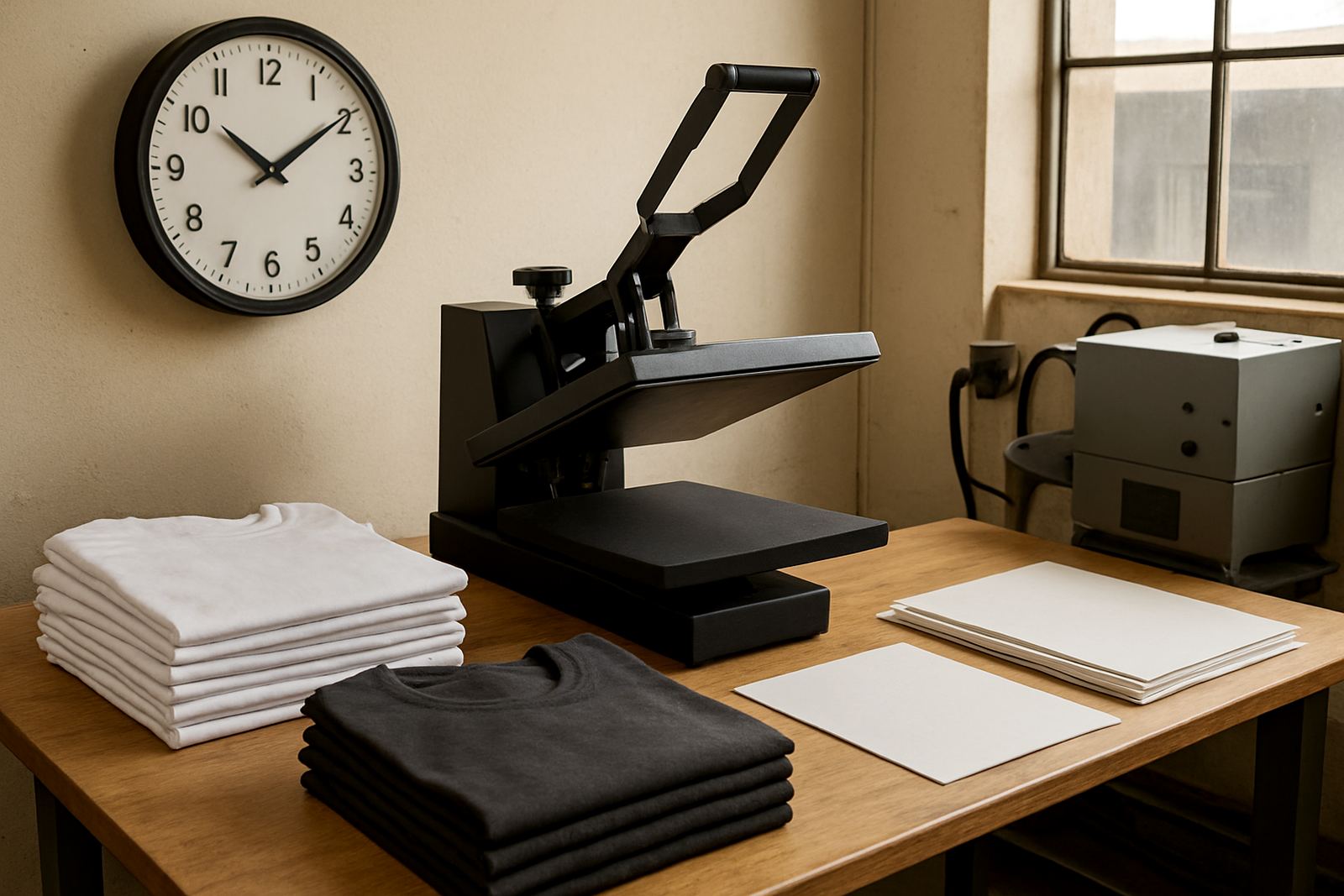
To make that job work, the shop needs immediate intake, a clean artwork sign off, and a production plan that ignores distractions. The operator checks the transfer media, confirms colour calibration, prints a sample, and moves the job into batches. While the first set cures or finishes, another team member prepares the packing list and counts the sizes. If a consumable runs low, the stock must already be planned so the job does not stop halfway through. The difference between on time and late is often only one or two small decisions made before printing starts.
That same logic applies to neighbouring markets too. Event work moving from Midrand into Pretoria, the West Rand, or across the border needs clear dispatch timing and reliable communication. If a customer is collecting from the shop or sending a driver, the finished order should be ready in a packed, counted state, not still waiting for a final check.
Treat turnaround speed as a system, not a scramble
Fast event printing is not about rushing the press harder. It is about protecting every step around the press so there is less rework, fewer surprises, and better timing. Shops that do this well use preventative maintenance, stock planning, colour discipline, and practical communication to keep jobs moving. That is the difference between a busy week and a controlled one.
For print shops handling short-run apparel and labels across South Africa and neighbouring countries, the aim should be simple: accept the work you can truly deliver, then build a process that lets you deliver it cleanly. When the workflow is solid, rush jobs become manageable instead of chaotic. And that is what keeps clients coming back for the next event, not just the current one.
What to check before accepting the rush order
- Do you have the correct media and consumables in stock today?
- Can the artwork be approved early enough for production and curing?
- Is the delivery or collection plan realistic for the event time?
- Do you have a trained operator available for the full run?
- Will load-shedding or maintenance windows affect the schedule?
If the answer to any of these is no, it is better to reset expectations at the start. That protects quality and avoids a half finished order at closing time.