Why On-Demand Jobs Need a Different Production Path
On-demand work is not just smaller volume. It changes the whole rhythm of production because every order can be a different size, a different colour way, and often a different delivery promise. A shop in Midrand might print 12 branded tees for a Sandton launch in the morning, then switch to a single label sample for a client in Gqeberha by lunch. That means your workflow has to reduce set-up time, keep artwork accurate, and avoid rework on every job.
The mistake many print shops make is treating short runs like mini bulk runs. In practice, the cleanest on-demand flow starts before the print button is pressed. You need intake checks, artwork validation, media choice, and a clear route from order to packing. When those steps are defined, the operator spends less time guessing and more time producing.
- Separate one-off orders from repeat production jobs at intake.
- Confirm garment type, size range, colour and finish before art preparation.
- Set a target turnaround time for each product group.
Build the Order Intake Around the End Use
For ecommerce-linked garment printing, the order form should do half the sorting work for you. If a customer orders a white cotton tee, a black polycotton hoodie, or a size run for a pop-up event, the system must capture the print method and handling requirements early. That way, you are not discovering mid job that the artwork needs a white underbase or that a stretch fabric needs a different temperature window.
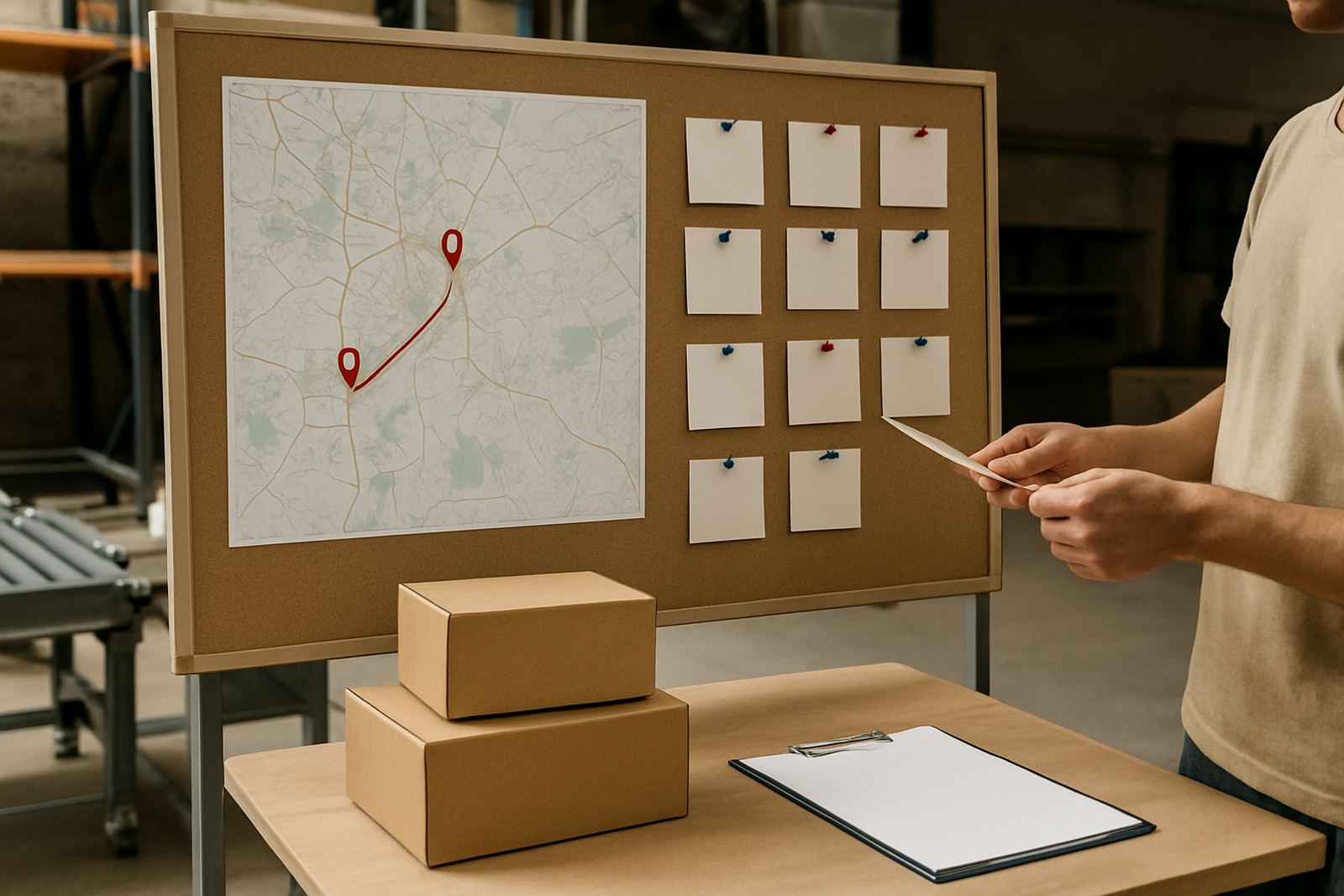
In South Africa, many shops run on mixed demand from online stores, resellers and local corporate buyers. The best intake process ties the sales order to the production ticket with the same reference, so there is no confusion when stock is moved from receiving to print and then to courier. If you are shipping into Namibia, Botswana or Zimbabwe, it also helps to capture country specific delivery details before production starts. One missing postcode can hold up the whole consignment.
- Use one order code from checkout to packing slip.
- Capture fabric type, garment colour, size mix and delivery area.
- Flag special handling for heat sensitive or coated materials.
Match the Machine to the Job, Not the Other Way Round
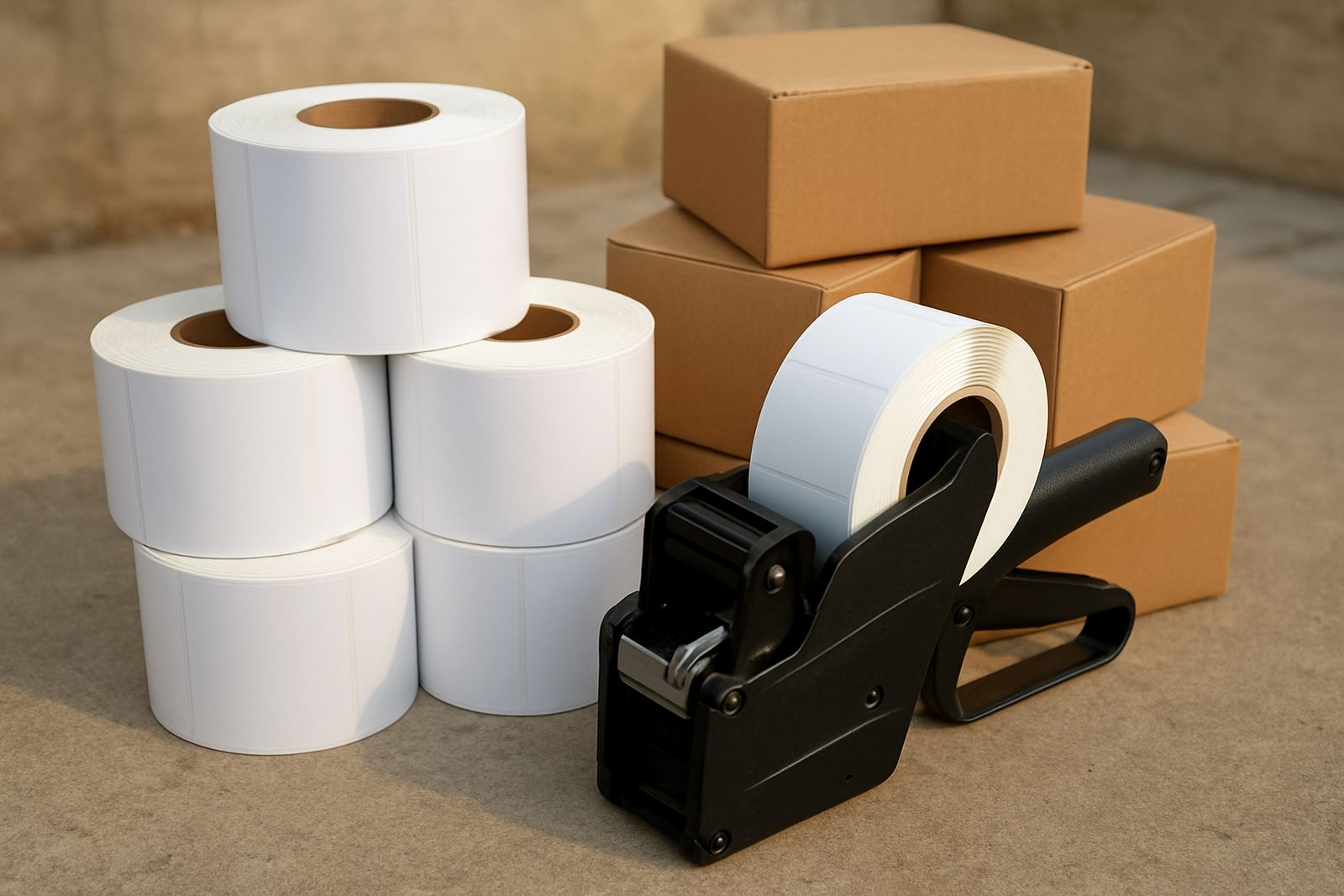
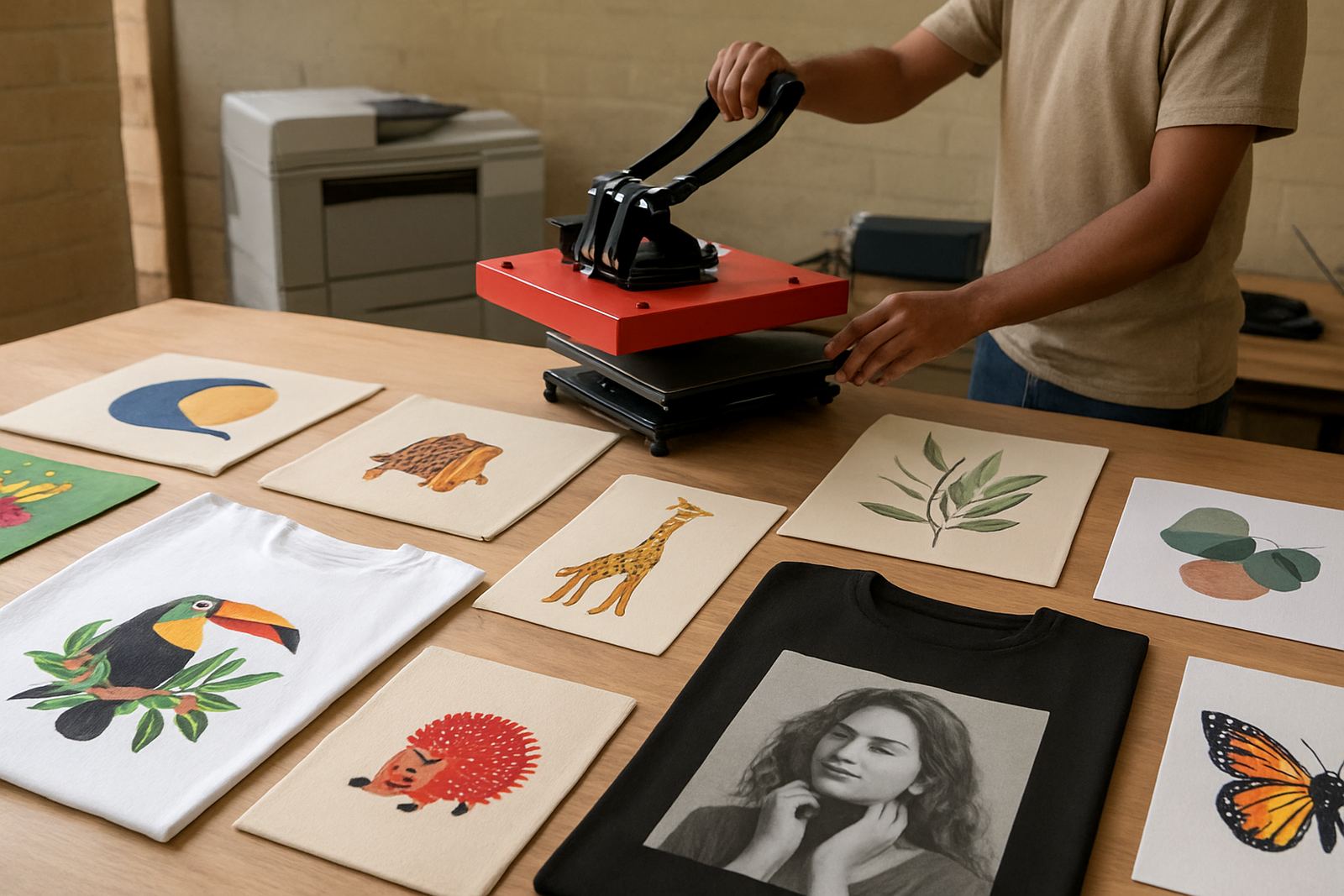
On-demand production works best when the machine set-up matches the job profile. Short run garment decoration often needs fast changeovers, predictable colour and media that can handle small quantities without waste. Label work may need finer detail, stronger adhesion or tighter registration. If your shop handles both, define which machine does what and keep the workflow simple.
A practical approach is to assign one production lane to garments and another to labels or tags. That avoids cross traffic during busy periods and helps with maintenance planning too. A printer that is used for colour label work every day will need different care from a machine that only sees transfer jobs on weekends. In our climate, dust, humidity and load-shedding can all affect output, so the workflow should include warm-up checks, nozzle checks and a power recovery routine. It’s a small thing but it saves real money.
- Keep dedicated queues for garment and label work.
- Do a quick test print before every new media batch.
- Plan for power interruptions with restart steps and job notes.
Use Colour Control to Cut Reprints
Short runs leave no room for colour drift. If a customer orders a single replacement hoodie for a staff member in Pretoria, the shade must match the original batch or the job is not finished. That is why colour calibration, media profiling and printhead care are not optional extras in on-demand work. They are part of the production system.
A consistent colour workflow starts with a known file standard, then moves through calibrated devices and media profiles that suit the actual substrate. If your supplier changes transfer media thickness or coating, the profile should be checked again. Shops that skip this often lose time chasing reds that print orange or blacks that look weak on dark fabric. During humid spells along the coast, media can also behave differently, so storage matters just as much as settings.
To keep quality steady, build these steps into the day:
- Run a colour reference before the first production order.
- Store consumables in sealed packaging away from heat and moisture.
- Clean the print path on a schedule, not only after a fault.
Make Ecommerce Orders Move Without Bottlenecks
When orders come from an online shop, the biggest risk is not printing, it is delay between systems. The ideal flow is simple: the order lands, the file is checked, the job is queued, production starts, then packing and dispatch happen under one reference number. If any of those steps sits in someone’s inbox, the queue slows down and customers start asking for updates.
Many smaller print businesses can improve speed by grouping jobs into daily windows. For example, all orders received before 10:00 can go into the morning production batch, with a second batch after lunch for reprints and urgent add ons. That gives the team a clear routine while still allowing for rush work. In Midrand, where couriers move between Johannesburg, Pretoria and the East Rand every day, that kind of cut-off system can mean same day despatch instead of next day carry-over.
- Set two or three daily production cut-off times.
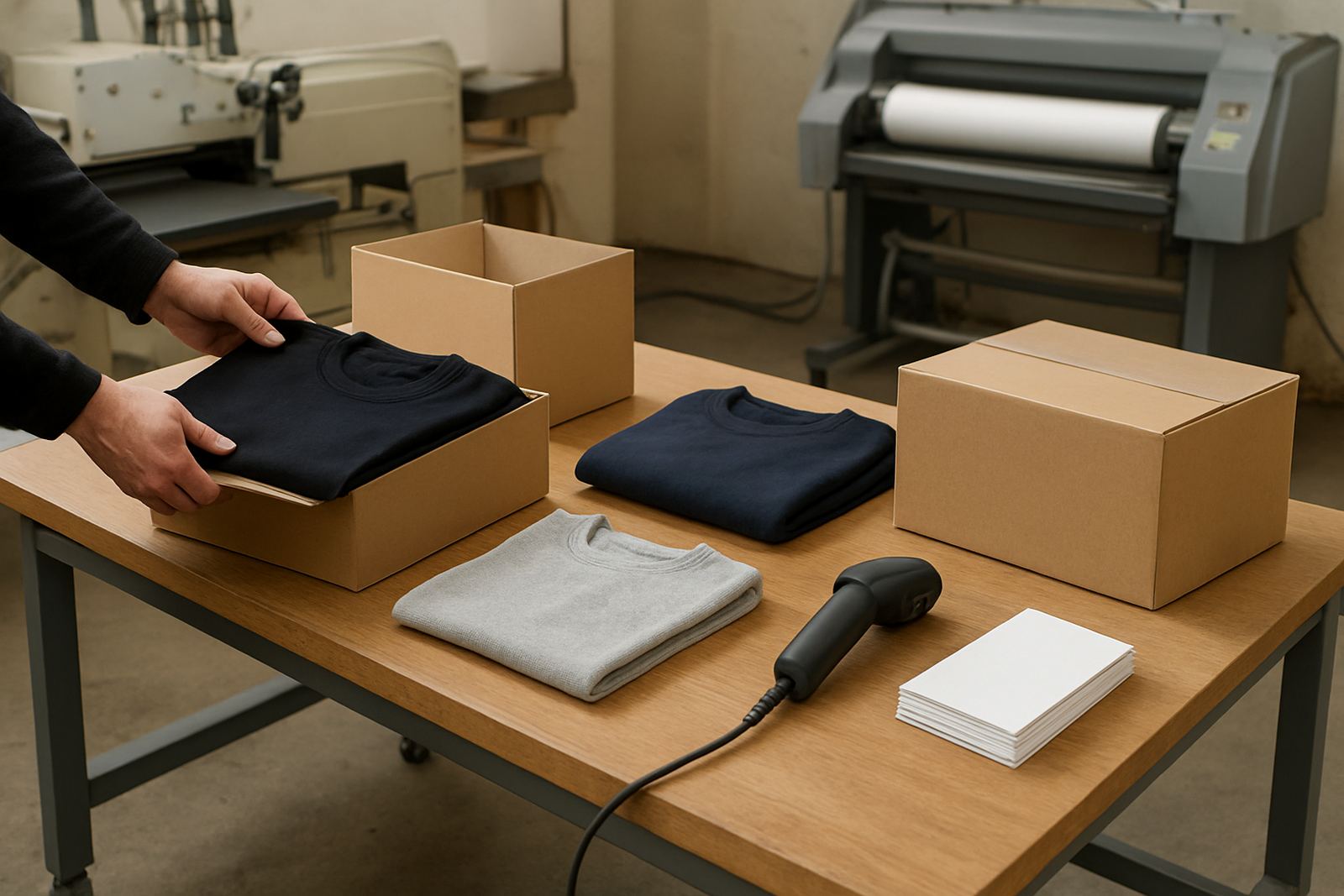
- Keep packing materials close to the finishing point.
- Use barcode or reference checks before dispatch.
Support the Flow with Training and Maintenance
A good on-demand workflow only holds if the team can run it under pressure. Operator training should cover basic setup, media loading, file checks, machine shutdown and what to do when a job fails halfway through. Technical support is just as important, especially when a production queue is tied to online sales and late deliveries cost you repeat business.
Preventive maintenance keeps small problems from turning into missed orders. Check rollers, printheads, feed paths and drying or curing systems before they slow the line. If a shop in Sandton or the West Rand starts seeing banding, poor adhesion or feeding issues, it is usually better to stop and correct the root cause than push through and print the same fault across ten orders. The best shops treat breakdown repairs and consumable planning as part of workflow, not as separate admin tasks. That small shift usually improves turnaround straight away.
For growing print businesses, the real aim is not more machines, it is cleaner movement from order to output. Once that flow is clear, one-off jobs become profitable work instead of interruptions. Then ecommerce orders can scale without turning the shop floor into a scramble.