Why a sample kit changes the sale
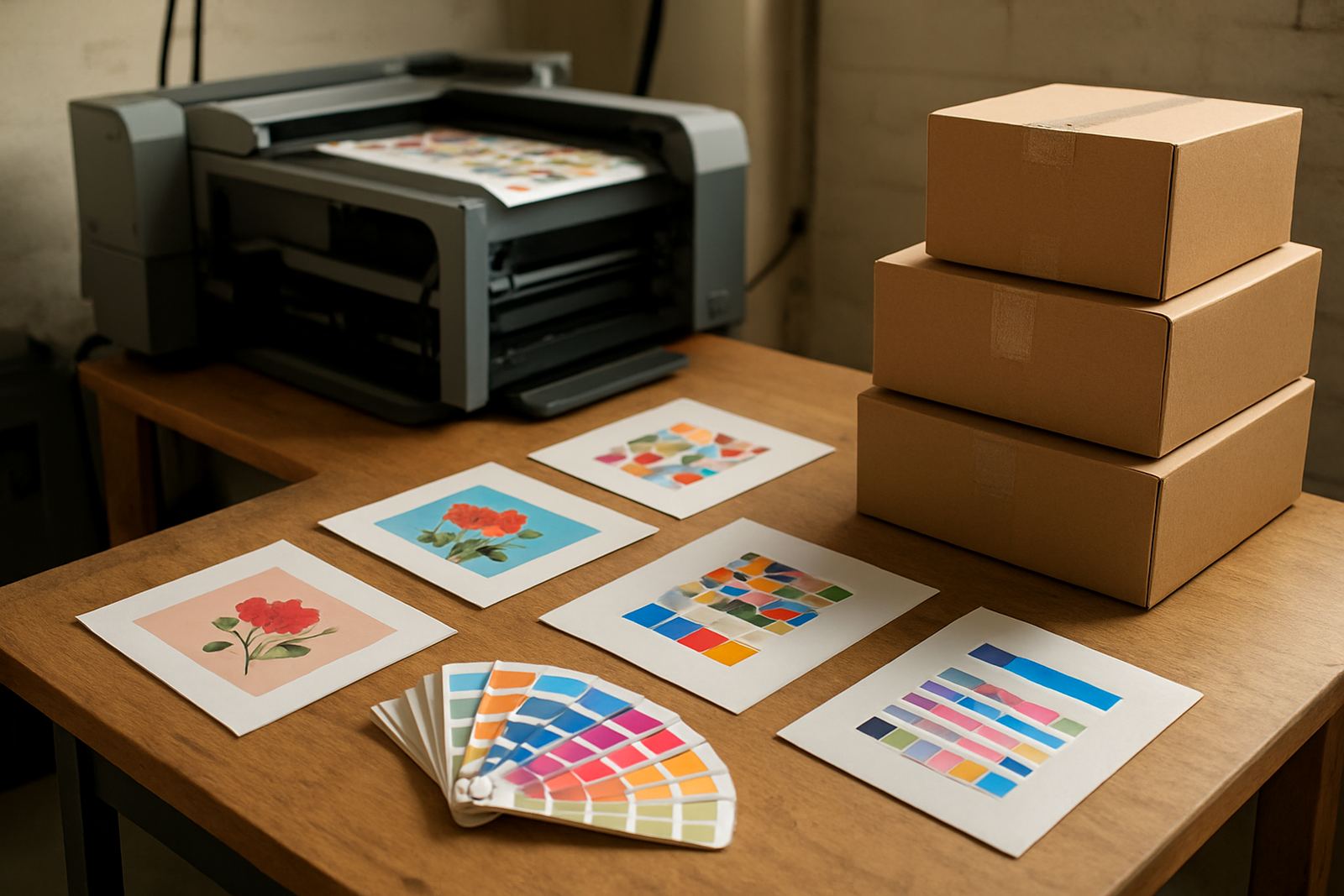
When a customer is deciding between standard and premium print, the conversation often comes down to trust. A screen image can show the artwork, but it cannot show ink density, fabric feel, edge sharpness or how a label holds up when folded, washed or rubbed.
A well prepared sample kit lets you show the difference between entry-level work and a more refined finish. In South Africa, where buyers are watching every Rand, this matters even more. If you can prove value with a physical sample, you make it easier for a clothing brand, school or promotional house to approve the higher margin option.
For print shops around Midrand, Sandton and Pretoria, sample kits are also useful because many customers want fast decisions. They do not always have time for long explanations. A small box of printed examples can do the talking in one meeting.
What belongs in a useful sample kit
The best kits are not crowded. They should be easy to carry, quick to explain, and matched to the work you want to win. For garment decoration and label printing, keep samples grouped by material, finish and application method.
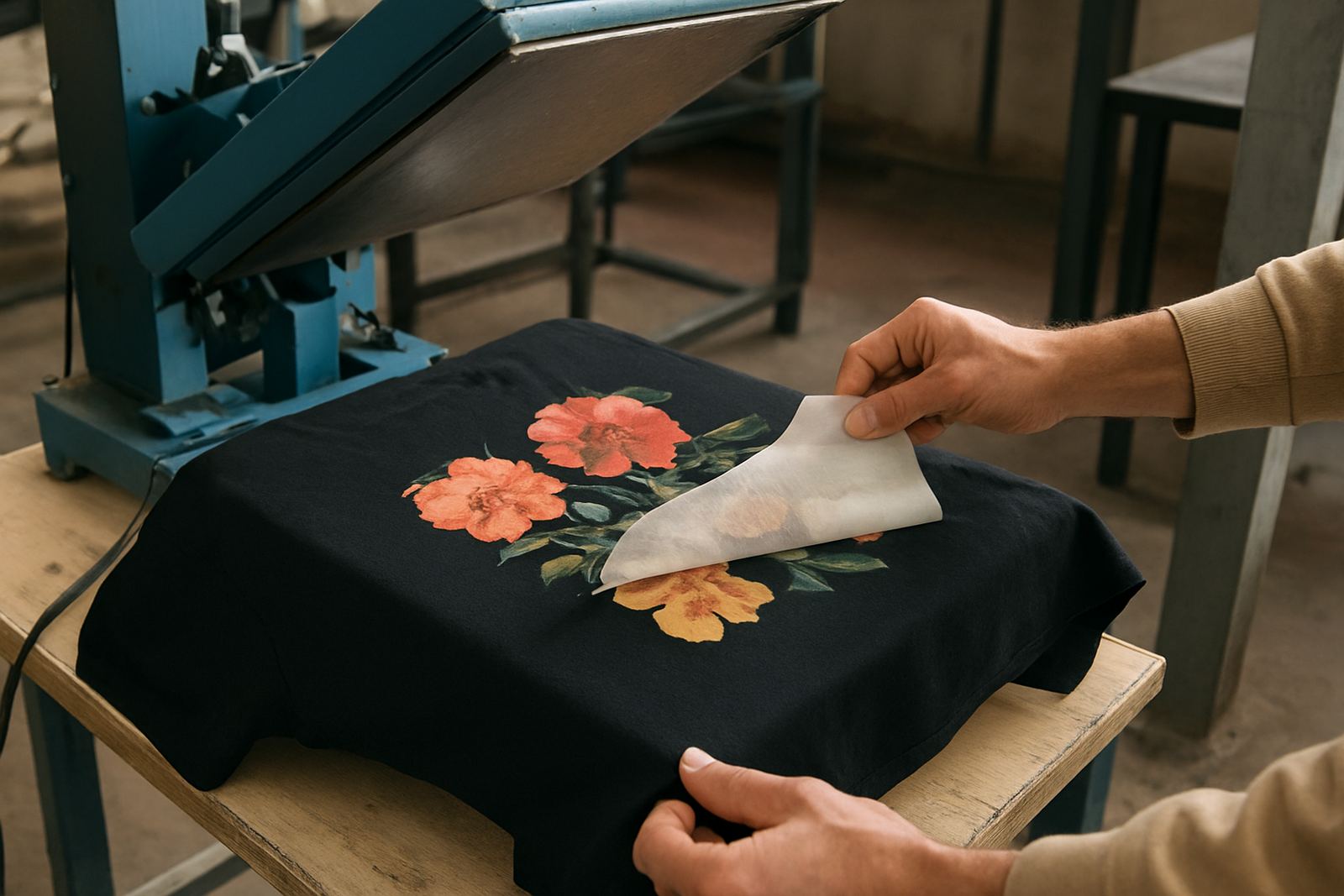
- Heat transfer examples on cotton, polyester and blends
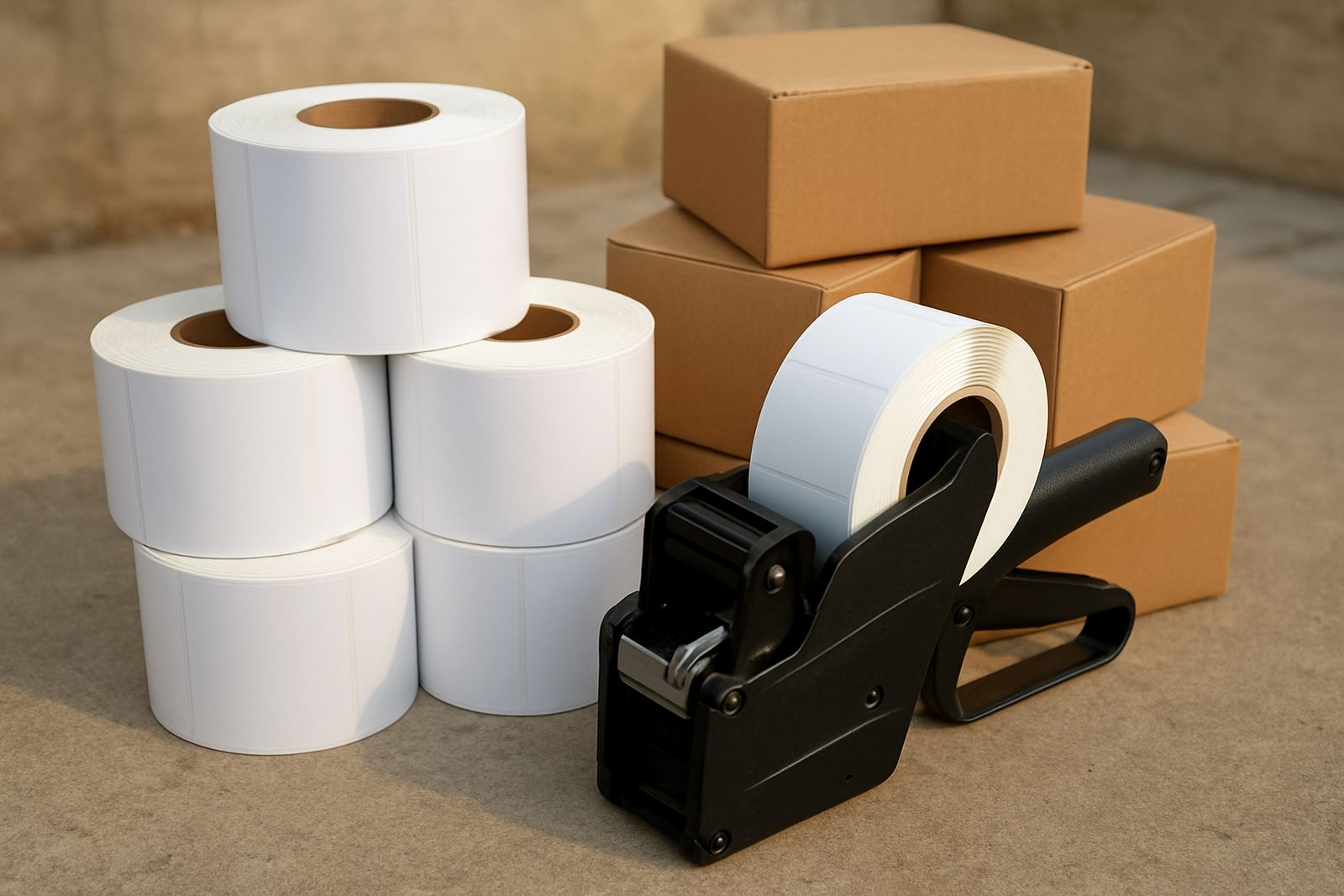
- Woven, printed and cut label samples
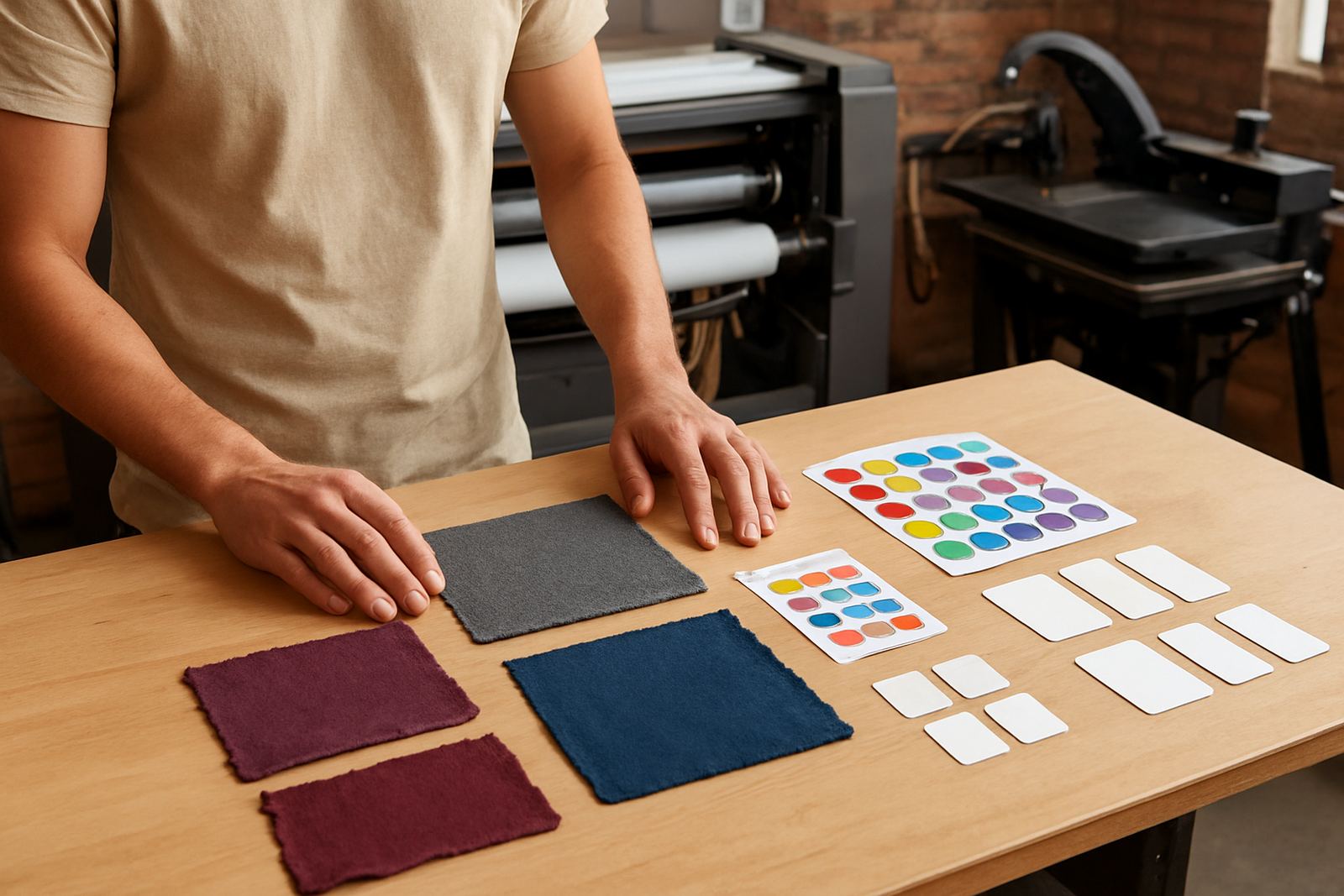
- Short-run colour samples with fine text and solid fills
- Before and after wash-test pieces
- Different media weights and surface finishes
- Small sample cards showing turnaround times and use cases
It also helps to include one or two samples that show problem solving. For example, a dark garment with light text, or a narrow label with tiny legal copy. These are the jobs that often separate a careful supplier from a basic one.
Keep samples honest, current and easy to compare
A sample kit loses value if the pieces are old, faded or no longer match the way you print today. If you change media, toner, transfer settings or finishing methods, update the kit. Customers notice when a sample looks cleaner than the work they receive later, and that can cost you repeat business.
Label every sample clearly. Add the substrate, process, date and any special notes. If a sample was printed on a particular garment weight or label stock, say so. That stops confusion and helps your sales team answer questions without guessing.
- Check colour every month under daylight and indoor light
- Replace scuffed or contaminated samples straight away
- Keep one master kit and smaller field kits for sales visits
- Store samples away from heat, dust and direct sun
In Gauteng, dust and dry air can build up quickly in a showroom or storeroom. On the coast, humidity can affect curl, adhesive performance and the look of some media. Your kit should reflect the real conditions your customers work in, not only ideal conditions.
Use samples to sell the right job, not just any job
A sample kit should not only impress, it should guide the customer toward the correct choice. A school order for name labels is not the same as a boutique brand run with fine detail and a premium finish. A promotional tee for a weekend event is not the same as a long-life workwear application.
When you present samples, explain the fit for purpose. That is where your technical knowledge becomes part of the sale. If a customer needs quick turnaround on 150 units, show them the sample that suits short-run production. If they need stronger wash resistance, show the version that was tested properly.
This approach also helps manage expectations. A buyer who understands the trade-off between speed, finish and durability is far less likely to complain later. They are choosing with their eyes open, which makes the order smoother for both sides.
A Midrand example: one sample box, more premium work
A print shop in Midrand servicing Johannesburg and Pretoria was losing label work to cheaper suppliers because buyers thought all short-run labels looked the same. The team put together a simple sample kit with six label types, two fabric swatches, and a small set of colour cards showing deep blacks, clean white text and bright spot colours.
They started taking the kit to client meetings in Sandton, Kempton Park and Centurion. Instead of talking only about price, they asked customers to handle the samples and compare the edges, the finish and the readability. The result was simple: more clients upgraded to the better label option because they could see the difference for themselves.
They also used the kit during operator training and sales handovers, so everyone in the business was explaining the same thing. That kept the message clear and cut down on errors when quoting new work.
- Show the sample before discussing price
- Keep a short explanation for each piece
- Use the same wording across sales and production
- Record which sample won which order
For shops supplying neighbouring countries as well, this kind of kit travels well. It is easy to carry across borders, and it gives buyers a concrete point of reference when they cannot visit the production floor.
Building the kit into everyday selling
A sample kit works best when it becomes part of your process, not a once-off project. Add new samples as you win new types of work. Remove anything that no longer matches your current setup. If you install new equipment, start producing a sharper edge or introduce a different media, put those results into the kit quickly.
It is also worth linking the kit to your quoting process. When a customer asks for a low-cost option, your team should know which sample to show. When they want a premium finish, they should be able to pull the right example without hunting through piles of paper or scraps.
In print, people buy with their eyes but they keep buying with confidence. A good sample kit gives both. It shows what you can do, and it proves that you can repeat it on the next order too.
Keep the kit ready for real sales calls
Sample kits should be small enough to carry, but strong enough to survive regular use. Use a hard case, a tidy folder or a box that closes properly. Replace any sample that has been creased, stained or overhandled. If your sales team is visiting factories, fashion houses or schools, the kit should still look presentable after a few stops.
Think of it as part of your sales stock. It is not a decoration piece. It is a working tool that helps you show value, answer objections and close better orders without wasting time.