Start with the job before it reaches the machine
Most waste starts at the quoting and planning stage. If a job is rushed into production without checking artwork size, substrate type, colour limits and finishing steps, the first few sheets or metres are often sacrificed to mistakes. That is fine in a test run, but not when the same error repeats across an entire batch.
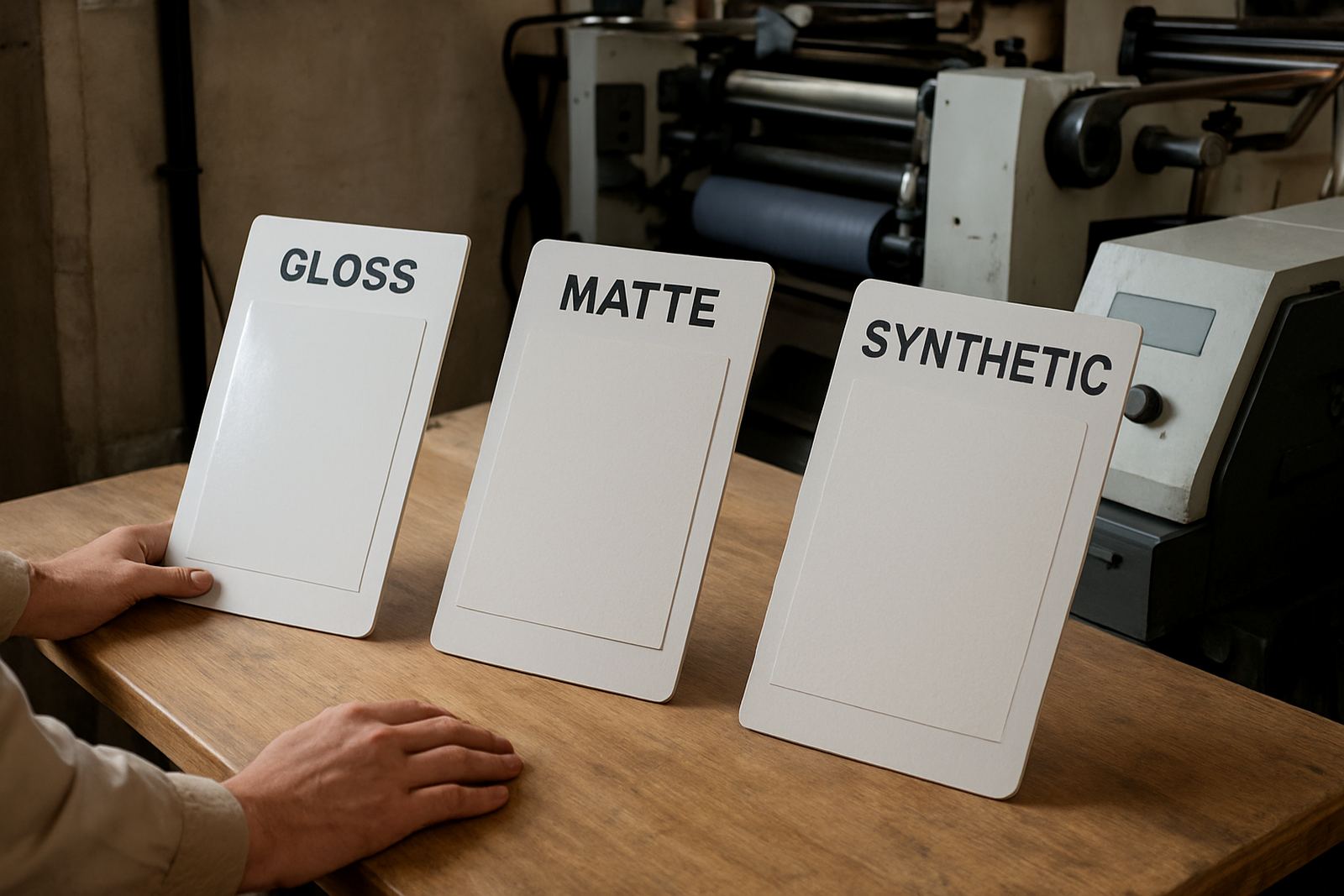
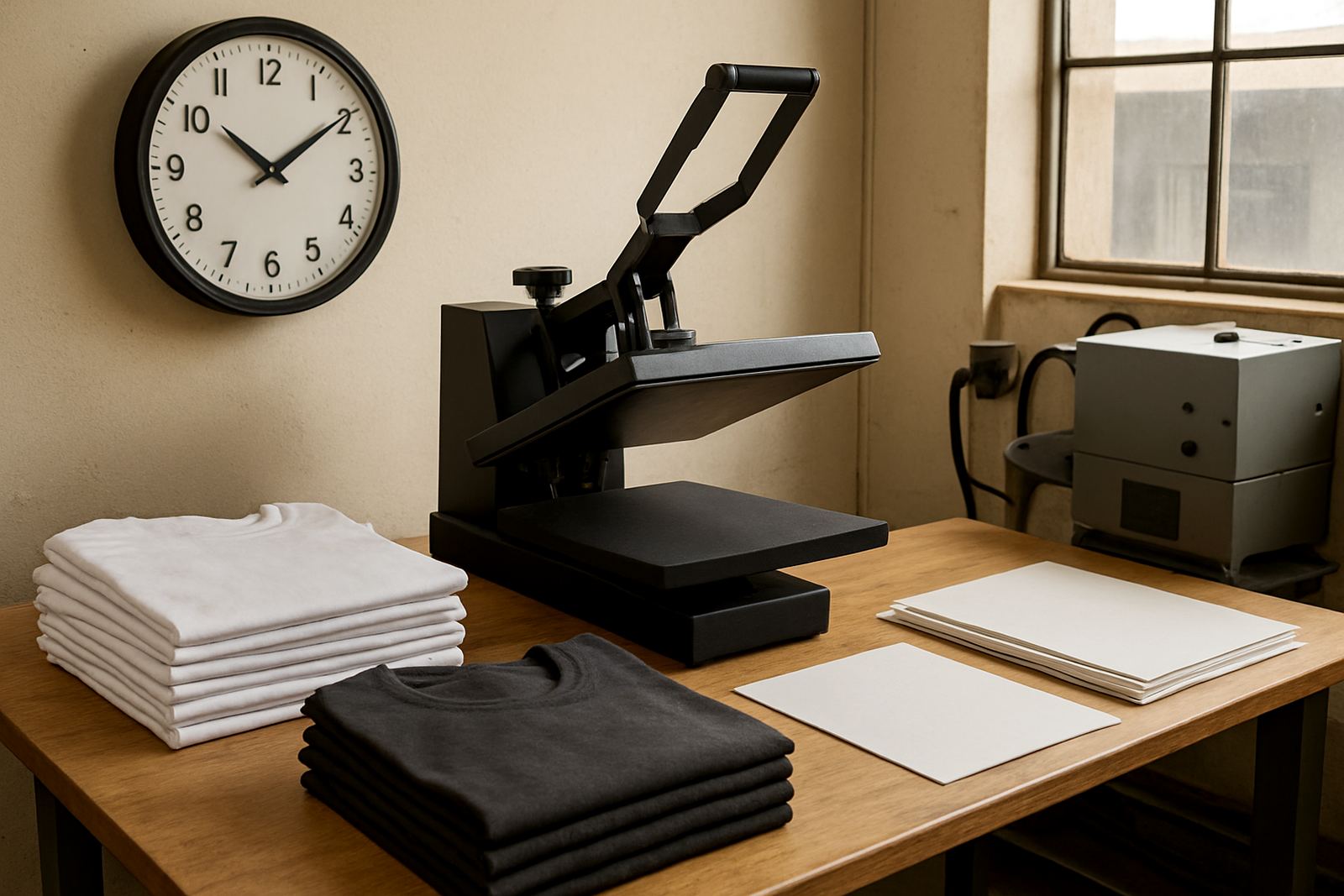
Before a garment transfer or label run begins, confirm the final size, bleed, orientation and quantity. Match the media to the job instead of using whatever is on the shelf. A short-run label order for 500 units needs a different approach to a single full-colour garment transfer order for a sports club in Randburg. The more clearly the job is defined upfront, the less material gets scrapped later.
It also helps to plan work in groups. If you are printing on one media type for the morning, then switching to another after lunch, prepare all the profiles, toners and reels first. Constant switching leads to missed settings and off-colour output, especially when staff are handling more than one urgent order at once.
Keep media stored properly so it prints first time
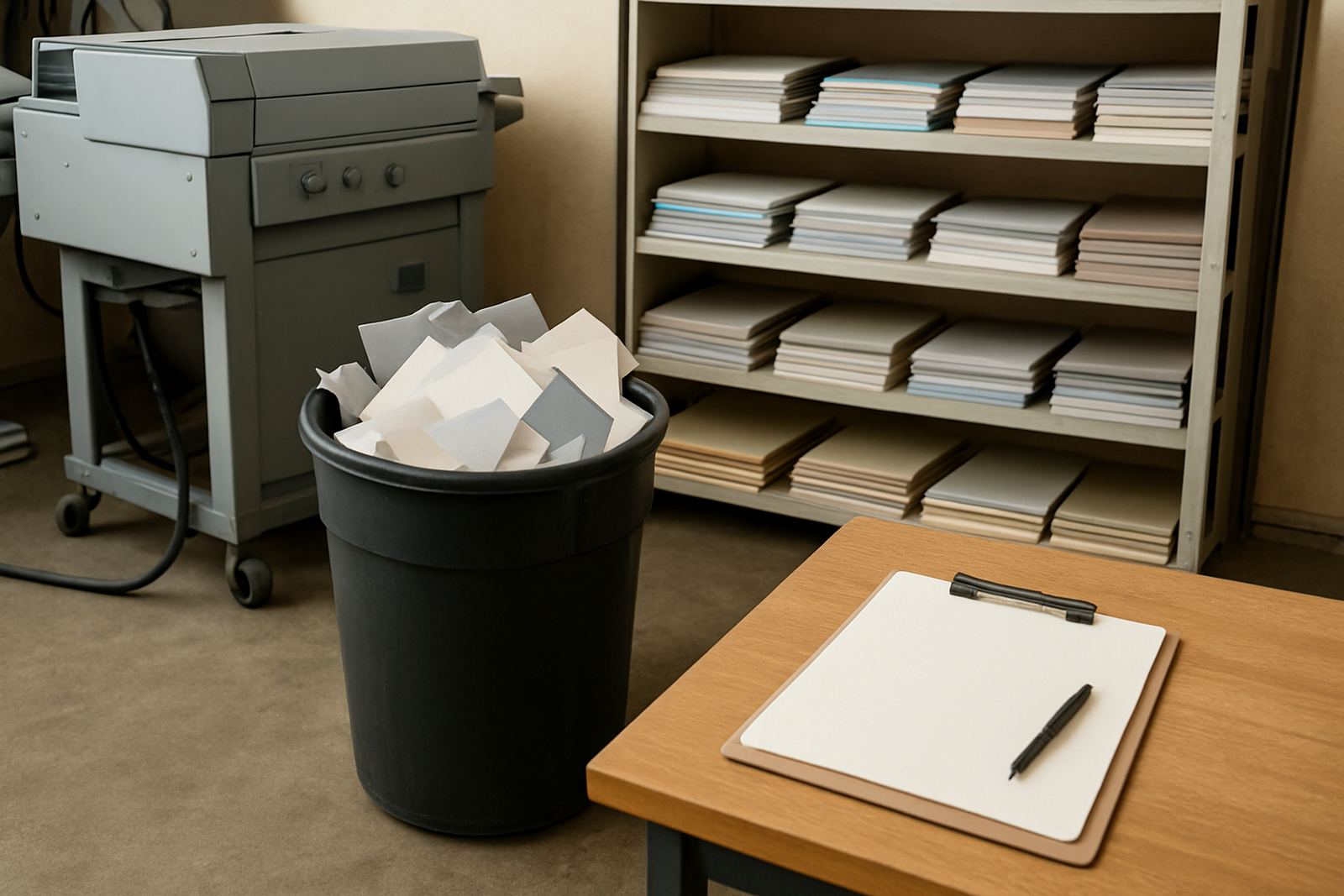
South African print shops know how quickly humidity, dust and heat can affect stock. In Midrand, a roll of transfer media stored near an open roller shutter can pick up moisture and edge curl in a single week. Coastal branches face even more risk, and that moisture changes how the media feeds, stretches and receives toner or ink.
Good storage habits reduce waste before the machine even starts.
- Keep rolls and sheets in their original wrapping until needed.
- Store media off the floor and away from sunlit windows.
- Label opened stock with the date and job type.
- Use older stock first so material does not sit for months.
- Allow cold stock to settle in the print room before use.
If the room temperature jumps during load-shedding or the extractor fans stop, give sensitive media time to stabilise. Feeding warped or damp stock often causes skew, poor registration and wasted trimming. That is money lost on every sheet.
Use calibration and profiling to avoid colour reprints
Colour waste is expensive because it is hidden. A label that prints too dull or a transfer that lands with a shifted skin tone may still look acceptable at a glance, but it gets rejected by the client later. Then the shop pays twice, once for the ink or toner and again for the replacement run.
Regular colour calibration helps keep output consistent across shifts and operators. Profiling media is just as important, because the same settings will not behave the same way on coated label stock, polyester transfer film or textured garment media. When the substrate changes, the colour response changes too.
For shops running multiple printers, keep a simple record of which profile belongs to which media. One small typo in the machine settings can cause a whole batch to drift. That is why it helps to assign one person to check the settings before long runs, especially when the production floor is busy or the team is short staffed.
- Run nozzle checks or test prints at the start of each shift.
- Recalibrate after moving a machine or changing media.
- Keep a printed reference sheet of approved colour settings.
- Replace worn rollers and cleaning parts before quality slips.
Treat toner and printheads like costly consumables, because they are
Waste also comes from poor daily care. Printheads that are allowed to dry out, toner units that are shaken too late, and machines that are run with low supplies all create avoidable spoilage. In a busy Gauteng print room, this often happens when staff push through a backlog and assume the machine will cope. It usually does not.
Printhead care should be part of the opening and closing routine, not something done only after a fault appears. Clean the machine according to the service guide, check for build-up around the feed path and look for marks that point to wear. If a head starts dropping lines, do not wait for the full image to fail before acting. That one job can become ten spoiled metres very quickly.
Toner waste is similar. If the team runs cartridges until they are completely empty, the last few jobs often show banding or weak coverage. Plan replacement levels before the supply reaches panic point. It sounds simple, but it prevents a lot of reprints, and reprints eat more stock than most owners realise.
Train operators to spot waste before it spreads
The best waste reduction habit is attention. Operators who know what a good sheet, label or transfer should look like will catch faults early. They notice a slight skew, a faint line or a dull patch before the whole run is damaged. That kind of judgement comes from proper training and from giving staff permission to stop a job when something looks wrong.
In many shops, the first sign of trouble is not a machine fault but a rushed handover. One operator uses a setting copied from another job, the next operator assumes it was checked, and then the full batch goes through with the wrong profile. Clear handover notes reduce that risk. So does a short start-up checklist that covers media, artwork, quantity and finishing.
- Teach staff to pause when the first sample looks off.
- Use a written checklist for every new job.
- Mark approved settings on the machine or near it.
- Keep one person responsible for sign-off on urgent runs.
Even a small shop with two machines can save a noticeable amount of toner and media by building these habits into everyday work.
A Midrand example: less waste, fewer rush orders
A print shop in Midrand handling garment transfers and short-run labels was losing stock on the first and last parts of almost every job. The cause was not one major failure. It was a mix of poor storage, unclear colour settings and operators trying to fix issues after the run had already started. On humid days, some transfer media curled slightly and fed unevenly, while label stock from an open box picked up dust.
The shop tightened its routine. They moved open media into sealed storage, printed a reference sheet for approved colour settings and introduced a five-minute pre-run check. They also scheduled preventive maintenance instead of waiting for breakdowns. Within a few weeks, reprints dropped and the team stopped ordering emergency stock at the end of each month. The biggest gain was not only lower waste, it was calmer production and fewer late deliveries.
That approach works just as well in Pretoria, the East Rand or across the border where supply lead times can be longer. When stock is expensive to replace, prevention is cheaper than scrap.
Build waste control into daily production
Reducing print waste is not about one special setting or one new machine. It comes from routine: storing stock properly, checking media before use, keeping colour consistent and training staff to catch faults early. The shops that do this well usually keep their consumable spend under control because they are not paying for the same job twice.
If you are running short-run colour work, label production or garment decoration, the savings add up fast. A few spoiled metres here, a few wasted labels there and one bad toner run can turn into a painful month. Better habits protect margin, reduce pressure on the team and keep customers coming back for work that lands right the first time.