Start With The Jobs The Customer Actually Runs
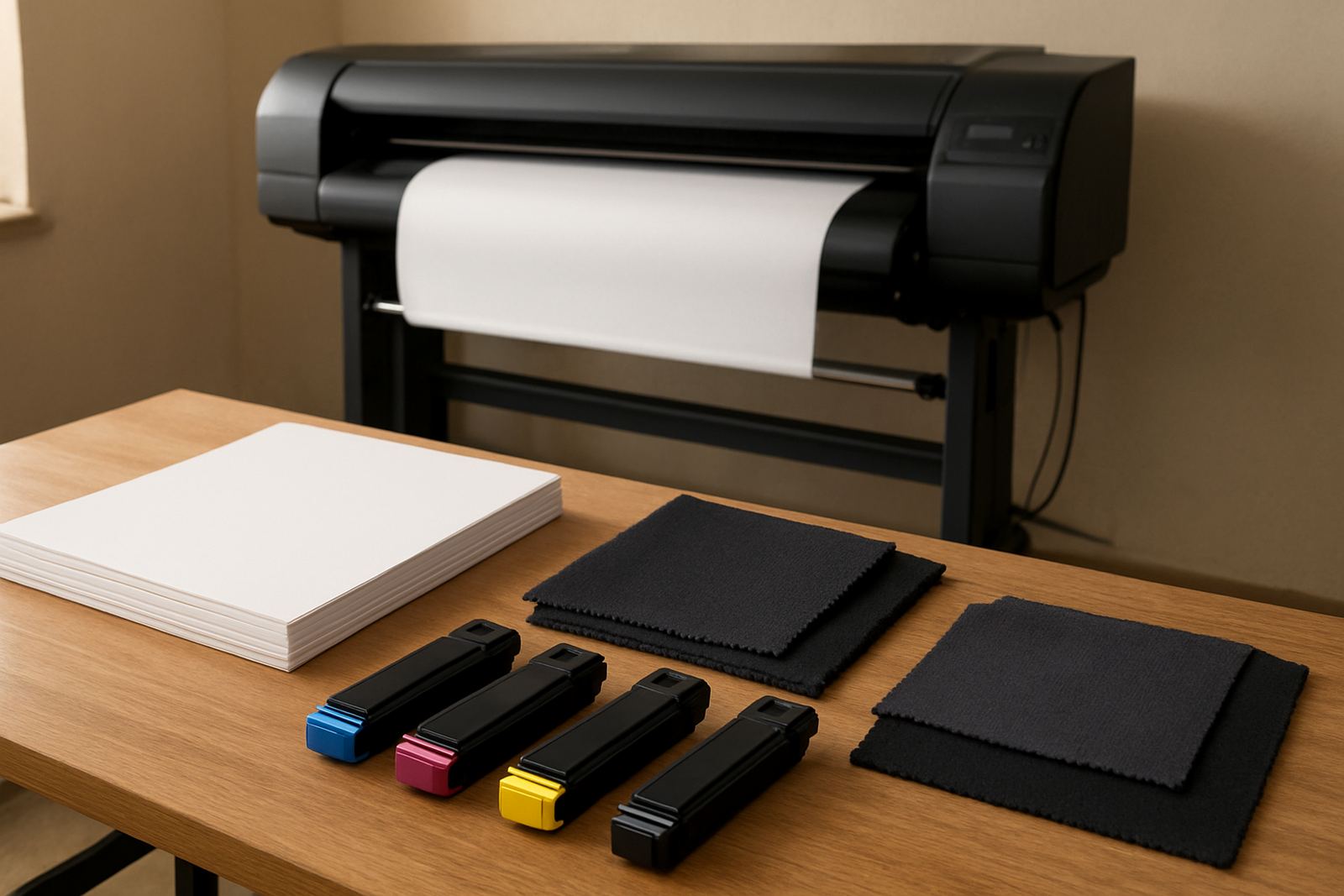
For customers outside South Africa, supply planning starts with the job mix, not the machine list. A garment decorator printing 200 club shirts a week needs a different stock profile from a label converter doing short seasonal batches in two or three sizes. Ask what they print most often, how many metres or sheets they use in a normal month, and which colours or media grades keep coming back.
That detail matters because cross-border clients often pay more in freight and lose more time waiting for the wrong item. If a customer is running colour work on narrow garments or short-run labels, the priority is usually stable consumables, a sensible spare parts list and a clear response plan for downtime. It is better to ship two extra items in one planned order than to send urgent parcels later at a much higher cost.
- Confirm monthly print volume in units, metres or sheets
- Record the top three media types and the most used colour set
- Keep note of humidity, dust and temperature where the machine runs
- List the parts that stop production completely if they fail
Build A Consumables Plan That Survives Border Delays
Across Southern Africa, delivery times can change because of customs checks, transport schedules and public holidays on either side of the border. A practical consumables plan allows for that delay instead of reacting to it. For toner, transfer media, cleaning items and other running stock, the customer should hold enough to cover the normal lead time plus a buffer for one extra week, sometimes two if the route is unpredictable.
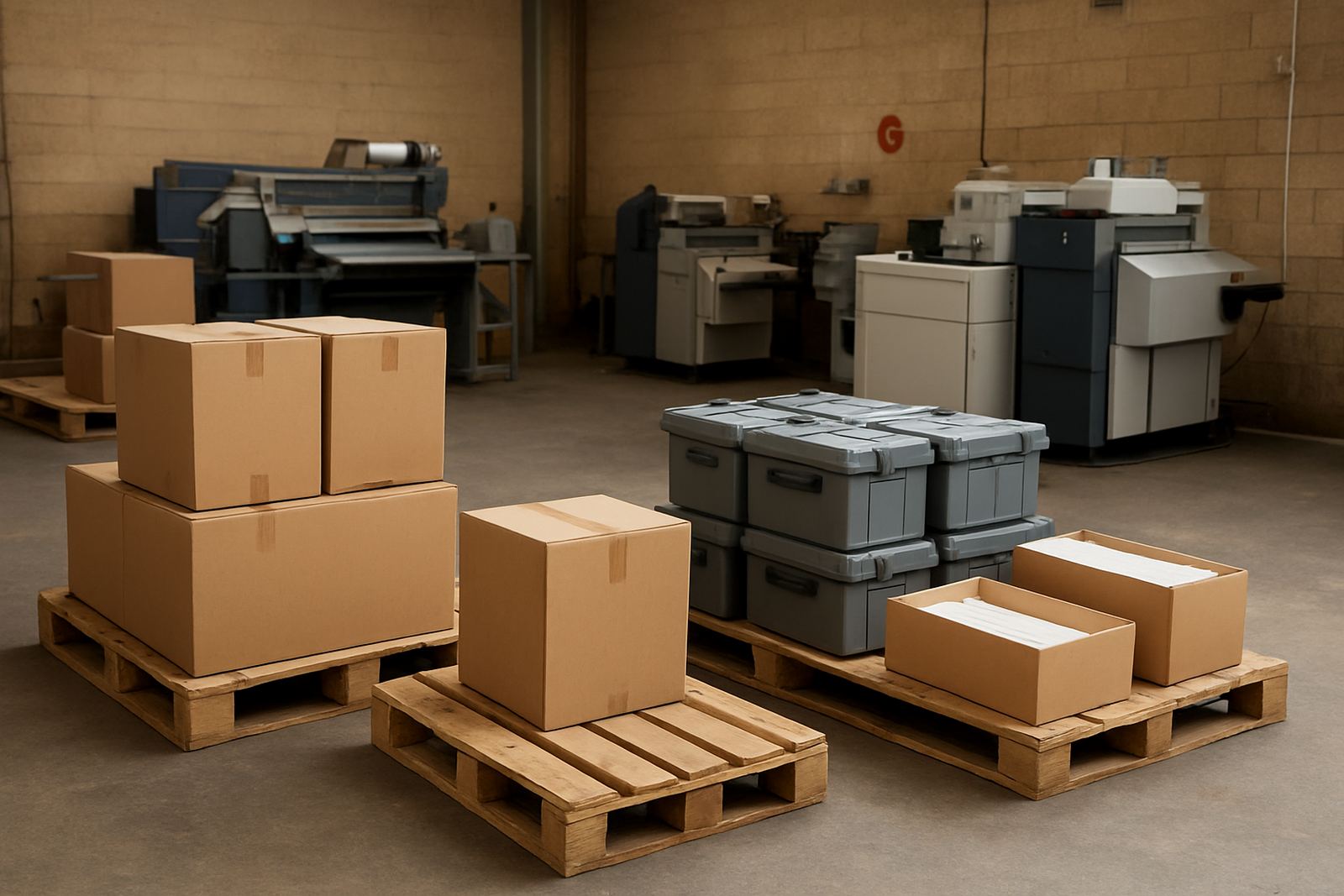
In humid coastal towns, media can curl and powders can clump if storage is poor. Inland, dust and power cuts can affect printers and finishing units in different ways. We often advise customers to store consumables in sealed containers, away from direct sun and off concrete floors. It sounds basic, but a lot of avoidable waste starts with bad storage and not with the machine itself.
- Keep fast-moving consumables on a reorder point, not on memory
- Separate day-to-day stock from long-lead import items
- Label batches by arrival date so older stock is used first
- Check expiry dates on inks, toners and treatment chemicals before dispatch
Spares Worth Holding On Site, And Spares You Can Ship Later
Not every spare should sit on the shelf, but some parts should never be left to chance. For regional supply outside South Africa, the smart list usually includes wear items, feed components, sensors, fuses, cables and cleaning kits. If a printer uses a critical head or transfer component that takes days to source, the customer should know this before the first order is placed.
We normally separate spares into three groups: emergency items, planned service items and specialist components. Emergency items are the ones that bring the line to a halt. Planned service items are fitted during maintenance visits. Specialist components may need technical confirmation before dispatch. That simple structure helps a customer in Namibia or Botswana avoid paying for express freight on parts that were never needed urgently.
- Emergency: sensors, belts, rollers, fuses, power supplies
- Planned service: cleaning tools, seals, filters, maintenance kits
- Specialist: printheads, calibration hardware, control boards
Remote Support Needs Better Information Than A Phone Call
Remote support works best when the person on site can describe the fault clearly and share the right readings. A short voice note saying the machine stopped is not enough. What helps is a photo of the error, the last good print, the media used, the ambient conditions and whether the issue started after a power interruption. If the customer has already checked the basics, fault finding becomes quicker and cheaper.
Our team in Midrand often supports customers in neighbouring countries this way before anyone travels. For some calls, colour calibration, media profiling or workflow advice solves the issue. For others, we can tell whether the machine needs a local technician, a part shipment or a full service visit. That saves time for both sides and prevents unnecessary stripping of the machine on site.
- Send a clear photo of the fault screen or print defect
- Note any recent load shedding, surge event or transport damage
- Confirm what changed just before the fault appeared
- Keep a record of serial numbers and installed options
A Midrand Example: One Customer, Three Borders, One Stock Plan
One of the most useful examples comes from a print shop that services garment work for customers in Botswana, Namibia and Zambia. Their main challenge was not print quality, it was timing. Orders landed at different times of the month, freight moved through different routes and their team had limited storage space. We helped them map which consumables moved fastest, which spares caused the longest delays and which maintenance tasks could be done during quiet weeks.
After that, their ordering changed from crisis buying to planned replenishment. They kept a small emergency pack on site, a bigger monthly consumables order and a separate service box for scheduled maintenance. The result was fewer production stops and less money tied up in the wrong stock. That approach works well for any cross-border customer, whether they are in a capital city or a smaller town with one main freight depot.
For South African suppliers, this kind of planning is especially important where municipal power cuts, summer storms and long transport lanes all affect production at the same time. A customer in Windhoek may have stable power but slower freight. A customer in Gaborone may have quick road access but limited access to specialist parts. The plan has to fit the route, not just the machine.
Paperwork, Delivery Times And What To Confirm Before Shipping
Before goods leave Midrand, confirm the practical details that often slow a cross-border delivery. That includes the customer name for customs paperwork, the physical address, contact numbers that answer after hours, and whether the receiving side has any import requirements. If a spare part or consumable is held at customs because a description is vague, the customer loses time and often pays extra handling fees.
Good supply planning also means matching the packing method to the route. Sensitive items need protection from heat and moisture, and heavier components should be secured so they do not shift during transport. If the destination is far from a major city, allow more lead time and build that into the reorder schedule. A shipment that leaves on Monday might not be the one you can rely on for a Friday production run.
- Check the delivery address and local receiving hours
- Use clear part descriptions on invoices and shipping notes
- Allow extra lead time for remote towns and border processing
- Pack for heat, humidity and vibration on long road routes
What Regional Customers Should Expect From A Supplier
Customers outside South Africa should expect straight answers on lead times, realistic stock advice and technical support that understands production pressure. They should also expect a supplier to say when a part is not needed yet. That honesty matters because some shops buy too much, then the cash sits on the shelf while the real bottleneck remains training, colour control or maintenance discipline.
At CMYK Industries in Midrand, Johannesburg, we support regional customers with machine installation, operator training, preventive maintenance, breakdown repairs, colour calibration, media profiling, printhead care, remote support, consumable planning and workflow advice. The point is not to push stock for its own sake. The point is to keep short-run colour work running with the right parts in the right place, and with a support plan that makes sense for Southern Africa.