What white toner printing actually does
White toner printing uses a printer that can lay down white toner as part of the image build, then transfers that image onto a garment or label surface with heat and pressure. The white layer is the key, because it lets colours sit clearly on dark cotton, black polycotton, or coated media where standard colour toner would disappear. In plain terms, it gives you visibility where normal process colour struggles.
For print shops in Midrand, Pretoria, or the East Rand, that matters on short-run work. You can produce names, numbers, logos, and small graphics without setting up screens or waiting for minimum quantities. It suits one-off samples, clubwear, event garments, and detailed label jobs where the artwork changes often.
Where it helps most in transfer work
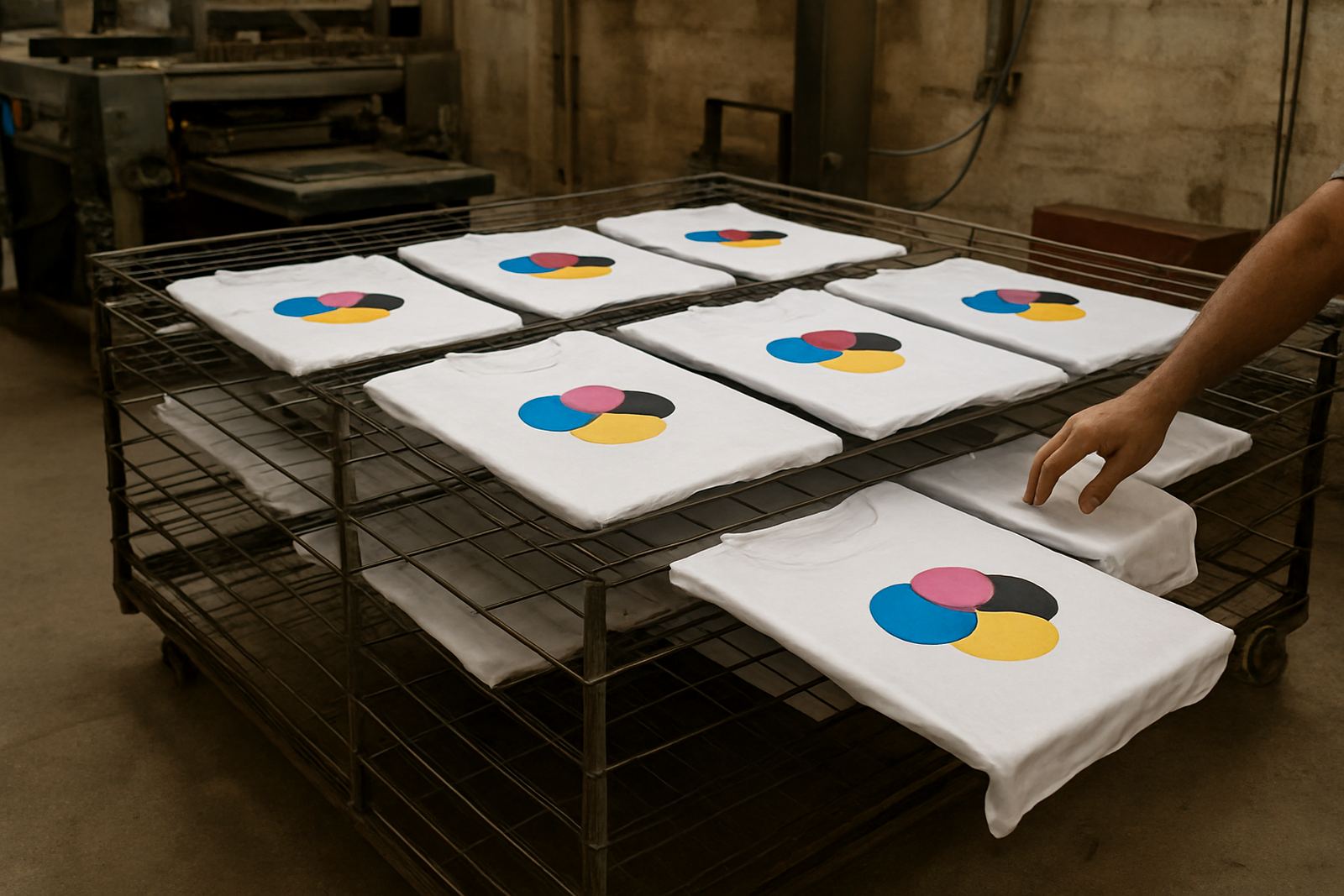
White toner is useful when the base colour is dark, uneven, or simply not printer-friendly. It also helps when the artwork has fine type, small registration marks, or colour areas that need a clean edge. On transfer work, the main advantage is that you can produce a ready-to-press image with a strong white underbase, then finish it on a heat press in a few minutes.
- Dark T-shirts, hoodies, and workwear
- Event names and small batch sports numbers
- Promotional items with a low order count
- Samples for garment decorators before bulk production
- Personalised items for schools, teams, and local traders
It is not only for fashion. In many Johannesburg print rooms, white toner is used for transfers onto woven items, coated bags, and other surfaces where a neat, sharp image is needed without large production runs.
Why label printers use it for short runs
Label work often needs crisp text, stable colour, and the ability to print on speciality stocks in small quantities. White toner helps when the label material is clear, dark, metallic-looking, or has a coloured background that needs a white base to keep branding readable. That is especially useful for product labels, care labels, and limited-edition packaging where the artwork changes too often for bigger setup methods.
A lot of label clients want 50, 100, or 250 units, not thousands. White toner lets a shop move quickly between jobs, which is handy when a customer changes a barcode, size range, or ingredient line at short notice. In practice, that means less waste and a better chance of meeting local deadlines, even if load-shedding interrupts the day.
The consumables and setup that affect results
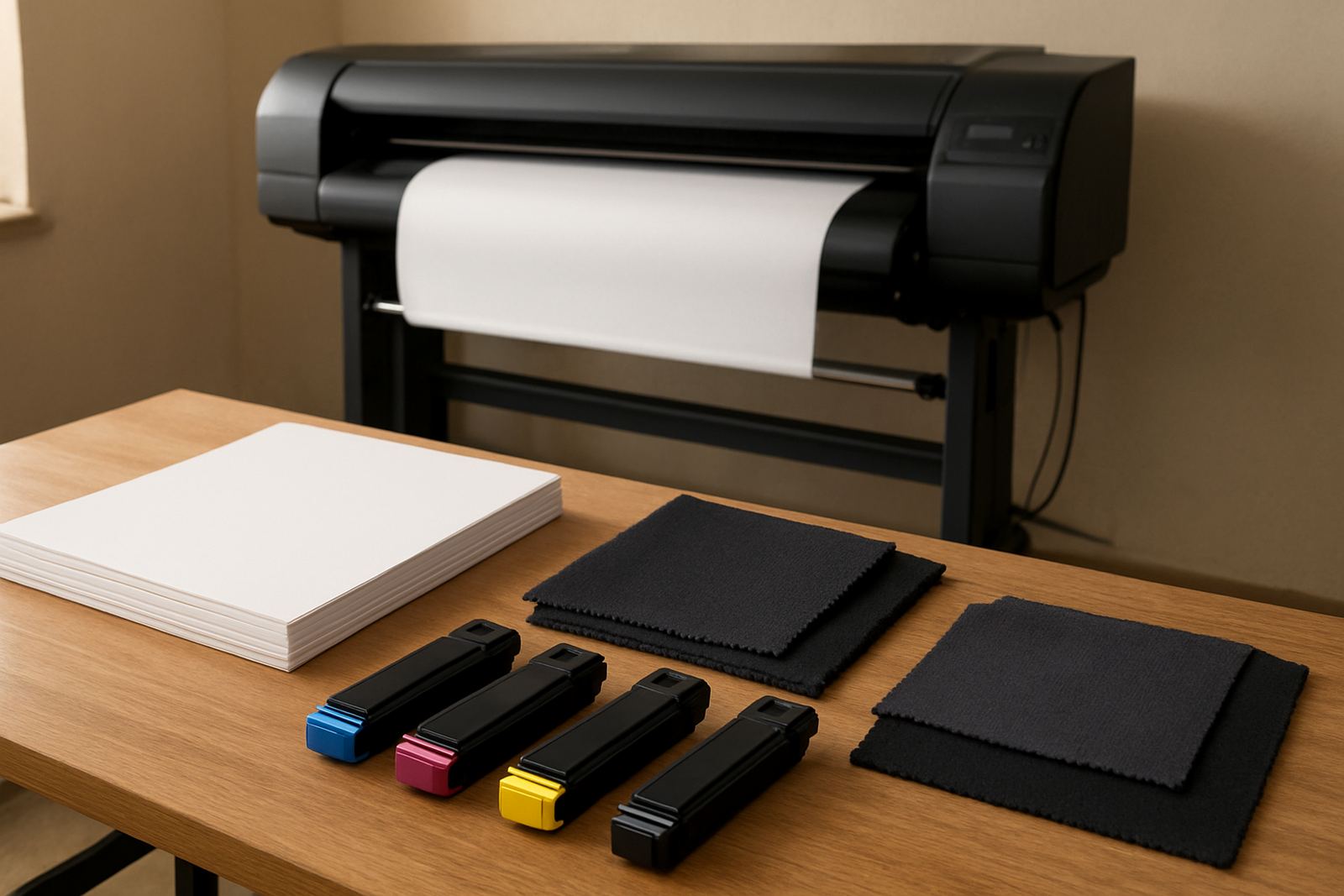
Good white toner output depends on more than the machine itself. The toner, media, heat press, and print settings all have to work together. If any part is off, white can look grey, patches can appear, or the transfer may crack after a few washes. In South African conditions, humidity and dust also affect storage, especially near the coast or in open workshop spaces.
- Use media that is rated for the specific transfer or label job
- Keep toner sealed and stored away from heat and moisture
- Set the press temperature and dwell time according to the film or stock
- Check image density before a large run
- Allow printed work to cool properly before finishing
Operators should also watch for static on dry winter days in Gauteng. Static can pull media out of line and affect registration, particularly on smaller label sheets.
Common mistakes that cost time and money
White toner printing looks simple from the outside, but small errors quickly show up in the final product. One common mistake is pressing too hot for too long, which can yellow the white layer or distort the film. Another is using artwork that was not prepared for a white underbase, so thin outlines disappear once transferred. Shops also run into trouble when they mix media types and use the same profile for everything.
If your transfers are coming out patchy, start by checking the toner condition, humidity in the room, and whether the media is being fed correctly. On label jobs, poor trimming or incorrect sheet placement can throw off finishing and make the run unprofitable. A short test run usually saves more money than trying to rescue a full batch later.
A practical Midrand example
A common local job is a small clothing supplier in Midrand needing 40 black staff T-shirts for a weekend event and 120 branded care labels for the same client. With white toner, the shop can print the transfers and labels in one production flow, then press the garments and finish the labels without waiting for bigger volumes. That works well for businesses serving Sandton offices, Pretoria schools, or customers across the West Rand who need fast turnarounds.
It also suits shops that must keep stock tight. Instead of holding hundreds of pre-printed items, the printer can produce only what is needed. For many South African operators, that means better cash flow and less dead stock sitting on a shelf after a customer changes the brief.
When to choose white toner and when not to
White toner is a strong choice for short-run, detail-heavy transfer and label work, but it is not the answer for every job. If a customer wants very large volumes, highly textured decoration, or outdoor-grade durability beyond a transfer system, another process may be better. The right decision depends on fabric type, run size, finish, and how fast the order must move through the shop.
If your work often includes dark garments, custom labels, or last-minute artwork changes, white toner can fill an important gap in your setup. The real value is flexibility: one system that helps you turn small, mixed jobs into paid work instead of turning them away.
- Best for short runs and customised jobs
- Ideal for dark and tricky surfaces
- Useful where fast turnaround matters
- Needs correct heat, media, and handling