Why fast support matters when the job is already on the floor
Short-run garment and label work leaves very little room for delay. A missed ship time can mean a repeat setup, a frustrated customer and a full afternoon lost to rework. In that kind of environment, responsive support is not about being polite on the phone, it is about keeping the press room moving.
Many South African print shops work with tight margins and tight deadlines. One operator may be handling artwork checks, media setup and finishing all in the same shift. If a printer throws an error at 7:30 on a Tuesday and the next courier collection is at 11:00, support must be practical, specific and fast. That means someone who can talk through the fault, identify likely causes and get the right spares or settings to site without delay.
Trust grows when a supplier understands that a broken machine is not just a machine problem, it is a production problem. A responsive team reduces uncertainty, and that matters in places where clients expect same-day samples, repeat label batches or a last-minute event order.
What good service looks like in a production-critical shop
Good service is not only repair work. It begins before installation and carries through every run thereafter. Shops that get steady results usually have support built around the full workflow, from media choice to final output checks.
- Machine installation done with the actual job flow in mind, not only the manual settings.
- Operator training that covers loading, cleaning and error recovery.
- Preventive maintenance scheduled around real production hours.
- Breakdown repairs with clear fault finding and realistic turnaround times.
- Colour calibration and media profiling to cut down on wasted prints.
- Printhead care that protects expensive components in dusty or humid conditions.
- Remote support for quick checks when a site visit is not yet needed.
When these pieces are handled properly, the shop does not keep starting from zero after each fault. Staff know what to check first, which settings matter most and when to call for help. That confidence shows in the work leaving the floor.
Midrand to the rest of Southern Africa: support has to travel well
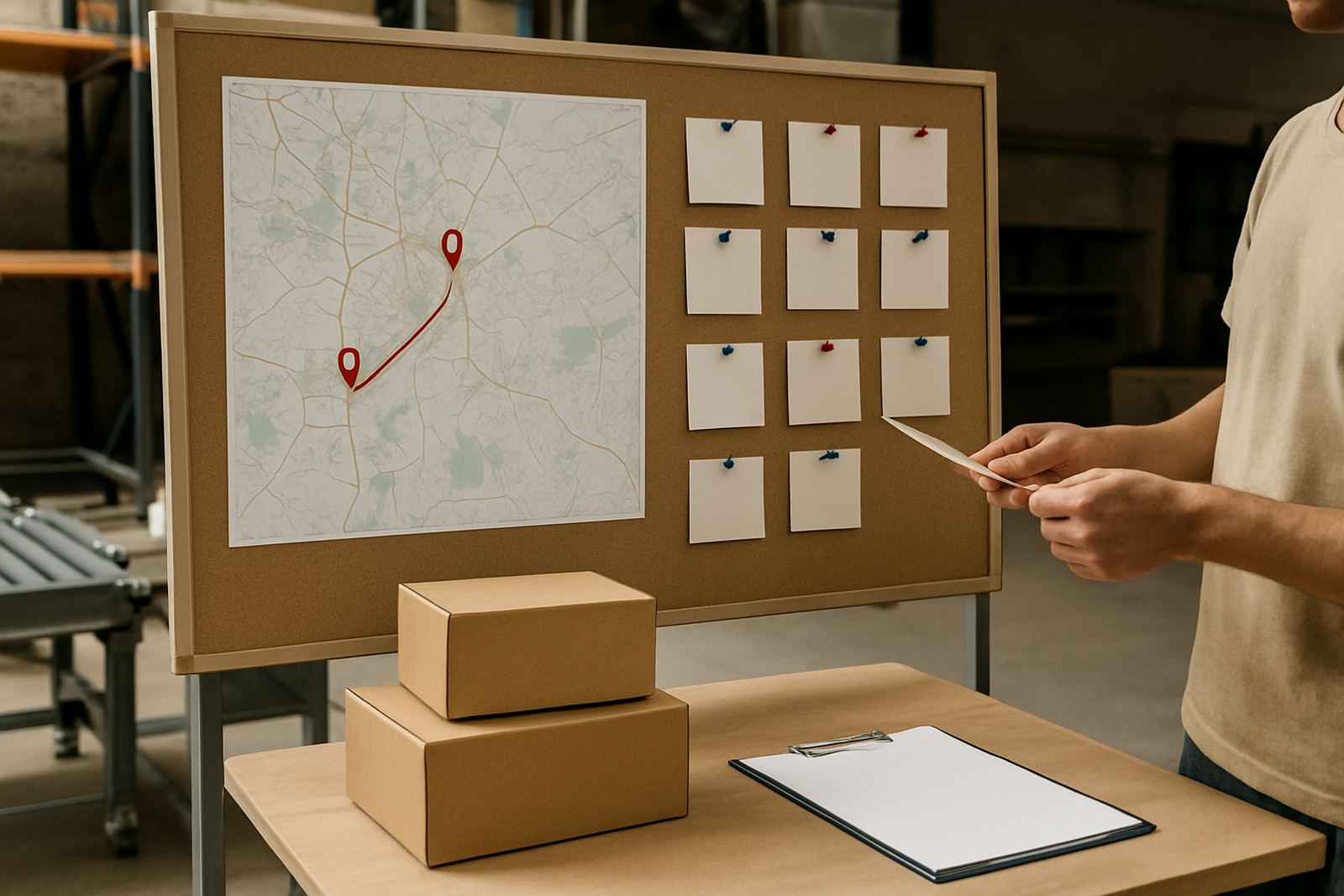
From our base in Midrand, Johannesburg, support needs to suit a wide catchment. Some clients are in Sandton and Pretoria, while others operate on the East Rand, West Rand or further into Southern Africa. The common thread is that every site wants clear guidance and dependable follow-through.
Local conditions also affect service. Load-shedding can interrupt warm-up cycles and upset calibration. Coastal humidity can affect media handling and storage. In busy industrial areas, dust and vibration can shorten service intervals if nobody is watching the basics. A supplier that understands these conditions can suggest sensible steps before trouble starts.
For many shops, the practical value lies in knowing that support is reachable whether the issue is a software setting, a feed problem or a consumable question. A printer in Midrand may need same-day attention, while a site in Gaborone or Windhoek may need remote checks and parts planning first. Good service adapts to both.
- Midrand Support for fast local response and handover work.
- Sandton Supply for commercial shops with constant turnaround pressure.
- Pretoria Supply for educational, promotional and label production sites.
- East Rand and West Rand Supply for busy industrial routes and mixed workloads.
- Southern Africa Supply for cross-border production schedules and stock planning.
Preventive maintenance is cheaper than a stopped line
The shops that lose the least time are usually the ones that service before there is a crisis. Printheads, feed systems, rollers and colour systems do not fail all at once most of the time. They drift. Output starts showing banding, the media shifts a little, or the first pass looks fine and the second one does not. By then, the machine is already asking for attention.
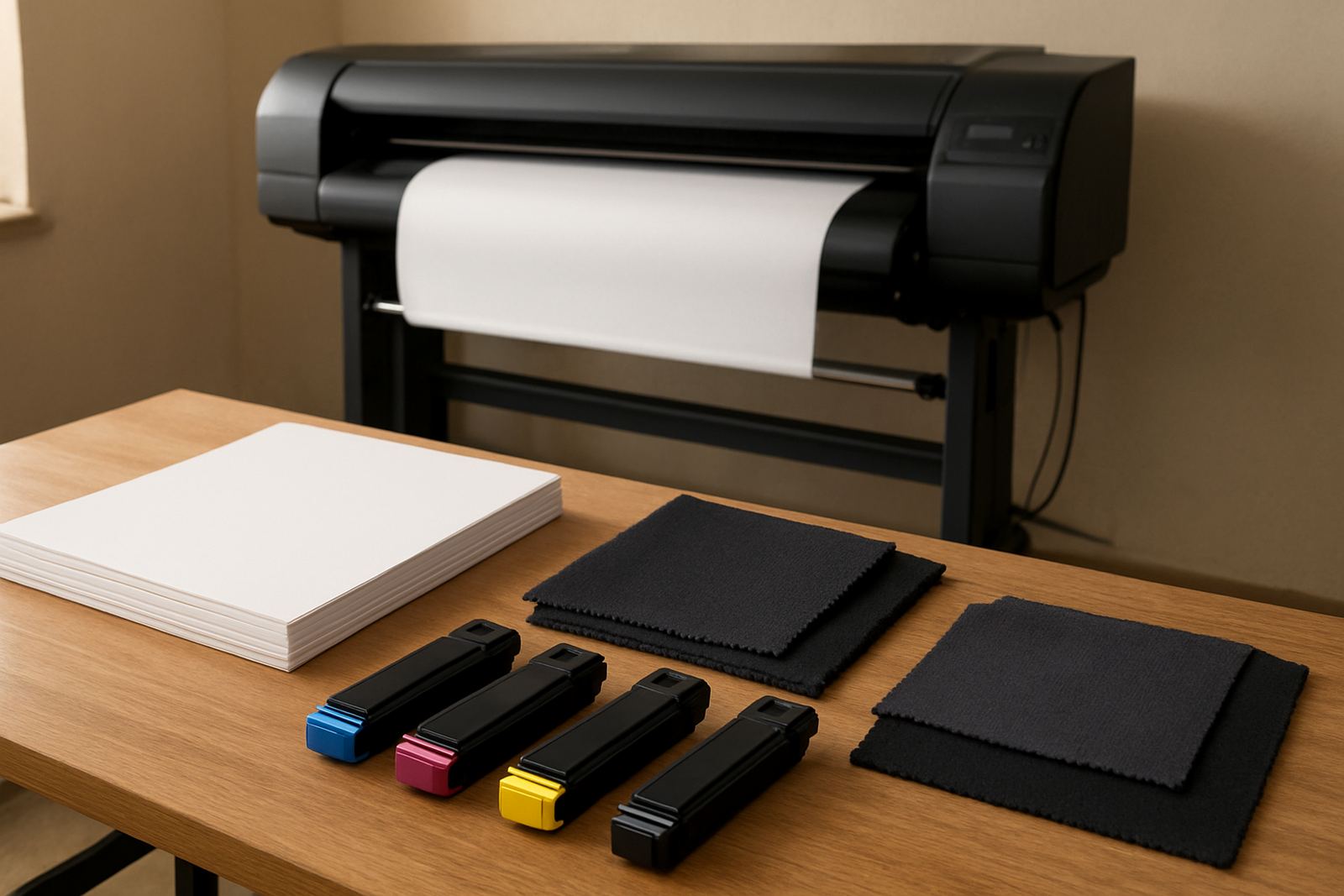
Preventive maintenance keeps the smaller issues from becoming expensive ones. A clean machine also uses consumables better, which matters when toners, media and replacement parts are costing more than they did a few years ago. For garment decoration and label printing especially, consistent maintenance protects repeatability. A client who reorders the same job two weeks later expects the colour to match, and they are right to expect it.
It helps to keep maintenance notes on site: what was cleaned, what settings were changed and what warning signs appeared before the last fault. That small discipline makes each service call faster. It also helps a technician arrive with the right plan instead of starting with guesswork.
Colour control builds confidence with every reprint
In short-run colour work, trust is often won or lost on the second order. The first sample may look acceptable, but the repeat batch has to match the original without a long back-and-forth. That is where colour calibration and media profiling do real work.
A stable colour setup saves time on approval cycles and cuts waste. It also helps a print shop speak with confidence when quoting lead times. If the system is known to hold its output, staff can commit more accurately. If not, every job becomes a test.
Support teams that understand colour do more than fix errors. They help operators understand how humidity, media coating, cleaning routines and settings affect the final result. That kind of guidance is practical, not theoretical, and it gives teams a stronger base for everyday production.
- Use the same media batch for approval and production where possible.
- Check colour output after long shutdowns or power interruptions.
- Keep approved files and settings together for repeat orders.
- Replace worn consumables before they affect density or registration.
A local example from a Johannesburg shop under pressure
Consider a small label producer in Midrand that handles short customer runs for skincare and food packaging. On Monday morning the main unit begins showing uneven density after a weekend power cut. Orders are booked for the afternoon and two of them are repeat jobs due to go to market on Wednesday. There is no space for trial and error.
What helps in that moment is not a long explanation, but a fast response. Remote checks narrow down whether the issue is related to restart settings, media feed or a cleaning cycle. If a site visit is needed, the technician arrives with the likely parts and a clear plan. The operator gets back to production sooner, and the customer still receives the order on time.
That kind of support changes how the client sees the supplier. The machine still matters, but the relationship matters too because it lowers the fear of downtime. Over time, the shop stops treating service as a last resort and starts treating it as part of production planning.
Service that keeps the next order moving
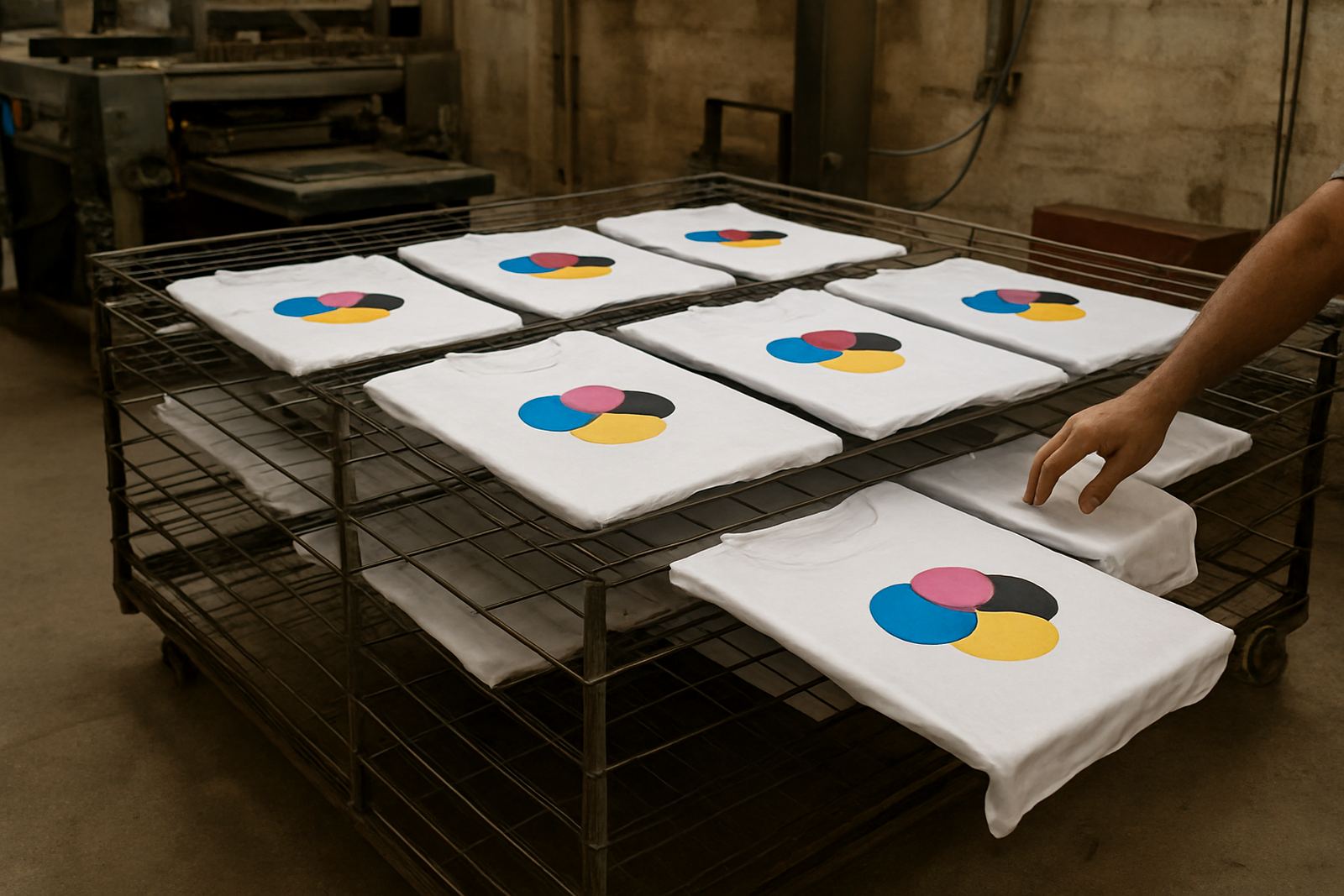
In print, confidence is built one working day at a time. A shop trusts the supplier who answers quickly, gives straight advice and understands that a small fault can stop a whole shift. That is especially true in garment decoration and label printing where schedules are short and expectations are high.
Responsive support does more than fix equipment. It protects deadlines, reduces waste and helps teams work with more certainty. For South African printers trying to stay competitive across changing power conditions, mixed media and cross-border deliveries, that practical support is worth far more than a sales pitch.
When service is done properly, the shop does not just recover from problems. It becomes steadier, easier to manage and better prepared for the next rush.