Why a test batch is cheaper than a bad full run
Short-run sampling is not a nice-to-have, it is part of doing print work properly. A sample before scale shows whether the fabric, label stock or transfer media will take the ink or toner as expected, and whether the printer is holding registration under the settings you plan to use for the full job. If something is off, you catch it when the waste is measured in metres or sheets, not boxes.
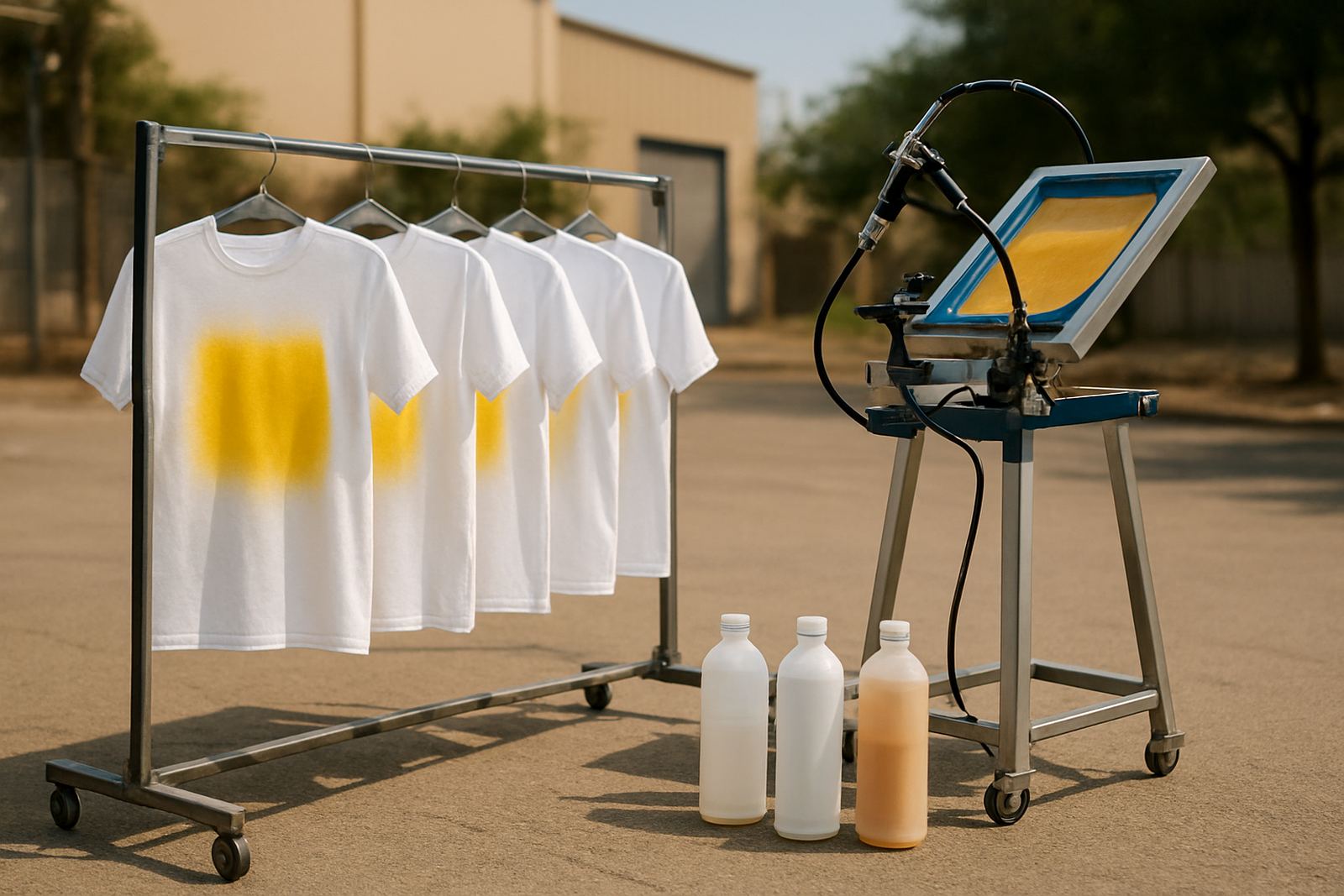
For garment decoration and label printing, the cost of skipping a sample is usually hidden at first. A shade that looks close on screen can shift on coated or textured media. Fine text can fill in. Dark fabrics can need a different pretreatment or transfer pressure. One small test run often reveals issues that would be expensive to fix once 500 units are already in motion.
- Colour is checked before stock is committed.
- Media behaviour is tested under real heat, pressure or ink load.
- Clients can sign off on a physical sample instead of guessing from a file.
What goes wrong when a shop jumps straight to full production
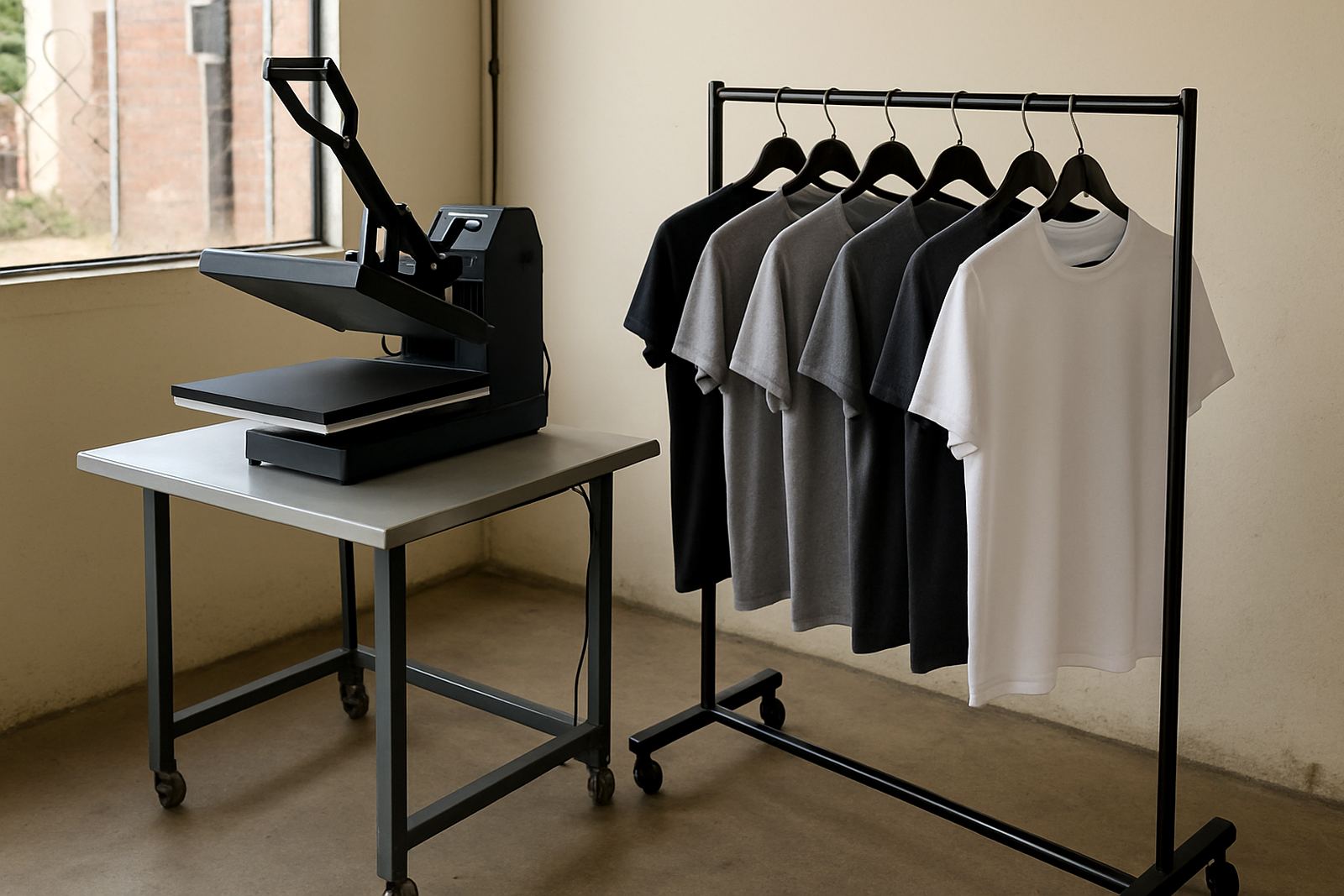
When print shops skip samples, the same problems keep returning. Black solids may band because the head needs cleaning. Fine reverse text may disappear on a label film that looked fine on the proof. A heat transfer may crack after the first wash because the pressure was too high, or the dwell time was too short. These are the sorts of faults that show up once the machine is already in a production rhythm, which makes them more costly to stop and correct.
There is also the client side. A retailer in Sandton may approve a Pantone-like colour on a PDF, but the actual cloth can pull the tone warm or dull. A school order in Pretoria may need names to stay readable at a certain size, especially on smaller garment sizes. Without a sample, you are asking the client to accept uncertainty. That is a hard conversation to have after the goods are packed.
- Ink density can be too high and cause drying delays.
- Transfers can lift at the edges if pressure is uneven.
- Labels may curl or shrink under heat.
- Small type can close up on textured substrates.
How to structure a useful sample run
A proper sample should be treated like a mini production order. Use the same artwork, the same media, the same finish and as close as possible to the same machine settings. If the final job will run on a Monday after load-shedding, sample under similar conditions if you can. Stable power matters, and so does the temperature in the room. Midrand workshops know how quickly heat and dust can affect print consistency.
Start with a short checklist before you print:
- Confirm the final file format, size and colour values.
- Check media lot numbers and surface finish.
- Decide the target press temperature, speed and pressure.
- Clean the heads or transfer path before the test.
- Record the sample date, settings and any changes made.
That record is useful later. If a repeat order comes in from East Rand or further into Southern Africa, the team does not need to guess which settings worked best the first time.
The client should approve the sample in real light
One of the most common mistakes is approving samples under the wrong light. A colour can look excellent under fluorescent tubes and then fail under daylight at the shop front or on a market table. For garment decoration, this matters on branded wear that will be seen outdoors. For labels, it matters when a product is read on a shelf under mixed lighting.
Ask the client to view the sample where the item will actually be used, or at least under daylight near a window. If the order is for a chain store, compare the sample against the existing packaging colour range and keep the approval note. If the work is going to another province, take pictures only as a backup. A photo helps, but it does not replace the physical item.
It is also worth confirming finish. Gloss, matte and soft-touch all change the final look. A client may say they want the same colour but a different finish, and that can alter the perceived tone more than expected. Better to settle that now than reprint later.
Protecting printheads and consumables starts with small runs
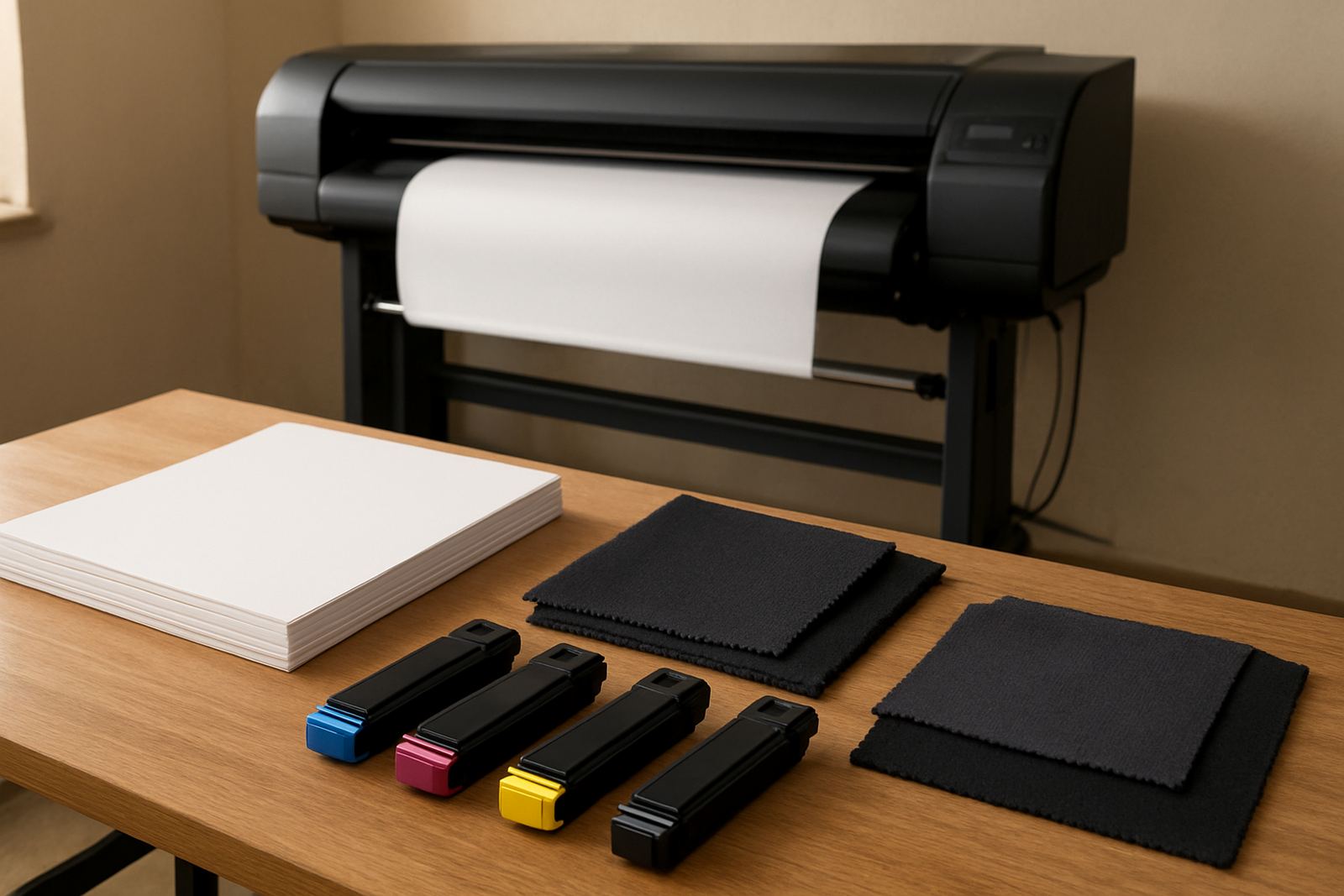
Sample batches are not only about approval, they are also a useful health check for the machine. A short test can show whether a printhead needs care, whether toner flow is even, or whether a transfer path is collecting residue. If a machine is using more consumable than expected during a small run, that is a signal to inspect before the larger order starts.
At CMYK Industries in Midrand, we see that shops often want speed first and diagnostics second. In practice, a 30 minute sample with the right checks can prevent hours of downtime later. That matters when a shop is running multiple jobs for Gauteng clients and cannot afford a stoppage in the middle of the week.
- Watch for nozzle drop-out or faint lines.
- Check for ghosting, offset or poor release on transfer media.
- Make sure the media is feeding square and not drifting.
- Compare coverage between the first sample and the third, not only the first sheet.
A Midrand example: one sample saved a 2,000 piece run
A label printer for a food and beverage client in Gauteng once came in with artwork that looked straightforward, but the test batch showed a problem on the chosen film. The colour was close enough, yet the fine white text on a dark background started closing up when the run speed increased. The client needed 2,000 labels for a launch, and there was no room for guesswork.
By reducing speed slightly, adjusting colour balance and changing the media profile, the sample came right before full production. The final job ran cleanly and the client kept the launch date. That is the real value of sample before scale. It gives everyone one chance to make corrections while the cost is still small, rather than paying for a full reprint and late delivery.
For print shops serving Johannesburg, Pretoria, the East Rand and neighbouring countries, that discipline is part of staying reliable. The sample is not extra work. It is the step that keeps your printer, your consumables and your client relationship in good shape.