When sample runs save the day
Most sample-run work starts with pressure from the client. They need 20, 50 or 100 pieces for a launch, a market test or an internal approval and they want the first batch right. That means clean colour, accurate sizing and predictable wash or wear performance, without tying up your main production line for half a day.
In Johannesburg, Pretoria and the coastal towns, this also helps with timing. Humidity changes how some media handles, and load-shedding can interrupt a full print cycle if the workflow is not planned properly. A sample-run setup gives you a smaller, controlled path for proofs, test prints and low-volume release quantities before you commit to scale.
Equipment that suits short-run proofing
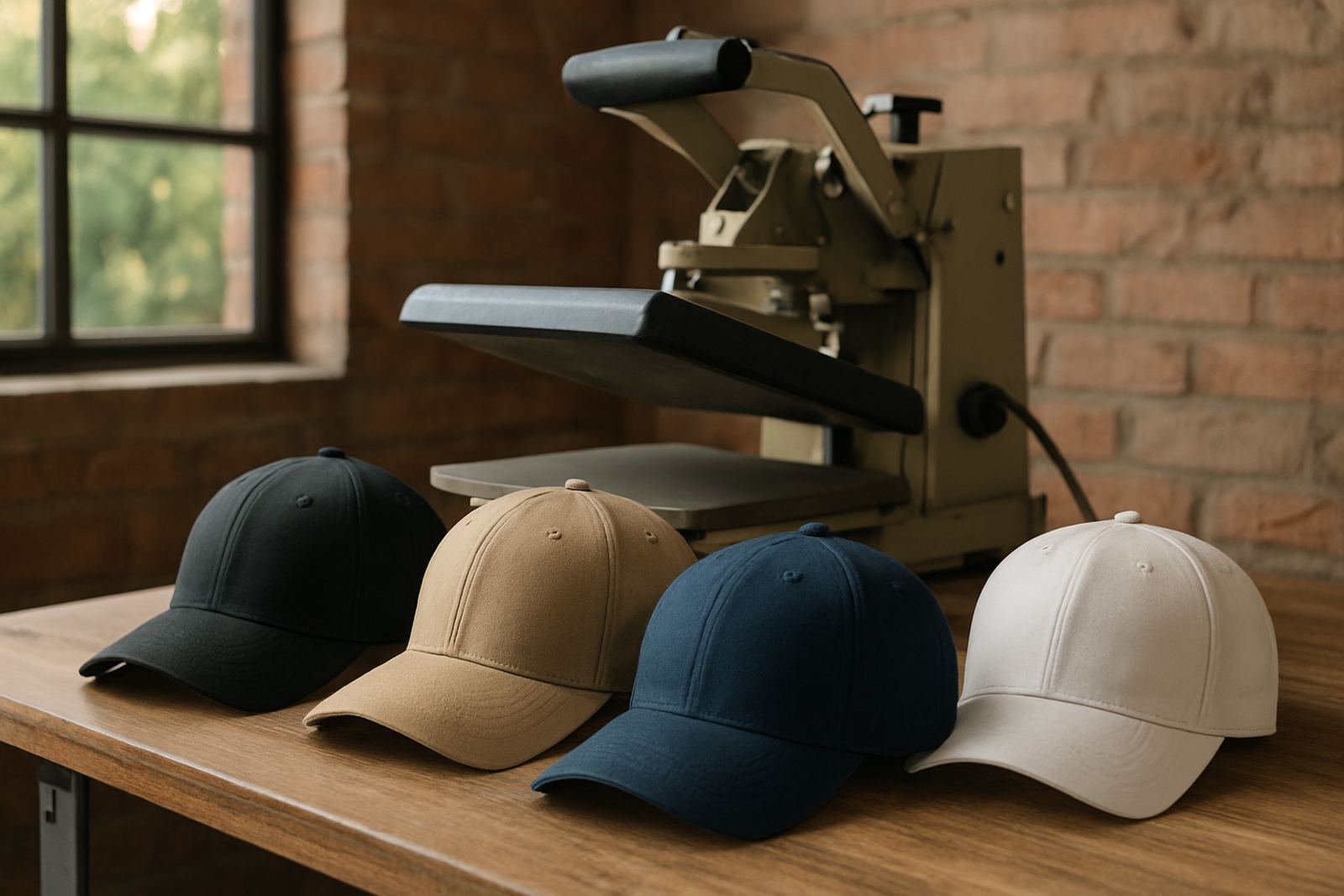
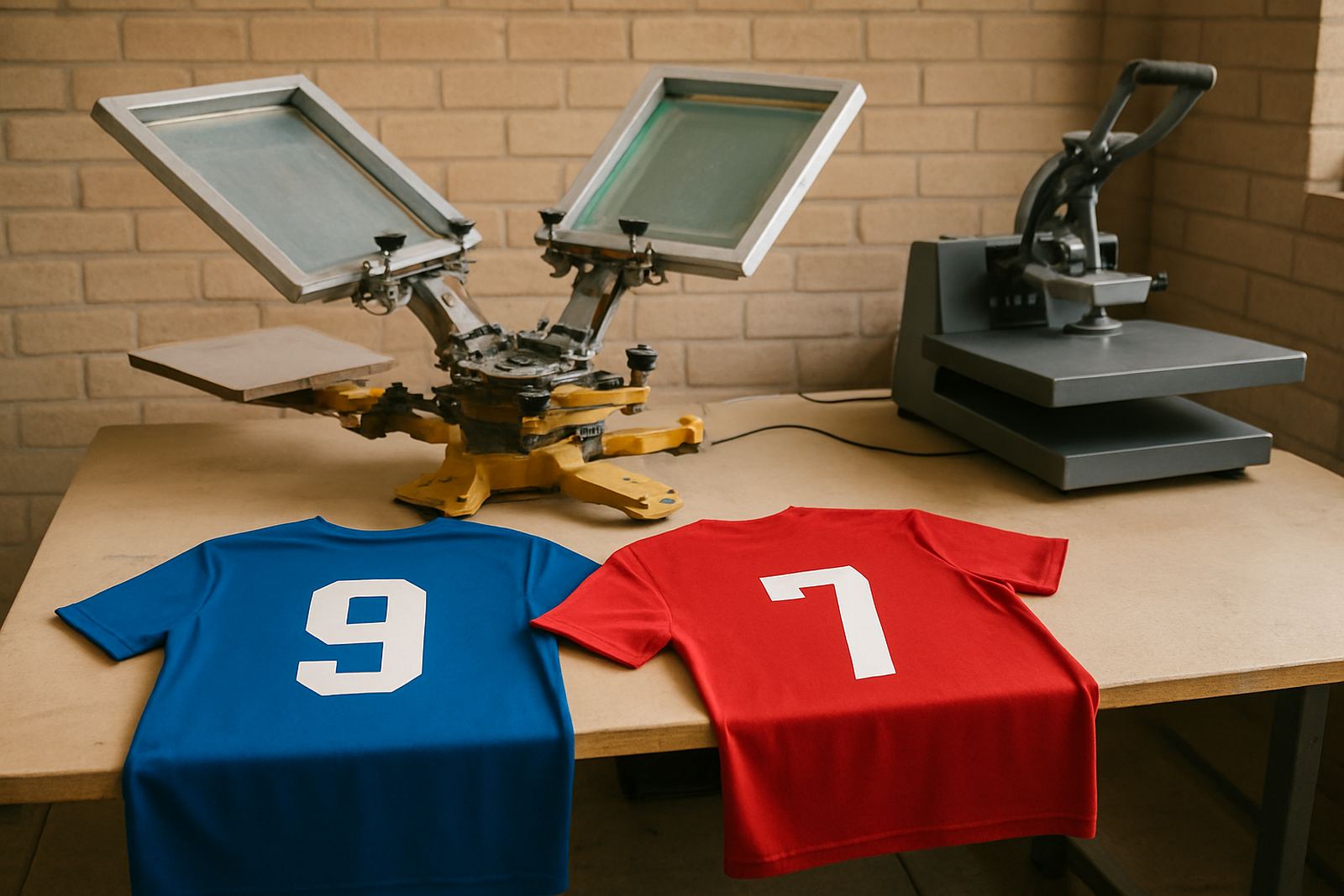
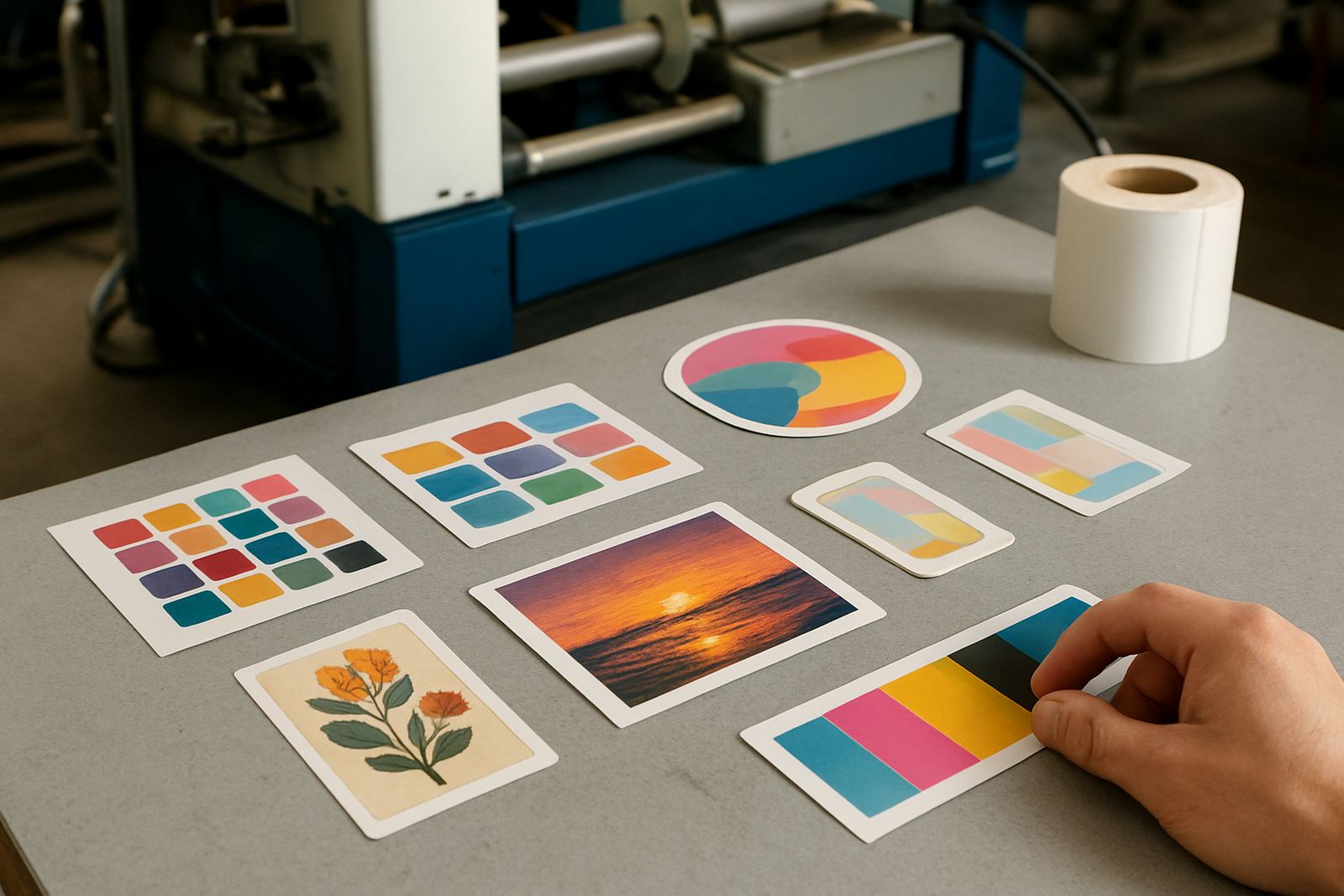
For sample runs, the equipment set usually starts with a compact digital printer, a transfer machine or press, matching toners or inks, and the correct media for the substrate. For garment decoration that may include transfer films, textiles and finishing sheets. For label work it may include roll media, liners and protective finishes. The key is not size alone, but repeatability.
- Digital printer for short colour runs and proof sets
- Transfer machine or heat press with even pressure and stable temperature
- Colour-managed toners, inks or consumables matched to the media
- Cutting and finishing tools for trimming, weeding or sheet preparation
- Backup power planning for brief outages and safe shutdowns
We often advise shops to keep one machine dedicated to samples and approvals, instead of mixing those jobs with day-to-day production. It saves time and avoids confusion when a client asks for version B after already signing off version A.
A workable floor plan for a small production area
A sample-run area does not need a huge footprint, but it does need order. Leave clear space for receiving, printing, curing or pressing, and packing. If the machine is too close to a wall or window, heat and dust become problems fast. In Midrand, many shops run out of light industrial units where 20 to 40 square metres is enough for a tidy sample line if the flow is planned correctly.
Keep media stored off the floor and away from direct sun. For label work, dust control matters because even small particles can show on a proof. For garment work, leave enough room for garment prep tables, cooling time and a clean pack-off area. Good cable management matters too because people trip over extension leads when the lights go out, and that is where damage starts.
- Place print and press stations in a straight work path
- Keep consumables close, but not in the heat zone
- Use a dry, lockable area for colour-critical media
- Allow space for maintenance access on both sides of the machine
- Fit surge protection and a practical UPS where needed
Common mistakes that cost money on sample jobs
The biggest mistake is treating a sample run like a one-off favour instead of a production process. Once the client approves the sample, they expect the final order to match. If you do not record settings, media batch numbers and curing details, the second run can drift. That means rework, delays and extra cost.
Another issue is under-budgeting for consumables. Short runs use more changeover time per unit, so a cheap looking quote can turn into a loss very quickly. We also see operators using the wrong media profile or skipping printhead care because the job is small. That is short sighted, especially when the machine needs to perform again the same afternoon.
For label and garment work, watch these errors closely:
- Rushing colour approval without a signed sample
- Mixing test stock with final stock
- Ignoring humidity and storage conditions
- Using worn rollers, dirty platens or blocked nozzles
- Not allowing time for drying, cooling or curing
Budget ranges for sample-run setups in Rand
Budgets depend on whether you need a proofing station, a small production unit, or a more flexible setup that can handle both garments and labels. As a guide, a practical entry-level sample-run setup can start around R85 000 to R180 000, especially if you are focusing on one process and keeping the footprint small.
A more complete setup with stronger output, better colour control and added finishing can sit between R180 000 and R450 000. Shops that want higher speed, multiple media types and stronger redundancy often plan from R450 000 upwards. That is before layout changes, power backup, and any training needed for the team.
When we help a client budget, we usually break it into four lines:
- Machine and core accessories
- Consumables and first stock of media
- Installation, operator training and colour setup
- Maintenance, spares and power protection
Support that keeps sample work repeatable
Sample-run success depends on consistency more than speed. Our team in Midrand supports print shops with machine installation, operator training, preventive maintenance, breakdown repairs, colour calibration, media profiling, printhead care, remote support and consumable planning. That helps your staff keep the same result from one approval run to the next.
For shops serving Gauteng, the wider South Africa market, and neighbouring countries, we also help with workflow advice so the sample line fits the real workload. Thabo Mokoena leads the business, with support from Naledi Khumalo, Johan van der Merwe, Ayanda Ndlovu, Ridwaan Ismail and Lerato Maseko. If your client needs proofing, test prints or a first low-volume launch batch, the setup should be simple enough to run daily, not just when things are quiet.
Who should use a sample-run setup
Sample-run equipment is a good fit for garment decorators, label printers, promotional shops, contract printers and in-house production teams that need quick approvals. It also suits businesses testing a new product line before they commit to larger quantities. If your customers ask for small colour changes, seasonal versions or private-label work, a proper sample line gives you room to respond without chaos.
For Midrand, Sandton, Pretoria, the East Rand and West Rand, we supply businesses that need practical machinery and consumables rather than overcomplicated systems. The aim is to get the sample approved, the final run matched, and the order out on time, with fewer surprises along the way.