Benoni demand for small-batch stickers
This job came from a Benoni print and packaging operation that had been outsourcing sticker work for years. Their customers wanted neat labels for cartons, jars, sachets, courier packs and promotional decals in runs that were often too small to justify outside production. The brief was simple enough on paper: keep the work local, improve turnaround times, and produce repeatable colour on short runs from 10 to 500 units without wasting media or toner.
The client also needed to handle a mix of materials. Some jobs were on gloss adhesive media, some on matte stock, and a few on clear self-adhesive sheets for window stickers and shelf labels. Because the work was mostly for packaging clients in Benoni, Springs and Boksburg, consistency mattered more than high volume. They did not want a machine that needed constant babysitting or a setup that fell over the moment power dipped during load-shedding.
What the brief required from the print room
The main constraint was space and production discipline. The print room was compact, so we had to work within a clean footprint and make sure the operator could move between printing, cutting and finishing without crossing cables or stacking jobs on the floor. Another factor was power protection. The area sees the usual Gauteng interruptions, and the client wanted enough cover for safe shutdowns, warm restarts and stable calibration after outages.
We also had to think about climate and storage. Benoni summers can be hot and dusty, while winter mornings are dry and cold, so the team needed sensible media handling and toner storage. Moisture control was less of a problem than on the coast, but dust on adhesive stock can still spoil a run. The brief called for colour accuracy, clear instructions for operators, and a process that would allow one person to manage most daily jobs with limited supervision.
- Short-run label and decal production for packaging clients
- Mixed media handling, including gloss, matte and clear adhesive stock
- Reliable operation through municipal power interruptions and restarts
- Simple workflow for one main operator plus backup staff
Equipment and consumables supplied
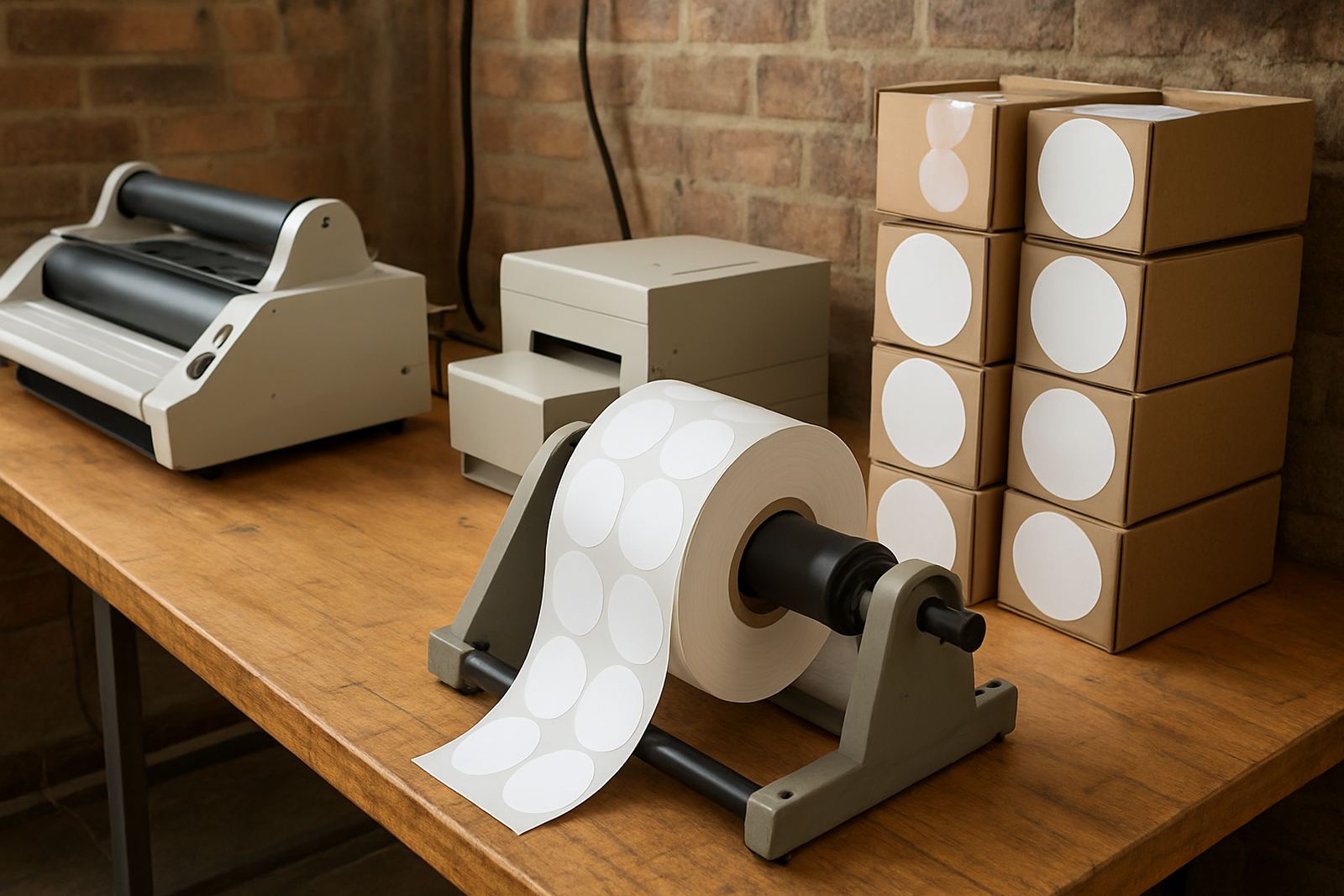
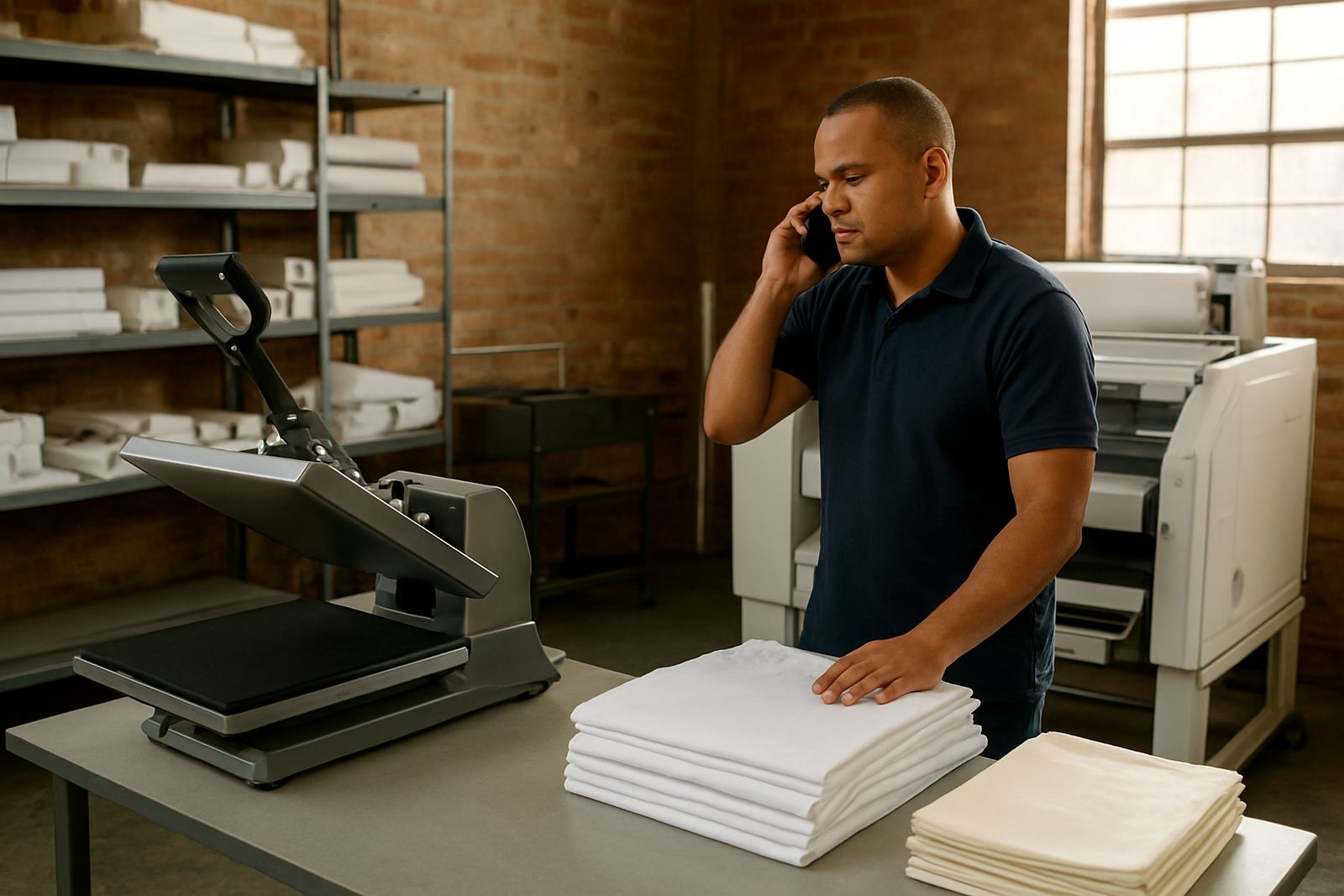
We supplied a specialised digital print setup suited to colour labels and decals, together with transfer and finishing equipment for controlled output. The system was matched to the client's average run sizes and the type of work they were quoting on, rather than pushed toward big commercial volumes. We also supplied toners, test media, calibration tools and the right cleaning items for printhead care and routine maintenance. That combination gave them a practical base for daily production instead of a machine sitting underused most of the week.
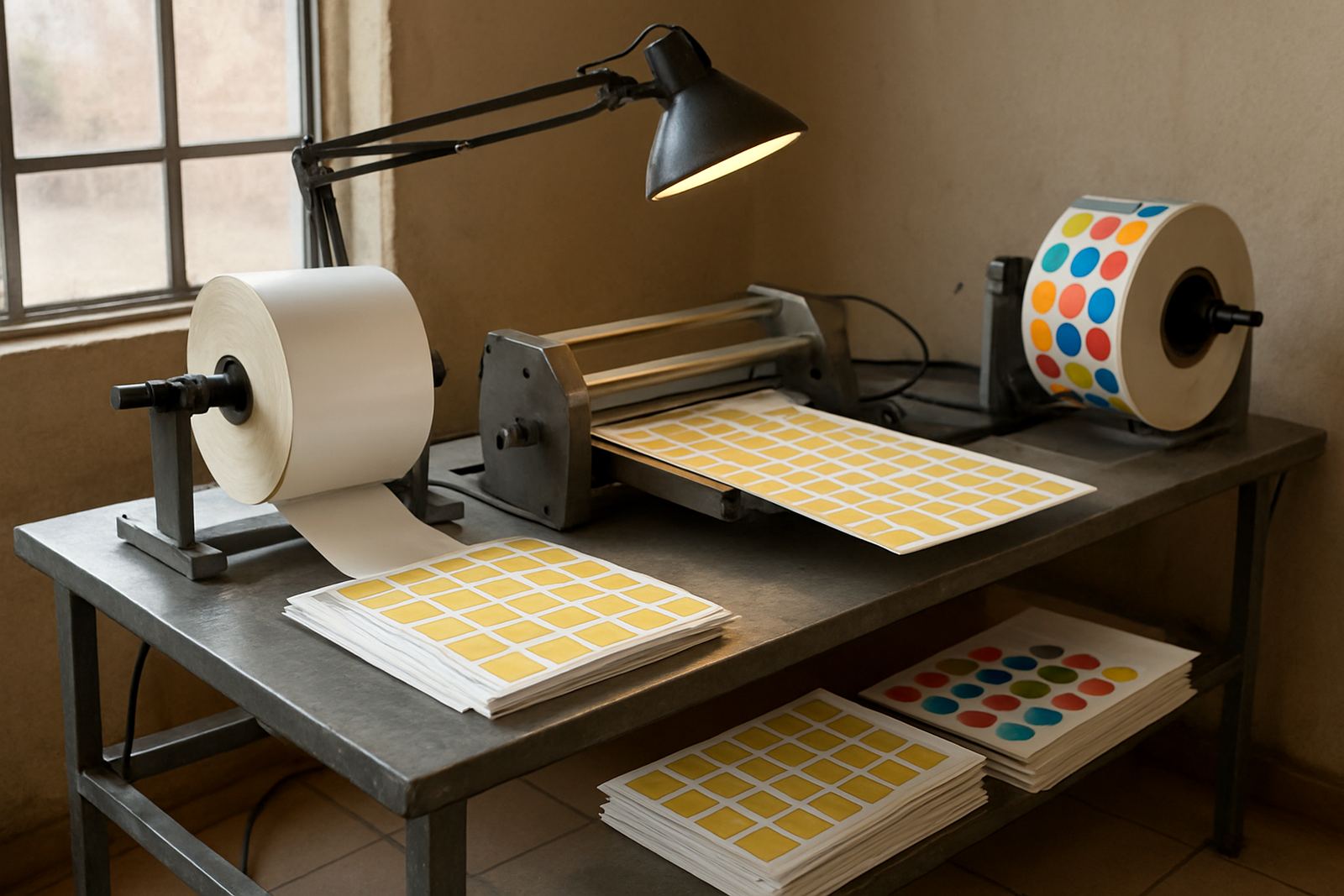
Key specs included support for short-run colour work, consistent registration for sticker sheets up to A3 size, and a finish suitable for small label batches that needed clean trimming. We selected media profiles for the main stock types they used most often, and we set up workflow notes so the operator could move from file prep to print to cut with fewer mistakes. The first week was spent checking density, edge sharpness and toner adhesion across the common stock types, then locking those settings in for repeat jobs.
- Digital colour output for label and decal work
- Adhesive and transfer media matched to common packaging jobs
- Colour calibration and media profiling for repeatable results
- Consumables planned around regular short-run demand
Installation, training and sign-off in Midrand
The machine installation and commissioning took place at our Midrand base before the client collected the full setup for their Benoni site. We checked alignment, performed colour calibration and ran sample jobs on the stock they supplied from their own production room. Once those samples passed inspection, we moved into operator training with the production team. That included job setup, media loading, printhead care, daily cleaning and what to do if a print stopped mid-run due to power loss.
Training was kept practical. We worked through real jobs instead of theory, including a small run of round labels for packaging seals and a batch of rectangular stickers for carton closures. The client wanted their staff to be comfortable within the first few days, so we kept the process clear and repeatable. By the end of week two, the main operator could handle routine production without assistance, and the backup team knew enough to step in when needed.
- Week 1: installation, calibration and sample testing
- Week 2: operator training and workflow setup
- Week 3: live production trials on client stock
- Week 4: handover and remote support checks
Results for the Benoni packaging team
By the end of the fourth week, the client was producing stickers and decals in-house for the first time. Turnaround improved because they no longer waited on outside suppliers, and small jobs that once took several days could now be turned around same week, often same day if artwork was ready. Their quoting also became sharper because they could give customers a real answer on print quantity, media choice and finish rather than guessing at outsource costs.
The colour work held up well across repeat orders. That was the main win. Packaging clients care about labels matching from one batch to the next, especially where the same design is used on different product sizes. After profiling the main media types, the team was able to repeat jobs with less waste and fewer rejected sheets. There was also a nice side effect: because the work stayed in Benoni, courier costs came down and urgent reprints became far less stressful.
For a local sticker shop, that kind of control is worth more than fancy kit on its own. The result was a production line that matched the scale of the market they actually serve, not a machine chosen for a much larger factory. It fit the town, the client base and the daily workload, which is exactly what this sort of setup should do.
Support we would repeat on the next rollout
If we were doing the same project again, we would follow the same pattern: start with the client's most common jobs, set the machine around those jobs, then train the operator on the exact routine they will use every day. That keeps the setup practical and cuts down on expensive trial and error. We would also budget early for preventive maintenance, spare cleaning items and toner planning so the team does not run short in the middle of a busy week.
For a Benoni or East Rand operation, we would keep remote support in the plan from day one, because it saves time when a setting drifts or a file needs checking. The value is not just in selling equipment. It is in making sure the shop can keep printing when orders stack up, power blips or a customer changes a design at short notice. That is what makes short-run sticker work commercially useful in a place like this.
- Begin with the top 10 repeat jobs before expanding the range
- Lock in media profiles for each stock type used most often
- Keep spare consumables on hand for at least two busy weeks
- Use preventive maintenance from the first month, not after a breakdown
Key facts
| Project location | Benoni, Gauteng |
|---|---|
| Timeline | 4 weeks from install to handover |
| Core output | Short-run stickers and decals |
| Typical run size | 10 to 500 units |
| Media types | Gloss, matte and clear adhesive stock |
| Support included | Installation, training, calibration and remote backup |