What matte label media is and why printers use it
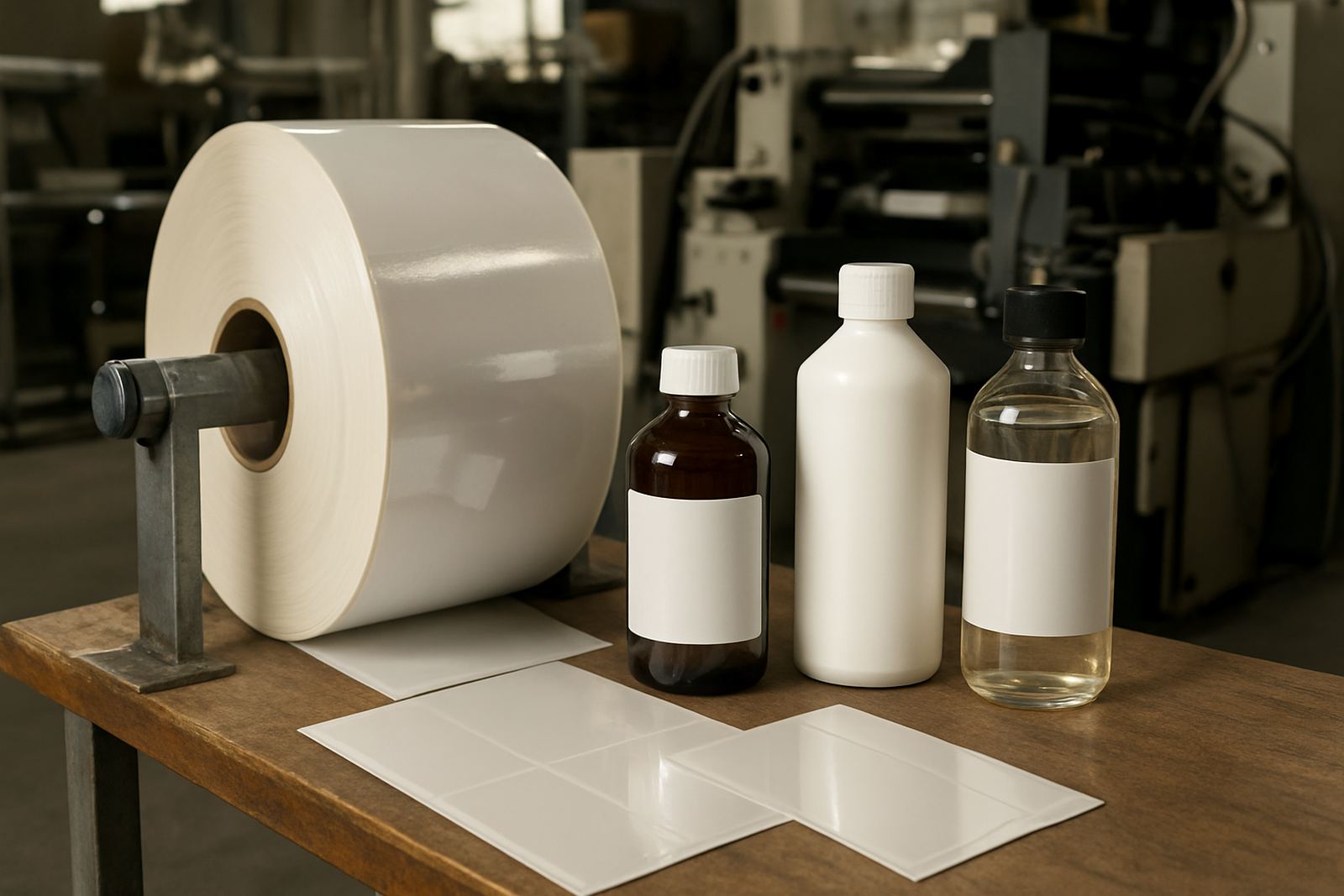
Matte label media is a coated or uncoated label stock with a non-shiny face, made for printed product labels where readability matters more than gloss. It is often chosen for batch labels, bottle labels, carton labels, sample packs and stock identification because text stays easy to read under bright shop lights and in packing rooms. The finish also gives a more understated look for brands that want a premium, practical feel without reflection.
For print shops handling short runs, matte stock is useful because it takes variable information well, such as batch codes, dates, flavour names, part numbers and barcodes. It is also friendlier for handwritten marks than glossy label films, so it works well where the customer still fills in details after printing. If you are running mixed jobs through the week, from 50 labels to a few thousand, matte stock helps keep turnaround simple and consistent.
In Gauteng and coastal areas alike, the finish is popular because it hides minor handling marks better than gloss, and on some packaging it looks less busy. That can matter on clear jars, brown kraft cartons or white plastic containers where a shiny surface might feel too loud.
Common sizes, face stocks and adhesive choices
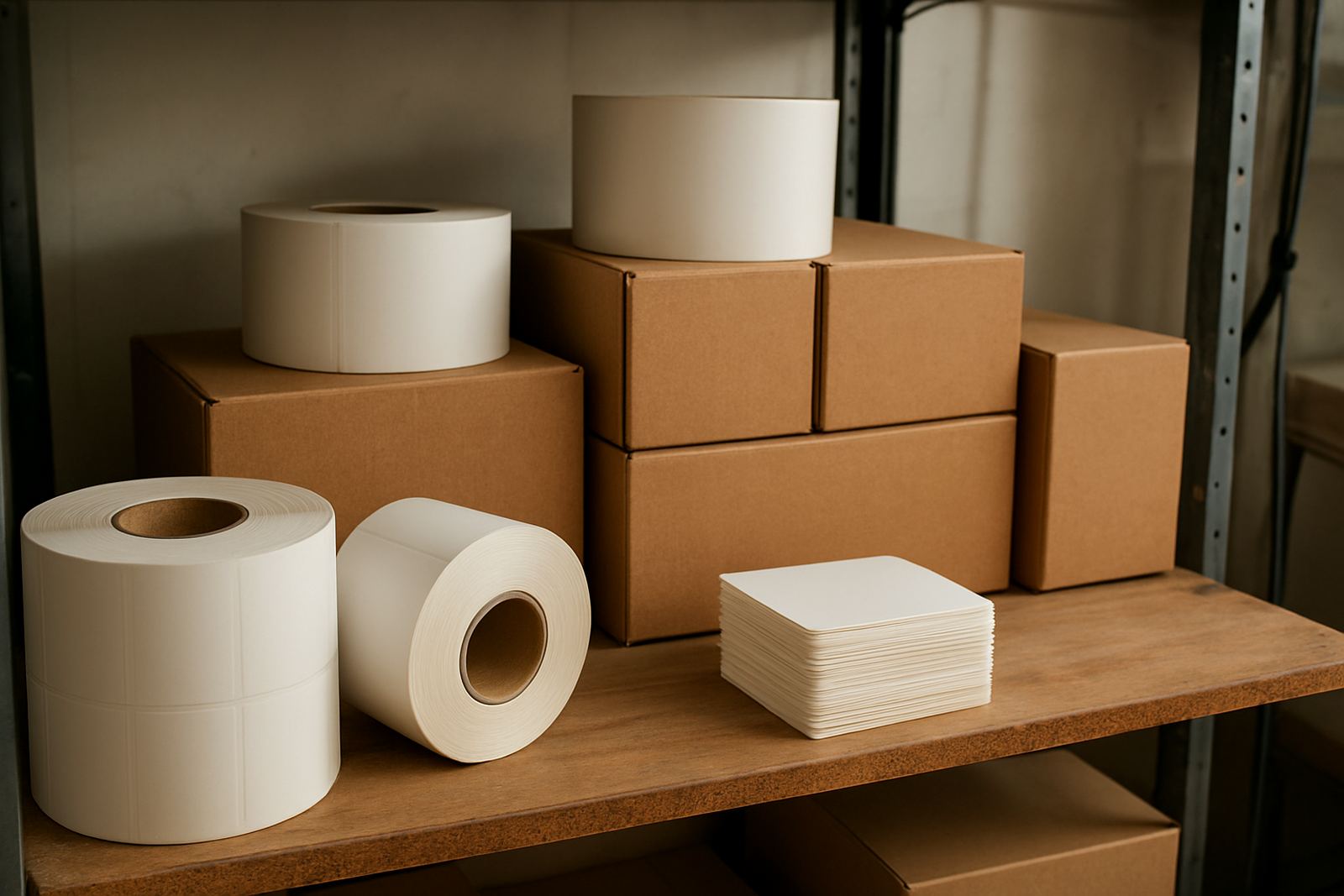
Matte label media is available in sheet or roll formats, depending on your printer and finishing setup. Shops usually ask for standard widths and lengths that suit digital label presses, transfer systems or desktop production printers. The right choice depends on your cutter path, label shape and how much waste you can accept on the roll.
- Roll widths commonly used: 100 mm, 150 mm, 200 mm, 250 mm and 330 mm
- Label lengths: from small 30 mm sticker jobs to longer 150 mm product panels
- Core sizes: 25 mm, 40 mm and 76 mm depending on the machine
- Face stock options: white matte paper, premium matte paper, synthetic matte film
- Adhesives: permanent, removable and high-tack for difficult surfaces
- Formats: die-cut labels, continuous rolls and custom slit widths
White matte paper is usually the most cost-effective for cartons, jars and general product labelling. Synthetic matte film is better where moisture, handling or refrigeration is part of the job, because it resists scuffing and softening better than paper. If you are printing for chilled stock, bathroom products or items that may see condensation, ask for the exact adhesive and face stock combination before you place the order.
Best uses for retail, packaging and writable labels
Matte label stock suits a wide range of jobs where a neat finish and easy writing are both useful. It is common in food packing, cosmetics, health products, warehouse stock control and promotional packs. Because the surface is not glossy, pen marks tend to sit cleanly on the label instead of beading or smudging, which is a real advantage in packhouses and smaller production lines.
It also works well for labels that need to carry technical details. For example, a brewery might use it for flavour stickers and carton IDs, while a labelling shop might use it for batch naming and internal tracking. If the label must be scanned, matte face stocks are usually easier to read with barcodes than very shiny materials, especially where lights sit low over the conveyor.
- Good for short-run product launches and frequent artwork changes
- Useful for seasonal packaging, tasting packs and refill labels
- Suitable for warehouse identification and shelving notes
- Works well where staff must add dates or notes by hand
- Often chosen for packaging that needs a calm, clean presentation
If your client is picky about presentation, matte labels can make a simple design look much more considered. On the other hand, if the product depends on a high-shine luxury look, another face stock may suit better, so it is worth checking the end use before printing 5 000 units and finding the finish is not right.
Printing compatibility, installation and power requirements
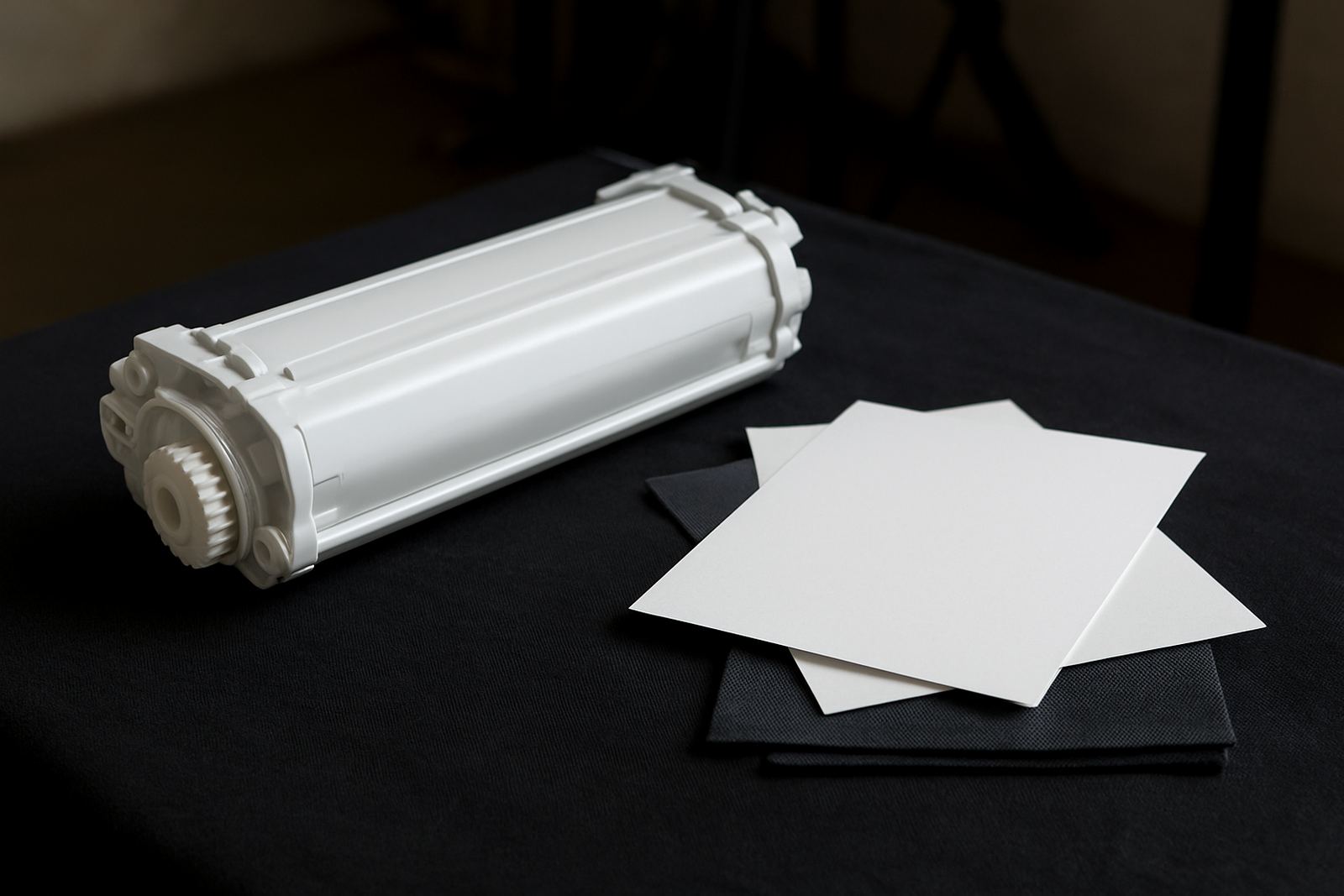
Matte label media is generally straightforward to run on digital label printers and transfer-based systems, provided the roll is matched correctly to the machine. Before installation, check the unwind direction, core size, roll outer diameter and whether the printer needs gap sensing, black mark sensing or continuous feed. A roll that is loaded the wrong way can waste both media and time, especially when the operator is under pressure.
Most label printers and finishing units need standard single-phase power, but the exact draw depends on the machine, heaters and drying setup. Some production setups are happy on a normal 230 V supply, while others need a dedicated circuit and proper surge protection. In areas where load-shedding is part of daily life, it is worth planning for a UPS or inverter support for control systems, and making sure your printer shuts down cleanly rather than stopping mid-roll.
No gas supply is needed for matte label media itself. If a workflow uses drying or curing equipment, that is a separate check for the machine in question. In humid coastal conditions, keep open rolls in sealed packaging until needed and allow stock to acclimatise before use. That helps avoid curling, feeding issues and slight changes in adhesive feel.
Care, storage and routine servicing
Label stock lasts best when stored flat, dry and away from direct sun. Keep rolls off the floor, away from water ingress and away from areas where dust builds up near cut edges. If your workshop sits close to the coast, humidity control matters because paper face stocks can pick up moisture and lose feed consistency. In Midrand and other inland areas the challenge is often dust and temperature swings, especially in units that open onto the yard.
On the printer side, regular servicing helps keep matte media feeding cleanly. Dust, adhesive build-up and worn rollers can affect registration and edge tracking, even on a good quality roll. A sensible maintenance routine includes printhead care, platen cleaning, roller checks and periodic calibration. That keeps the output sharp and reduces wasted labels.
- Store in original wrapping until use
- Keep stock between stable indoor temperatures where possible
- Avoid stacking heavy cartons directly on label rolls
- Inspect for edge crush, curling or adhesive bleed before loading
- Clean rollers and guides on a regular schedule
If a label begins to lift at the corners, the issue may be storage, adhesive choice or the surface being printed onto. It is not always the media itself, so a quick test on the actual packaging material can save a lot of back-and-forth later.
What to confirm before you place an order
When ordering matte label media, the safest approach is to match the stock to the printer and the final packaging surface. Ask for the exact face stock, adhesive type, core size, roll width and label pitch. If the labels must withstand chilled storage, condensation or rough handling, mention that upfront so the right material can be recommended. A label that works well in a dry storeroom may not behave the same once it is on bottles going through a fridge.
You should also confirm whether the artwork includes variable data, cutting marks or barcode placement, because these can affect how much white space is needed around each label. If the client uses handwritten batch notes, leave enough writable area and choose a face stock that accepts pen clearly. For suppliers and print shops shipping across South Africa and into neighbouring countries, it is also worth checking carton quantities and lead times so stock can be planned with less rush.
- Confirm the printer model and core size
- Check whether the job needs paper or synthetic face stock
- Specify permanent, removable or high-tack adhesive
- Share the final label size and artwork repeat
- State if labels must be writable, scannable or moisture resistant
Good ordering info saves time at the machine and reduces spoilage. It also makes repeat buying simpler, since the same spec can be kept on file for the next run.
Key facts
| Product type | Matte label media for digital and transfer-based label printing |
|---|---|
| Face stock | White matte paper or synthetic matte film |
| Format | Rolls or sheets, with custom slit and die-cut options |
| Core sizes | 25 mm, 40 mm or 76 mm |
| Adhesive options | Permanent, removable or high-tack |
| Typical uses | Product labels, writable labels, batch labels, retail packs and stock identification |