What Food Pack Labels Need to Do on the Shelf
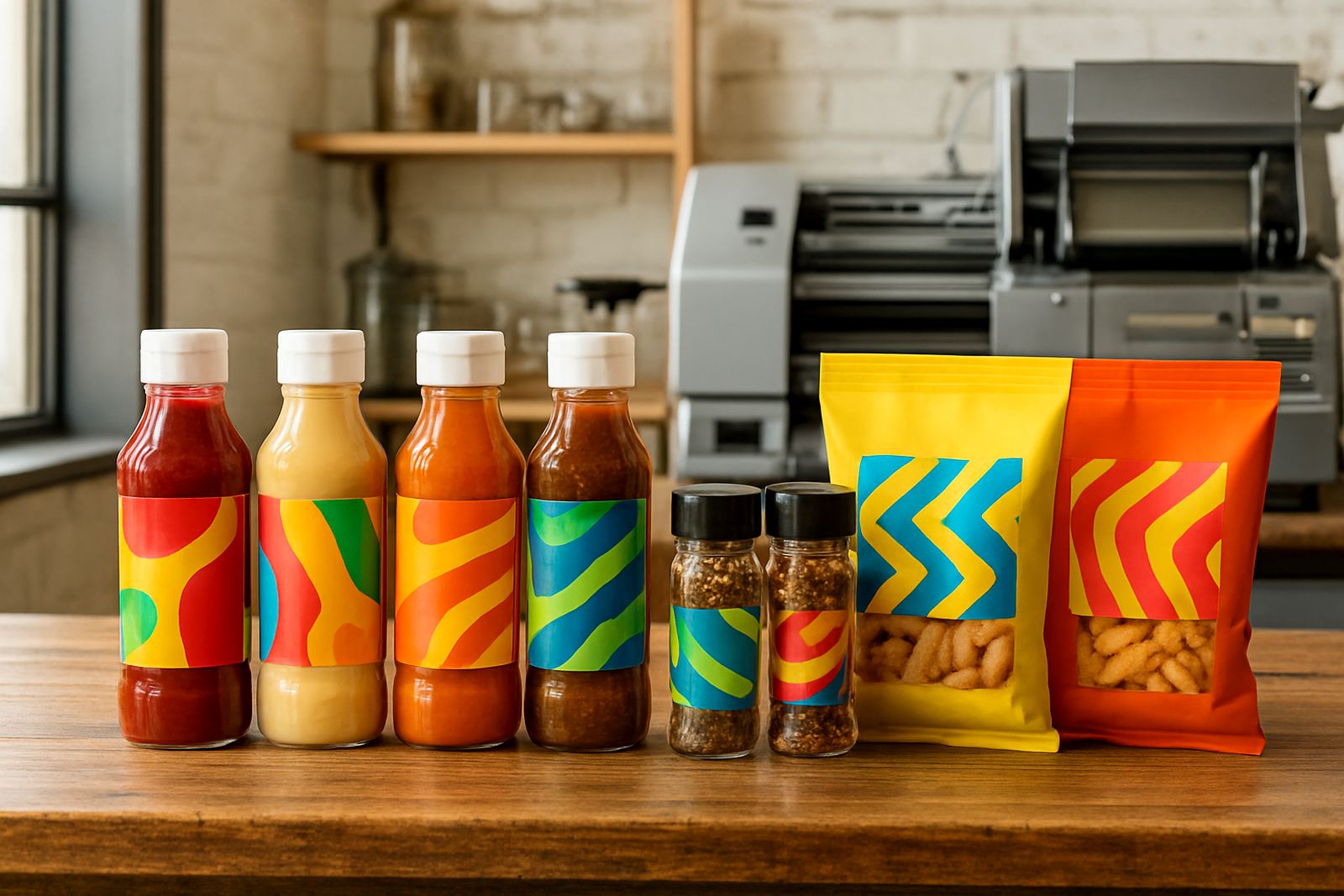
Food labels carry more than a product name. They need to survive handling, fit the pack shape, and still read clearly under shop lighting, in a cold room, or after a courier trip from Midrand to Durban or Bloemfontein. For small producers, the label often does the selling before the customer tastes the product, so colour, finish, and layout matter just as much as the recipe inside.
For jams, sauces, biltong, spice jars, frozen meals, baked goods, and ready-to-eat snacks, label choice should match the pack surface. A curved bottle neck has different demands to a flat pouch. Condensation from fridges and freezers can cause peeling or smudging if the substrate and adhesive are wrong. In coastal areas like Durban or Gqeberha, humidity can also affect storage and application, so the label stock needs to suit local conditions, not only the artwork.
Typical Printing Setups for Short Food Runs
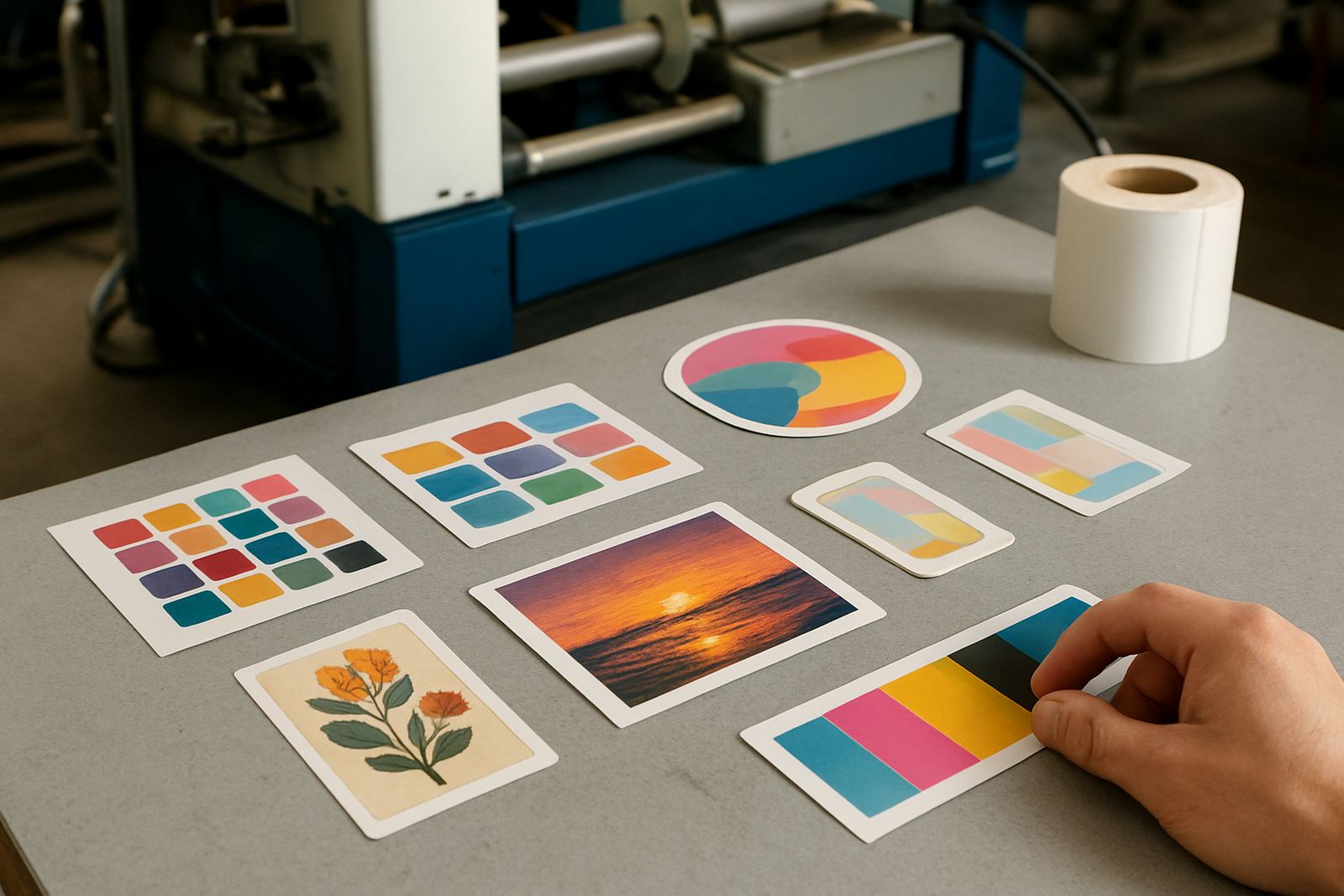
Most smaller food producers start with short-run digital label printing because it lets them change flavours, batches, and seasonal specials without holding piles of old stock. A practical setup often includes a digital printer for colour label work, a cutting or finishing unit, and suitable media for the pack type. If you are printing for 200 jars this week and 500 pouches next week, flexibility saves money and storage space.
- Short-run colour printer for product labels and batch changes
- Cutting or finishing equipment for kiss-cut or contour-cut labels
- Transfer machinery for some packaging and outer wrap applications
- Media suited to chilled, dry, or mildly oily surfaces
- Colour management tools for repeatable brand colour from one run to the next
For producers working from shared kitchens, smaller packhouses, or township-based facilities, compact equipment can be a better fit than large industrial systems. It keeps power use lower, which helps during load-shedding, and it is easier to place in a clean print corner with limited floor space.
Layout and Compliance Planning Before You Print
A good food label starts with the pack dimensions. Measure the usable face area, the wrap around point, and any curved sections where text may distort. Leave enough space for mandatory details such as ingredient list, allergen notes, net weight, batch or lot coding, storage instructions, and best-before information. If the label is too busy, the small text becomes hard to read and the pack loses shelf appeal.
Keep the main product name simple and readable from arm’s length. Put flavour or variant details where customers expect them, and avoid crowding the front panel with too many claims. If the pack is small, prioritise the essentials first, then work out what can move to the back or side panel. It is better to have a clean label with clear information than a cluttered one that needs reprint after reprint.
- Measure the actual pack, not the sample photo
- Allow for bleed and safe margins on every edge
- Check colour contrast on white, clear, or kraft media
- Leave room for batch coding and expiry dates
- Confirm local food labelling requirements before final print
Common Mistakes That Cost Time and Stock
One common mistake is choosing a label stock that looks good on day one but fails in chilled storage. Another is using artwork set for one pack size across multiple containers without adjusting the proportions. A small jar and a 500 ml tub do not carry the same label well, even if the branding stays the same. When the label needs to fit a different bottle shape, the text can stretch or drop off the edge if nobody checks the proofs properly.
Another issue is overprinting in advance before the recipe, barcode, or legal wording is final. If you change a flavour name or packaging size after the print run, the old stock sits on the shelf and eats cash. We also see producers skipping adhesion tests on oily, dusty, or lightly textured surfaces. That usually ends in lifting corners, and once the label starts lifting, the product looks tired and untrustworthy.
Budget Ranges for Food Label Printing in Rand
For a small food business in South Africa, budget depends on print volume, label size, and how much finishing you want to do in house. A starter digital setup for short-run label work can begin at around R85,000 to R180,000, depending on print width, colour capability, and finishing needs. A more complete setup with better media handling, finishing, and colour control can sit between R180,000 and R450,000 or more.
Consumables also need planning. Label media, toners or other print materials, cutting parts, and maintenance supplies should be priced into every batch. As a rough guide, smaller food labels can cost from a few cents to several Rand per label depending on size, stock, finish, and run length. If you print only 300 labels at a time, the unit price will be higher than for 5,000, so batch planning makes a real difference to your margins.
- Starter short-run setup: about R85,000 to R180,000
- Mid-level production setup: about R180,000 to R450,000+
- Consumables and media: budget monthly by volume and range
- Maintenance: include cleaning, care, and periodic servicing
How We Support Food Producers Across South Africa
From our Midrand base, we support print shops and food packaging users across Gauteng, the rest of South Africa, and neighbouring countries. That includes machine installation, operator training, preventive maintenance, breakdown repairs, colour calibration, media profiling, printhead care, remote support, consumable planning, and workflow advice. For a producer in Sandton, Pretoria, the East Rand, or further into Southern Africa, the goal is the same: dependable labels that stay consistent from one batch to the next.
If you are scaling from a weekend production line to regular retail supply, get the workflow sorted early. Match the label printer to your daily output, keep spare consumables on hand, and plan for power interruptions and busy seasonal periods. A sensible setup saves time, avoids reprints, and helps your product look right when it lands on the shelf, not just in the mock-up stage.