Start With the Product, Not the Printer
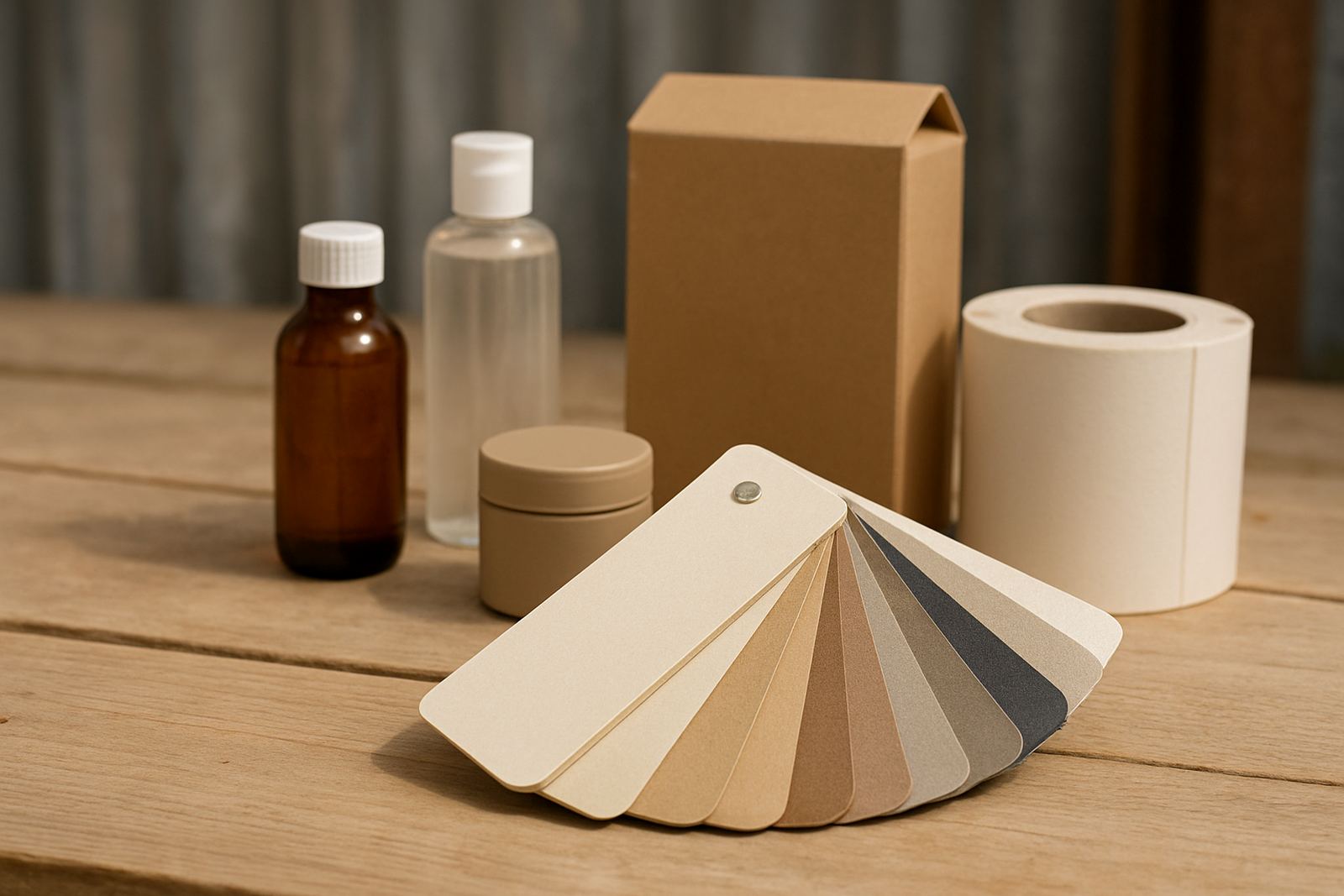
Before choosing a label stock, look at where the pack will live. A dry bakery label sitting on a carton in Pretoria needs different durability from a chilled food jar going into a cold room in Durban, or a cosmetics bottle that will be handled by hand and wiped clean. Short-run work often fails when the material is chosen for print appearance only, then the adhesive, moisture resistance or die cut shape causes trouble later.
For small-batch packaging, the common jobs are jars, pouches, bottles, carton seals and shipping labels. Paper stock is often right for dry goods, promotional packs and items with a short shelf life. Synthetic stock makes more sense when moisture, oil, handling or abrasion are part of the job. If the label must survive condensation, transport dust or repeated touch, test it before committing to the full run.
At our Midrand base we usually ask three simple questions first: what is the pack made of, where will it be stored, and how will it be applied. Those answers save time on press and reduce wasted rolls. A label that looks good on the machine can still lift at the edges if the surface is textured, curved or damp, so the substrate matters as much as the artwork.
Paper Label Stocks: When They Work Best
Paper labels are a sensible choice for many short runs because they are cost effective and easy to print in clean colour. They suit cartons, gift packs, dry ingredient jars, stationery packs and labels that do not need long outdoor life. For local makers in places like Sandton, Centurion and the East Rand, paper can be the best option when the product moves quickly through the supply chain and the pack stays dry.
They also work well where a matte finish is preferred and the label needs a natural, less glossy look. Paper can take fine text and barcodes well if the printer is set up correctly and the media surface is consistent. The weak point is moisture. In a humid storeroom or a fridge with condensation, paper can wrinkle, stain or soften at the edges.
- Best for dry goods, cartons and short shelf life packs
- Lower material cost for short runs
- Good for matte, natural looking presentation
- Less suited to cold rooms, splash zones or oily handling
- Needs careful storage away from damp floors and open doors
If you are printing batches for markets, special promotions or seasonal packaging, paper often keeps the numbers sensible. Just make sure the adhesive matches the surface and the label has enough lay flat area to avoid lifting on corners.
Synthetic Label Stocks: Built for Moisture and Handling
Synthetic labels are the safer option when the pack needs extra resistance. They are commonly used on cleaning products, cold chain packaging, bath and body items, chilled foods and containers that are wiped down or handled often. In South Africa, that matters because weather swings can be harsh, and stock may move between hot loading bays and cold storage in the same day.
Synthetic material is usually more stable than paper when exposed to condensation or light spills. It can also resist scuffing better, which helps when labels rub against each other in crates or on retail shelves. For label printers handling small batches, this means less rework and fewer complaints about faded or damaged stock. The trade off is cost, so it is worth using it where the application justifies the spend.
Some synthetic stocks feel slicker, which can affect print setting and ink or toner adhesion. If the job includes variable data or barcodes, check readability after curing or cooling. A label that scans well on the bench must still scan after packing and transport, especially on a pallet going out to neighbouring countries where road conditions can be rough.
How to Match Adhesive, Face Stock and Finish
The label face stock is only one part of the decision. The adhesive and finish must suit the surface and the end use. A smooth PET bottle, a recycled cardboard carton and a textured pouch all behave differently. If the adhesive is too aggressive, labels can wrinkle during application. If it is too light, the corners lift after a day in storage.
Finish also changes the result. Gloss can sharpen colour and give a clean retail look, while matte can make text easier to read under strong light. In shops with bright overhead lighting or on shelves near windows, the wrong finish can make small text harder to read. For busy production teams, it helps to standardise a few label constructions for the most common pack types rather than changing stock every job.
- Test adhesion on the actual container, not just on a sample sheet
- Check print cure or dry time before trimming or stacking
- Confirm barcode readability after handling and storage
- Store unused rolls flat, sealed and away from heat
- Keep a note of which stock worked on which pack type
In humid coastal areas, storage conditions can change how a label runs. Even in Gauteng, summer heat and load-shedding can affect printer stability and room temperature, so keep consumables in a clean, dry area and allow them to acclimatise before use.
A Simple Selection Process for Short Runs
When a job comes in, work through a short process so the team is not guessing. Start with the pack surface, then the environment, then the required life of the label. After that, choose the stock that gives the best balance of cost, appearance and durability. This keeps the shop floor focused and helps with repeat orders.
- Identify the product type and container material
- Check whether the pack will face moisture, oil, friction or cold storage
- Decide if the label must last days, weeks or months
- Choose paper for dry, short-life jobs and synthetic for tougher conditions
- Run a small sample and test print, cut and adhesion
- Record the settings for the next batch
This is especially useful for contract printers handling many small orders across Johannesburg, Pretoria and the West Rand. A repeatable process cuts down on wasted media and helps the operator spot problems early, before the full run is started.
Storage, Handling and Press Checks Before You Run
Even a good label stock can fail if it is stored badly or handled roughly. Keep rolls sealed until they are needed, and do not leave them on a concrete floor near a roller door. Dust and moisture will get into the edges. If the room temperature changes a lot during load-shedding, allow the media to settle before printing so the feed stays consistent.
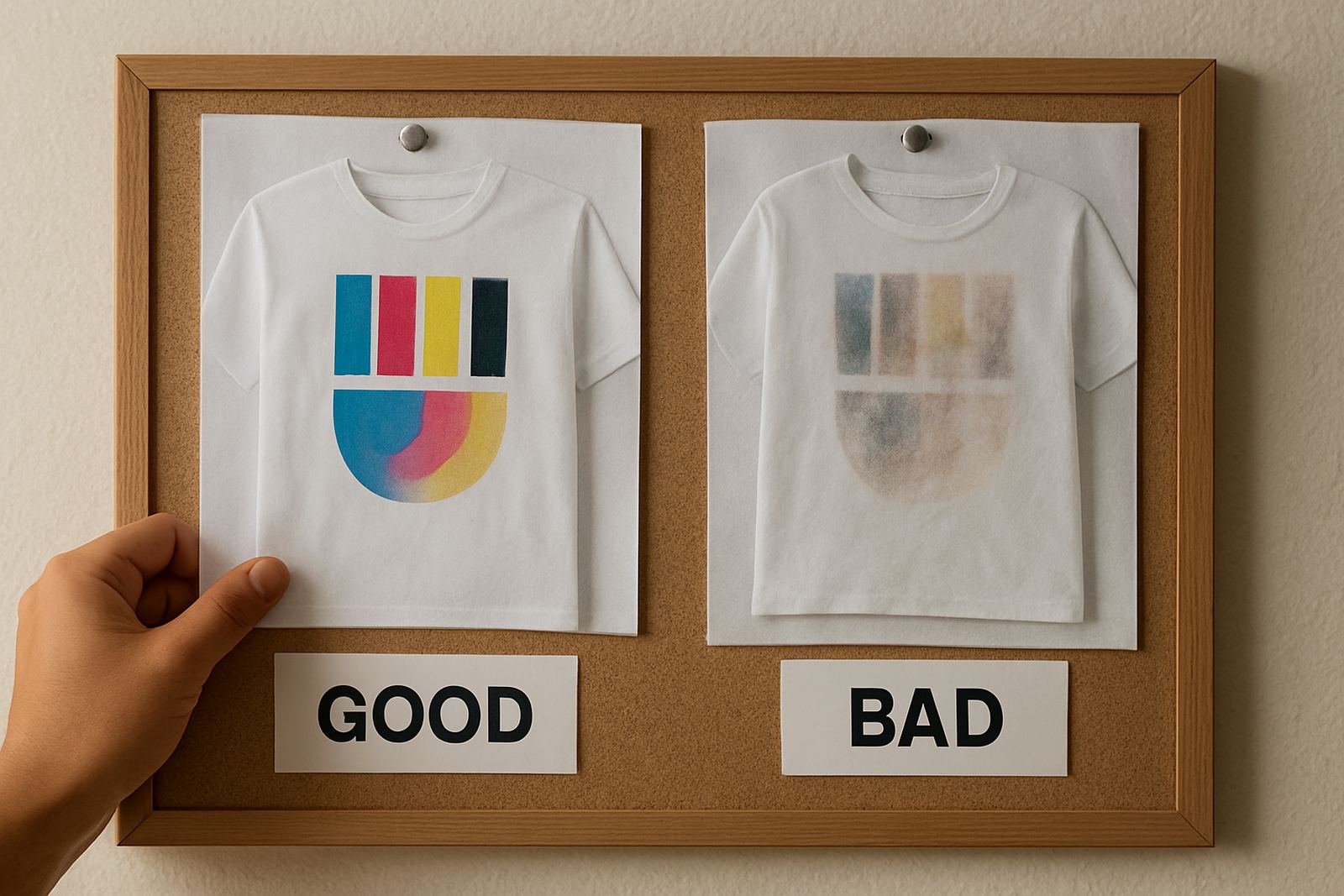
Before each run, inspect the roll edge, core condition and liner tension. Check that the printer path is clean and the media width matches the job. If the stock is new, print a short proof with the actual artwork, not a generic test strip. That proof should include fine text, a barcode and a solid colour block so you can see whether the media accepts the image evenly.
- Keep labels in their original packaging until use
- Do not stack heavy cartons on top of label rolls
- Wipe down feed paths and guides before long runs
- Check edge curl and liner release before production
- Proof every new stock on the final substrate
For shops working across the region, it also helps to keep notes on which materials travelled well. What works for a local handover in Midrand may need a tougher stock for courier transport into Botswana, Namibia or Zimbabwe.
When to Ask for Help on a Problem Job
Some label jobs are straightforward. Others need more attention, especially when colour has to match across repeat orders, or when a new media type is introduced to an existing workflow. If a job shows edge lift, poor barcode contrast, ink spread or inconsistent adhesion, step back and review the material, printer settings and application method together.
Our team supports print shops with media profiling, colour calibration, workflow advice, operator training and preventive maintenance. That helps when a shop needs to compare paper and synthetic stocks properly, or when a client wants one label to do several jobs without changing the whole production setup. Good label work is not only about the print result, it is about how the label performs after it leaves the machine.
When in doubt, start with a small controlled test and build from there. A few square metres of proofing can save a full roll of wasted stock, and that matters when every run has to land on time and within budget.