What the Centurion client needed from a first setup
The client was a start-up print shop in Centurion run by a single owner with one part-time assistant. The brief was straightforward: get a dependable entry-level production layout in place that could handle garment transfers, small label runs and short colour jobs without overbuying equipment. The owner wanted something that would fit into a compact industrial unit, keep monthly running costs under control, and still give enough room to grow into a second machine later on.
Cash flow was tight, so every item had to earn its place. The client did not need a large-format showroom setup or a line built for long-run commercial work. They needed a shop that could start making money quickly, keep waste low, and cope with local conditions like dust, load-shedding and summer heat in Gauteng.
- Location: Centurion, Gauteng
- Business type: owner-operated start-up print shop
- Work focus: garment decoration, short-run colour prints, label printing
- Space available: one compact production room plus a packing area
Room layout and workflow we planned
We started with the floor plan and working sequence, because in a small shop the order of movement matters just as much as the machines. The layout had to allow receiving, media storage, printing, curing, finishing and packing without people crossing back and forth with fresh work in hand. That matters when you are pressing transfers, checking colour, and trying to keep adhesive media clean in a warm room.
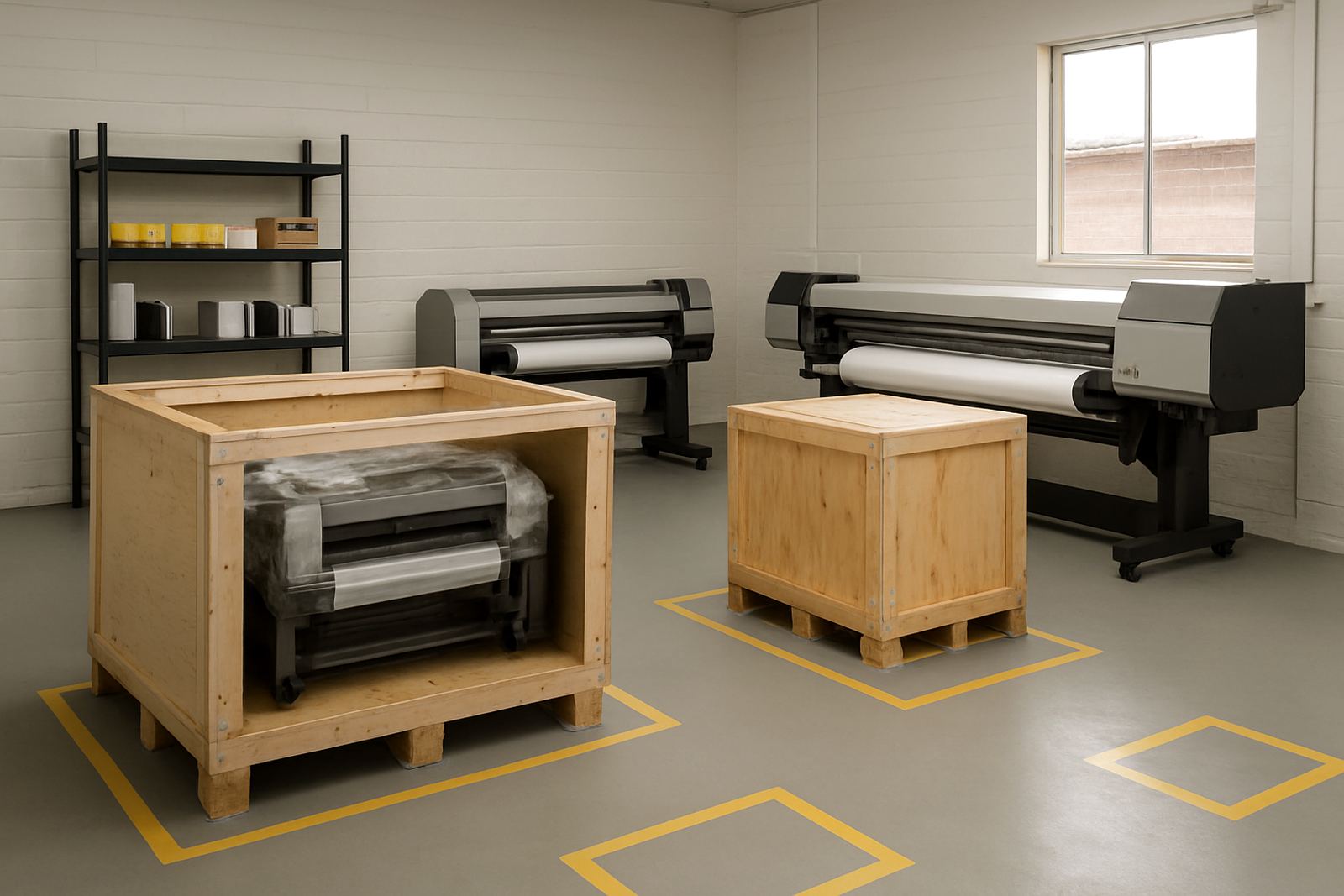
We set the space out in three clear zones. The first was for incoming stock and dry storage. The second held the print and transfer machines with enough clearance for operator access and service. The third was for finishing, inspection and packing. This reduced handling, cut the chance of mix-ups, and made it easier for the owner to work alone when needed. It also left room for a future upgrade without moving everything again.
- Clearances planned around machine doors, heat units and maintenance access
- Storage positioned away from direct sunlight and floor damp
- Power and cable routes kept simple for future generator or inverter connection
- Dedicated packing surface separated from wet or heat-sensitive work
Equipment and consumables matched to short-run production
The equipment list was built around the kind of work the shop expected in the first 12 months. We recommended entry-level production machinery with a practical duty cycle, not hobby-grade units that would struggle once the orders picked up. The printing side needed consistent colour, while the transfer side needed reliable heat and pressure control. For labels, we focused on media compatibility and toner stability so the output would hold up during handling and dispatch.
Consumables were planned at the same time, because a machine on its own does not make money if the stock line is wrong. We matched toner sets, transfer media, label stock and maintenance items to the projected order mix. That helped the owner avoid dead stock, and meant the shop could quote with better confidence. It also reduced the risk of emergency buying when a job came in on a Friday afternoon and the shop was already busy.
- Entry-level digital print engine for short-run colour jobs
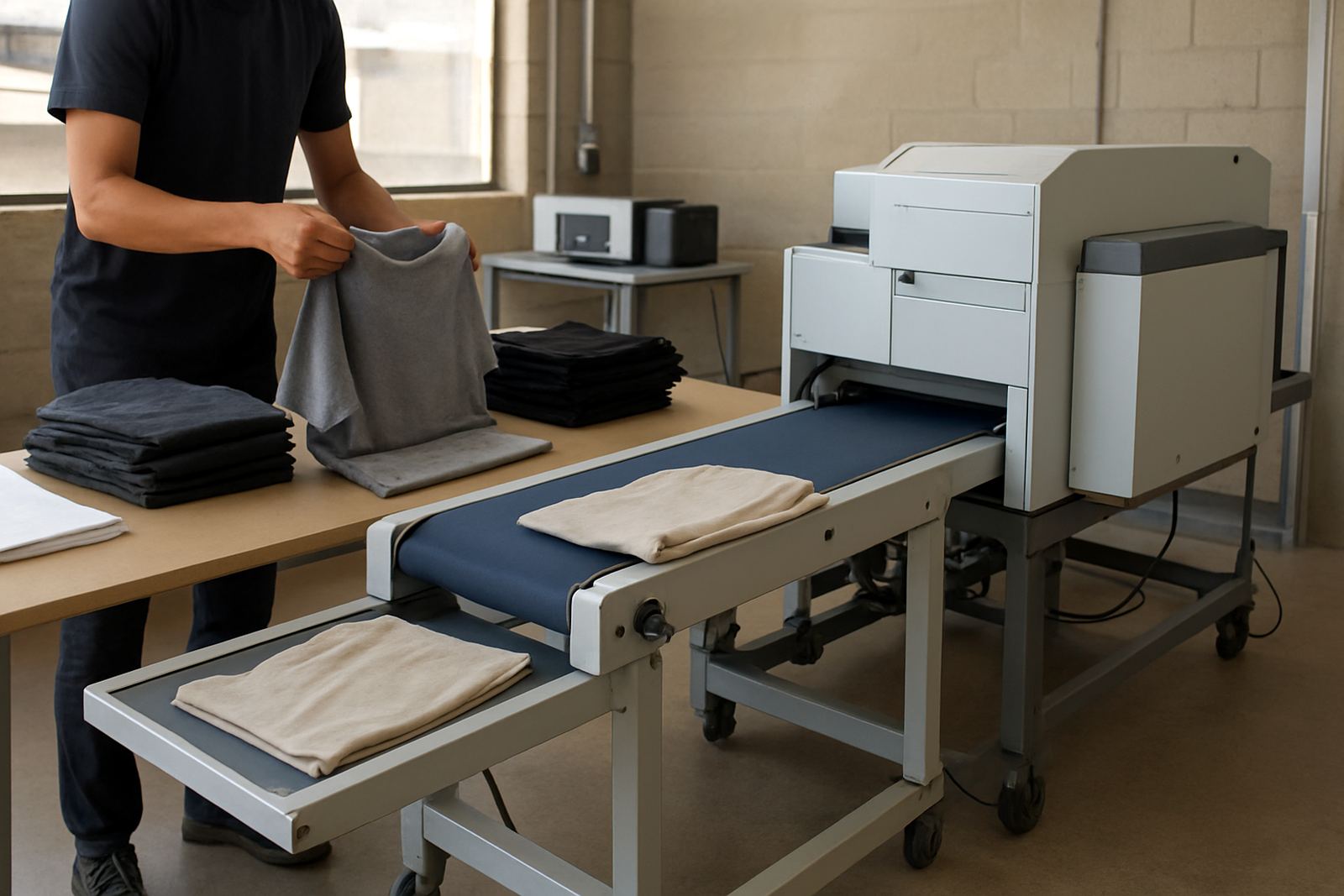
- Heat transfer machine sized for garment decoration work
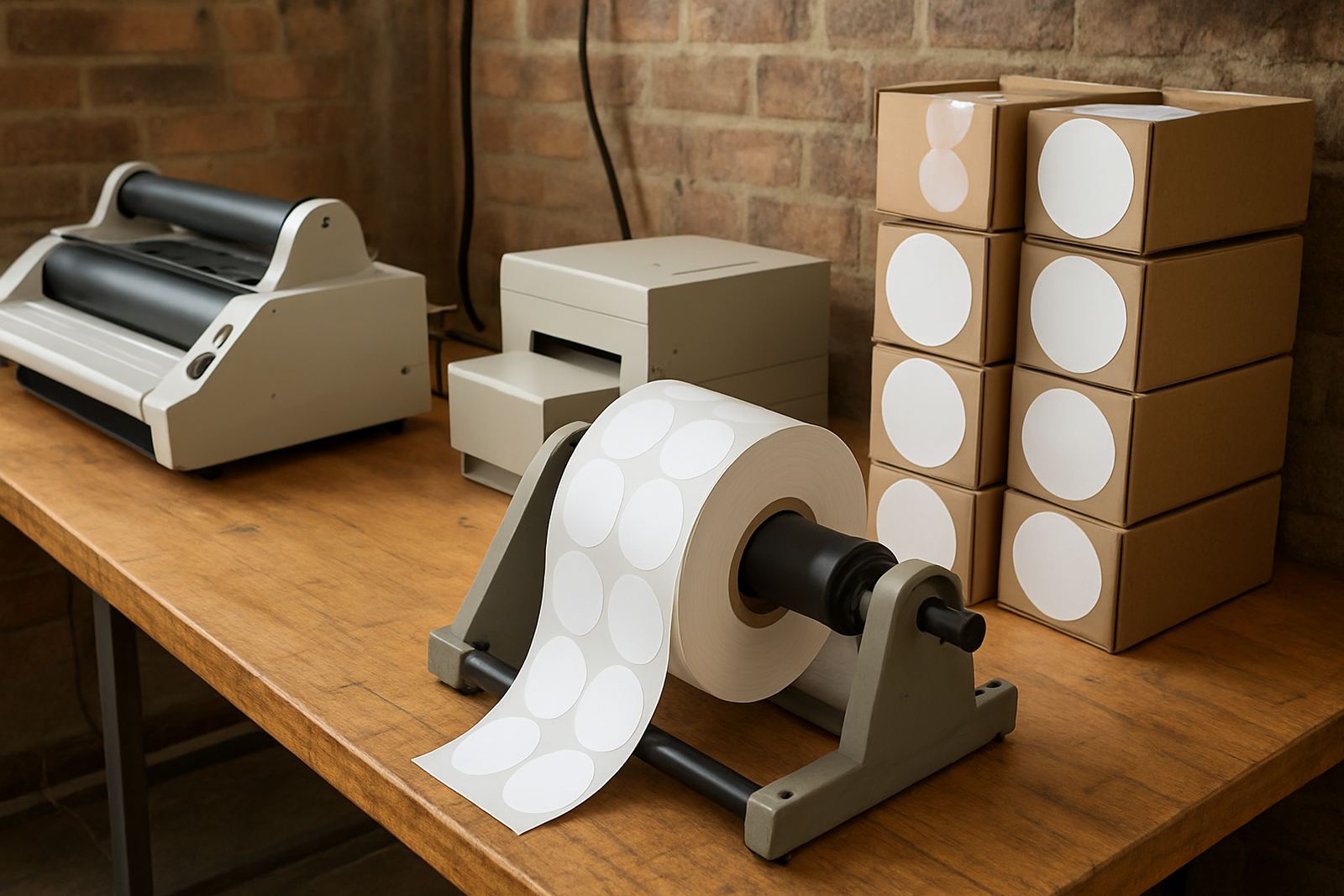
- Label media and toner selected for stable registration and sharp detail
- Basic cleaning, printhead care and calibration supplies included in the plan
Installation, training and calibration over three weeks
The project ran over three weeks from initial site check to handover. Week one covered the room review, power planning and final equipment selection. Week two was delivery, positioning and machine installation. Week three was training, colour calibration and test production. The owner wanted to learn enough to run the shop confidently without calling for help on every minor issue, so we kept the handover practical and hands-on.
Training covered everyday set-up, media loading, basic fault finding and cleaning routines. We also went through the impact of humidity, dust and poor storage on output quality. That matters in South Africa, especially when a shop is working through summer heat or trying to keep print quality stable during load-shedding interruptions. The client left with a working routine for start-up, shut-down and end-of-day checks.
- Week 1: site review and workflow planning
- Week 2: delivery, positioning and installation
- Week 3: calibration, operator training and test runs
- Remote support made available after handover for early production questions
Results after the first production jobs
Once the setup was running, the shop was able to start with small orders almost immediately. The owner could handle mixed jobs without the room feeling crowded, and the workflow made it easier to move from print to press to packing without mistakes. Waste dropped because the media choices matched the job sizes, and colour correction became quicker once the calibration routine was locked in.
The client also had better control over reordering. Instead of buying stock item by item, the shop now works from a simple consumable plan based on likely monthly usage. That helps with budgeting and keeps production moving during busy weeks. The result was not just a functioning print room, but a shop that could take jobs with proper lead times and realistic margins.
- Faster job changeovers between transfer and label work
- Cleaner stock control and fewer emergency purchases
- Better colour consistency on repeat orders
- More usable space in a small Centurion unit
What we would repeat for another new shop
If we were doing the same type of start-up again, we would keep the same approach: begin with the work profile, not the machine brochure. A small owner-run shop needs equipment that is easy to maintain, simple to teach and suited to the first 50 jobs, not just the first day. We would also plan power backup early, because even short interruptions can spoil a run or slow down customer collections.
We would again specify enough room for stock and maintenance access, because cramped setups create problems later. And we would keep the consumable list lean, with only the media and cleaning items needed for the first cycle of work. That keeps money available for marketing, transport and the inevitable one or two extras that always come up after opening. In a start-up, that discipline counts.
- Start with the actual job mix and available floor space
- Plan for inverter or generator support from the beginning
- Keep stock lines tight and practical
- Leave room for a second operator or second machine later on
Key facts
| Project town | Centurion, Gauteng |
|---|---|
| Timeline | 3 weeks from site review to handover |
| Shop size | Compact owner-operated production room |
| Work type | Garment decoration, label printing, short-run colour |
| Core services | Layout planning, installation, training, calibration, remote support |
| Power planning | Prepared for load-shedding and future backup connection |