Brief from a busy Fourways garment decorator
The client was a small but growing garment decorator in Fourways, Johannesburg, taking mostly walk-in and WhatsApp orders for birthday shirts, staff clothing, school events and branded gifts. The team wanted customers to place orders online, upload artwork, choose sizes and pay for short runs without going back and forth on every job. They also needed the production side to stay manageable when orders came in after hours and over weekends.
The brief was clear: keep the customer journey simple, keep the artwork standards consistent, and make sure the print room could handle single items right up to batches of 30 or 40 without wasting media or toner. The owner also wanted something that could work well in South African conditions, including load-shedding, patchy fibre in some parts of Fourways, and the usual rush before long weekends and school functions.
- Client type: garment decorator and personalised apparel supplier
- Town: Fourways, Johannesburg
- Work type: short-run web orders for garments and transfers
- Main use case: custom names, event wear, staff shirts and promo items
What had to be solved before the first order went live
The main challenge was not printing itself, it was order discipline. The shop already had the equipment and the know-how, but jobs were arriving in too many formats. Some customers sent phone photos, others sent low-res logos and a few expected same-day turnaround on files that were not print-ready. That created delays, colour shifts and avoidable reprints.
We mapped the whole process from online order to finished garment, then tightened the steps that usually cause trouble. Artwork uploads had to be checked before the job reached production, colour settings had to stay stable across repeated runs, and media use had to stay predictable because short-run work can burn through stock quickly. The shop was also working in a humid summer environment and needed print consumables stored properly to avoid curled media and inconsistent transfer results.
- Problem areas: poor artwork quality, inconsistent approvals, stock wastage
- Production risks: colour variation, media curl, order bottlenecks
- Operational needs: simple intake, clear job notes, fewer manual corrections
Equipment, workflow and consumables we supplied
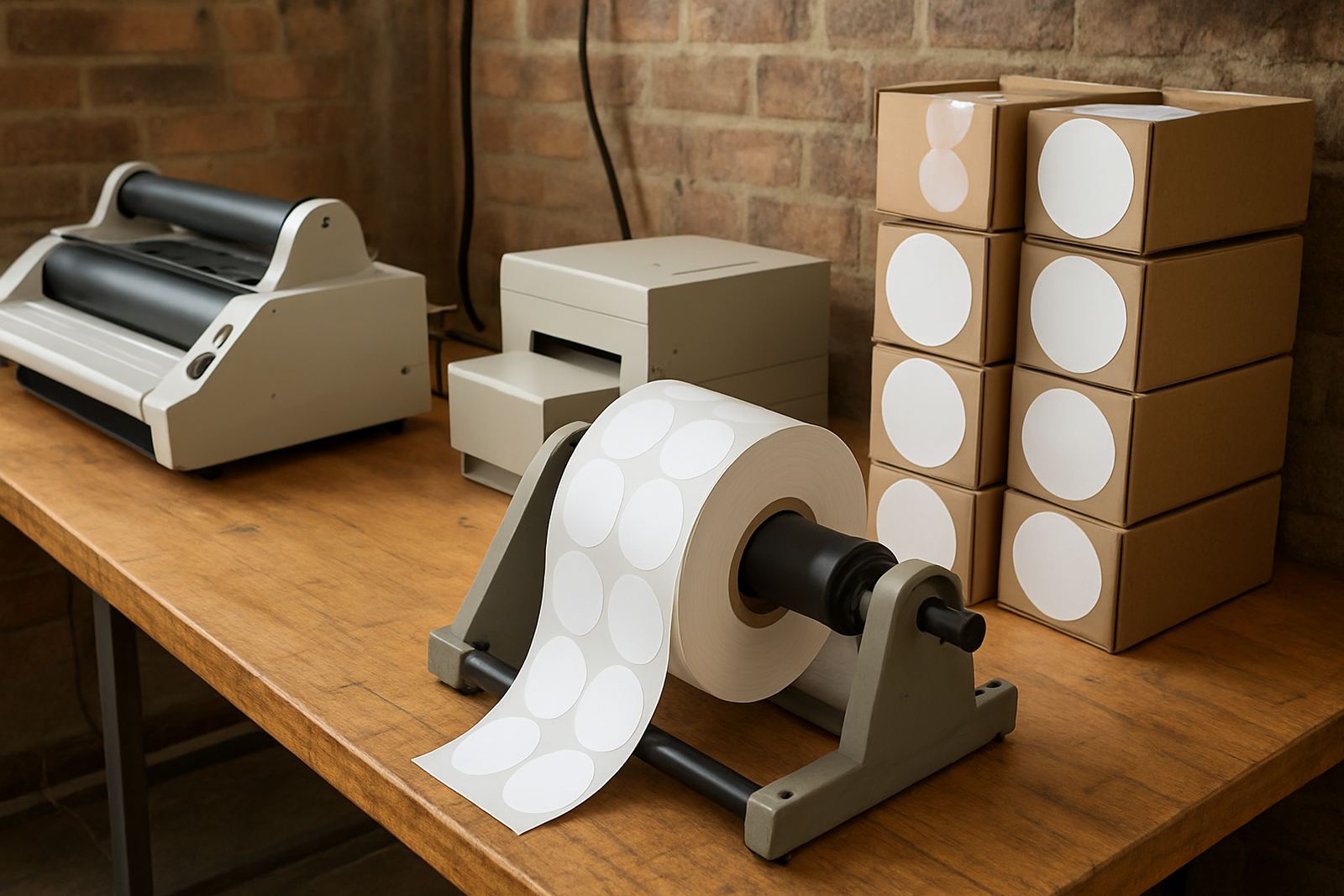
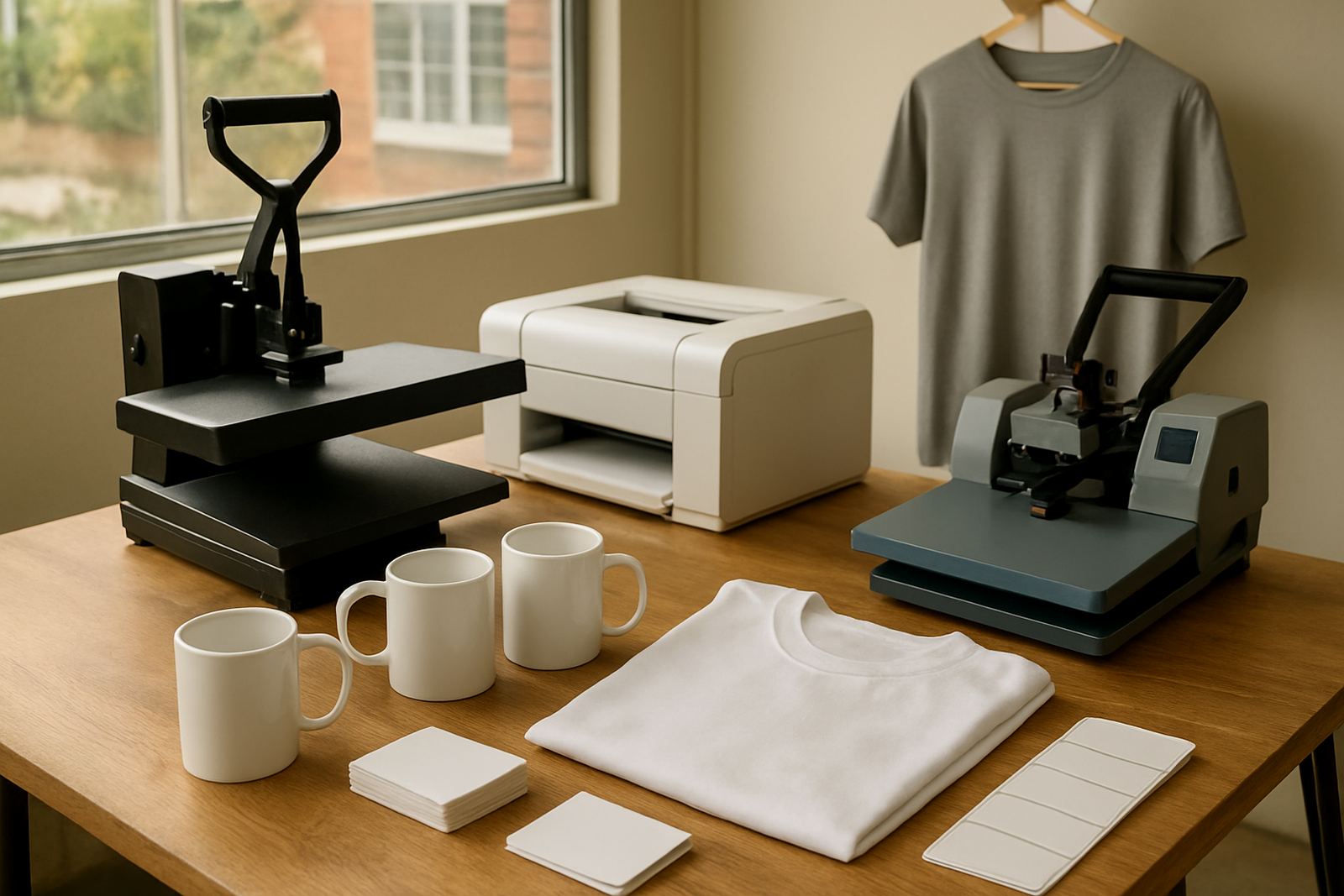
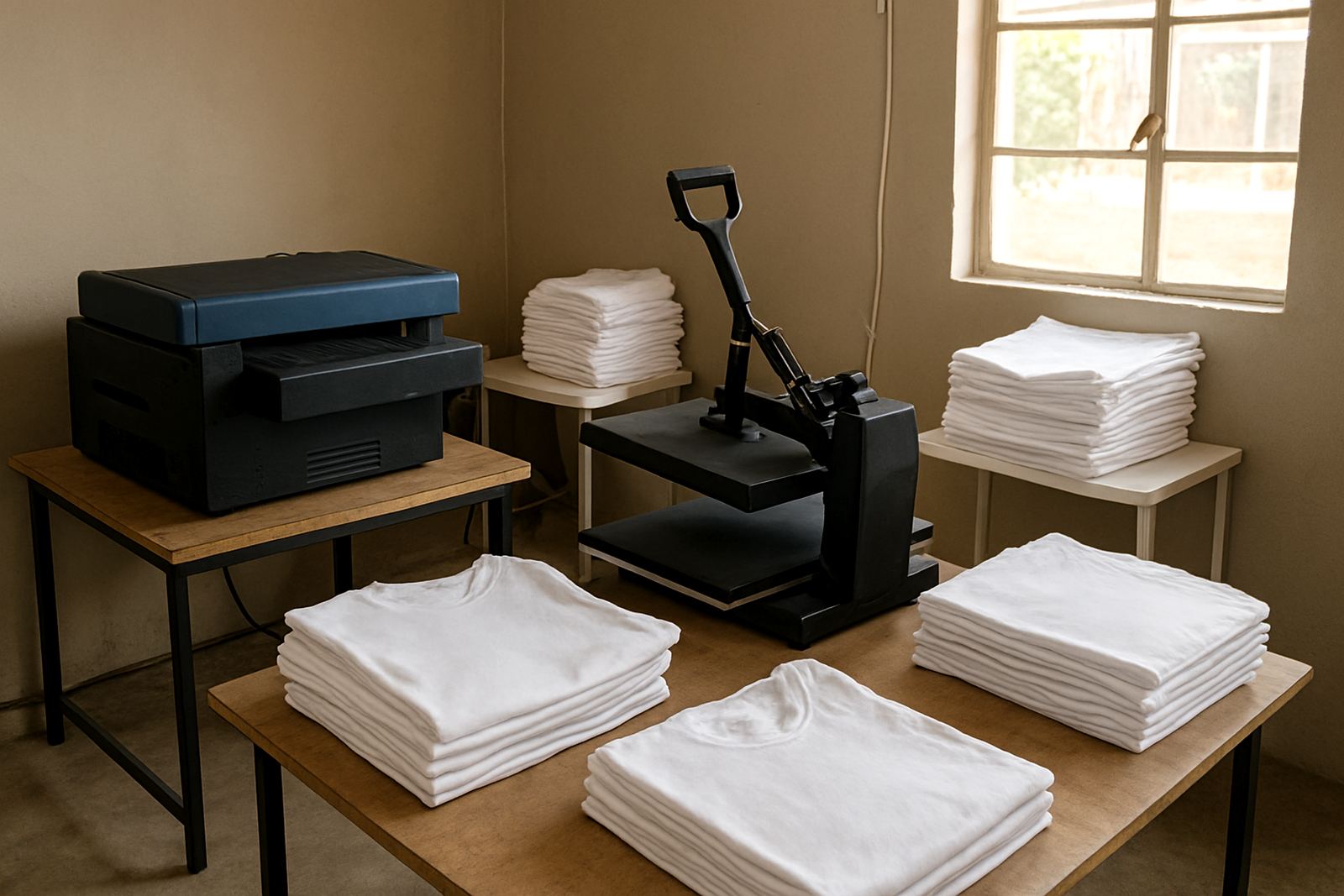
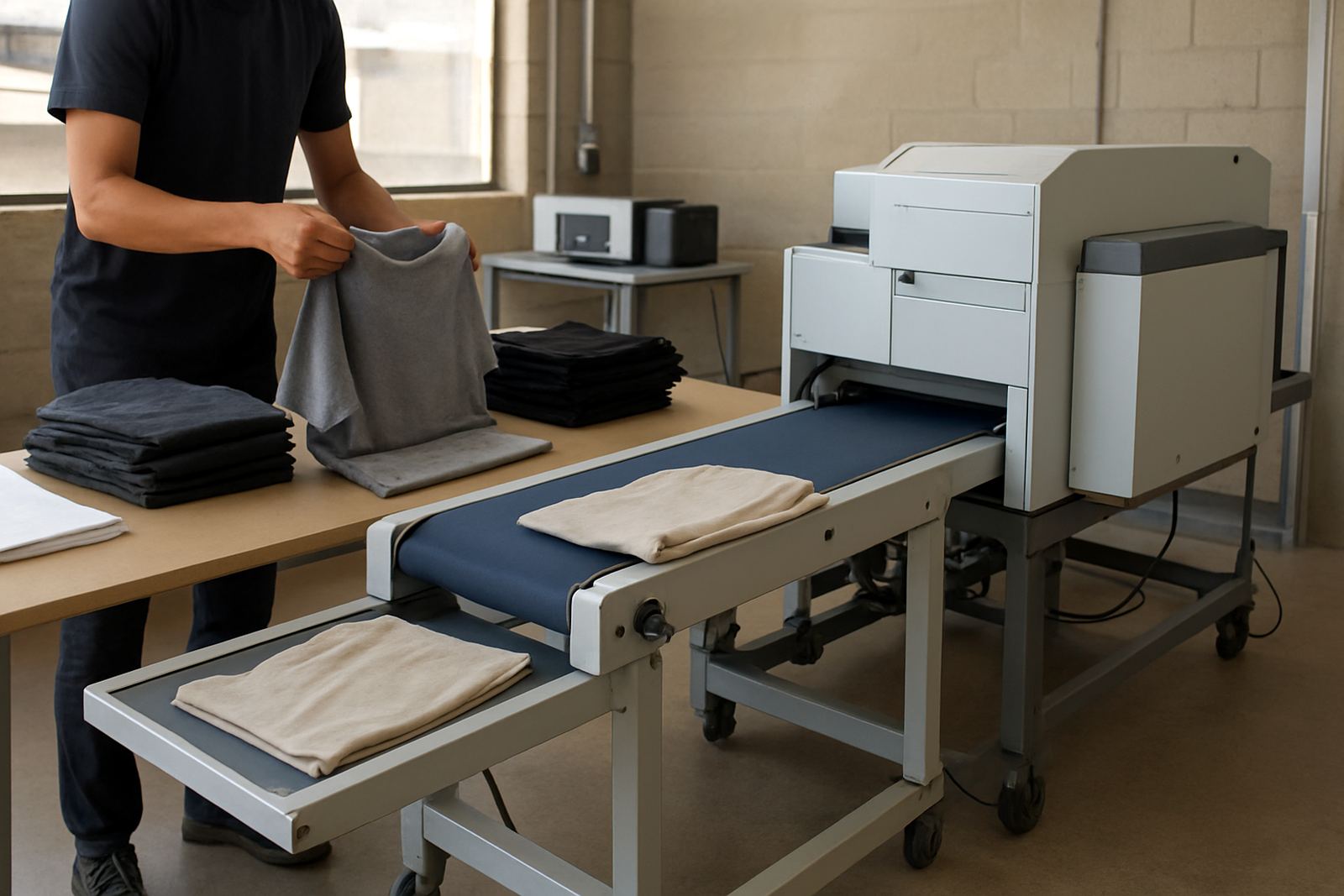
We supplied the print room side of the operation with specialised digital printing and transfer machinery suited to garment decoration and label work. The setup focused on short-run colour output, reliable toner handling and transfer consistency, so the team could produce personalised items without tying up the shop for hours. We also guided consumable planning so the owner could keep the right media on hand for peak periods, instead of over-ordering stock that might sit for months.
The workflow was built around practical production steps. Customer orders came in online, were checked for artwork quality, then moved to production notes that the operators could follow quickly. That included size, colour, quantity, garment type and the correct finishing method. We also set up colour calibration routines and media profiling so repeat jobs matched better from week to week. The shop benefitted from printhead care guidance and maintenance intervals that fit local load-shedding patterns and weekend trading.
- Supplied focus: digital printers, transfer machinery, toners and compatible media
- Workflow steps: order intake, artwork check, production notes, print, transfer, finish
- Support tools: colour calibration, media profiling, printhead care, consumable planning
Timeline and rollout in four weeks
The project moved quickly over four weeks. Week one was discovery and job mapping. Week two covered equipment alignment, sample runs and workflow structure. Week three handled operator training and order-to-production handover. Week four was for live testing with actual customer orders, plus fine tuning on print settings and approval steps.
Because the client needed to keep trading throughout the rollout, we worked around live orders and staged the changes in phases. That reduced downtime and gave the team time to build confidence on the new process. By the end of the fourth week, the staff were handling online orders with less back-and-forth, and the owner had better visibility on what was due, what was approved and what still needed attention. There was one minor delay when a batch of artwork came through in mixed file sizes, but the process held and the job queue stayed under control.
- Week 1: discovery and production mapping
- Week 2: equipment setup and sample output
- Week 3: training and workflow handover
- Week 4: live orders and adjustments
Results for the shop and its customers
The biggest change was speed and consistency. Customers could place orders online at any hour, which suited school parents and small businesses that do not have time to visit during the day. The shop reduced file corrections, improved repeat colour matching and spent less time chasing missing artwork details. That meant faster turnaround on the small jobs that usually eat up admin time.
From a business point of view, the client gained a better handle on short-run production planning. The team could see peak periods earlier, stock the right media and keep the print room moving even when electricity interruptions hit the area. The owner reported fewer rushed reprints, better control over toner use and more confidence in taking personalised orders that would previously have felt too messy to manage.
- Improved order intake for web and mobile customers
- Less time spent on artwork corrections and job chasing
- Better colour consistency on repeat garments
- More accurate planning for media and toner stock
What we would repeat on the next rollout
If we were doing this again for another garment shop in Sandton, Midrand or Pretoria, we would keep the same sequence: map the jobs first, train the operators second and only then open the online intake to full volume. That order matters because it keeps the production team in control and prevents the online side from creating pressure that the print room cannot absorb.
We would also repeat the same practical approach to maintenance. Regular preventive checks, printhead care and colour calibration are worth more than emergency repairs after a week of poor output. In this kind of work, a small problem ignored on Monday can become a costly reprint by Thursday. For short-run garment decoration, the best result comes from simple systems, clean files and equipment that is looked after properly.
- Start with workflow mapping before opening full online ordering
- Train staff on artwork checks and job notes before launch
- Set stock levels for peak seasons and month-end rushes
- Build maintenance into the calendar, not after a breakdown
Key facts
| Project | Fourways Online Shop |
|---|---|
| Town | Fourways, Johannesburg |
| Timeline | 4 weeks |
| Scope | On-demand garment workflow for web orders and personalised designs |
| Equipment class | Specialised digital printers and transfer machinery |
| Support included | Machine Installation, Operator Training, Preventive Maintenance, Colour Calibration, Remote Support |