The brief from a Midrand garment decorator
The client was a growing apparel shop in Midrand, working on branded tees, workwear and small event runs for customers across Gauteng. Their black-and-white heat transfer process had done well for basic jobs, but they were turning away more colour work because turnaround times were tight and the older process was too limited.
The brief was to add a compact digital transfer setup that could handle short runs, mixed artwork and repeat orders without eating into the packing area. They needed a practical solution that would cope with Johannesburg power interruptions, dusty conditions from the nearby road traffic, and the usual pressure of same-week orders. Budget mattered, but uptime mattered more.
Space, power and production constraints
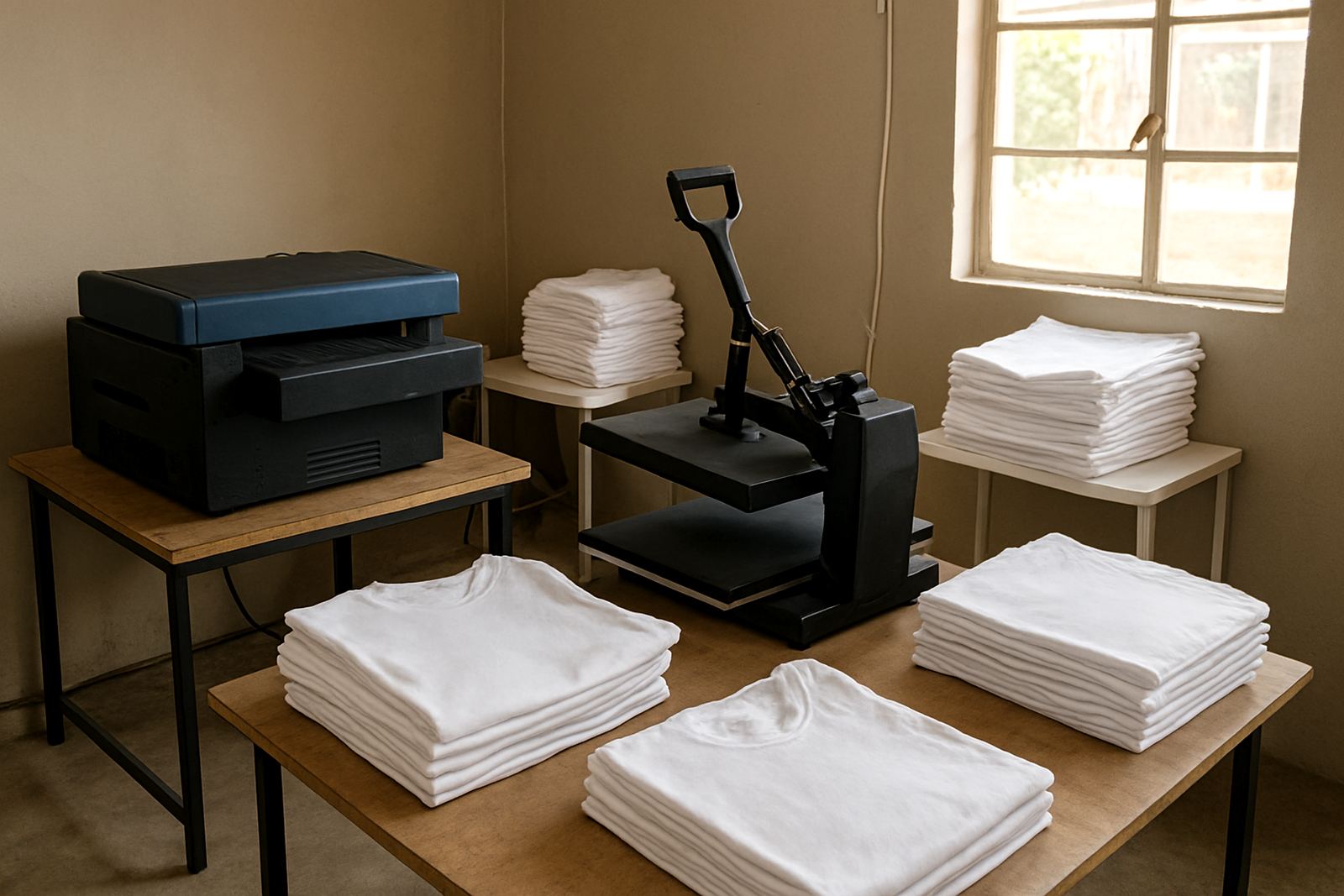
The shop had limited floor space, so every metre counted. There was no room for a large industrial line, and the team wanted equipment that could sit in a smaller prep area without disrupting cutting and pressing. The building also had the usual Midrand realities, including load-shedding and voltage swings, so we planned for stable power protection and simple operator routines.
- Available footprint was roughly 2.5 m by 3 m for the new print and finishing zone.
- Artwork volume was mostly 20 to 80 garments per order, with the odd rush job above that.
- They needed a setup that one trained operator could run end to end.
- Humidity changes in summer meant media storage and powder curing had to be managed carefully.
Because the client was also handling labels and garment decoration in the same space, we kept the workflow organised so media, consumables and finished work did not cross over. That sounds simple, but it saves a lot of rework later.
What we supplied and installed
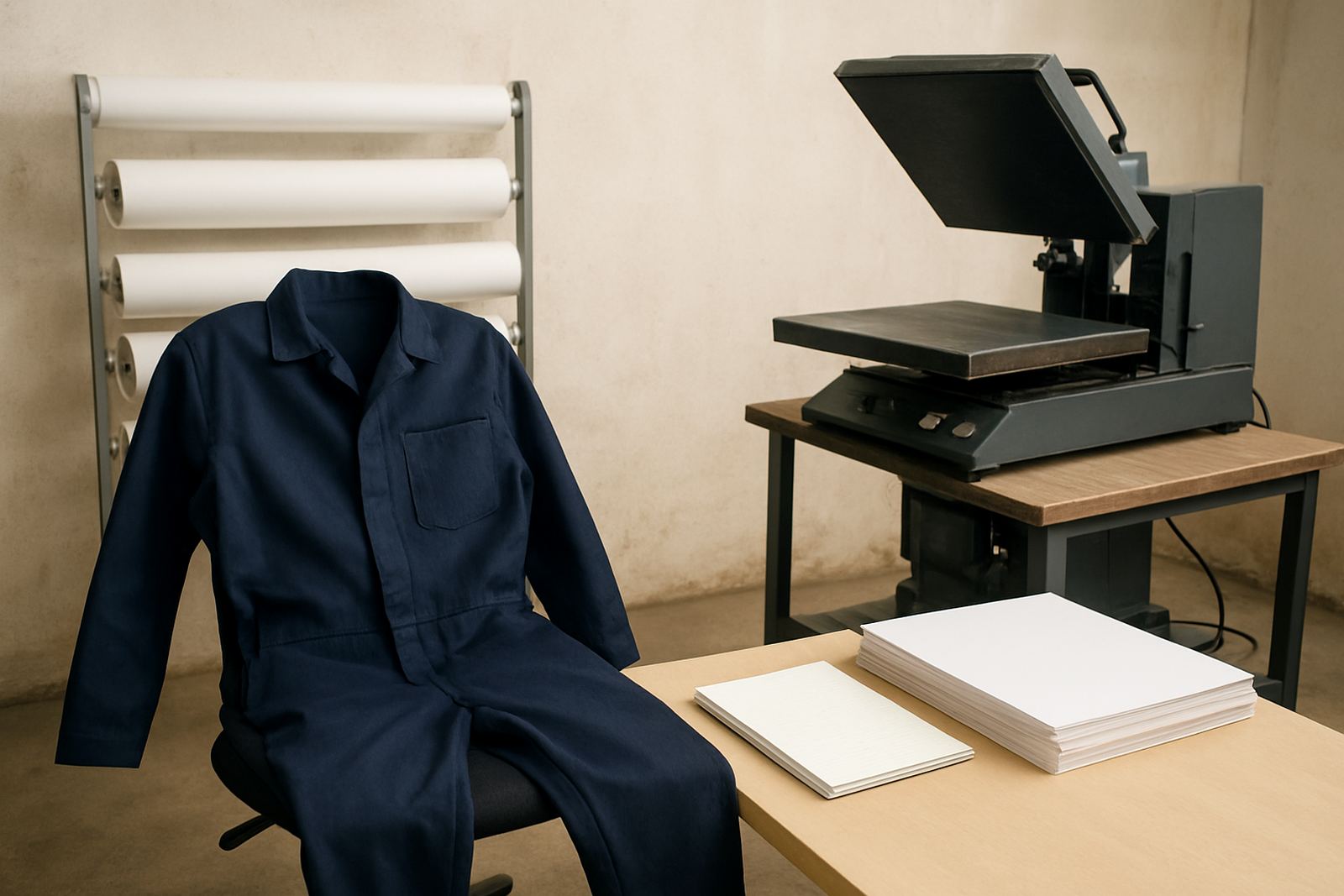
We supplied a compact digital transfer package built around a specialised colour printer, transfer workflow consumables, curing support, and the press side needed for garment application. The setup was matched to short-run production, so the client could move from artwork to finished transfer without setting up a long print run for every job.
We also supplied the first round of toner, transfer media and maintenance items, then installed the system at the Midrand site and checked output under working conditions. During setup we made sure the print path, heat settings and media handling matched the shop's daily mix of cotton and blended garments. The client wanted colour consistency more than anything, so we spent extra time on the calibration stage and did not rush it.
- Compact colour print unit for short-run transfer work
- Matched transfer media for garment decoration
- Heat press setup for application on tees and workwear
- Initial toner and consumable pack for startup production
- Power protection guidance for load-shedding and surges
Installation, setup and operator training
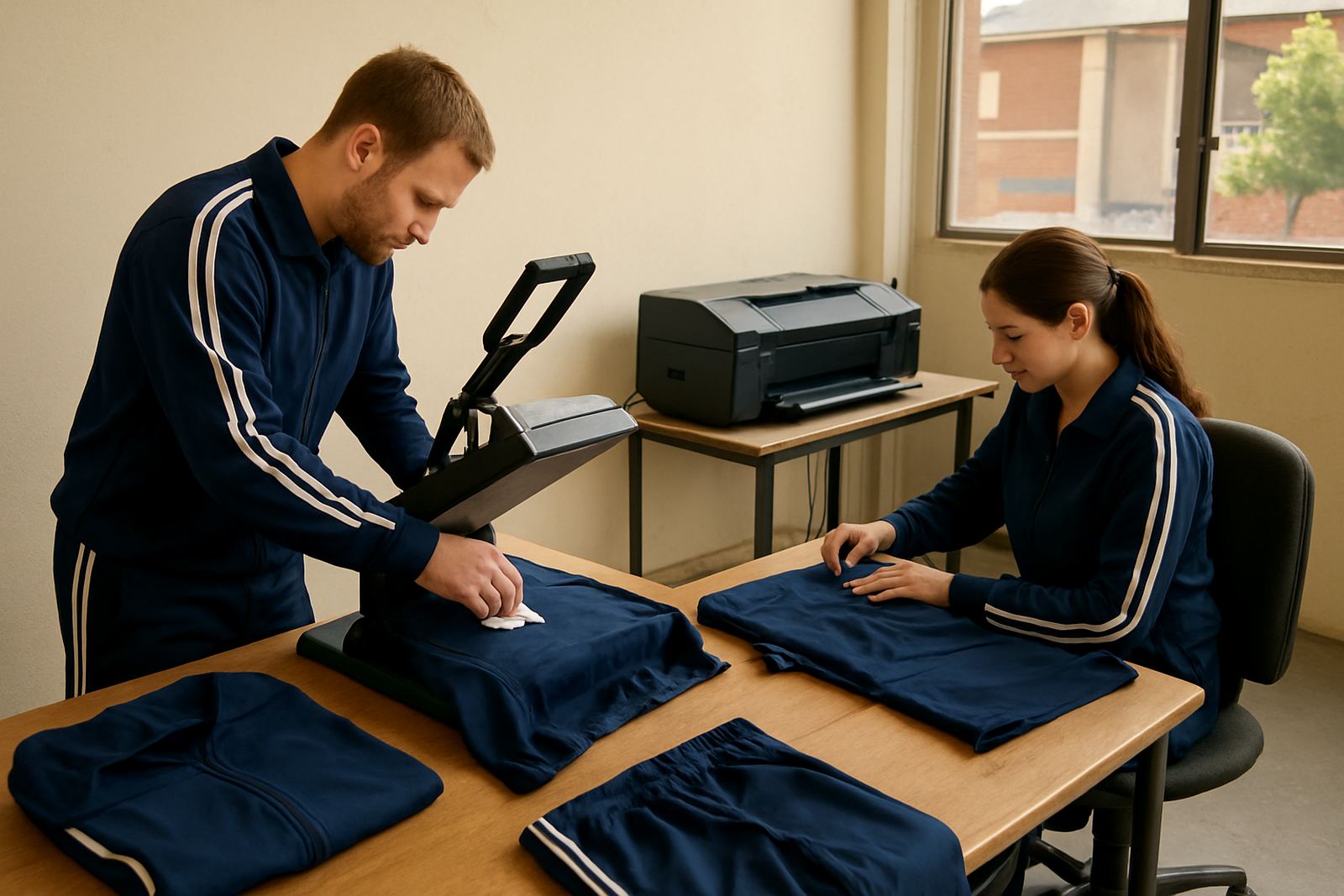
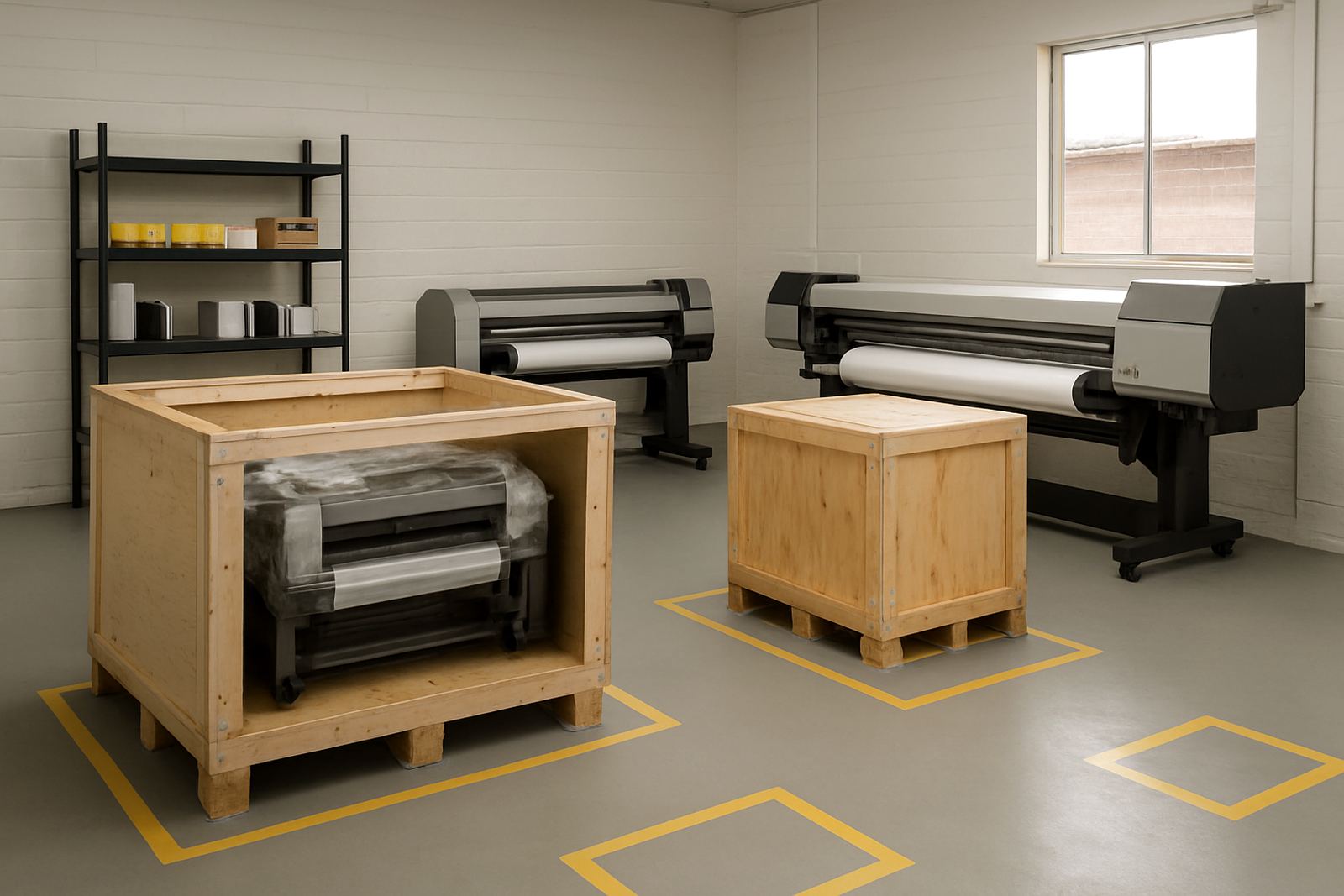
The install itself took one week, with the first two days used for delivery, positioning and power checks. By the end of the week we had the system printing test sheets, the press side set correctly, and the operators working through practical jobs from the client’s own artwork library. We kept the process hands-on because the people running the machine needed to see how small changes in heat, pressure and media handling affect final output.
Training covered startup and shutdown, printhead care, cleaning routines, colour checks, and what to do during a power interruption. We also walked through queue planning, because short-run colour work can get messy fast if jobs are not grouped properly. One small but important point was media storage: keep it sealed, flat and away from the warmest corner of the shop, especially in summer.
- Operator training on print and press workflow
- Basic fault finding for common print quality issues
- Colour calibration routine for repeat jobs
- Consumable planning for weekly and monthly stock
- Remote support escalation for non-urgent queries
Results in the first production cycle
Within three weeks the client was producing colour transfer jobs that previously would have been outsourced. The biggest change was speed. Instead of waiting on outside suppliers, the team could print, press and finish the order in-house, which gave them better control over deadlines and margins. They also found that short runs became viable, especially for schools, smaller corporates and event orders.
Colour consistency improved after calibration, and the crew reported less wasted media once the workflow was tightened. A few jobs needed rework during the first week, which is normal, but after that the output settled down nicely. The client also appreciated that the setup did not force them into a large footprint or complicated maintenance schedule.
From a commercial point of view, the project helped them move into higher-value work without overstretching the team. That meant less downtime between jobs and fewer excuses when a customer needed 30 shirts by Friday afternoon. In this market, that kind of responsiveness matters.
What we would repeat on the next Midrand project
If we were doing the same project again for another Midrand apparel shop, we would approach it in much the same way: keep the footprint small, build around the actual job mix, and train the team on the real work they do every day. Not the ideal version, the real one.
We would also insist on power protection from day one and proper consumable planning before the first full production week. Too many shops only sort that out after their first bad shutdown or a rushed toner run. A little planning saves a lot of stoppages, and it keeps the printer, press and operators all working together properly.
- Measure the production space before choosing equipment
- Match media and toner to the main fabric types
- Set up maintenance routines before full production starts
- Plan stock around weekly demand, not just monthly averages
- Allow time for calibration after the first live jobs
Key facts
| Client type | Garment decorator moving into colour transfer work |
|---|---|
| Location | Midrand, Johannesburg |
| Project timeline | 1 week installation, 3 weeks to steady production |
| Primary use | Short-run garment decoration and colour jobs |
| Floor space | Approx. 2.5 m x 3 m working zone |
| Support included | Installation, training, colour calibration, remote support |