Brief From A Busy Polokwane Gift Studio
The client was a small gift and clothing decorator in Polokwane, serving walk-in customers, sports clubs, corporate orders and event merch. The work varied from one-off mugs and photo gifts to short runs of boutique tees, tote bags and caps, so the brief was simple in theory and strict in practice: produce clean colour, keep setup times low, and make sure the operator could switch between product types without wasting transfer media or blanks.
They were working from a compact shop floor near the city centre with limited bench space and a single-phase supply. Like many local businesses, they also had to plan around load-shedding, hot afternoons, and the kind of dust that finds its way into printers if a room is not kept closed. The owner wanted equipment that could be maintained locally, with consumables that could be ordered in time for month-end rushes and festive season peaks.
What We Planned Around Before Installation
Before we supplied anything, we checked the production mix, the daily volume, and the longest jobs they expected to run. The business needed short-run colour work, not mass production, so the setup had to favour flexibility and good handover control rather than speed alone. We also looked at the size of the work area, the heat tolerance of the room, and how the team would handle mugs, flat gifts and garment transfer in one workflow.
- Mixed product output: mugs, rigid gift items, cotton tees, polyester garments and small promotional runs
- Short changeover times between different substrates and artwork sizes
- Operator-friendly settings for a team with limited prior press experience
- Stable colour for repeat orders and reprints
- Space for stock, transfer media and finished pieces without crowding the floor
The biggest constraint was not the job list, it was the footprint. We had to keep the production line tight enough for a mid-sized shop in central Polokwane, while still allowing enough room for pressing, cooling and packing. We also planned for predictable maintenance, because a breakdown in peak season can knock out cashflow very quickly.
The Transfer Setup We Supplied
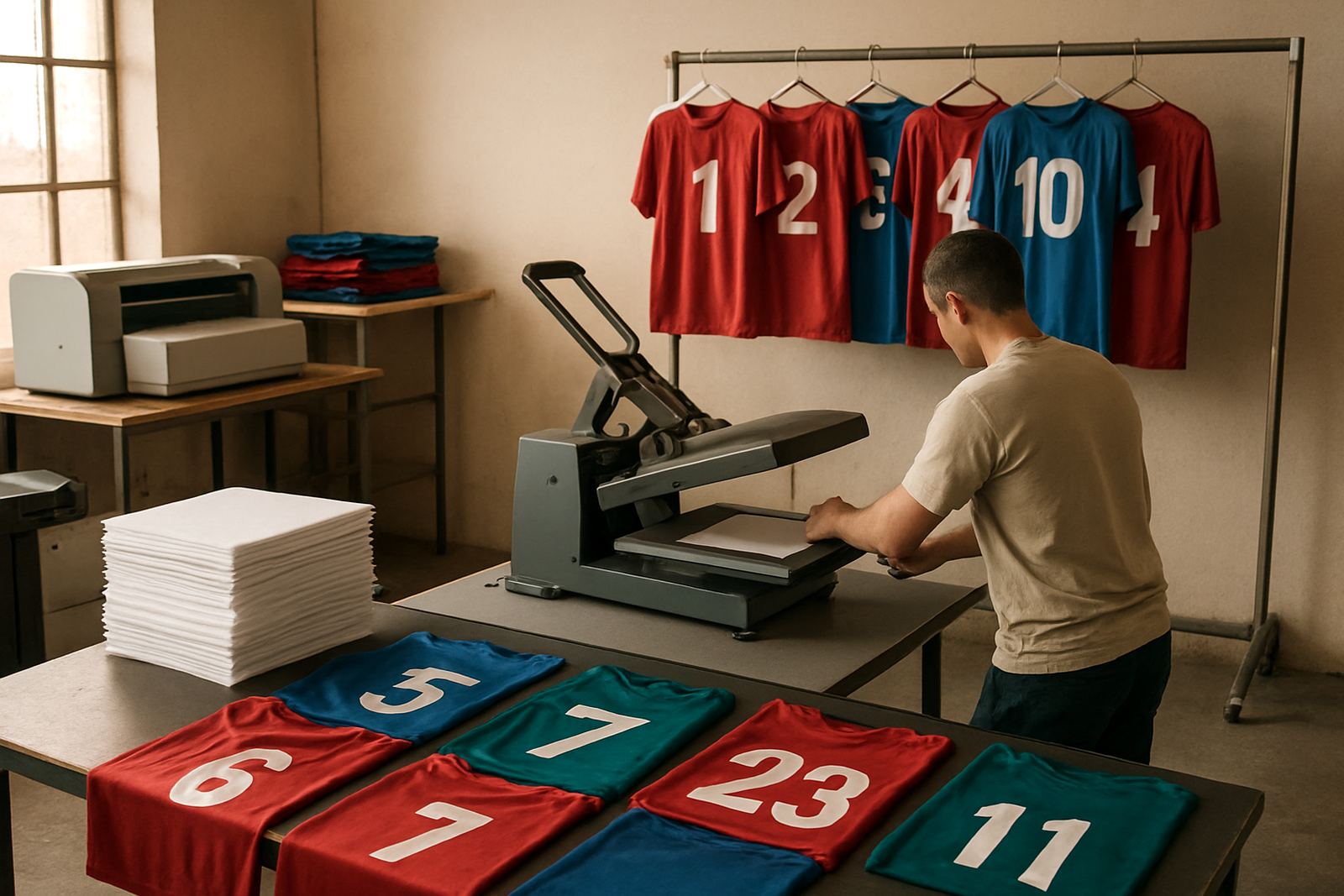
We supplied a mixed-use transfer setup built around a digital print and heat transfer workflow, with matching consumables and handling support. The main print unit was selected for fine text, solid spot colours and dependable short-run output, while the press side was configured for mugs, flat gifts and apparel. The result was a balanced setup that could move from sample work to repeat orders without a lot of re-setting.
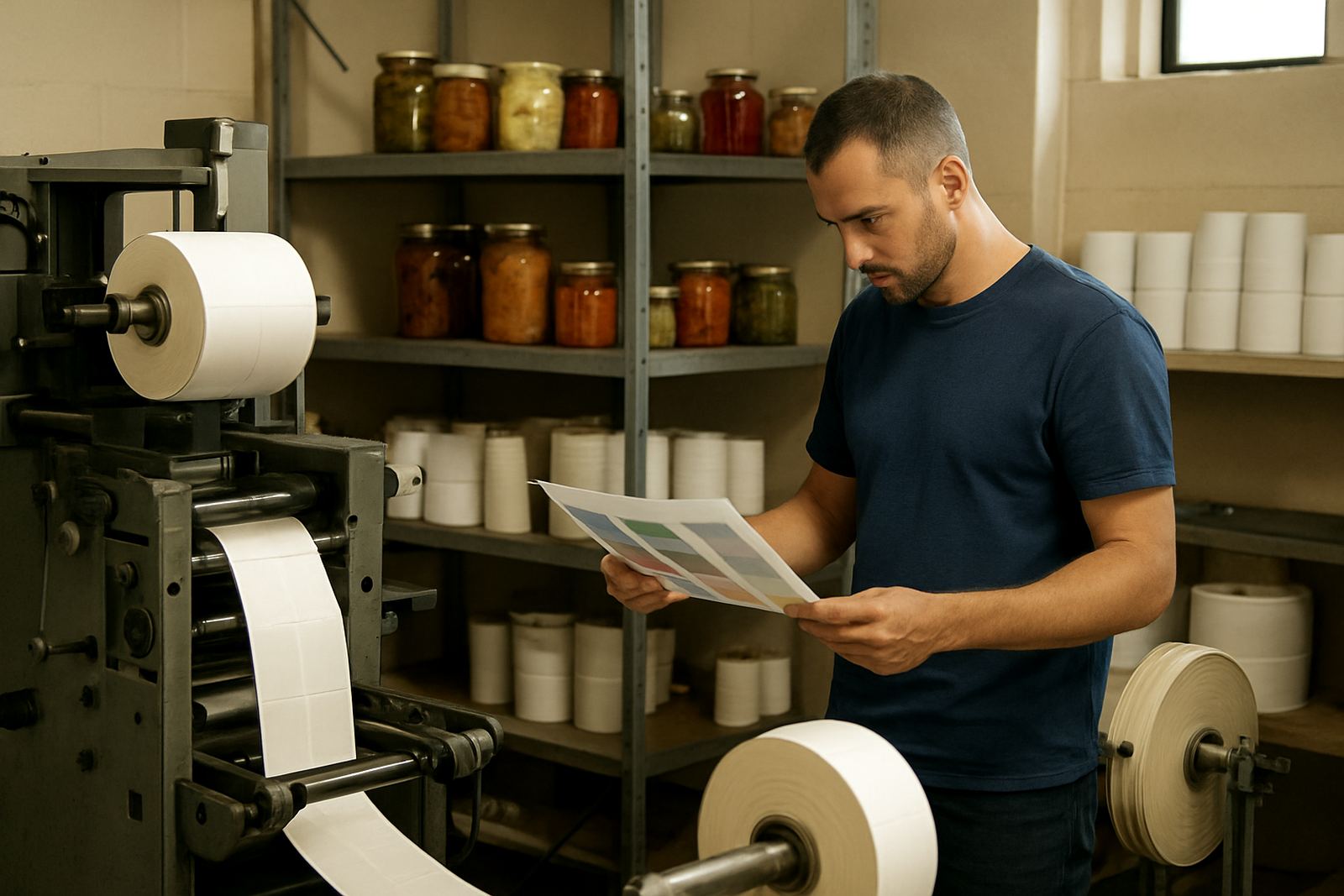
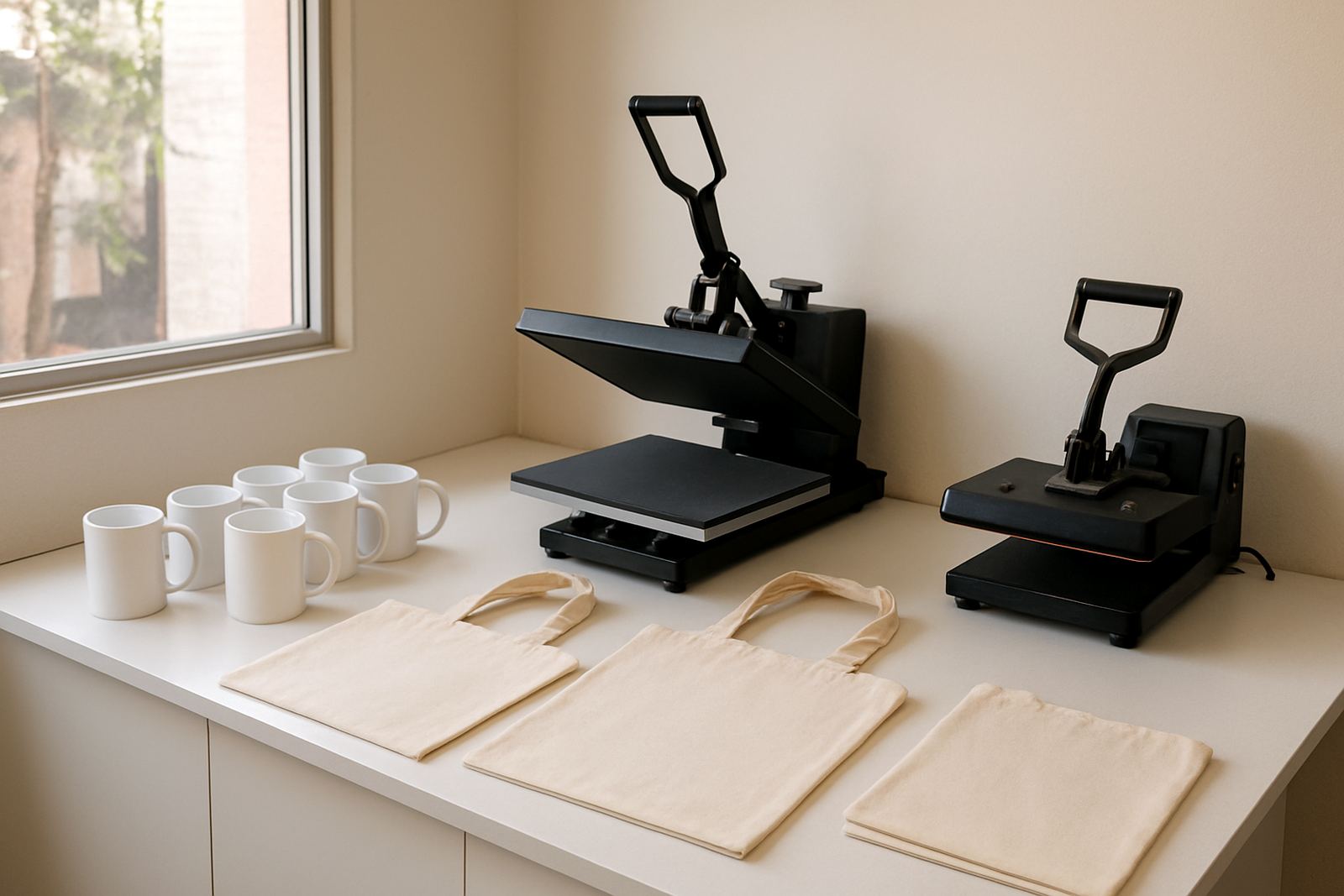
Key specs supplied: a colour-capable print unit for short runs, a transfer press for flat items, a mug press for cylindrical products, media and toner matched to garment and gift work, and colour calibration support on the first production run. We also set up printhead care routines, media profiling guidance, and a consumable plan so they would not run short during busy weeks.
- Print output suited to A4 and small format transfer work
- Heat press capacity for tees, tote bags, panels and boutique apparel
- Mug pressing for standard drinkware sizes used in gifting
- Consumables chosen for colour accuracy and repeatable transfer results
- Workflow notes for drying, pressing, cooling and packing
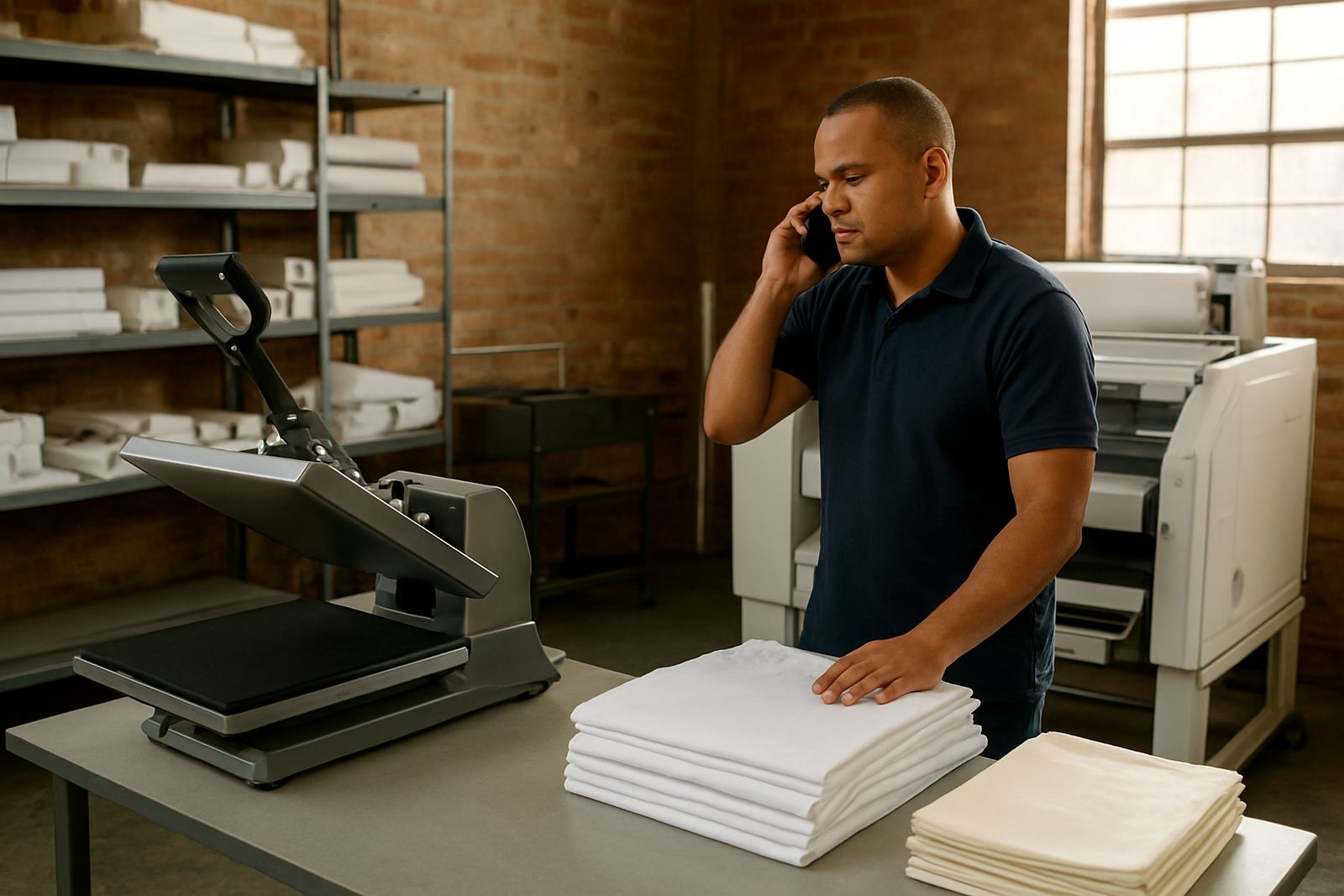
The client wanted equipment that could be trusted by staff on different shifts, so we kept the controls simple and the job steps clear. That meant fewer mistakes, fewer wasted blanks, and easier handover when the shop got busy on Saturdays.
Installation, Training And First Jobs
Installation and initial setup took two working days on site, with a further week of testing and fine tuning around the client’s own artwork files. We checked power stability, ran the first calibration cycle, and corrected a few issues with sizing and placement that are common when a shop moves from sample jobs to paying customer work. The team needed practical guidance, not theory, so we kept the training focused on the actual jobs they would be doing.
Operator training covered media loading, print order, heat timing, platen pressure, mug alignment and the basics of colour control. We also went through common faults such as ghosting, over-pressing, uneven transfer and moisture related issues, which are especially important in humid summer weather and in rooms that are opened and closed often. The first week was used to transfered test pieces, then live orders once the team was comfortable.
- On-site installation: 2 days
- Testing and production tuning: 1 week
- Operator training: 1 session on site plus remote follow-up
- Initial live production: short-run gifts and apparel in the first week after setup
Results On The Shop Floor
By the end of the first month, the client had a cleaner workflow and a much steadier turnaround on small orders. Mug jobs could be queued with apparel pieces, and the staff were no longer losing time moving between unrelated processes. Repeat orders became easier because the colour settings and press timings were recorded, so reprints came out closer to the original sample.
The business also reported less waste. That came from better media planning, less overprinting for test purposes, and fewer failed transfers due to incorrect heat or uneven pressure. For a gift printer, those savings matter because every blank mug or shirt carries a cost before any decoration is added. With the new setup, they could quote more confidently and accept more mixed orders in a single day.
There was also a practical gain in customer service. The shop could now offer quicker turnaround on personalised gifts for school events, small corporate packs and boutique fashion runs across Polokwane and nearby areas. That opened the door to more walk-in work and follow-up orders from clients who wanted local collection instead of waiting for freight.
What We Would Do Again For A Similar Project
For a business like this, we would approach it the same way again: start with the actual products, size the kit to the room, and keep the workflow simple enough for a small team to run every day. In Polokwane, where power interruptions and heat can affect production, it helps to choose equipment that is easy to clean, easy to calibrate, and not fussy about routine upkeep.
We would also keep the consumable plan tight. Short-run colour work only works properly when toner, transfer media and blanks are ordered with lead times in mind. If the shop is pushing through a school rush in February, a heritage event, or a year-end corporate season, it is no help to have a printer ready but no stock to feed it.
The result here was not about fancy kit. It was about giving a local team a dependable way to produce mugs, gifts and apparel with good colour, clear instructions and support when they needed it. That is the kind of setup we are comfortable supplying across South Africa and into neighbouring markets, especially where the work has to keep moving even when conditions are less than ideal.
Key facts
| Project location | Polokwane, Limpopo |
|---|---|
| Client type | Independent gift and apparel decorator |
| Application | Mugs, gifts, boutique apparel and short-run transfers |
| Setup type | Mixed-use digital print and heat transfer workflow |
| Timeline | 2 days installation, 1 week tuning |
| Support included | Training, colour calibration, media profiling and consumable planning |