The Brief from a Soweto Teamwear Shop
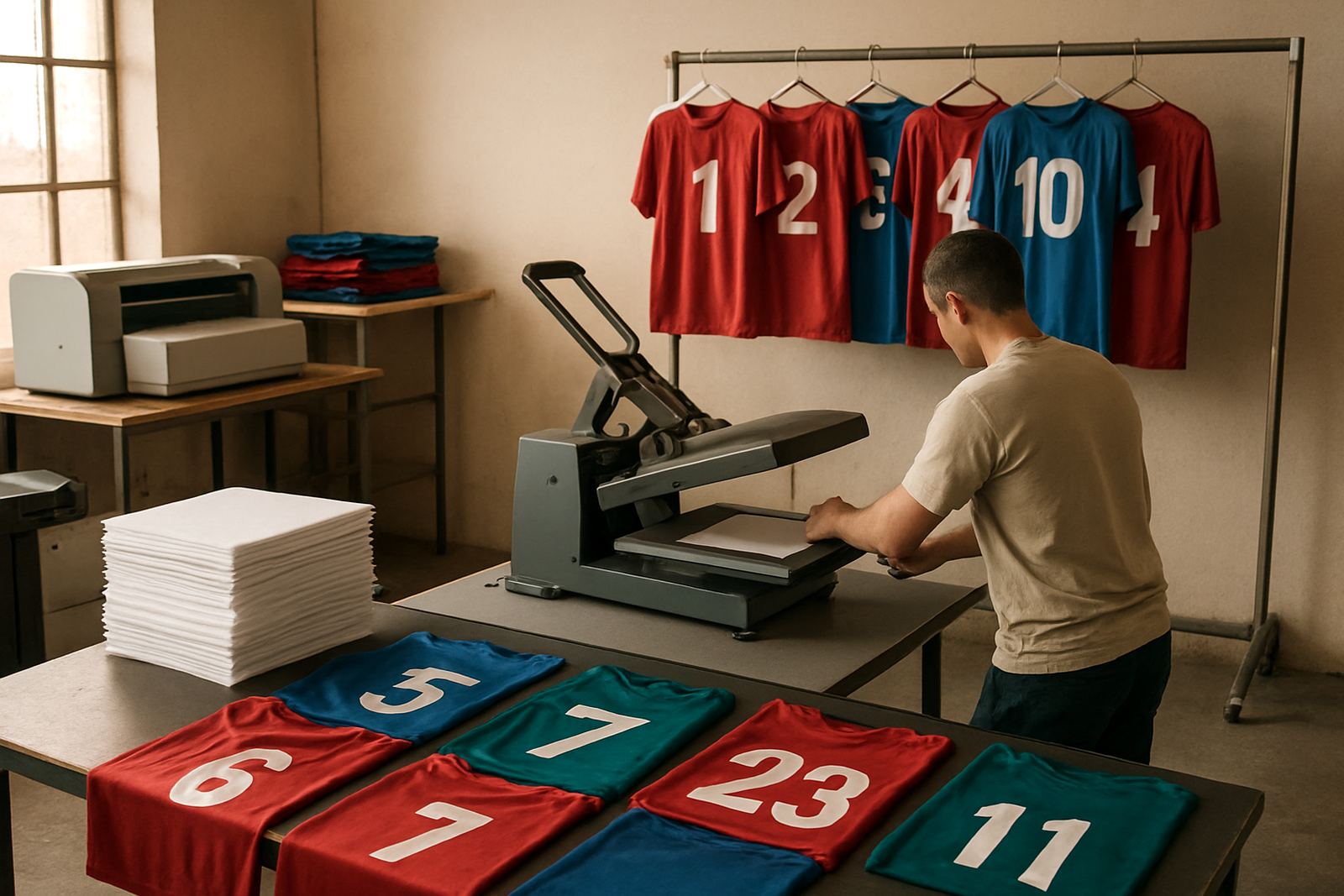
The client was a busy teamwear retailer in Soweto serving schools, church clubs, five-a-side leagues and township tournaments. Their main problem was not demand, it was consistency. They needed to produce small runs of names, squad numbers and sponsor marks on shirts, shorts and training tops without wasting media or losing time on reprints.
The brief was clear: keep the line practical, easy to run by staff, and reliable during load-shedding and power dips. They wanted a setup that could handle mixed artwork, last-minute changes, and the odd rush order for weekend fixtures. Space was tight, and the heat in the workshop meant the equipment had to stay stable through long afternoons. They also needed a process that could be explained quickly to new staff, with basic checks that reduced mistakes.
- Short-run sportswear names and numbers
- Consistent colour for black, white and school team garments
- Simple operation for shop staff
- Backup steps for power interruptions
What We Supplied for the Naming Line
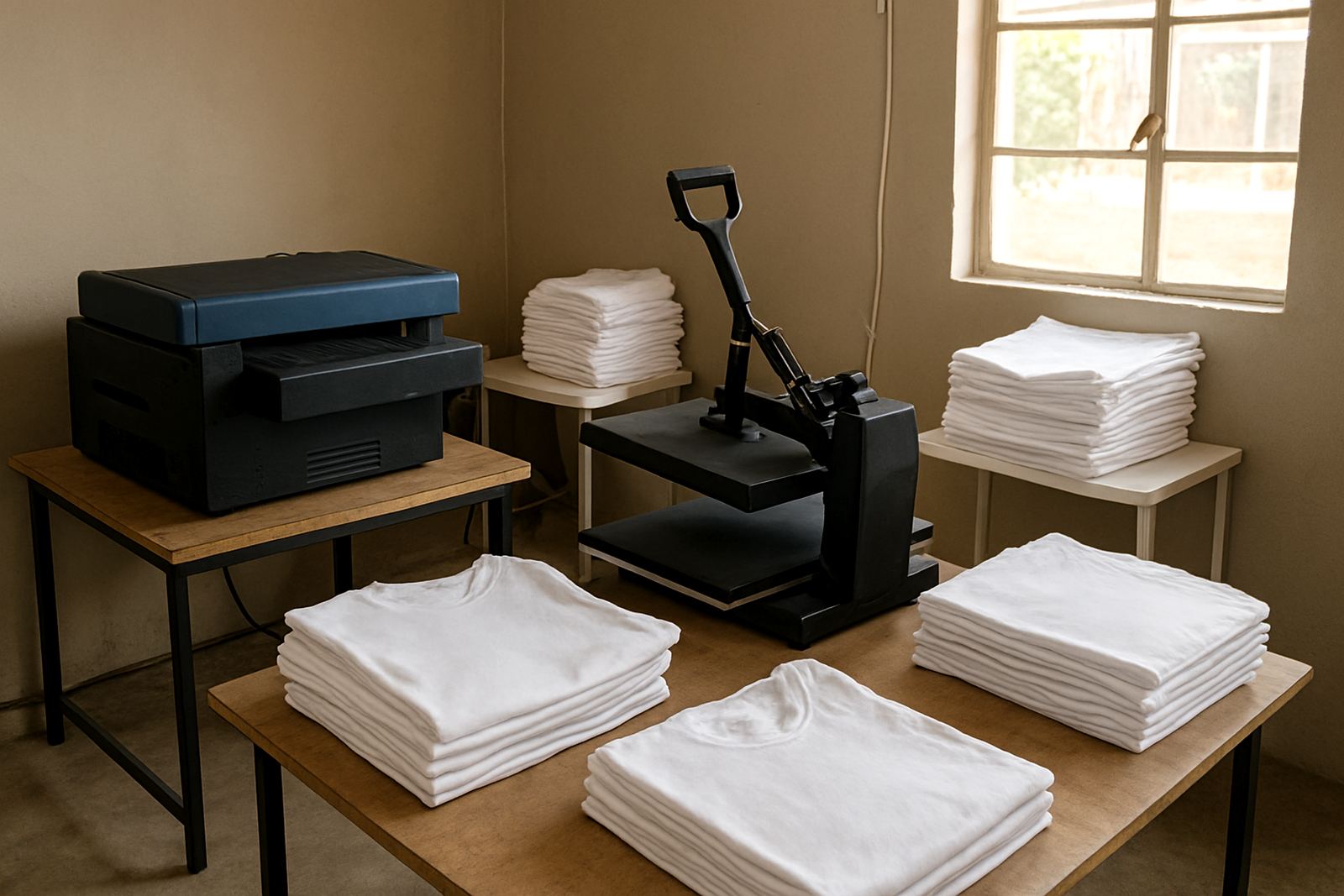
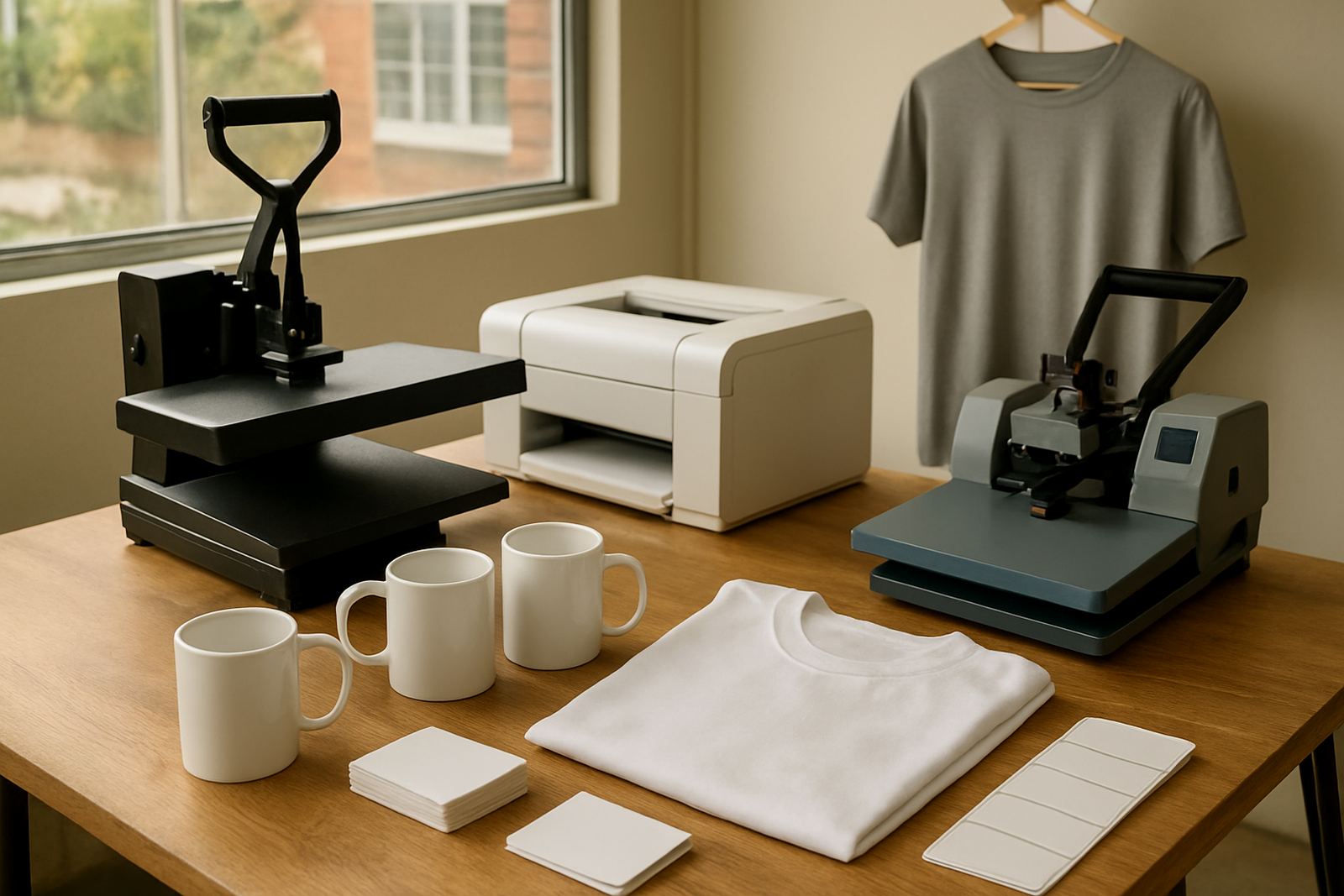
We specified a compact digital printer setup for transfer work, paired with transfer machinery suited to garment decoration and label-style output. The aim was to keep the footprint small but still give the shop enough control for fine text, sharp edges and repeat numbering. We also added the correct toners and media for the garment types they sell most often in Soweto and the wider Johannesburg market.
The supplied setup was chosen for short-run colour work, with a focus on clean registration and dependable feeding. It had to cope with names from one shirt up to a few dozen, without holding the shop back on larger orders. We also supplied consumables planning so they would not run out mid-job, which is often where delays start. For a teamwear counter that sells all week and prints late on Friday, that matters a lot.
- Digital print unit for transfer work
- Transfer press for garment application
- Toners matched for repeatable colour output
- Media for textile transfer and label work
- Basic spare parts and printhead care items
Installation, Calibration and First Runs
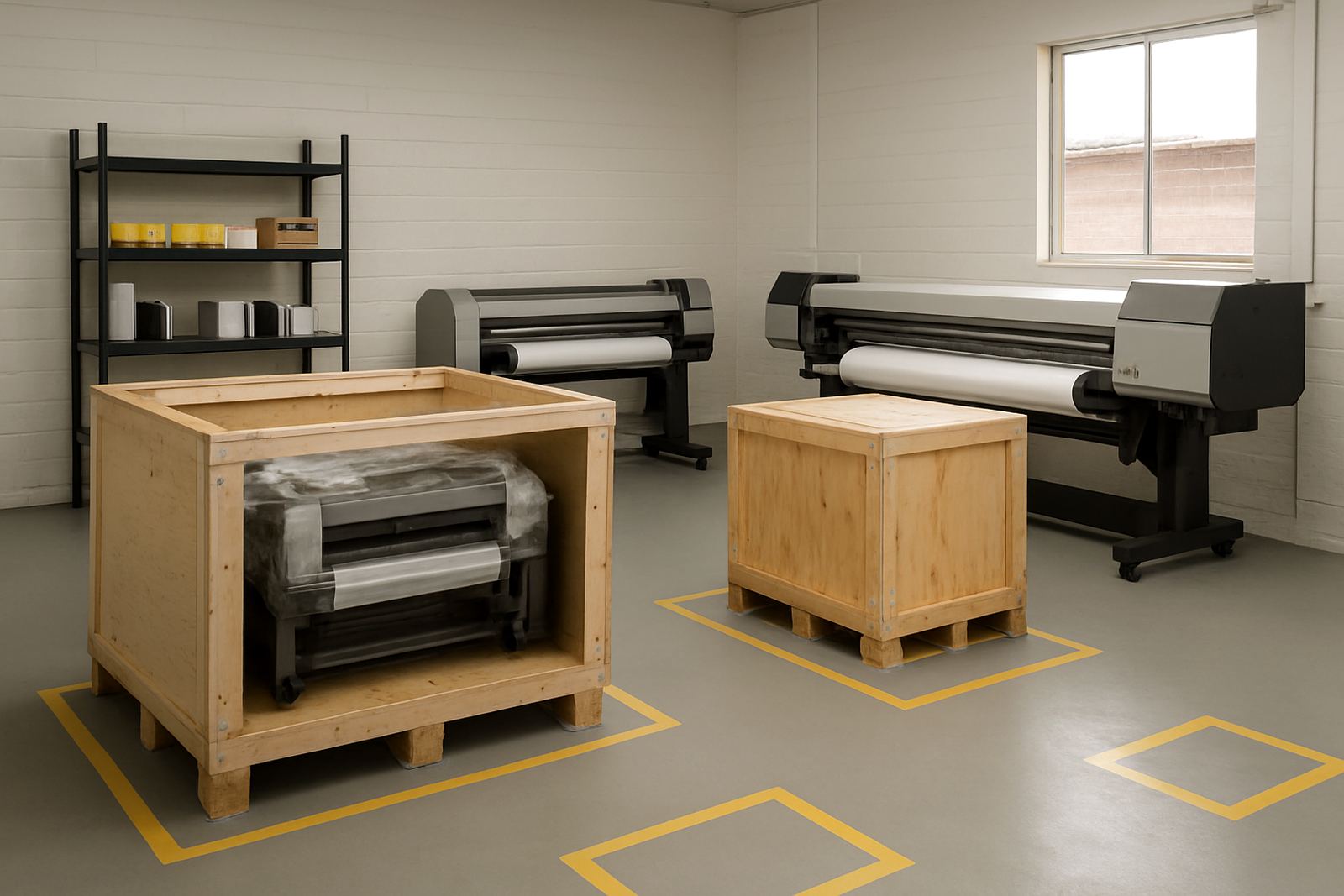
Installation took place over two working days and the first production week was used to settle settings, confirm heat and pressure ranges, and fine-tune the colour. We checked output on dark and light garments, since teamwear orders often move between white school tops, navy warm-up gear and bright club colours. The print line needed to hold detail on squad numbers and still stay clean on small surname text.
Colour calibration was important because the client did not want a red that looked maroon one day and orange the next. We also profiled the media so the transfer layer released cleanly without edge lift. The team tested several common order types, including single shirts, replacement numbers, and a mix of names across different sizes. One small adjustment to pressure saved a lot of rework, and the finishing improved straight away.
- Calibration for repeat colour on sportswear graphics
- Pressure and heat settings documented for staff use
- Test jobs on three garment types
- Release and finish checks before live orders
Training the Team for Daily Use
Training was handled in plain steps so the shop staff could use the line without leaning on technical help for every order. We covered file checks, media loading, heat press timing, simple fault finding, and how to spot poor release before a shirt goes out the door. The goal was not to turn them into technicians, just to keep the line moving and reduce avoidable spoilage.
Because the shop gets different staff on different shifts, the process notes had to be short and practical. We showed them how to group jobs by garment type, how to keep names aligned on multiple shirts, and how to store consumables in a dry area away from coastal-style humidity damage that sometimes affects supplies even in Gauteng. A clean workflow made the biggest difference. They moved from ad hoc printing to a proper job sequence and the change was noticeable within days.
- Operator training for daily production
- Job sequencing for mixed shirt sizes
- Basic maintenance checks before each shift
- Consumable storage advice for dry, stable output
Maintenance and Support After Go-Live
Once the line was live, we set up a maintenance plan that matched the shop’s trading pattern. The client prints hard during school season and again when local leagues restart, so preventive maintenance was scheduled around those peak periods. We also gave them breakdown repair support, remote help for quick questions, and printhead care routines to stretch component life.
For a teamwear shop, downtime usually means missed collection times and unhappy coaches. That is why we focused on small checks that prevent bigger failures. We advised them on consumable planning for at least two weeks ahead, plus a spare media buffer for rush orders. When a machine is used in a shop with power interruptions and constant movement, the real win is keeping it ready every morning, not only when things go well.
- Preventive maintenance on a regular schedule
- Remote support for operator questions
- Breakdown repairs when needed
- Consumable planning for peak sports periods
Results in the First Few Weeks
Within four weeks, the shop was turning around naming and numbering jobs faster and with less wasted media. Staff confidence improved because they had a repeatable process for common orders, and the number of redo jobs dropped. The client could quote with more certainty too, because they now understood the time and material cost of each job type.
They also gained better control over small colour runs for school and club garments. The print quality held up on the short text that often gives trouble, and the heat set finish was good enough for regular washing. Most importantly, they could accept work they had previously turned away when the queue got too long. That gave the shop a stronger service offering without needing a huge production floor. A practical setup, done properly, made the difference.
- Faster turnaround on names and numbers
- Less waste on short-run jobs
- Better repeat consistency across orders
- More work accepted during busy weeks
What We Would Do Again on a Similar Project
For a Soweto teamwear shop, we would make the same choices again: compact equipment, clear calibration, and training that sticks. Short-run garment work lives or dies on consistency. If the operator can trust the settings, the business can sell confidently and keep the collection counter moving.
We would also repeat the early emphasis on consumable planning and maintenance. It sounds small, but in practice it protects the whole line. A shop that prints names for local teams cannot afford to run out of media on a Friday afternoon or lose a press cycle because nobody checked the settings. This project showed that the right setup does not need to be complicated, just dependable and well supported.
Key facts
| Client type | Independent teamwear shop |
|---|---|
| Town | Soweto, Johannesburg |
| Timeline | 4 weeks from install to steady live use |
| Core use | Short-run naming and numbering for sportswear |
| Equipment class | Digital printer, transfer machinery, toners and media |
| Support scope | Installation, training, calibration, maintenance and remote support |