What an A3 DTF printer does on a busy print floor
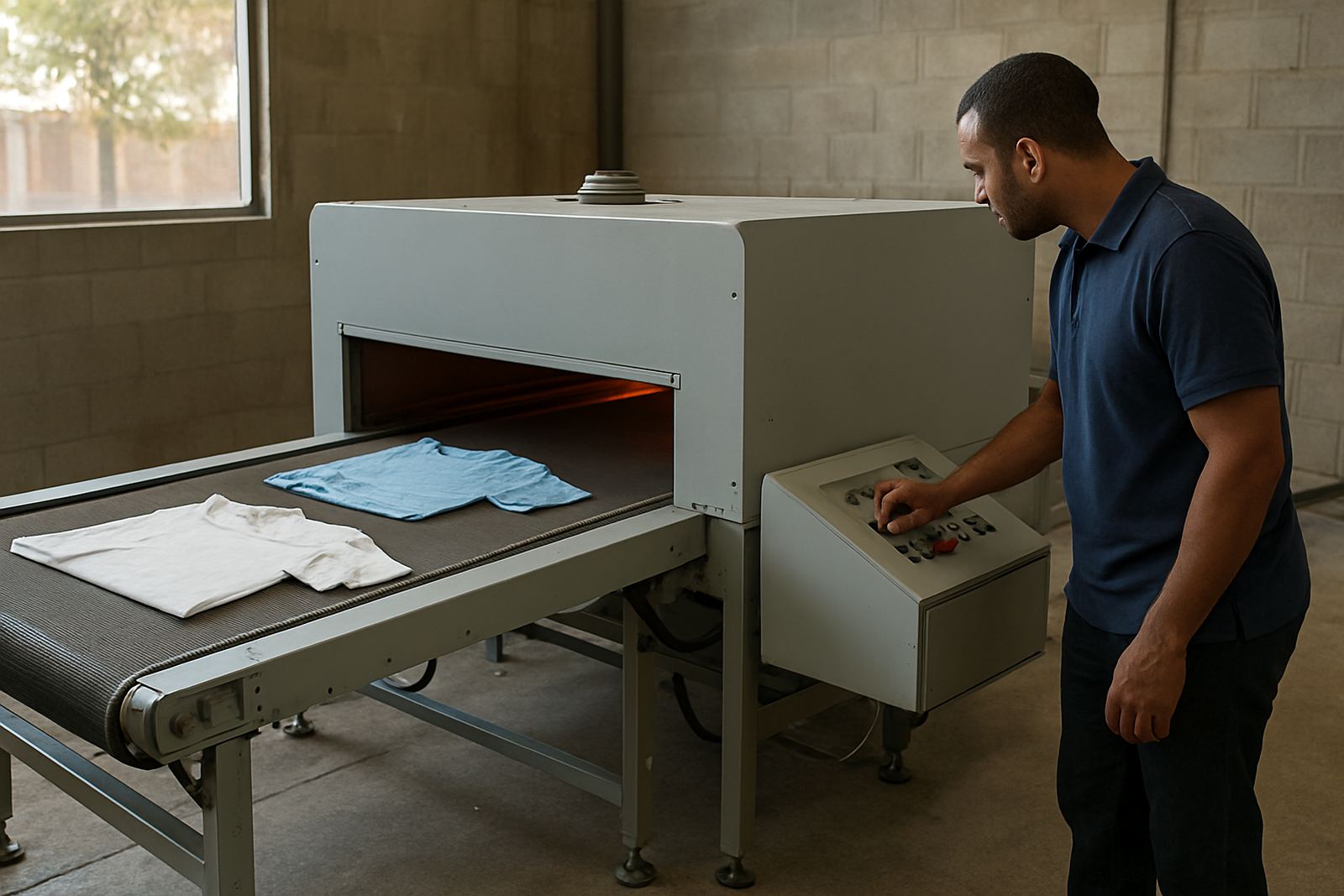
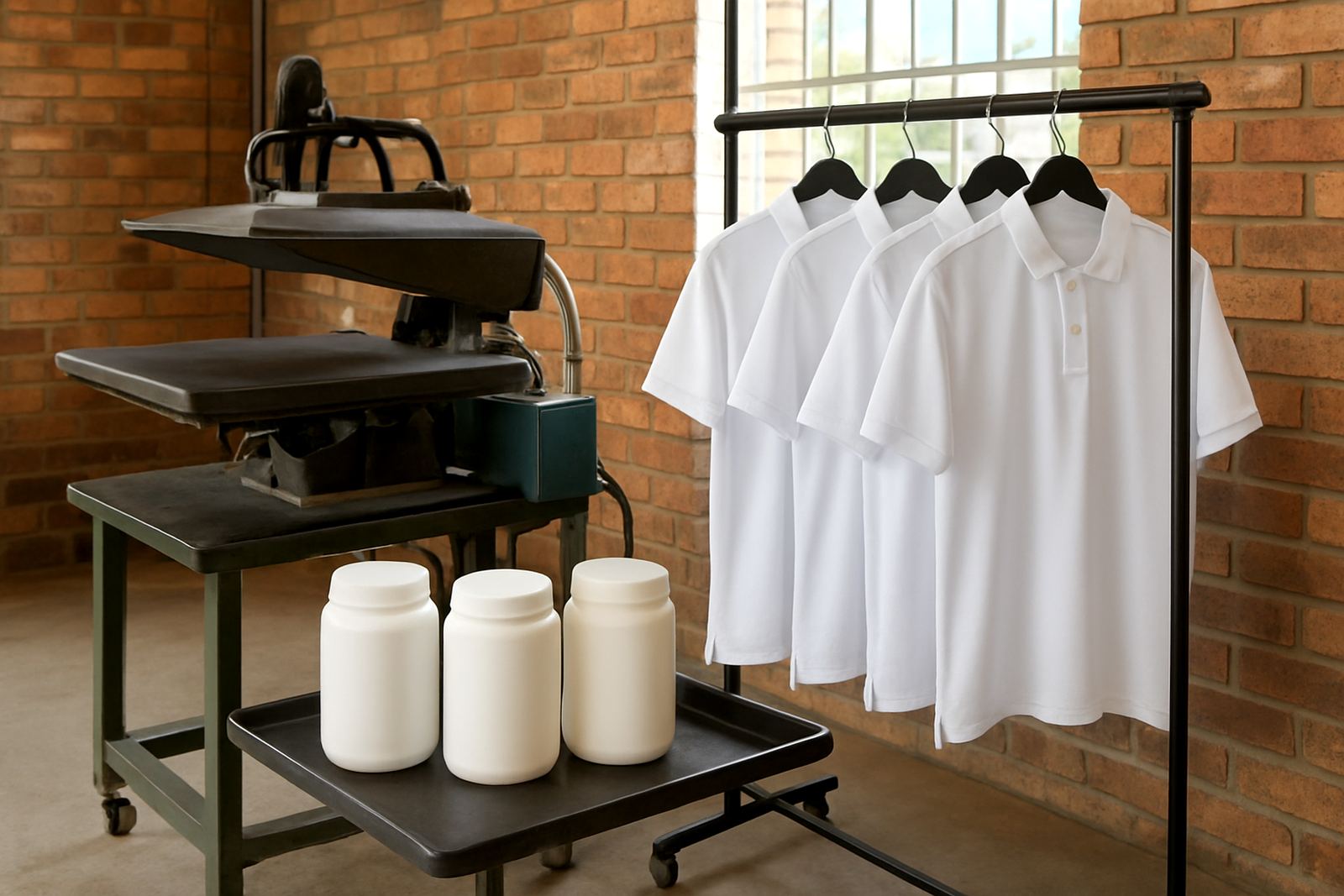
An A3 direct-to-film printer prints artwork onto transfer film, which is then finished with powder, cured, and pressed onto garments. It is used for cotton, polyester, blends, workwear, bags, caps and many promotional items, making it useful for shops that handle mixed jobs and need quick turnaround without setting up screens for every order.
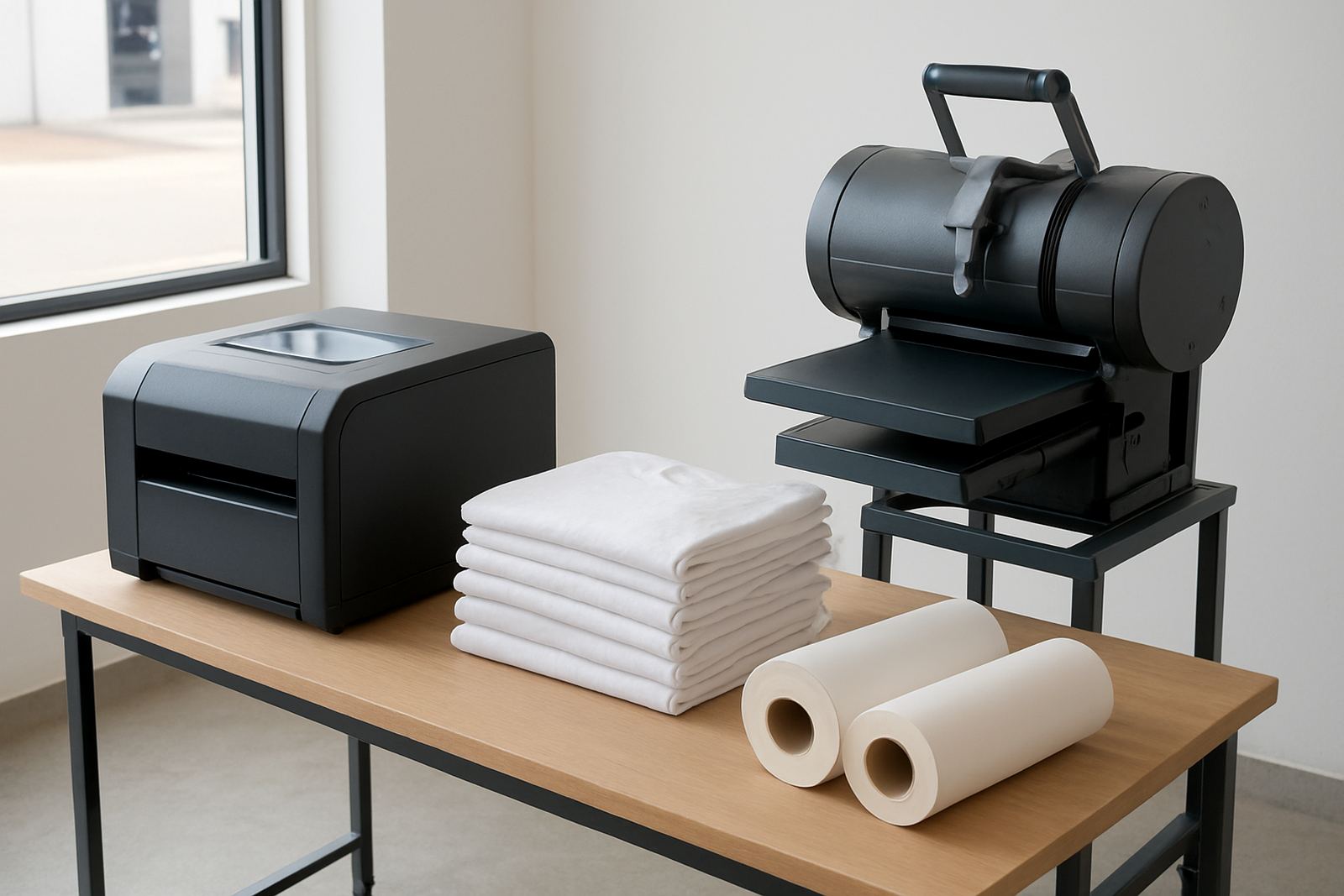
For short runs, sample jobs, names, numbers, and multi-colour artwork, this format keeps waste low and lets you produce only what was ordered. It is a sensible step for print shops in Midrand, Sandton, Pretoria and the East Rand that want colour work with a smaller footprint than larger roll systems. In tighter spaces the A3 size is easier to place and move, and it can fit beside a heat press and a curing unit without crowding the room.
Sizes, print width and setup options
Most A3 DTF units are built for sheet or cut-film work with a practical print area close to A3 size, which is ideal for chest logos, back prints, sleeve marks, tote bag designs and label-style artwork. Depending on the model, you may also see compact roll-fed options for shops that want slightly longer runs and less handling between sheets.
- A3 print width for common transfer jobs
- Single or dual ink carriage options on selected units
- White ink circulation to reduce settling
- Built for CMYK plus white printing
- Suitable for sheet feeding or roll feeding depending on the machine
When choosing between options, check the maximum media thickness, the available white ink system, and how easy it is to clean the print path. If you are doing varied work for garment decorators, label printers or small brand owners, a simple setup with reliable film tracking often matters more than a long feature list. A machine that is easy to service will save time when orders pile up and the team is under pressure.
Where this printer suits local production
This type of printer suits shops that do regular short-run work for schools, events, clothing brands, spaza uniforms, security firms and corporate wear. It is also useful for businesses that need to react fast to reorders or one-off changes, since the transfers can be printed as needed instead of holding large stock.
In Gauteng, the printer is commonly used in workspaces with stable power, inverter backup or generator support for load-shedding. Coastal areas may need extra attention to humidity and film storage, while inland shops often focus on dust control and print room temperature. If you serve clients across South Africa and neighbouring countries, a compact DTF unit gives you a manageable way to do colour work without taking over the whole production area.
- Garment decoration for cotton, poly-cotton and blends
- Short-run promo clothing and branded uniforms
- Sampling and colour approval work
- Workshops with limited floor space
- Teams needing fast turnaround and low setup waste
Power, installation and room conditions
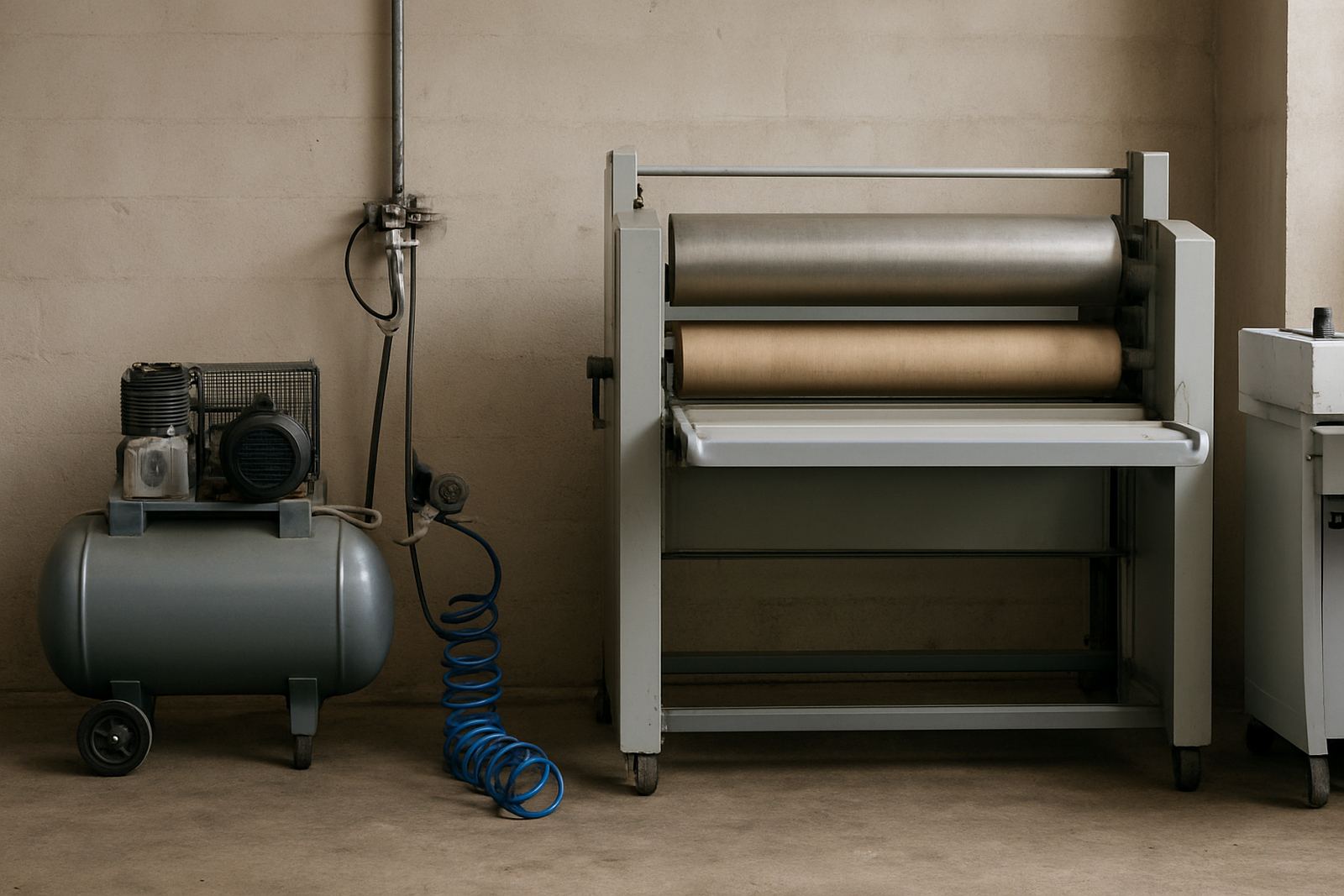
Installation should be planned around stable power, good ventilation and easy access for daily checks. Most A3 DTF printers need a normal single-phase supply, but the exact voltage and amperage depend on the model and on any heater, shaker or curing accessories. If the unit is going into a shop in Midrand, Pretoria or the West Rand, we usually recommend checking the circuit load before delivery so the printer, extractor and press are not all sharing one weak line.
A clean, level surface helps with film feeding and print consistency. Keep the machine away from open windows, direct sun and heavy dust. If the room is humid, store film in sealed packs and make sure powder does not clump. For sites with load-shedding, ask about backup power sized for the printer plus the curing and pressing equipment, not only the printer itself. That detail is often missed and then production stops when the transfers are half done.
We can assist with machine installation, operator training and colour calibration so the first jobs are handled properly. If the line is going into a new print room or replacing older gear, it helps to map the workflow first: receive artwork, print, powder, cure, press, and pack. A tidy setup reduces errors and keeps output more predictable.
Care, servicing and colour control
DTF equipment needs regular attention because white ink can settle, film dust can build up, and nozzles can block if the printer sits unused. Daily checks should include ink levels, head condition, waste management and a quick test print. Weekly care often includes cleaning around the platen, checking dampers or capping areas, and confirming that the film advances evenly.
Preventive maintenance is cheaper than breakdown repairs, especially when you depend on the printer for daily turnover. Keep spare consumables on hand, plan for printhead care, and avoid leaving open ink bottles in hot rooms. Colour calibration and media profiling are important when you want consistent reds, blacks and skin tones across different batches. If your garments and film suppliers change, the output can shift a bit, so it is worth rechecking profiles rather than guessing. A small adjustment now can avoid a whole stack of rejects later.
What to check before you order
Before placing an order, confirm the real production need, not only the paper size. Think about the number of garments per day, the kinds of fabrics you print, and whether you need a printer only or a full transfer line with curing and pressing equipment. If your work is mostly one colour or large block prints, a different setup may suit you better. If you do mixed colour artwork and need fast turnaround, an A3 DTF unit is often the better fit.
- Print width and daily output target
- Ink set required for your work
- Film size and feeding style
- Power supply and backup power plan
- Space for printer, curing and pressing equipment
- Service access, training and consumable planning
It is also worth checking the supplier's support structure in South Africa and neighbouring countries, especially if the machine will be used in a production environment with tight delivery dates. A good order should include clear guidance on setup, operator training, and the consumables you will need for the first few weeks. That way the team can start with fewer delays and fewer surprises.
Key facts
| Format | A3 direct-to-film printer |
|---|---|
| Print type | CMYK plus white ink transfer printing |
| Typical use | Garment transfers, labels, bags and promo items |
| Media | PET transfer film for short-run work |
| Power | Single-phase supply, exact rating model dependent |
| Support | Installation, training, maintenance and remote support from Midrand |