Cleaner Air At The Workstation
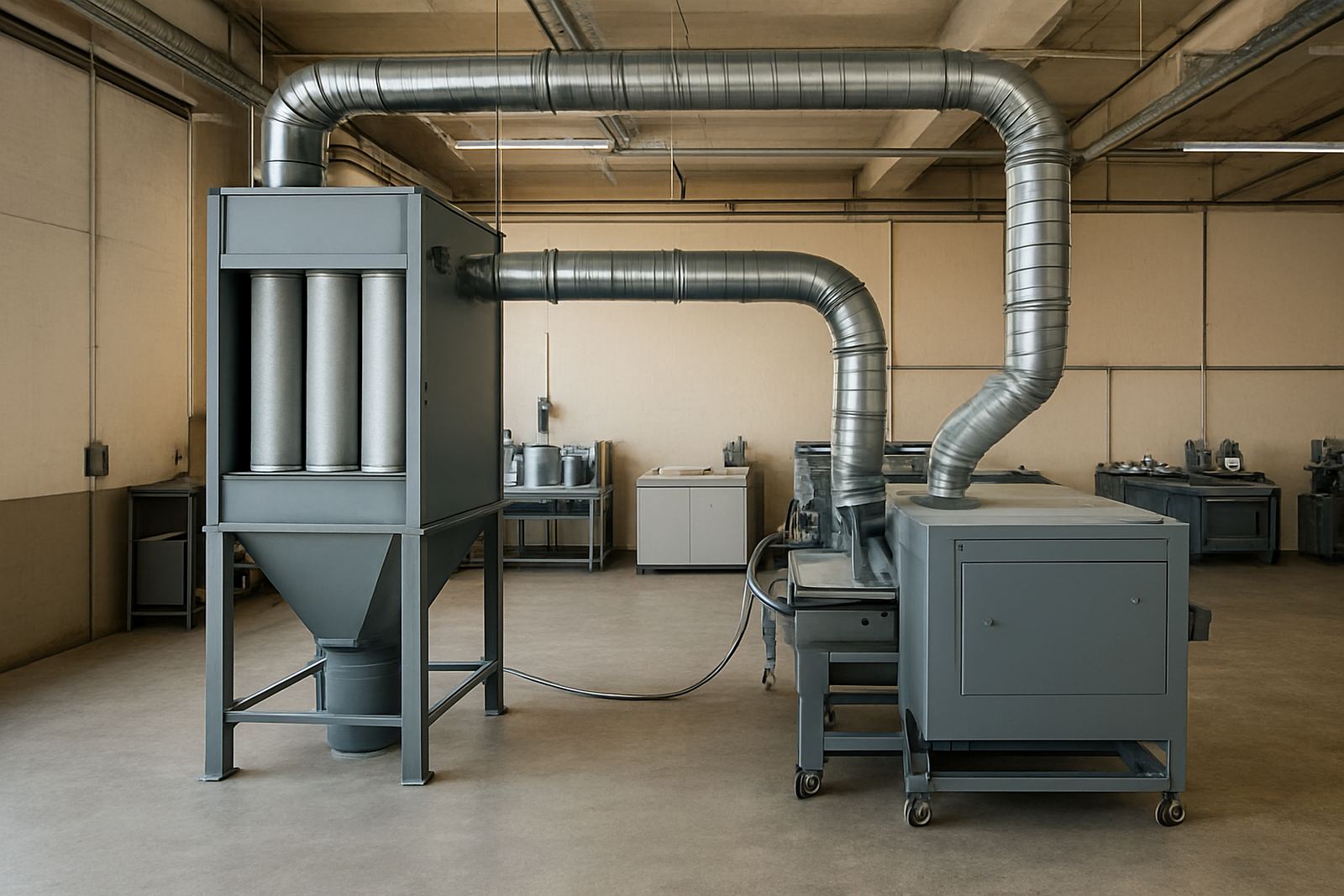
A print fume extractor pulls air away from the curing area and through a filtration system so fumes, odours and airborne particles are captured before they spread through the room. It is used beside heat presses, curing stations, print benches and label finishing lines where repeated short runs can create noticeable air contamination over a shift. In a Midrand or Pretoria workshop, that matters when the doors stay closed for dust control or when load-shedding changes your airflow pattern and the room gets stuffy fast.
The right unit helps keep the work area more comfortable for operators and can also reduce build-up on nearby equipment and printed media. It is not a luxury item for a busy shop, it is part of managing a proper production space. For operators working long shifts, cleaner extraction can make a real difference to concentration and fatigue.
Sizes And Extraction Options
We supply extractor systems in practical workshop sizes, from compact single-station units to higher-capacity units for shared curing areas. Selection depends on the number of stations, the type of transfer process, and how close the source of fumes sits to the capture point. Some setups are mobile and can be moved between machines, while others are fixed beside a line or wall mounted duct run.
- Compact unit for one heat press or one small print station
- Mid-size unit for a 2 to 4 operator room
- Higher-capacity system for continuous day shift use
- Portable or fixed installation options
- Single hose capture or multi-point extraction layouts
Typical unit widths range from about 450 mm to 1200 mm, with airflow ratings chosen to suit the room and the distance between the extractor and the source. We also help match filter stages to the kind of media, adhesive or toner work being done, because different processes produce different fumes and particles.
Where It Suits The Best
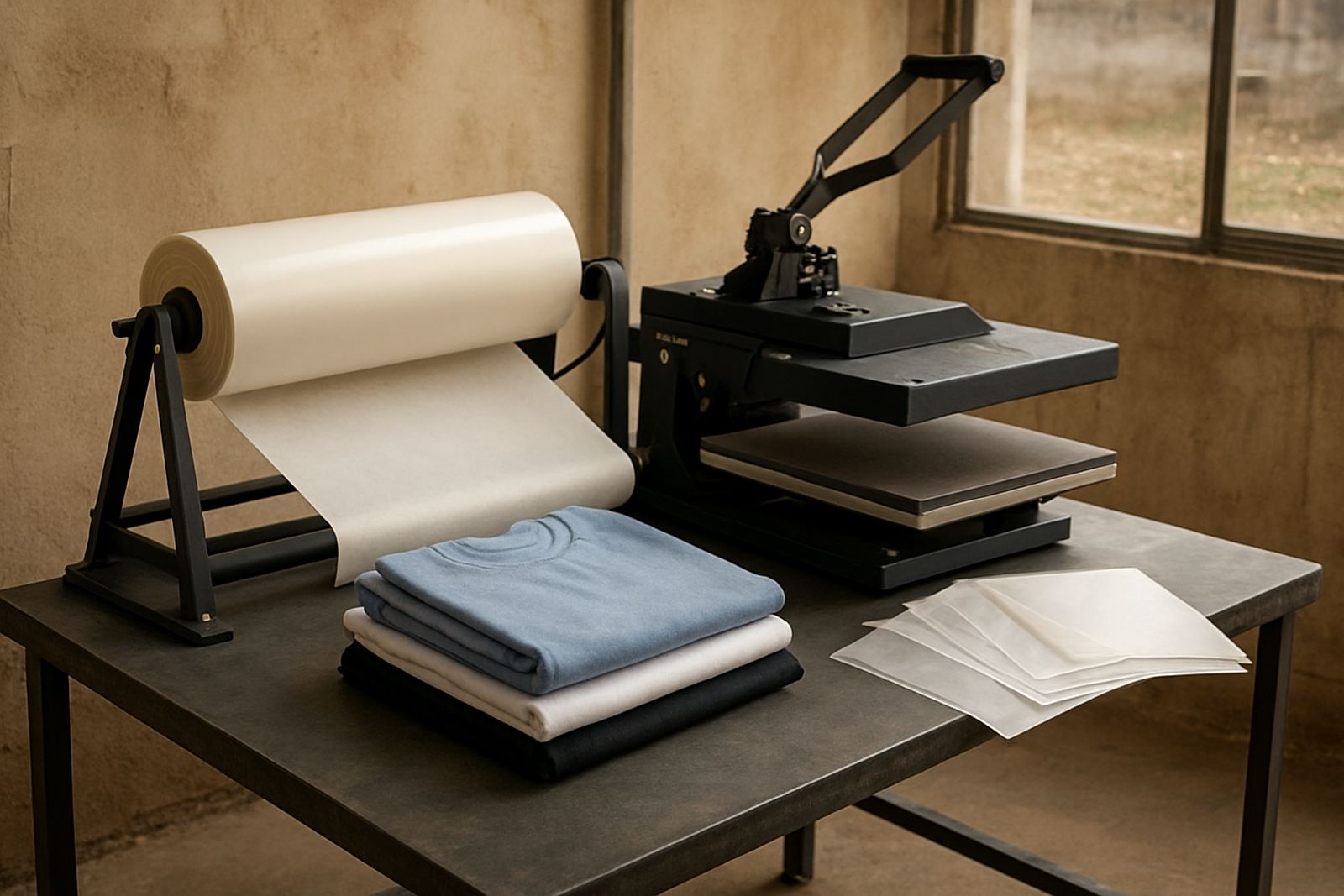
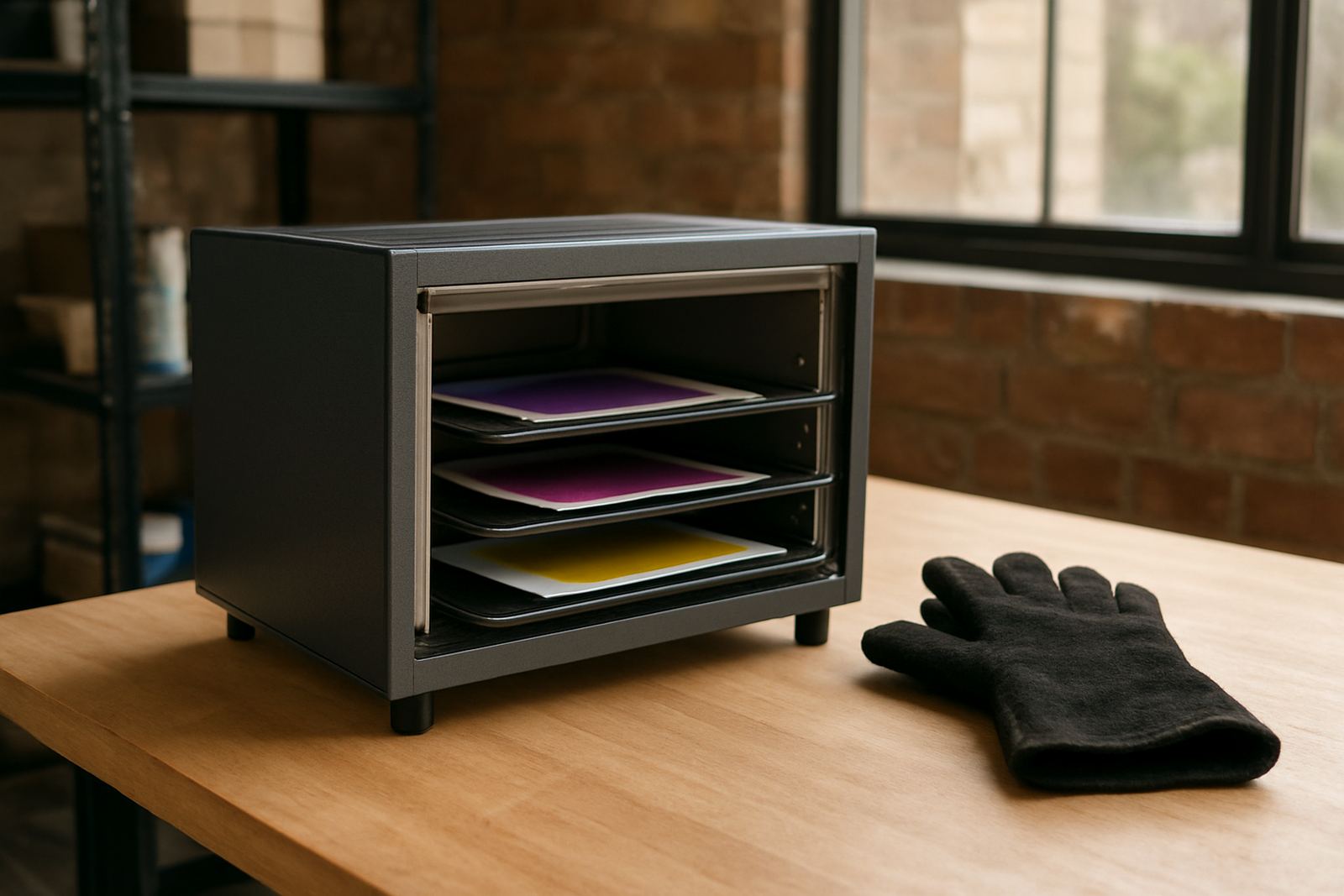
This equipment suits garment decorators doing DTF transfer curing, sublimation pressing, vinyl transfer work and short-run heat setting. It also suits label printers and finishing rooms where heat, solvent smell or adhesive vapour can linger. Shops in humid coastal areas often need better air movement because moisture and heat together can make a room feel heavy and unpleasant pretty quickly.
Common applications include:
- Transfer curing stations in garment print shops
- Small production rooms with multiple presses
- Label finishing areas with heat or tacky media
- Training rooms where operators work close to the machine
- Back-of-house spaces with poor natural ventilation
If your shop sits in an industrial park in Sandton, the East Rand or the West Rand, the extractor can be planned around your room size and local compliance needs. Some buildings have strict municipal or landlord rules on discharge routes, so it is best to confirm where the exhausted air will go before ordering.
Installation, Power And Site Checks
Installation is usually straightforward but it must be planned properly. The extractor needs enough space around the intake point, a stable surface or bracket system, and a clear route for ducting if the unit is not recirculating internally. We can assist with machine installation and remote support for shops outside Gauteng, which is useful if you are setting up in Durban, Polokwane or across the border where downtime gets expensive.
Most units run on standard single-phase or three-phase supply depending on capacity. Before ordering, check the available power in your shop, the breaker size, and whether the unit must start with other equipment during a load-shedding recovery cycle. A few models also support external switch control so the extractor can start with the press or curing line, which makes daily use easier.
- Confirm the available voltage and phase at site
- Measure the area around the print or curing station
- Check whether ducting can exit through wall or roof
- Allow clearance for filter access and cleaning
- Plan for generator or inverter compatibility if needed
Care, Filters And Servicing
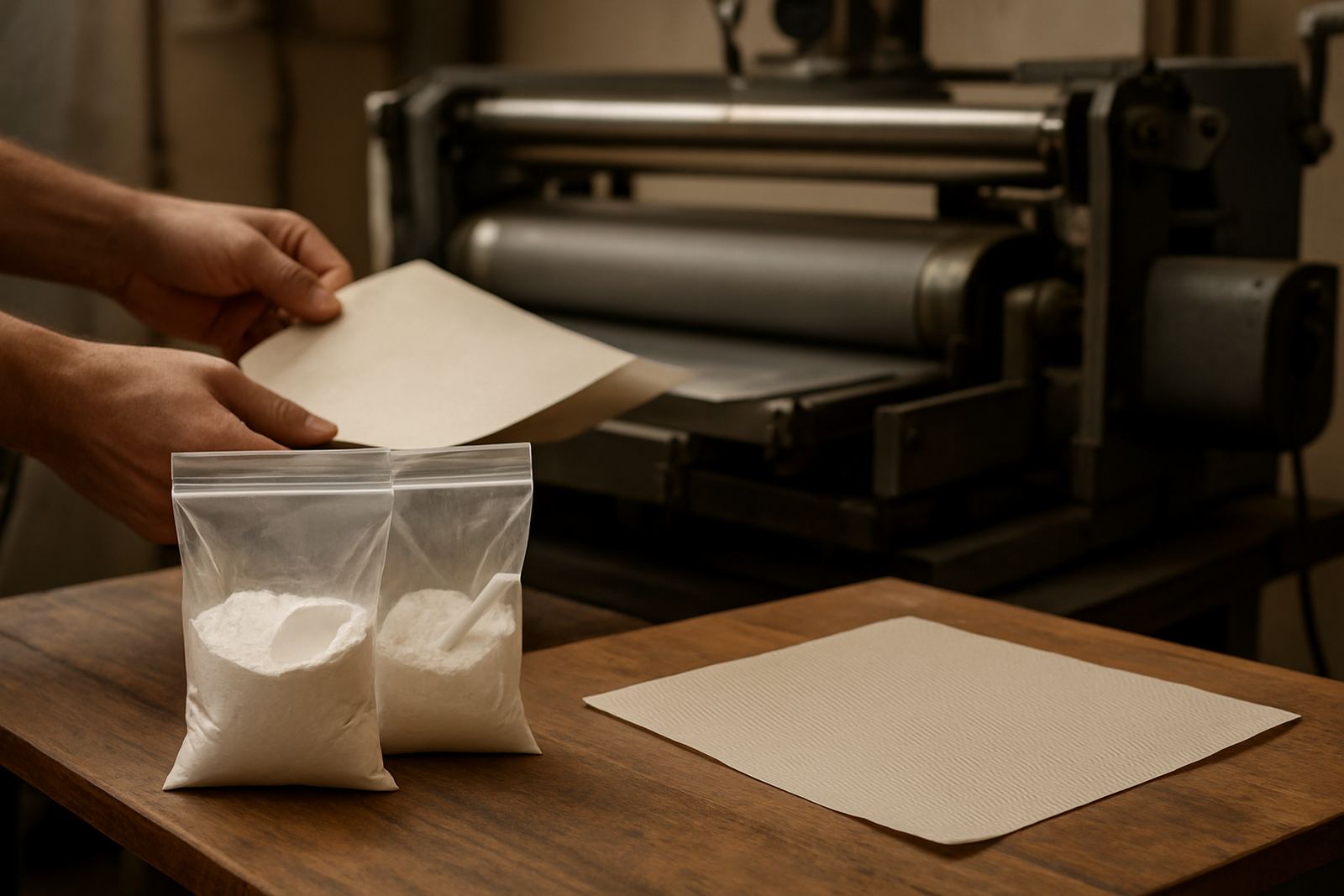
Good extraction only stays useful if the filters are serviced on time. Pre-filters trap larger dust and lint, while finer filters handle smaller airborne particles and odour control. If the unit is working hard every day, the filters will need inspection more often, especially in print shops where media fibres, powder or adhesive vapour can load the system fast.
Routine care should include cleaning intake areas, checking hose condition, confirming fan performance and replacing filters before airflow drops too much. A blocked unit can make the shop hotter and noisier, and the motor may work harder than it should. We offer preventive maintenance, breakdown repairs, printhead care support and consumable planning so the extractor stays part of the production schedule rather than becoming a problem mid-job. In a busy room, that little bit of preventive attention saves time and money.
What To Confirm Before You Order
To supply the correct print fume extractor, we need a clear picture of your production setup. The right unit is not only about airflow, it is about the type of fumes, the size of the room, the distance to the source and how long the machine runs each day. A compact label room in Midrand has different needs to a garment decorator running three presses and a curing station all day.
- Type of process: transfer curing, sublimation, label work or mixed use
- Number of active stations and daily running hours
- Room size and ceiling height
- Power supply available on site
- Preferred mounting: mobile, wall, bench or ducted
- Filter replacement preference and access to the unit
It also helps to tell us if your shop operates in a coastal, inland or dusty industrial area, because that affects care intervals and intake placement. If you are supplying multiple branches, we can also help plan consumable ordering so each site gets the same filter type and the same servicing cycle.
Local Support For South African Print Shops
CMYK Industries is based in Midrand, Johannesburg and supports print shops across South Africa and neighbouring countries. Our team works with machine installation, operator training, colour calibration, workflow advice and ongoing technical support, so you are not left guessing when the extractor needs attention or the production room layout changes.
Whether you are ordering for a single workstation in Pretoria or fitting out a larger site with several curing points, we will help you match the extractor to the job and the available space. The aim is simple: cleaner air at the station, better working conditions for the team and fewer interruptions in production.
Key facts
| Product type | Print fume extractor for transfer curing and print stations |
|---|---|
| Typical airflow range | Approx. 350 to 2 400 m3/h depending on unit size |
| Power supply | Single-phase or three-phase options, model dependent |
| Filter stages | Pre-filter, fine particulate filter and odour control stage |
| Mounting options | Portable, bench mounted, wall mounted or ducted |
| Application range | Garment decoration, label printing, short-run colour production |