Fast-release film for clean production flow
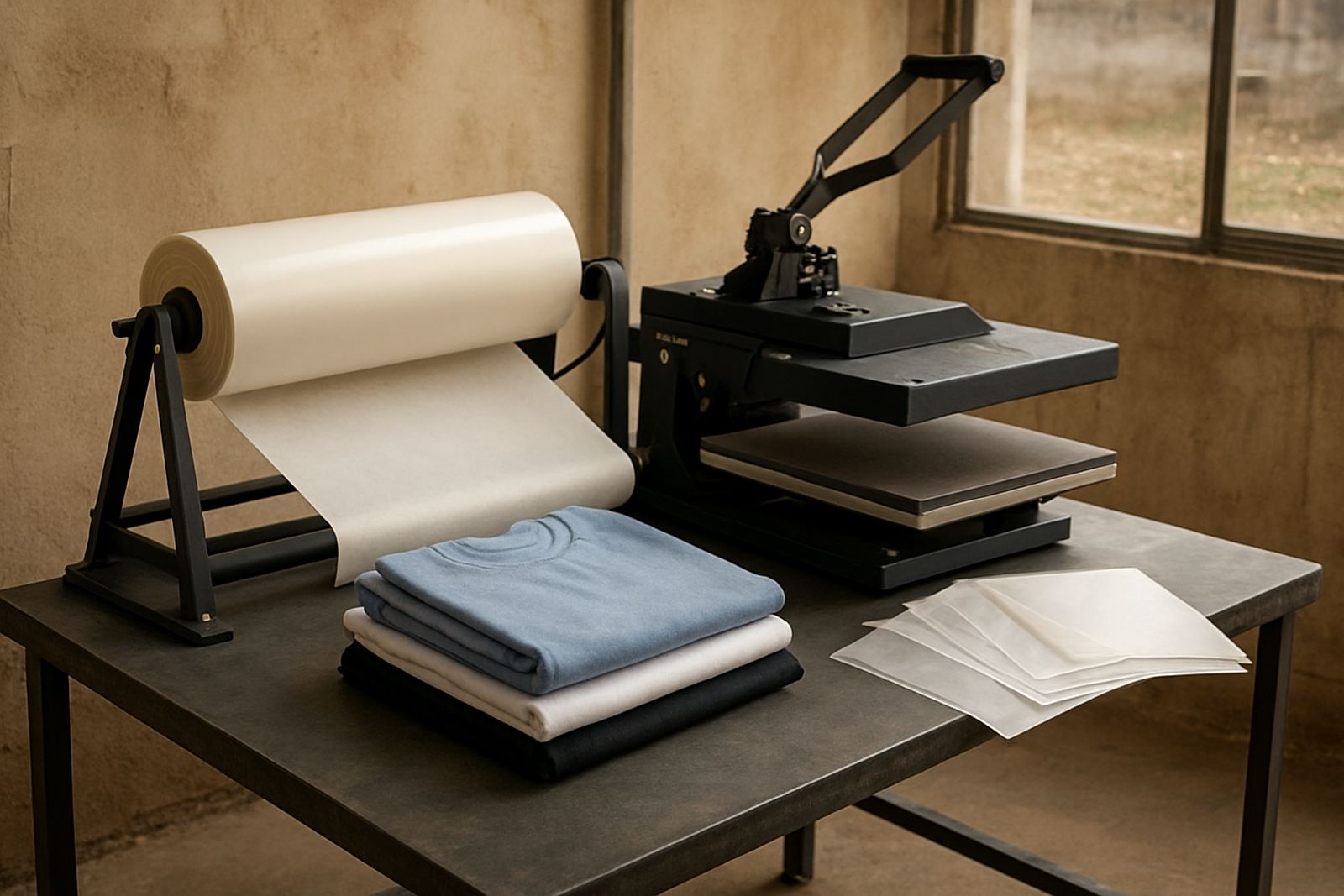
Hot Peel Film is used as the carrier and release layer in heat transfer work, especially where the printed transfer needs to come away from the backing while still hot. In practical terms, that means less waiting time at the press and a quicker path back to production. For busy print rooms in Midrand, Sandton or the East Rand, that difference adds up over a full shift.
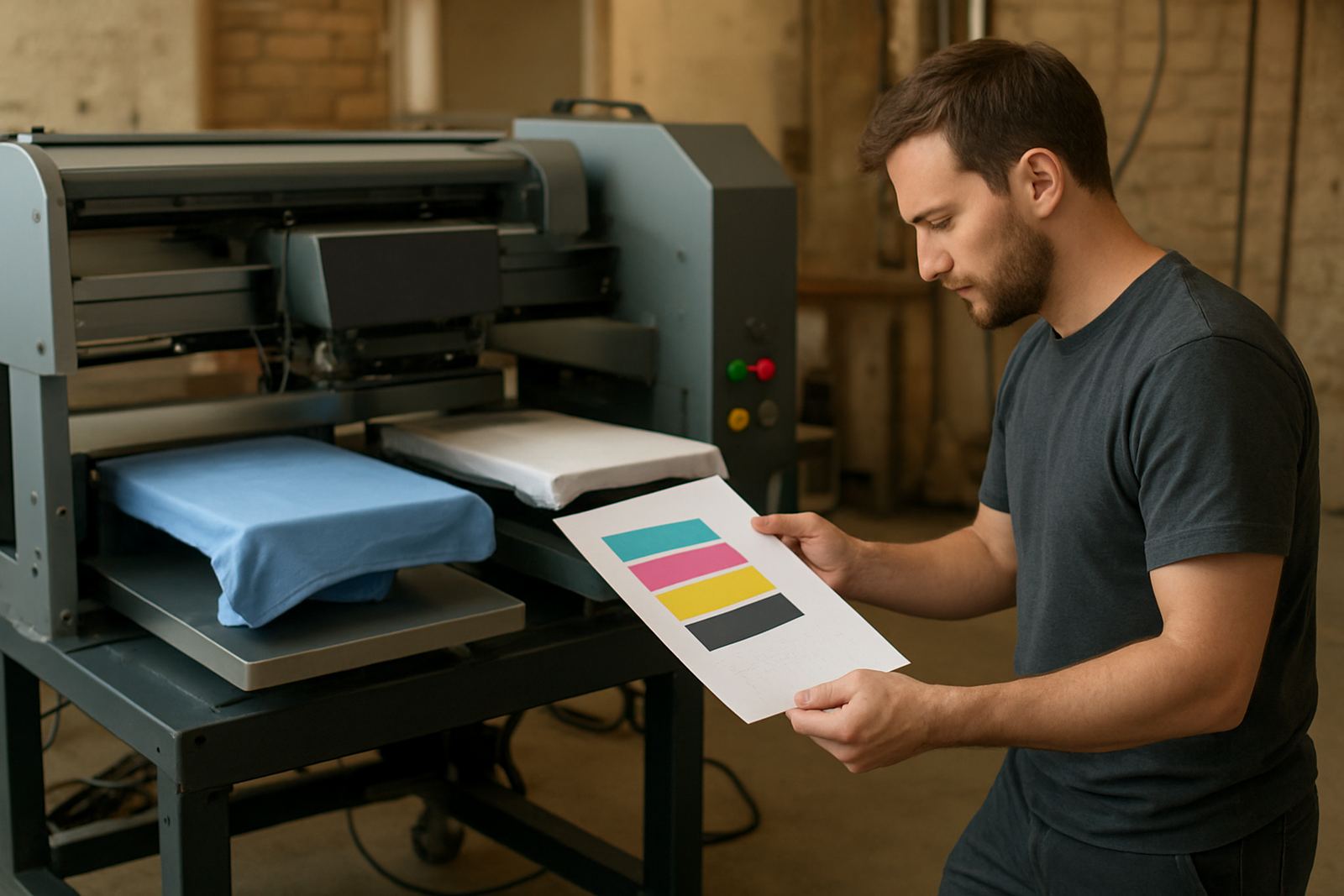
The film suits short-run colour work, personalisation, sample runs and regular transfer jobs where a softer hand-feel is preferred. It is commonly used with digital transfer systems for garments, labels and promotional items. Because the release is fast, operators must keep a steady press routine, but once the setup is right the workflow is efficient and predictable.
It is a useful option for shops that handle varied order sizes, from 10 pieces to a few hundred, and need a transfer film that keeps pace without a lot of handling after pressing.
Where hot peel film works best
This film is a strong fit for cotton, cotton rich blends and many coated or prepared textile surfaces used in garment decoration. It is often chosen for T shirts, workwear, hoodies, tote bags and other items that need a neat print finish with less bulk on the surface. For label printing and small textile branding work, it can also help when a clean edge and quick turnaround matter.
- Short-run garment decoration for retail and corporate orders
- Sample making and seasonal colour jobs
- Workwear, schoolwear and promotional clothing
- Print shops handling fast changes between designs
- Sites where operators need to keep heat press cycles moving
It is especially handy in Gauteng and coastal areas where humidity can affect handling of media left open on the bench. Keeping the film in a dry storage area helps maintain consistent release and cut quality.
Sizes, rolls and ordering options
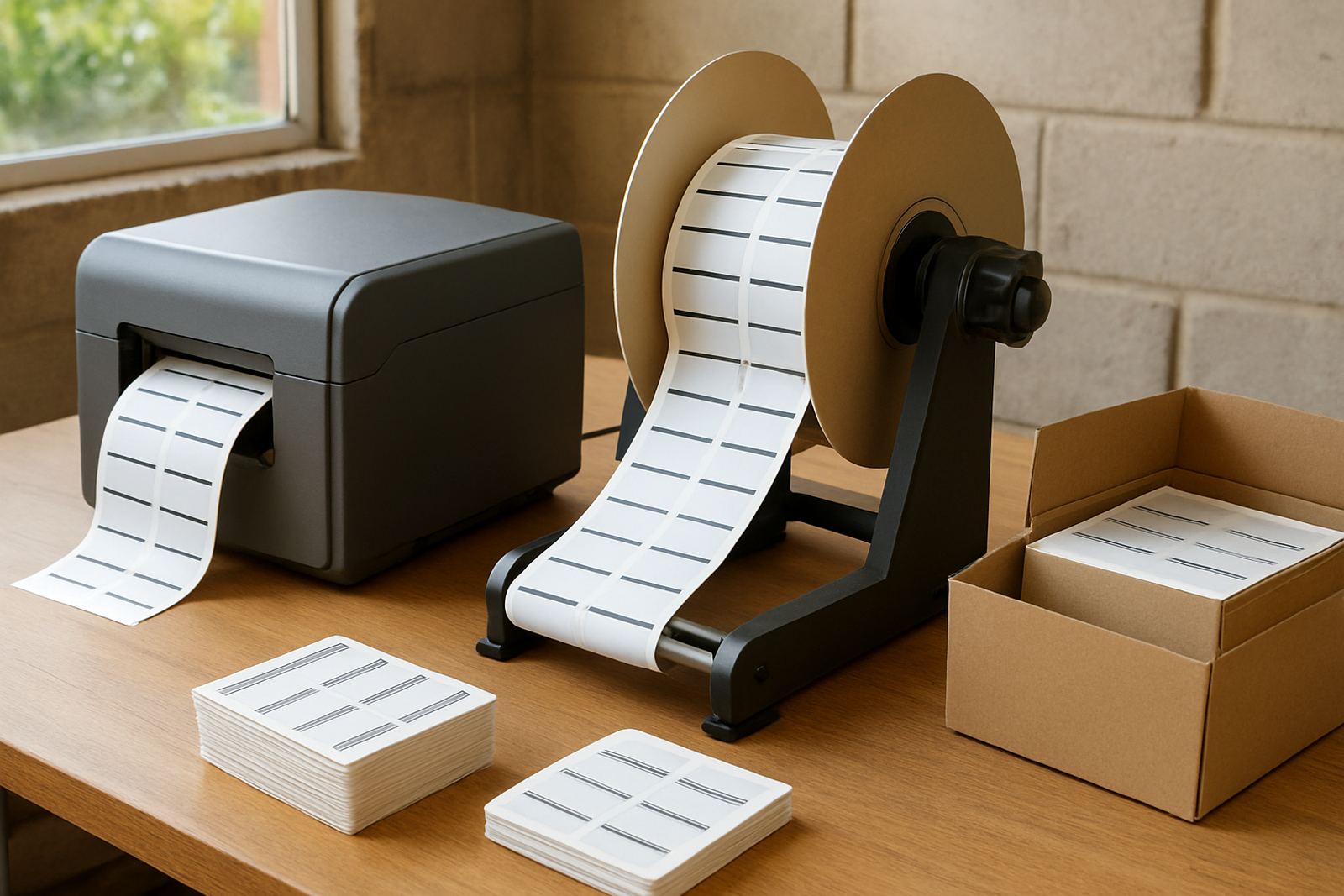
Hot Peel Film is normally supplied in roll form, with widths chosen to suit the print size and the cutter or printer setup. Common widths used in garment transfer work include 30 cm, 42 cm and 60 cm rolls, while some production lines prefer wider media to reduce joins and waste. Roll length will depend on the application and the supplier pack size, so it is worth checking the metre count before ordering.
For shops running mixed jobs, narrower rolls can be easier to handle on smaller equipment, while wider rolls suit higher output and larger artwork. If you are producing logo runs one day and full chest graphics the next, matching roll width to your most common job size helps cut down trim waste and keeps the finishing table clear.
- Available in different roll widths for varied production setups
- Suitable for digital transfer systems and short-run work
- Can be ordered by the roll or in production packs depending on stock
- Ask for the film thickness and release temperature range before use
Press setup, installation and power needs
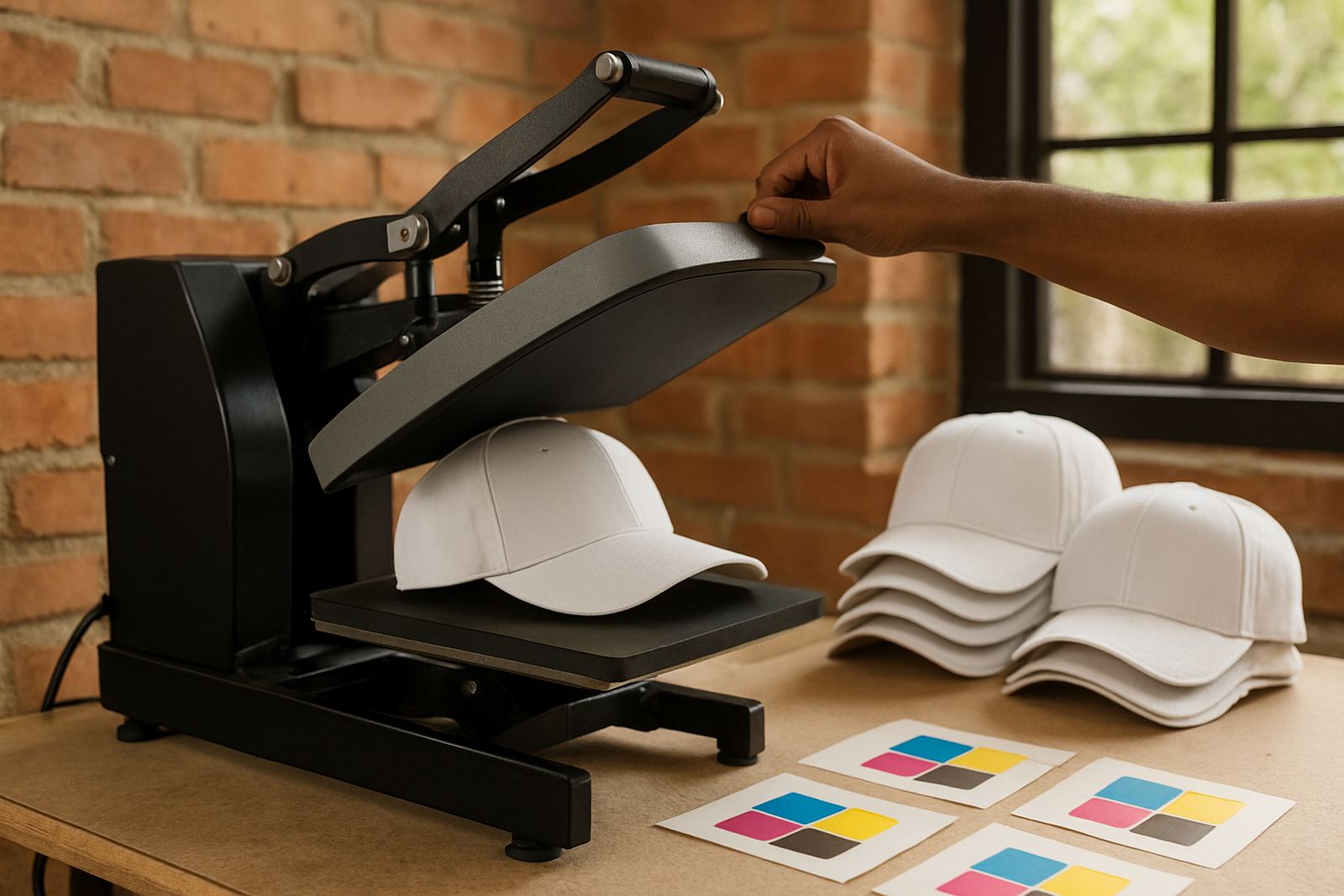
Hot Peel Film itself does not need installation in the way a machine does, but it does need the right press conditions to perform properly. The operator should work with a stable heat press, even platen pressure and the correct dwell time for the print system in use. Most setups will need standard single phase power at the press, and larger production rooms may already have dedicated outlets for heat equipment. If the press uses compressed air or a pneumatic system, make sure the supply is steady and filters are clean.
As with any transfer workflow, calibration matters. Press temperature, pressure and timing must be checked after machine movement, platen changes or seasonal temperature shifts. In areas with load-shedding, shops should also watch for voltage dips after power returns, since these can affect heater consistency. If your press is used near a diesel generator or inverter setup, give it time to stabilise before starting a run.
- Use a calibrated heat press with even pressure across the platen
- Check temperature recovery between repeated cycles
- Allow for clean working space around the press for safe handling
- Keep the film flat and dust free before pressing
Care, storage and maintenance between runs
Film performance is affected by heat, moisture and poor handling. Store rolls upright or on a proper rack in a dry room away from direct sun and open windows. In Durban, Gqeberha and other coastal areas, humidity can curl the edges if rolls are left open for too long, so sealed storage is a practical habit. In Johannesburg winter, static can build up in dry air, so keep the film and artwork clean before loading.
There is no complex servicing for the film itself, but the surrounding equipment needs regular attention. Heat press platens should be cleaned, pressure checked and power cables inspected. If the work is done on a digital transfer system, keep rollers, printheads and cutting equipment in good order so the finished transfer stays consistent. A dirty platen or worn silicone pad can cause uneven release and patchy adhesion, even when the film is fine.
For print shops offering same day turnaround, a simple stock rotation system helps. Use older rolls first, keep opened packs resealed and note any change in surface feel or release behaviour before a long production run.
What to check before you place an order
Before ordering Hot Peel Film, confirm the print process, the garment type and the transfer finish you want. Different transfer systems work best with specific temperatures and release behaviour, so a little checking at the start saves wasted material later. If your work includes small label sizes or fine text, make sure the film suits the image detail you need.
- Required roll width and metre count
- Heat press temperature and press time used in your shop
- Whether the job needs hot peel or a slower release method
- Fabric type, especially on blends and coated textiles
- Storage conditions in your area and expected stock turnover
- Whether the film will be used for garment decoration, labels, or both
If you are planning mixed production across Midrand, Pretoria and the rest of South Africa, it is worth ordering enough film to cover peak periods, especially when transport delays or municipal interruptions can interrupt supply. A clear stock plan keeps the line moving and avoids last minute shortages.
Key facts
| Product type | Fast-release transfer film for hot peel applications |
|---|---|
| Typical use | Garment decoration, labels, samples and short-run transfer work |
| Common roll widths | 30 cm, 42 cm, 60 cm |
| Compatibility | Digital transfer workflows and heat press application |
| Finish | Soft hand-feel with quick release handling |
| Storage advice | Keep sealed, dry and away from direct sunlight |