Curved Pressing For Caps, Visors And Headwear
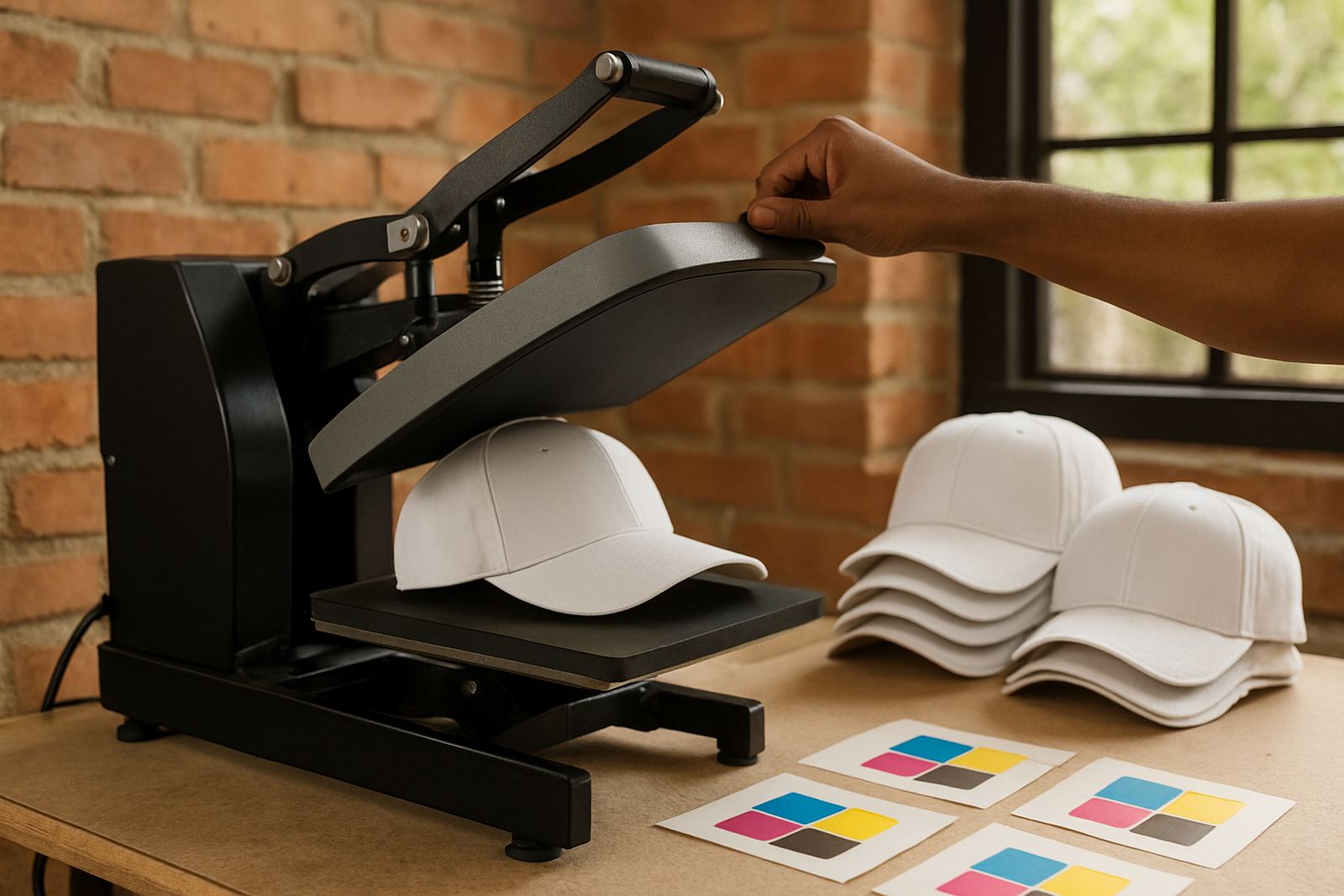
The cap heat press uses a shaped lower platen and a curved upper pad so the transfer sits properly on the crown of the cap. That matters when you are working on structured caps, sports caps, bucket hats with a firm front panel and promotional headwear that needs a clean logo placement. Compared with a flat press, the curved bed helps reduce edge marks and gives better contact on the stitched or buckram backed section.
For garment decorators in Johannesburg, Pretoria, Durban and the coastal towns where humidity can affect transfers, this kind of press is a practical choice for names, crests and small branding jobs. It is especially useful where the artwork is not large and the job count changes often through the week.
Sizes, Controls And Working Range
Most cap presses in this class use a small footprint and a swing or clamp style body, making them suitable for tighter production spaces. Typical platen widths range from about 80 mm to 130 mm across the pressing area, with a curved contact zone sized for standard adult caps. Some units suit youth headwear or wider front panels, so it is worth checking the curvature against the caps you use most often.
Look for adjustable temperature control, a timer and a pressure adjustment knob. Digital controls help with repeat jobs, while a manual pressure dial gives the operator better feel on stitched panels and thicker structured caps. For short-run colour work, consistency matters more than speed, so steady heat and accurate timing are the main priorities.
- Curved platen for front panel branding
- Adjustable temperature and dwell time
- Manual or semi-manual pressure control
- Compact footprint for small production areas
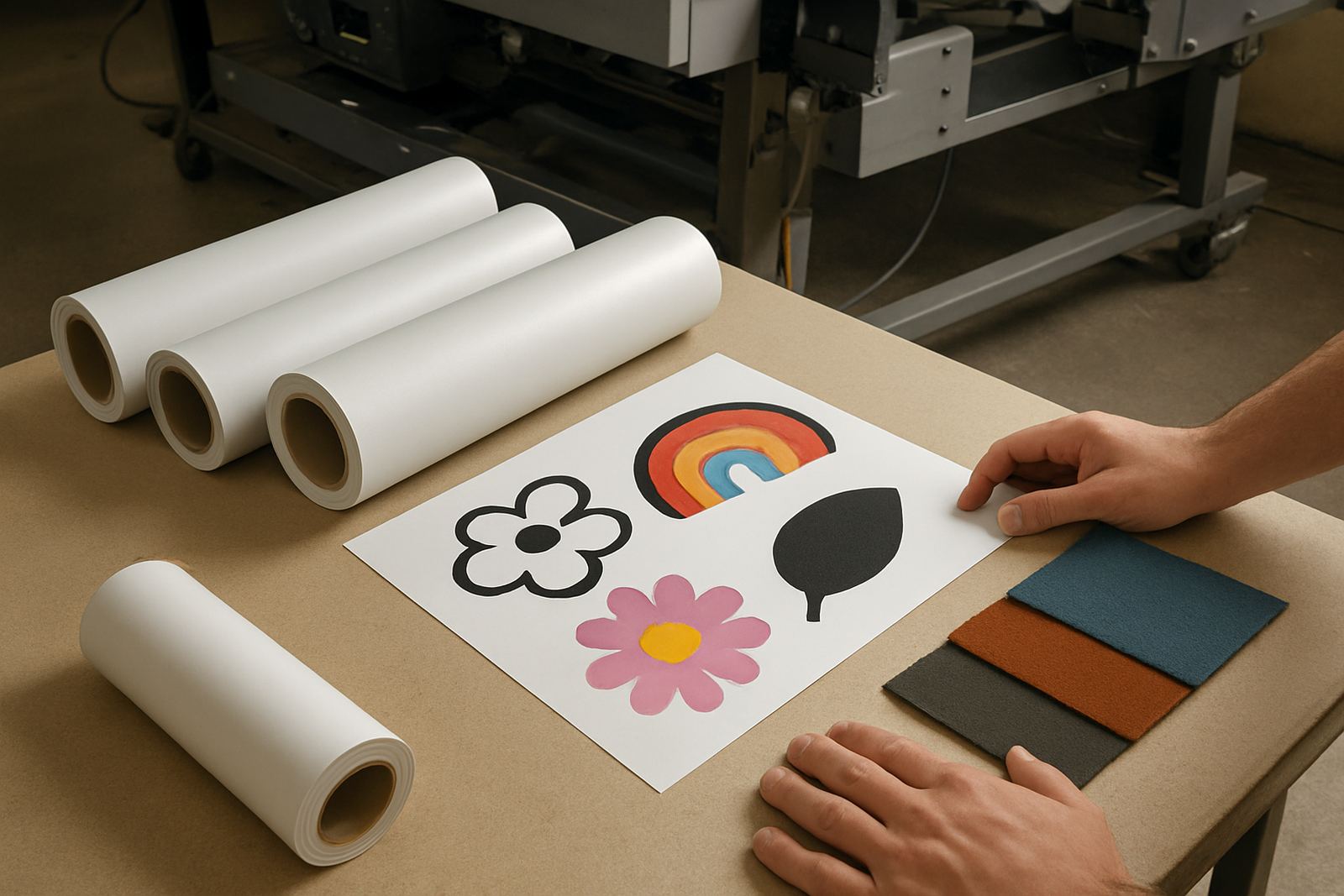
- Suitable for transfer vinyl, digital transfer media and badge applications
Where It Fits In A Print Shop
This press suits shops that handle promotional caps, workwear headwear, event merchandise and teamwear. It is also a useful addition for label printers who want to add branded caps to a wider product line. Because the press is dedicated to a curved surface, it saves time compared with trying to improvise on a flat machine and then correcting lifted edges or uneven heat.
It works well alongside a garment transfer setup, a cutter for vinyl, or a digital printer producing transfer media. If you do school orders, corporate giveaways or township event runs, a cap press gives you a quick way to turn small batches without tying up larger equipment. In a busy production room, that can make end-of-month turnaround a lot easier.
- Promotional cap branding
- Sports clubs and school teams
- Workwear and safety headwear
- Short-run retail merchandise
- Sampling and proofing before full production
Installation, Power Needs And Practical Setup
Most cap presses are simple to install. A sturdy bench or stand is needed, with enough room for the cap body to swing or clamp without hitting nearby equipment. The machine should sit level, especially if you are working in a Midrand factory or a small shop in Sandton where space is limited. Keep the area clear of loose media, powder and trim so the operator can move caps in and out safely.
Power requirements are usually straightforward, with standard single-phase electricity on many models. Check the machine plate for the exact voltage and amperage before ordering, and make sure the circuit is suitable for the heater load. If your site has load-shedding, plan for a stable power backup or schedule pressing during reliable supply times. No gas supply is normally needed, but the unit should still have good ventilation and a clean electrical feed.
Care, Servicing And Day To Day Use
Cap presses need regular cleaning and checks, especially when operators use transfer papers, film or adhesive backed media. Keep the platen free of residue and inspect the silicone pad for wear, scorching or uneven compression. If the temperature starts drifting or the pressure feels inconsistent, the finished cap can show patchy adhesion or a shiny mark on the fabric.
A simple maintenance routine helps keep the unit productive through peak season. Allow the press to cool before wiping down, avoid over-tightening the pressure setting and store caps dry before pressing. In coastal areas, humidity can affect adhesives and blank caps too, so keep consumables sealed and condition them in the room before use. A small slip in temperature or time can spoil a run, so make notes for each material type and keep them by the machine.
- Clean platen and pad after each shift
- Check timer accuracy and heat stability
- Inspect wiring, hinges and pressure parts regularly
- Replace worn silicone or heat pads when marking appears
- Store blanks and transfer media away from damp and dust
What To Confirm Before You Order
Before placing an order, check the cap styles you print most often and the type of transfer you use. A structured five panel cap needs different contact from a softer unstructured style, and a thick embroidered patch calls for more pressure than a light digital transfer. It is also worth checking whether you need a standard front-only press or a machine that handles a wider cap profile.
Ask about platen size, heat range, control type, spare parts availability and whether operator training is included. If your team handles urgent jobs across Gauteng or supplies into Botswana, Namibia, Zimbabwe or Mozambique, reliability and quick support are worth just as much as the purchase price. A good cap press should match your workflow, your cap range and the pace of your production floor.
- Cap style: structured, unstructured or five panel
- Transfer method: vinyl, print transfer or patch
- Power supply and circuit capacity on site
- Available workspace and bench height
- Need for spare pads, training and after-sales support
Key facts
| Product type | Curved heat press for caps and headwear |
|---|---|
| Typical platen size | Approx. 80 mm to 130 mm pressing width, model dependent |
| Controls | Temperature, timer and adjustable pressure |
| Power | Single-phase electric, confirm voltage and amperage on the unit |
| Use cases | Transfer vinyl, digital transfer media and badge work |
| Best suited for | Short-run cap branding, promotional headwear and workwear |
| Support | Installation, operator training, preventive maintenance and breakdown repairs |