What this compact DTG printer does
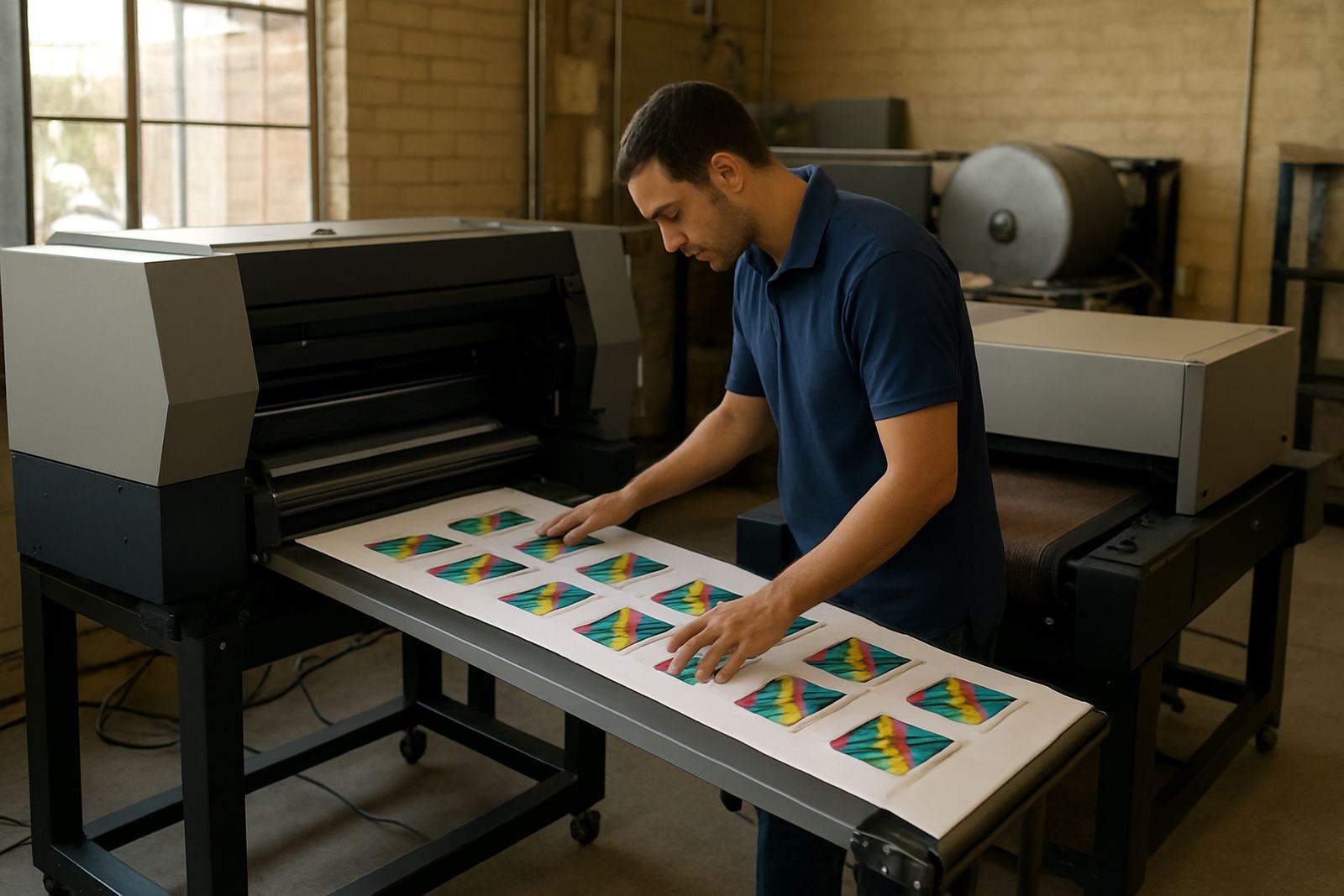
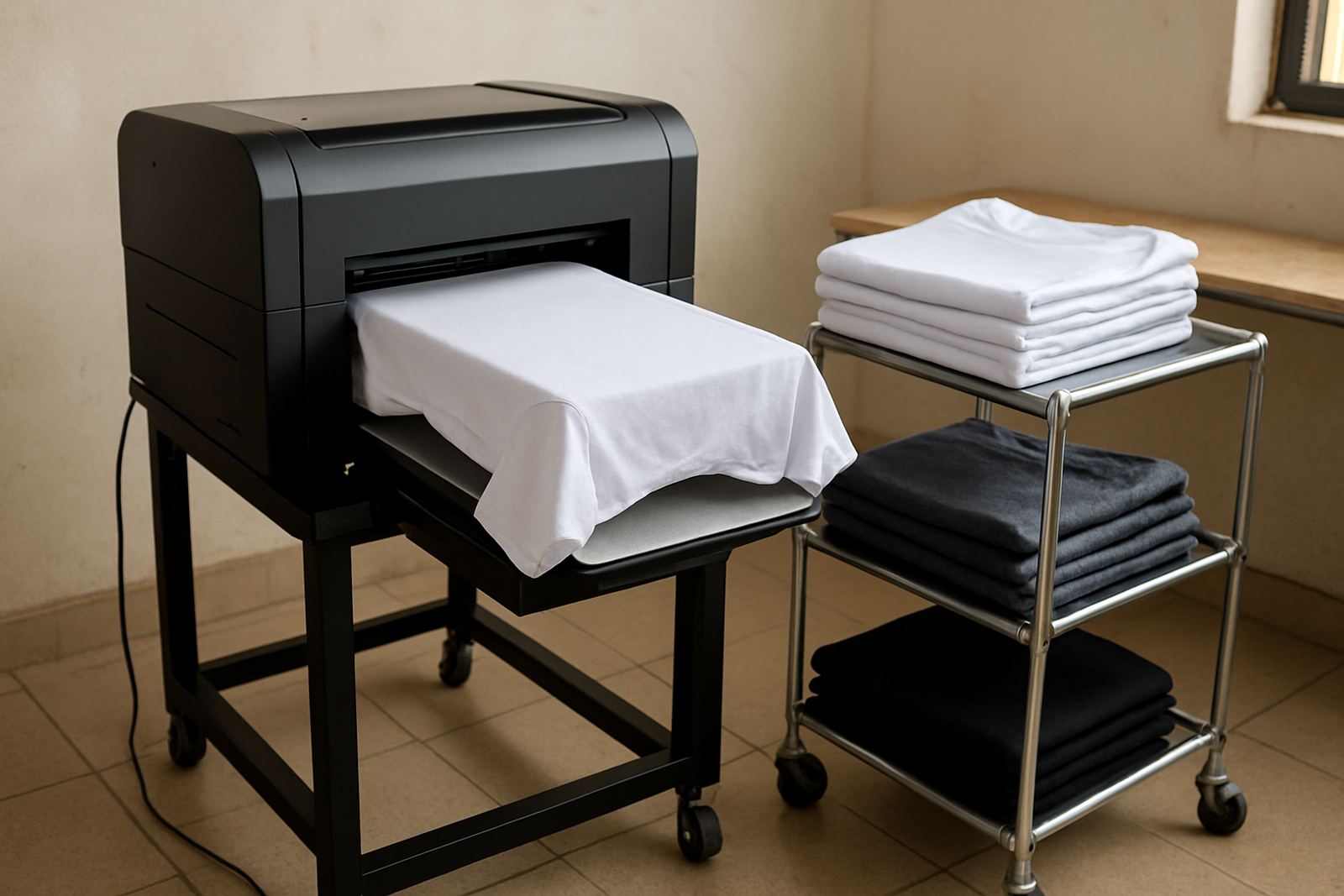
This entry-level garment printer is built for direct printing onto cotton T-shirts, hoodies, tote bags and similar apparel. It is a practical choice for short-run colour work where you need decent detail, fast turnarounds, and lower set-up waste than screen printing for the same small order.
For shops in Johannesburg, Pretoria, Midrand and the wider Gauteng area, it works well for sample runs, brand launches, school events and custom clothing orders. It can also suit print rooms serving coastal towns where humidity is a factor, provided garments are stored correctly and the machine is kept in a clean, dry area.
Sizes, pretreat and print area options
Most compact DTG machines in this class are supplied with a print platen system that handles standard adult, youth and small textile sizes. The useful print area normally depends on the platen fitted, so it is important to match the machine to the garments you want to do most often.
- Standard adult shirt platen for front chest and full-front prints
- Youth and small garment platen for kiddies wear and narrow print zones
- Sleeve or pocket platen for left-chest logos and short runs
- Optional white underbase workflow for dark garments
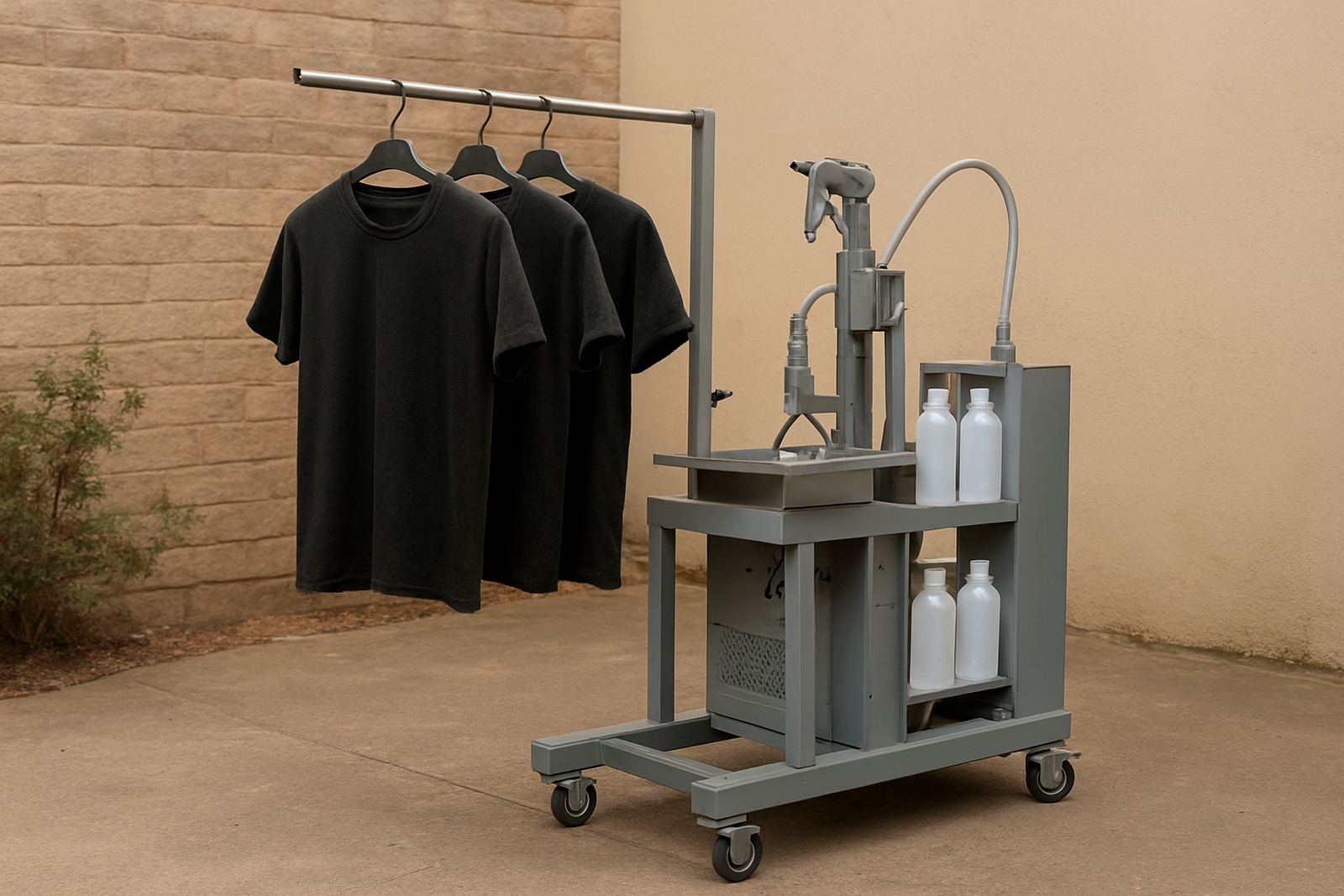
- Pretreatment is required for cotton garments when printing white or bright colour on dark fabric
For shops doing mixed orders, ask for the platen set that matches your daily work. It saves time and keeps the workflow cleaner, especially when you are running a few different sizes in the same shift.
Where it suits best
This machine is aimed at small to medium print businesses, fashion start-ups, promotional clothing suppliers and garment decorators who want a manageable first step into DTG. It is also useful for shops already doing heat transfers or vinyl, but wanting to add direct cotton printing for one-off orders and small batches.
Because DTG is slower than large textile production systems, it makes the most sense where order sizes are usually 1 to 50 garments. If your work includes club merchandise, staff uniforms, school events, or personalised gifts, the machine fits that kind of demand well. It is not the right fit for high-volume polyester sportswear.
- Small print shops in Midrand, Sandton and Pretoria
- Garment decorators handling custom names and short runs
- Online sellers shipping across South Africa and neighbouring countries
- Promotional companies needing quick sample approval prints
Power, workspace and installation needs
A compact DTG printer needs a stable indoor workspace, a clean table or stand, and proper ventilation. It does not usually need gas, but it does need reliable power and a disciplined setup area. In South Africa, where load-shedding and voltage dips are common, a good inverter, UPS or generator plan is worth sorting out before installation.
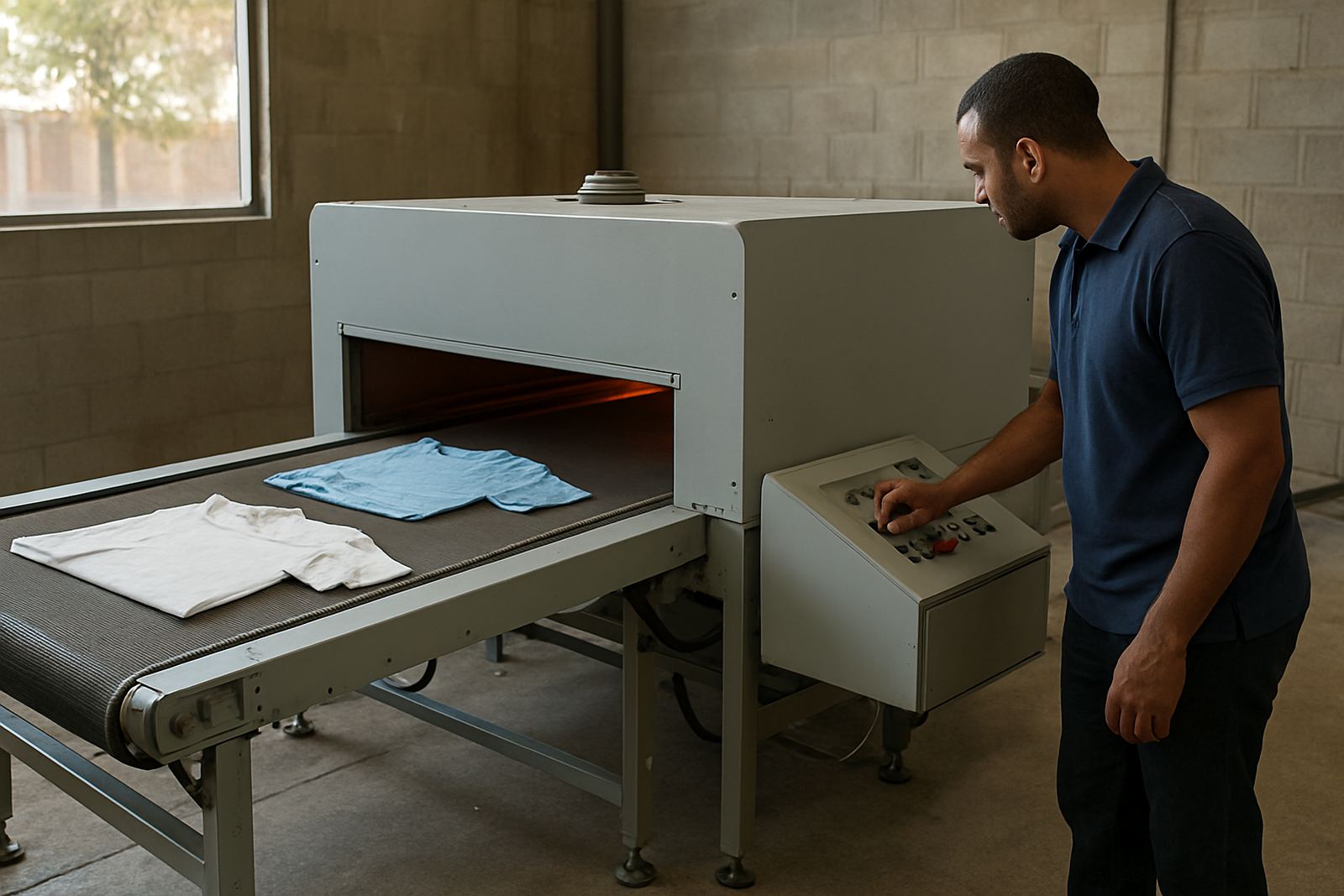
Allow enough space for pretreatment, curing and garment handling. The printer should sit away from dust, open windows and direct sunlight. A modest 220V supply is normally used, but your final power requirements will depend on the drying or curing equipment you pair with the printer. If you are running in a hot warehouse in Gauteng or a humid coastal store room, temperature and moisture control matters more than people expect.
- Stable 220V single-phase power
- Dry, dust-controlled room with enough working space
- Cur ing or heat-setting equipment for finished prints
- Reliable backup power for print stability during outages
- Level surface and safe access for maintenance
How to look after the machine
DTG equipment needs regular attention, especially if it is not used every day. Ink sits in fine channels and printheads, so daily or scheduled maintenance is part of the job. If the machine is left idle too long, you can end up with blocked nozzles, wasted garments and more downtime than expected.
Good practice includes printhead checks, nozzle cleaning, regular agitation of inks where required, and keeping the platen and encoder areas clean. If you print dark shirts often, plan for pretreatment housekeeping as well, because overspray and residue can build up. A proper service schedule helps keep the machine printing consistently, and it also protects your consumable spend.
We offer preventive maintenance, breakdown repairs, printhead care and remote support for shops that need help without waiting too long for onsite assistance.
What to check before you order
Before you place an order, make sure the machine suits your garment mix, print volumes and support needs. A compact DTG unit should be chosen for the work you actually do, not only for the quote price.
- What garment types you print most often, especially cotton content
- Whether you need white ink for dark fabrics
- The print area and platen sizes supplied with the machine
- Ink type, curing method and expected running costs
- Available workshop power, backup power and ventilation
- Training for operators and who will handle cleaning each day
- After-sales support, spare parts access and servicing lead times
It is also worth checking how the machine fits into your workflow from art setup to curing and packing. A printer can look affordable on paper, but if it slows the rest of the line, the total cost can climb quickly.
Key facts
| Printer type | Compact direct-to-garment printer for cotton apparel |
|---|---|
| Best use | Short-run colour printing on T-shirts, hoodies and bags |
| Garment compatibility | Cotton and cotton-rich textiles, especially light garments |
| Power needs | 220V single-phase supply, backup power recommended |
| Working setup | Indoor dust-controlled space with curing and pretreatment area |
| Support | Installation, operator training, maintenance and repairs from Midrand |