What cold peel film does on garment jobs
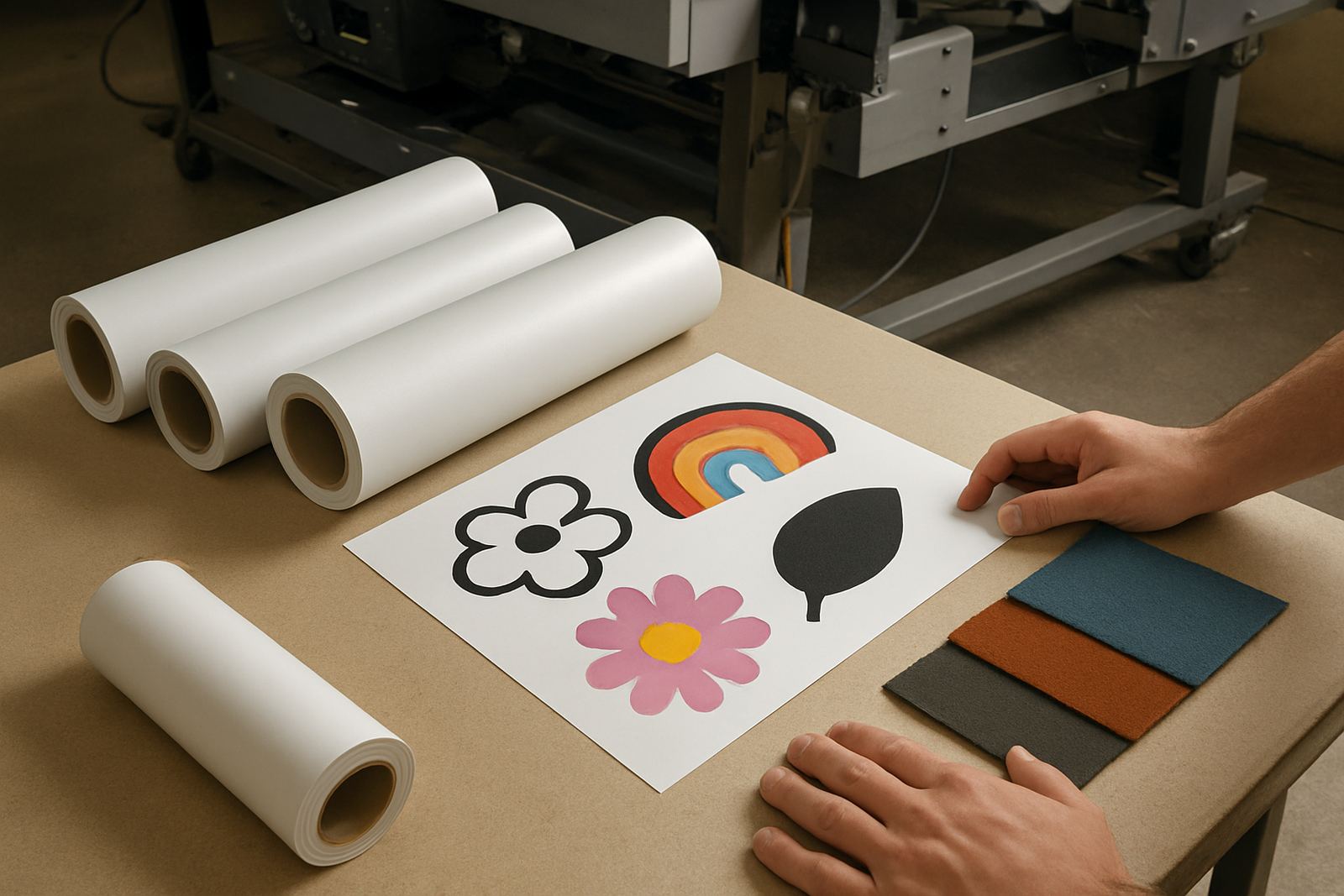
Cold Peel Film is a transfer film used in garment decoration when you need the image to stay stable during pressing, then release only after the transfer has cooled. That slower peel helps keep fine edges neat, which is useful for small lettering, badge-style logos, sponsor names, and detailed colour work on darker garments. It is often chosen by print shops that want repeatable results across t-shirts, hoodies, workwear, and promotional items.
For South African print rooms, it is a practical choice when you are dealing with mixed jobs and tight turnaround times. The film is handled as part of a heat transfer process, so consistency matters more than speed. If the press temperature, pressure, and cooling time are managed properly, the finish is clean and the artwork stays sharp instead of lifting at the edges.
- Designed for detailed graphics and crisp release after curing
- Useful for short-run production and personalised work
- Helps reduce edge lift on fine artwork
- Suitable for retail, workwear, sportswear, and event garments
Sizes, rolls and job formats to ask for
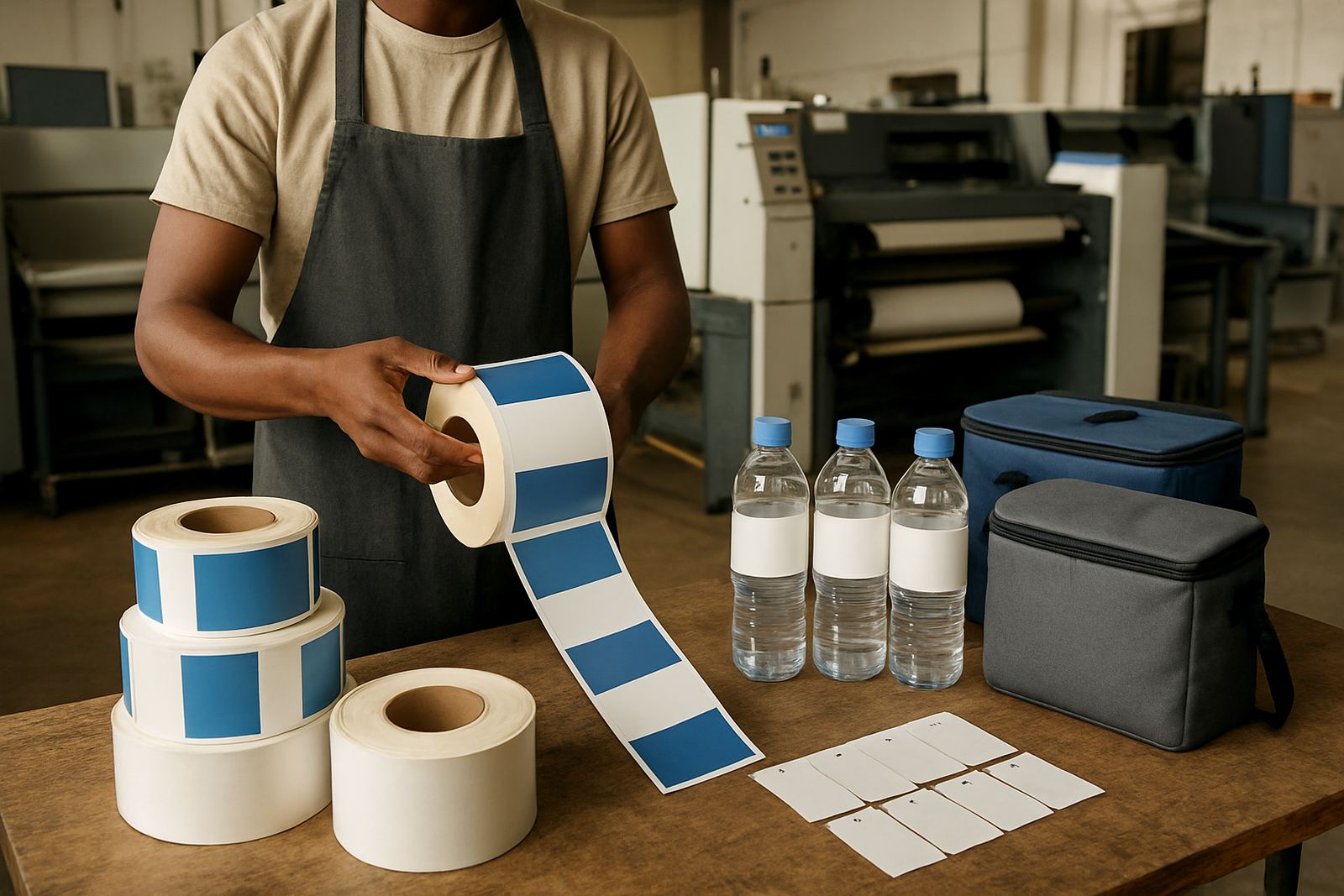
Cold Peel Film is usually supplied in roll format for continuous use, although sheet options may be available depending on the application and media type. The width you choose should suit your print width, trimming method, and the size of the garments you run most often. In Midrand and across Gauteng, many operators prefer widths that reduce waste on A3 style layouts and mixed-size gang sheets.
Before ordering, check whether the film is intended for a specific ink set, toner system, or transfer method. Some films are better suited to fine-detail graphics, while others are built for stronger release on larger flat colour areas. If you are running several garment sizes, it helps to keep a standard width in stock so operators are not cutting around odd offcuts all day.
- Common roll widths are selected to suit desktop and production format workflows
- Sheet sizes can suit sample work and low-volume jobs
- Ask about compatibility with your print method before placing stock orders
- Check whether the film is intended for left-to-right or mirrored transfer workflows
Where cold peel film suits best in the South African market
This film suits print shops that produce branded clothing, school wear, clubwear, corporate uniforms, and event merchandise. It is also useful for shops that do a lot of names and numbers, because the transfer can be pressed quickly and peeled once fully cooled. That cooling step is important on busy floors, especially where operators are moving between garments and cannot afford rework.
Cold Peel Film is a good fit where consistency matters more than speed of peel. Shops working in humid coastal areas often like the extra handling control, since hot peels can become less forgiving when the room is warm and the garment cools unevenly. In Gauteng, where the air is drier, the same film still performs well if the press settings and cooling time are kept steady.
- Corporate uniforms and staff clothing
- Sports kits, supporter wear, and school apparel
- Promotion garments for launches, expos, and activations
- Short-run personalised orders with names and numbers
Press settings, installation and utility needs
Cold Peel Film does not need power or gas on its own, but it depends on a heat press or similar transfer machine to do the job properly. Your installation therefore needs a press with reliable temperature control, even platen pressure, and enough flat space for loading and cooling garments. If the machine is used in an area affected by load-shedding, operators should plan around stable power supply or backup power so press temperatures remain consistent.
In practical terms, the film should be installed in a clean, dry area away from dust, direct sunlight, and damp floors. If your shop is in a coastal town or a warehouse with humidity swings, storage on a shelf or pallet rather than on the floor helps keep the film flat and workable. Good airflow is useful, but avoid placing the film where it will pick up moisture or curl before use.
- Needs a compatible heat press, not gas
- Requires steady temperature and even pressure
- Best kept in a dry room, ideally 18 to 24 degrees C
- Store rolls flat or upright as recommended for the format
Care, servicing and handling for steady output
To keep output consistent, operators should handle the film with clean hands and avoid touching the adhesive or transfer surface more than necessary. Dust, lint, and moisture can affect release quality and cause small marks that only show up after pressing. If you are running high volumes, a basic daily clean of the press platen and surrounding work area goes a long way.
There is no complex servicing on the film itself, but the machine that uses it needs attention. Check platen alignment, pressure consistency, and heat accuracy on a regular basis. A press that runs too cool or too hot will show up in the finished garment quickly. We also recommend keeping a simple log of problem jobs, because it helps spot whether the issue is the film, the garment, or the press settings.
- Keep film sealed until use where possible
- Avoid storing near solvents, wash areas, or open windows
- Clean press surfaces before shifts
- Review temperature and dwell time if edge lift appears
What to check before you place an order
Before ordering Cold Peel Film, check the garment type, ink or toner system, print method, and the look you want after pressing. Fine detail jobs often need different handling from solid block graphics, and the wrong film can lead to dull colour or poor release. If you are buying for multiple branches, make sure everyone is using the same press settings and cooling time, otherwise results can vary from shop to shop.
You should also confirm roll width, quantity, and whether the film needs to pair with a specific adhesive, powder, or top layer in your process. If your team works on garment decoration and label printing in the same space, keep the film clearly marked so it does not get mixed with other media. That small step saves time and cuts waste, especially when orders are moving fast and the kettle is on in the back room.
- Garment type and fabric blend
- Print method and compatible transfer process
- Roll width, sheet size, and estimated monthly usage
- Required press temperature, pressure, and cooling time
- Storage space and humidity control at your site
Key facts
| Product type | Cold peel transfer film for garment decoration |
|---|---|
| Finish | Clean release after full cooling |
| Best use | Fine detail logos, names, numbers, and short-run graphics |
| Suitable fabrics | Cotton, polycotton, and selected synthetic blends |
| Format options | Rolls and some sheet formats, depending on application |
| Utility needs | No direct power or gas needed for the film; requires a compatible heat press |