What synthetic label media is used for
Synthetic label media is a coated plastic based stock made for labels that must resist moisture, light abrasion and everyday handling. It is commonly used for product labels, bin labels, chemical identifiers, asset tags and short-run colour work where paper stock would soften or scuff too quickly. In print shops across Johannesburg, Pretoria and the coastal areas, it is a practical choice for work that may sit in fridges, storerooms, washing areas or on packaging that moves through a busy supply chain.
The surface is made to take toner cleanly and to keep text, barcodes and colour blocks sharp. Depending on the grade, it can be matte, semi-gloss or gloss, with adhesive options for standard cartons, smooth plastics and some textured surfaces. For customers serving bottling, cosmetics, food handling and industrial users, synthetic media gives a better finish and longer life without moving into expensive specialist material. It is not intended for direct heat exposure or harsh solvent contact, so the application must still be matched properly.
Sizes, finishes and construction options
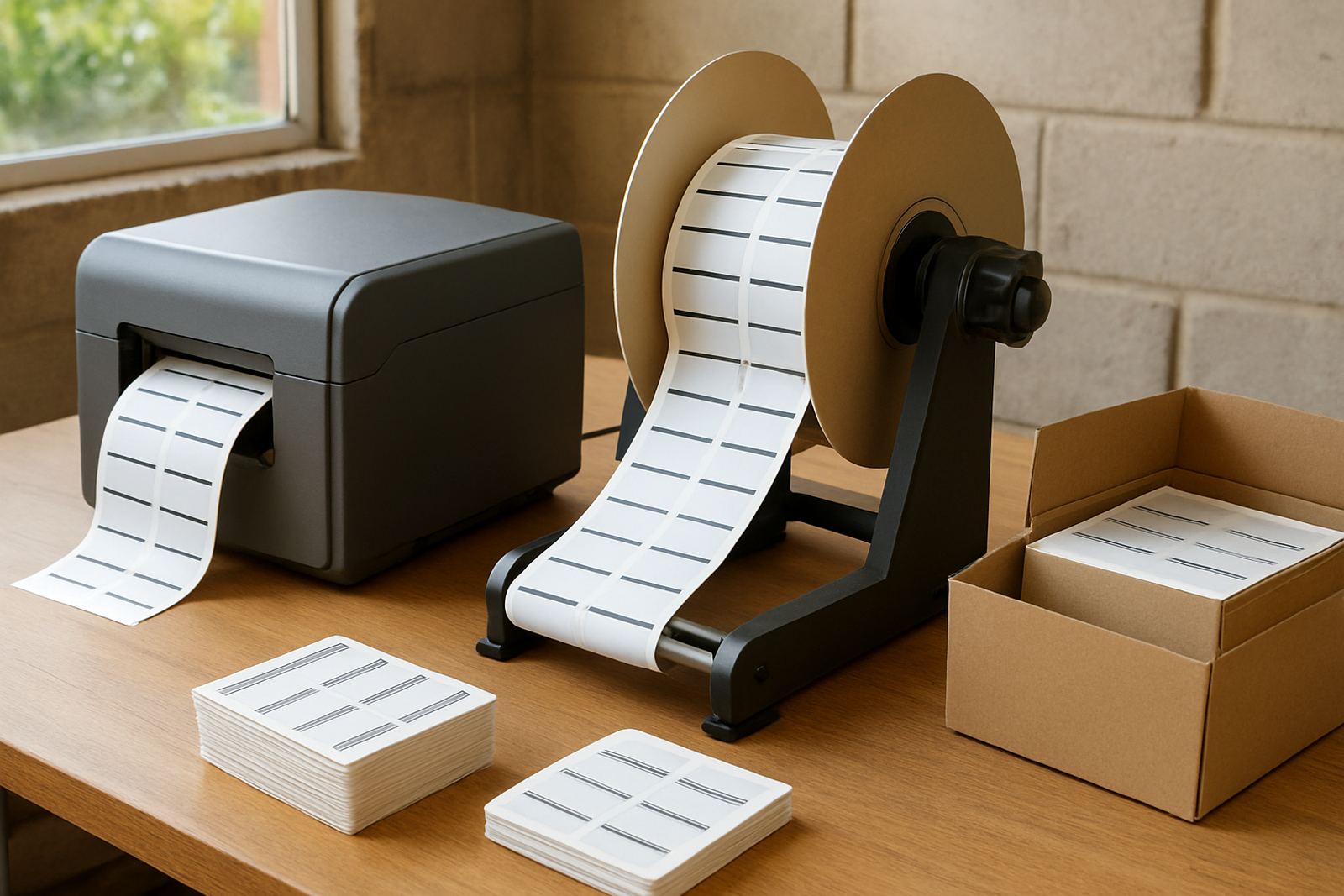
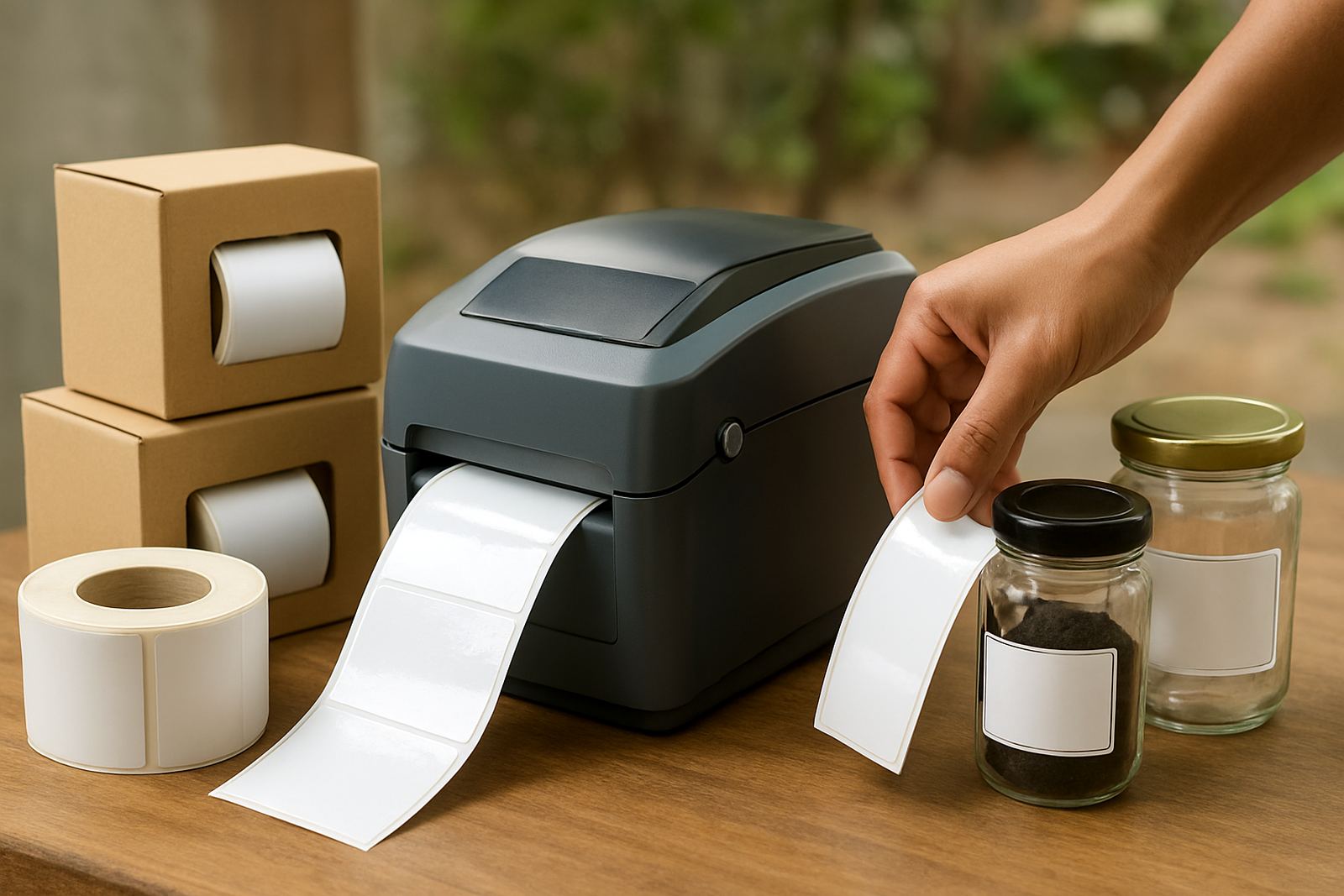
We supply synthetic label media in common cut-sheet and roll formats for digital printers and transfer setups used in smaller to medium production runs. The exact format depends on the machine path and feed method, but the usual options include A4 and A3 sheets, narrow rolls for label printers and wider web media for production jobs. Thicker stock gives better handling on labels that are peeled often, while lighter stock is useful where a large number of labels must be printed quickly. Some customers prefer white face stock for clean colour reproduction, while others ask for clear or textured media when the label must sit neatly on a branded pack.
- White matte for barcode labels, instructions and product information
- White gloss for brighter colour and a more polished finish
- Water-resistant grades for cold rooms, bathrooms and general moisture exposure
- Removable or permanent adhesive depending on the final surface
- Cut-sheet or roll format to suit the printer path and finishing setup
Thickness is usually selected by application rather than appearance alone. A slightly stiffer face stock can help where labels are stripped by hand, while a more flexible sheet suits curved bottles and smaller packs. If you are running mixed work, it is worth keeping two or three grades on hand so the operator does not force one stock to cover every job.
Where synthetic labels perform best
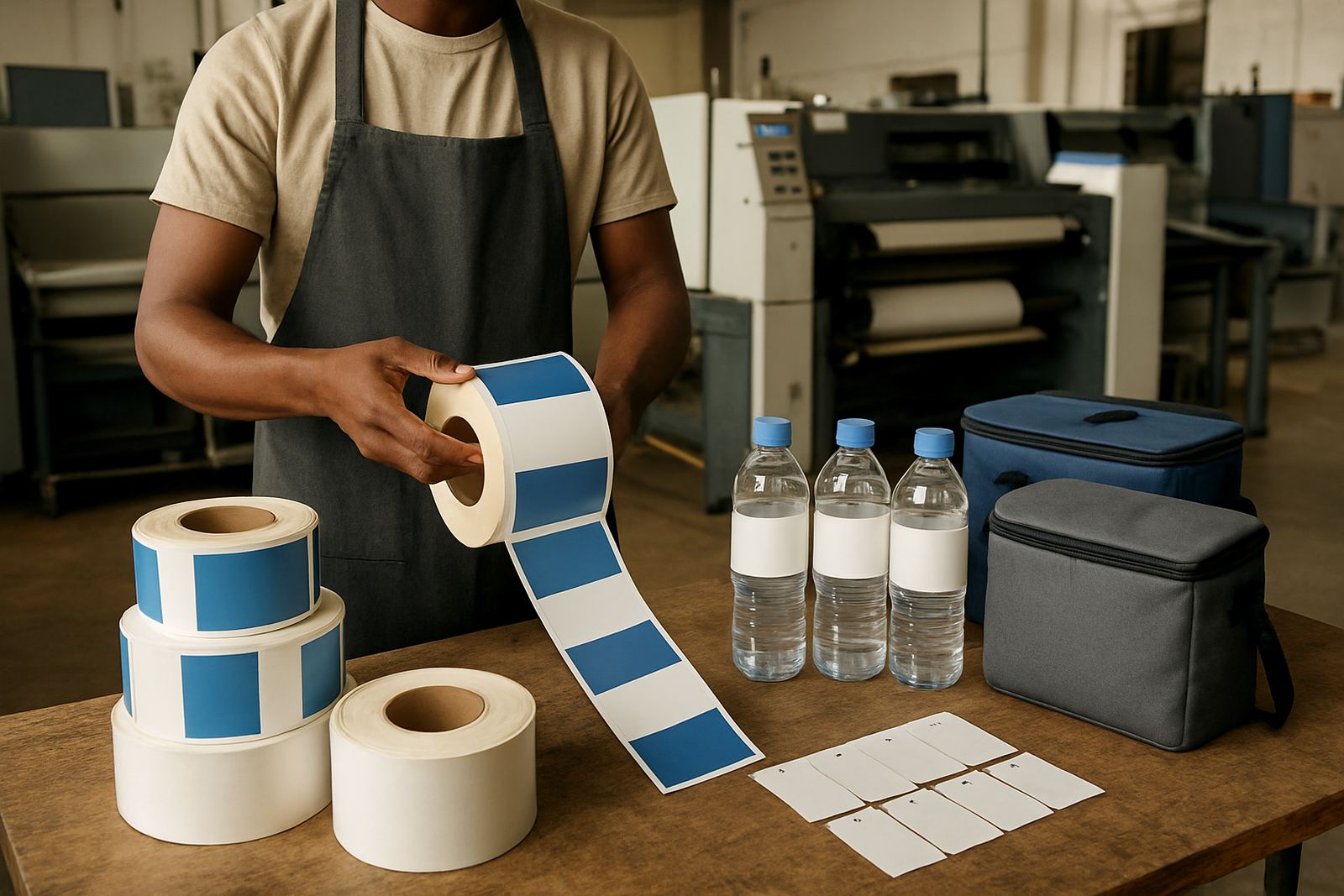
This media suits labels that are touched often or exposed to light moisture. It works well for shampoo bottles, cleaning products, food containers, plant tags, lab sample labels, warehouse boxes and asset labelling in offices or factories. It is also a practical option for small print shops doing event packs, cosmetic sample runs and local retail labels where the client wants a tougher label but does not need a full laminated finish.
In South Africa, a lot of label work has to deal with heat in the warehouse, humidity near the coast and occasional water contact in cold storage or retail display. Synthetic stock helps reduce curling, softening and smudging in those conditions. It is especially useful where labels are scanned often because the print stays more stable than paper under handling. If the application is outdoors, on a chemical container, or on packaging washed down regularly, it is important to choose the correct grade and adhesive from the start.
- Moisture-prone areas such as kitchens, cold rooms and wash stations
- Handled packaging where labels rub against other cartons or pallets
- Short-run promotional labels with strong colour and clean cut edges
- Variable data work like serial numbers, barcodes and batch codes
Printing setup, installation and power needs
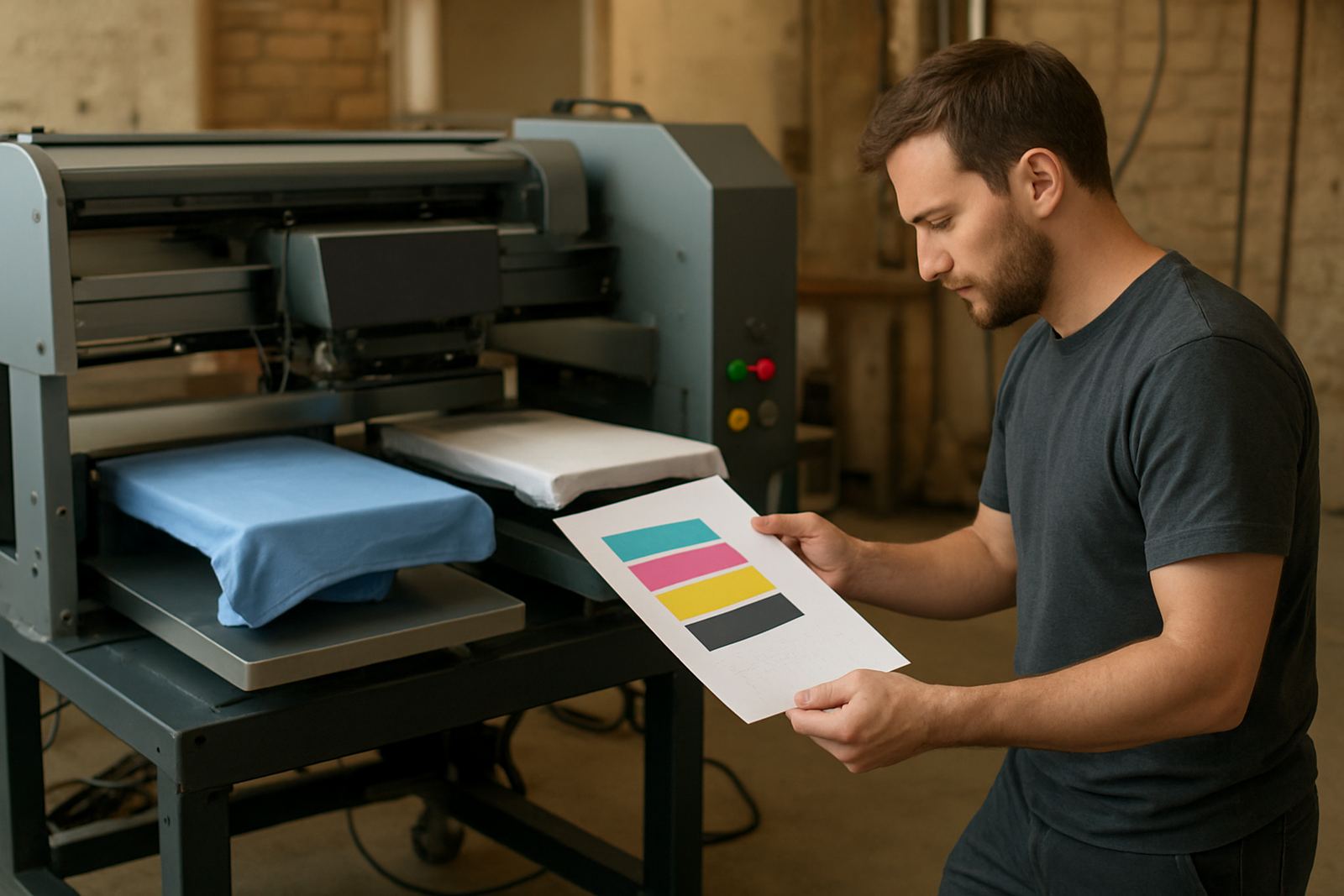
Synthetic label media is typically run through digital printers and transfer equipment that need stable feed, correct temperature control and the right media settings. On installation we check the feed path, tension, registration and sensor setup so the stock moves without curling or slipping. For roll-fed equipment, the unwind and rewind path must stay aligned, especially on longer runs. In Midrand and the surrounding industrial areas, that sort of setup saves a lot of stoppages later because label stock is unforgiving once the operator starts chasing a skew issue.
Most systems use standard mains electricity and do not need special gas supply. What matters more is clean power, reliable earthing and proper surge protection, especially with load-shedding and voltage swings. A small backup supply or correctly sized inverter can help a label line finish a run safely, but the exact arrangement depends on the machine and the printer controls. Ventilation should also be considered where the process creates heat or where adhesive dust and paper fibres build up. If your operation runs in a hot room, keep the stock sealed until use so the adhesive and face stock stay stable.
Care, storage and servicing between jobs
Synthetic media lasts better when it is stored flat or upright in a dry area away from direct sun and high humidity. Do not leave open packs near doors that pull in dust or damp air, especially in coastal towns where moisture can creep into the stack. Before printing, allow the material to settle in the production room so the temperature is closer to the machine environment. That helps with curl and keeps the feed more even. If rolls are used, keep the edges clean and avoid crushing the core during handling.
For the printer itself, regular cleaning matters. Check rollers, sensors and guides, and keep adhesive build-up away from the feed path. Toner work on synthetic stock benefits from proper calibration because poor density can make barcodes weak and colour blocks patchy. Preventive maintenance should include printhead care where relevant, colour checks, and media profiling when you move between grades. That way the next job starts clean and does not waste stock.
- Store sealed packs at room temperature and away from damp floors
- Clean feed rollers and guides before running a new batch
- Keep spare media in the same room as production before use
- Recheck alignment after maintenance or power interruptions
What to confirm before you order
When ordering synthetic label media, the first check is the printer or transfer machine model and the exact media size it can accept. Then confirm whether you need sheets or rolls, and whether the finished label must be removable or permanent. The adhesive choice is important because a label on smooth plastic needs different grip to one on cardboard or a textured container. You should also confirm the finish, because gloss can sharpen colour while matte is often better for handwriting and thermal overprinting.
It also helps to know the final use. Will the label sit in a fridge, be wiped down, or travel through a humid warehouse? Will it carry barcodes, batch numbers or fine text? If colour is critical, ask for the intended print profile so the stock can be matched properly. A small test run is always worthwhile before a full production buy, especially if the labels must pass a client approval or municipal compliance check. Getting the right stock upfront saves reprints, and with short-run work every sheet counts.
- Confirm printer type, media width and feed direction
- Specify sheet or roll format and the required core size if applicable
- Choose matte, gloss or clear depending on the application
- State whether the adhesive must be permanent or removable
- Tell us if the labels will face moisture, cold storage or rubbing
Support for print shops across South Africa
CMYK Industries supports print shops from Midrand, Sandton, Pretoria, the East Rand and the West Rand, with supply reaching into neighbouring countries as well. Our team can help with consumable planning, workflow advice, media profiling and troubleshooting when a job is not sitting right on the stock. If a machine is feeding poorly or the label finish is not matching the brief, we can look at the setup, the media choice and the maintenance history together.
We work with shops that need practical advice, not guesswork. That can include matching synthetic stock to a production target, planning spare media for busy periods, or sorting a recurring print issue after a breakdown. For harder wearing labels, the right media is only part of the job. The printer settings, operator handling and environment all need to line up so the finished label does what it was bought to do.
Key facts
| Material type | Synthetic plastic based label media for toner and digital label production |
|---|---|
| Available formats | Cut-sheet and roll options, subject to printer compatibility |
| Finishes | Matte, semi-gloss and gloss |
| Typical use | Moisture-prone, handled and short-run label applications |
| Adhesive options | Permanent and removable grades, depending on surface |
| Storage guidance | Keep sealed, flat or upright, in a dry room away from direct sun |