Short-run colour labels made for busy production floors
The Desktop Label Printer is set up for low to mid volume label work where turnaround matters more than long continuous runs. It suits short product changes, seasonal packs, private label jobs and sticker batches that need sharp text, clean registration and dependable repeatability. For Johannesburg, Pretoria, Durban or Cape Town users, it is also a practical answer when clients want faster lead times and smaller quantities.
This type of printer is useful for food packs, cosmetics, supplements, bottle labels, sachets and warehouse stickers. It handles colour work that would be too costly to outsource in small quantities, and it lets you test new designs before committing to larger runs. For shops dealing with several SKUs at once, that flexibility saves time and reduces waste.
Typical sizes, media options and print expectations
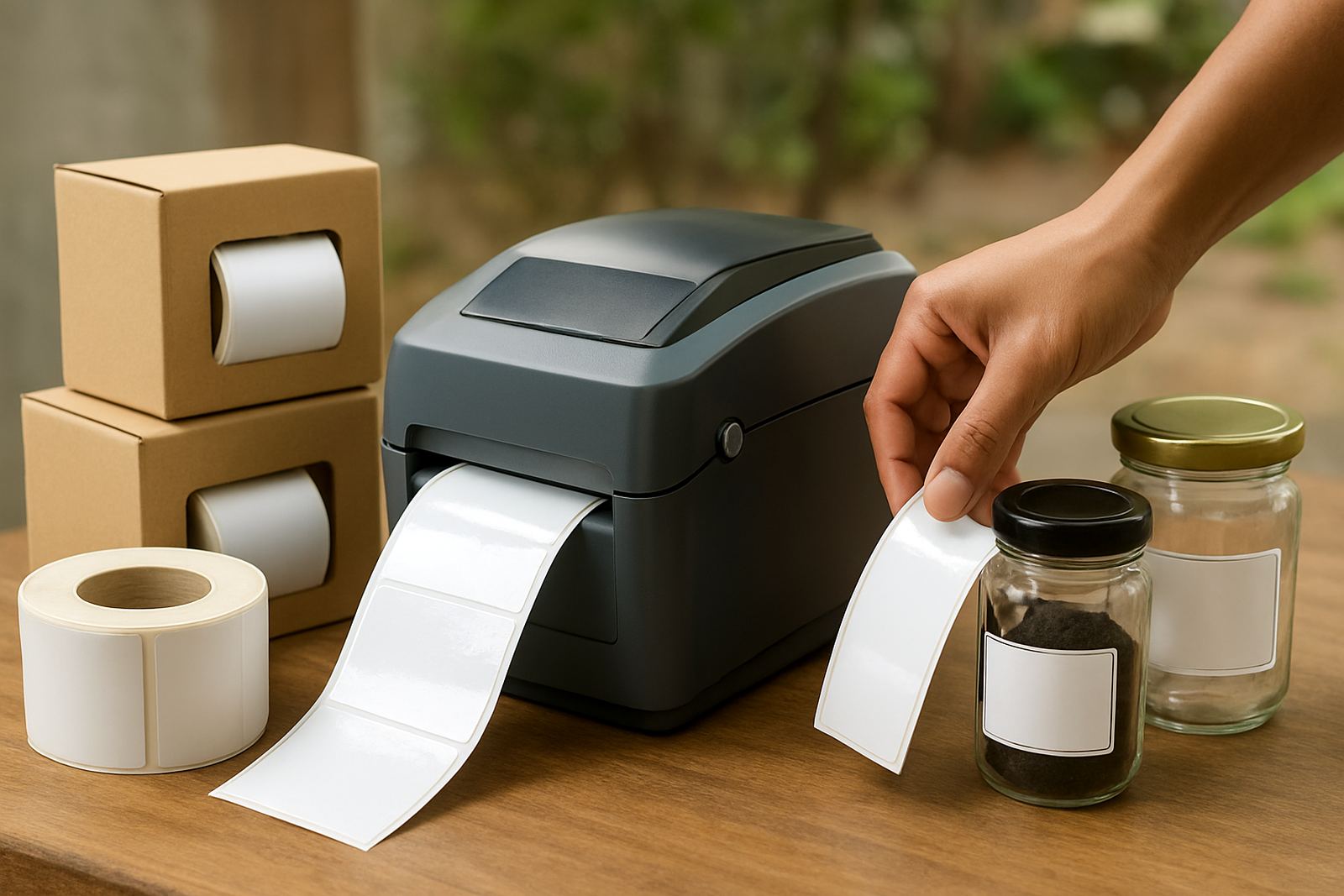
Most installations use roll-fed label media in widths from 50 mm to about 250 mm, depending on the machine configuration and the size of the finished label. Common label lengths range from small 25 mm product seals through to longer wraparound labels for bottles and tubs. The printer can be paired with gloss, matt or synthetic label stock, along with removable or permanent adhesives depending on the application.
For short-run colour work, buyers usually ask about resolution, speed and colour consistency. A good setup should produce crisp text, barcodes and solid colour blocks with predictable output from the first label to the last. If your workflow includes batch codes or variable text, make sure the printer supports the data handling you need and the media path can keep labels tracking properly.
- Roll widths commonly from 50 mm to 250 mm
- Printable formats for product labels, stickers and sleeves
- Gloss, matt and synthetic media options
- Suitable for variable data such as batch numbers and barcodes
Where it suits best in South African print rooms
This printer suits businesses that need a compact unit near packing or finishing, with a simple workflow from artwork to finished label. It works well in print shops producing short runs for local brands, as well as contract packers, delis, cosmetic fillers and small manufacturers. In Midrand and the northern suburbs, it is a good fit for teams that need to keep production on site rather than waiting on an outside supplier.
It also makes sense for operations that cannot afford large floor space or high electrical demand. Many smaller businesses want a machine that can sit alongside existing finishing kit and keep going through the day without special civil work or heavy installations. If the work is split between production and office support, the output can be planned around daily order peaks rather than a full shift.
- Print shops taking on short label runs
- Food and beverage producers with changing pack sizes
- Cosmetic, health and personal care label work
- Warehousing and logistics stickers
Installation, power and site requirements
Installation is normally straightforward, but the site still needs a stable surface, clean airflow and sensible cable management. Most units run from standard 220 V mains power, with no gas requirement. If you work in an area affected by load-shedding, plan for a small UPS or inverter backed supply so jobs do not stop mid-run and printheads are protected during shutdowns. A steady room temperature and low dust count help a lot, especially in industrial areas or near loading bays.
Before delivery, check that you have enough bench space for the printer, media rolls and finished stock. Leave space for opening covers, changing rolls and routine cleaning. If the machine will be used in coastal regions like Durban or George, factor in humidity and keep media sealed until needed. In dusty inland sites, a covered position matters because fine grit can affect feed rollers and sensors.
- Standard 220 V power supply
- No gas or compressed air needed for normal use
- Allow space for roll loading and access panels
- UPS recommended where load-shedding is frequent
Care, servicing and keeping output consistent
Like any label production equipment, this printer needs regular care to keep colours steady and labels aligned. Daily wipe-downs, correct media loading and scheduled printhead cleaning all help to prevent streaking and feed issues. If you are printing adhesives, powders or coated stocks, build cleaning into the weekly routine so residue does not build up on rollers and sensors.
Our support covers machine installation, operator training, preventive maintenance and breakdown repairs. We also assist with colour calibration, media profiling, printhead care and workflow advice so your team can keep production moving. For shops working under pressure, remote support can sort a number of setup and file issues without waiting for a site visit, which saves time when orders are due that same afternoon.
- Daily cleaning of print path and rollers
- Scheduled printhead checks and care
- Colour calibration for repeatable output
- Preventive maintenance to reduce downtime
What to check before you place an order
Before buying, work through the label size, daily volume and stock type you plan to run. The printer must match your widest label, your longest repeat job and the surface you intend to print on. If you need codes, barcodes or serial numbers, confirm software compatibility and data handling up front so there are no surprises after delivery. Also check whether your production team wants a simple one-user setup or a shared workflow with more than one operator.
It is worth confirming spare consumables, service access and turnaround expectations as well. Ask what media formats are approved, what colour profile is recommended, and how often the printhead or feed system should be inspected. For customers outside Gauteng or across neighbouring countries, transport packaging and installation timing should be planned before the machine leaves Midrand. That avoids delays and makes handover much easier.
- Largest label width and repeat length
- Daily or weekly label volume
- Media type, adhesive and finish
- Need for barcodes, batch codes or variable data
Key facts
| Product type | Compact colour desktop label printer |
|---|---|
| Typical label width | 50 mm to 250 mm depending on setup |
| Media form | Roll-fed labels, stickers and synthetic stocks |
| Power | 220 V mains power |
| Use case | Short-run product labels, stickers and variable data |
| Support options | Installation, training, maintenance, repairs and remote support |