What the Inline Powder Shaker Does On A Busy Print Line
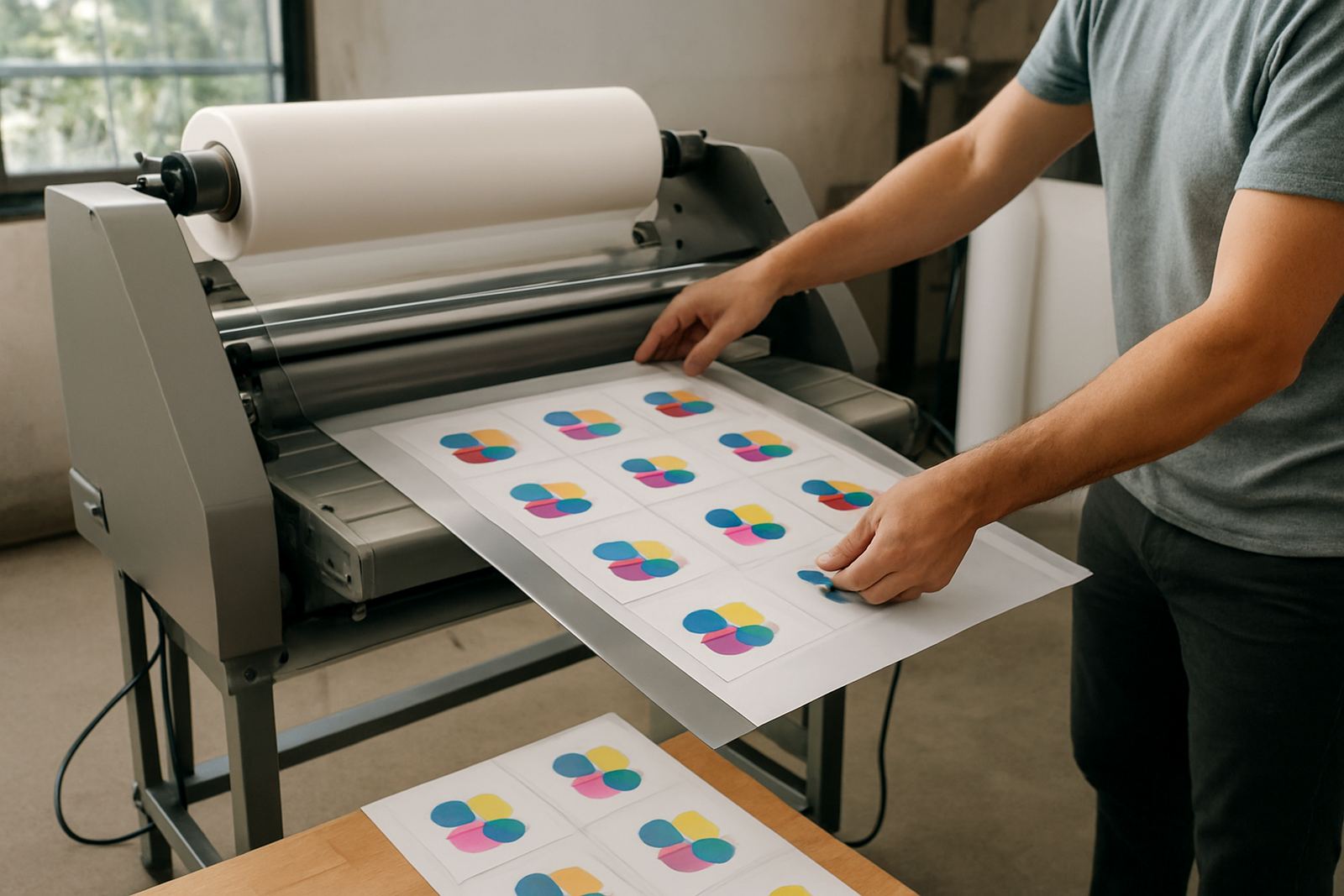
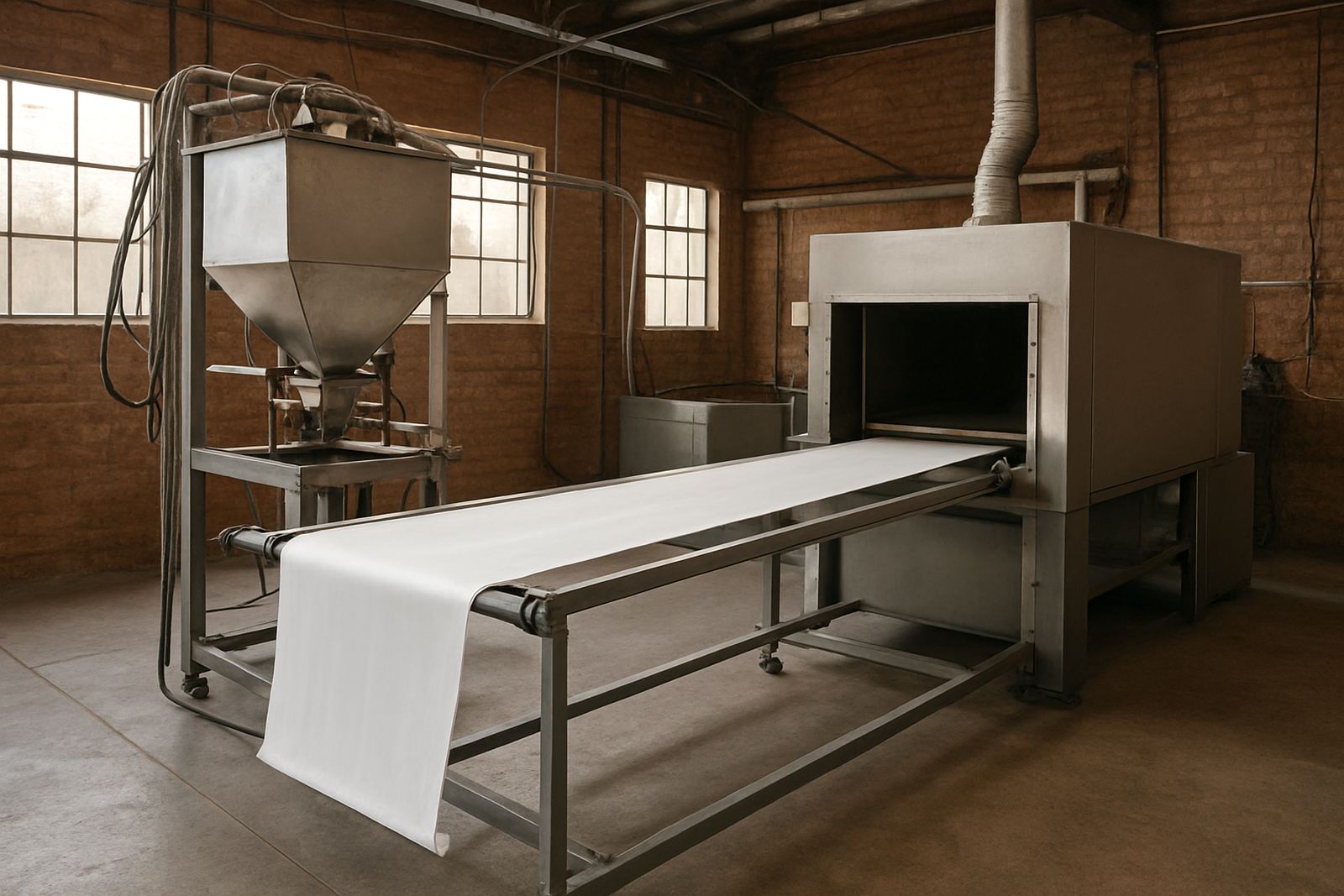
An inline powder shaker applies adhesive powder to printed transfer sheets and then carries them through a curing section in one continuous process. That means less manual handling, fewer missed areas and more predictable transfer results when you are running garment decoration work, label jobs or short colour batches that need to move quickly.
For shops in Midrand, Johannesburg, Pretoria and the East Rand, this kind of machine helps keep production moving during load-shedding windows and after power returns. When the print room is busy and the team is managing multiple jobs, the machine takes over the powdering step so operators can focus on print quality, drying control and finishing. It is especially useful where the same team is handling digital printing, powdering and transfer curing from one compact production area.
The unit is generally used with transfer media that carries wet ink or toner, then a fine adhesive powder is applied evenly before heat curing. The goal is a clean, even layer without heavy buildup at the edges. When set correctly, the result is better transfer adhesion and fewer rejects.
Sizes, Configuration Options And Output Range
Inline powder shakers come in different working widths and chamber lengths depending on the size of sheet you print and the hourly output you need. A smaller unit is usually suitable for compact print rooms, while a wider conveyor and longer curing section suit higher daily volumes and wider transfer media.
Typical options to ask for include adjustable conveyor speed, variable powder intensity, controlled heat zones and collection trays for excess powder. Some units also allow finer control over air movement and curing temperature, which helps when working with coated media or lighter transfer films that respond quickly to heat.
- Working widths commonly suit A3, A2 and wider transfer sheets
- Conveyor speed can usually be adjusted for different inks and media weights
- Powder application settings help control light, medium or heavy coverage
- Temperature control is important for even curing and repeatable results
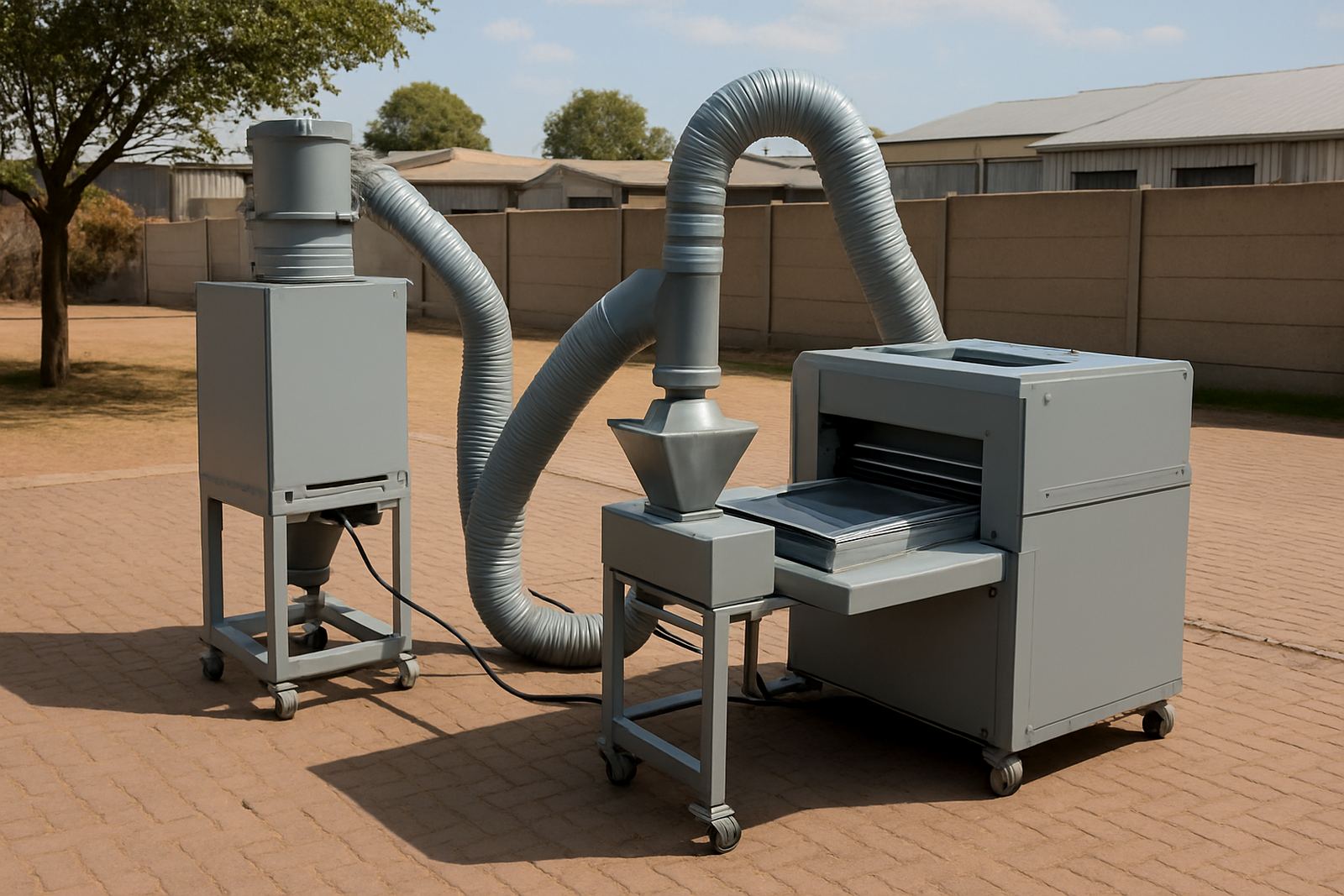
- Collection and recycle systems reduce powder waste in day to day production
For label printing or short-run colour work, the right size is the one that matches your printed sheet size and your expected daily throughput. There is no point oversizing the machine if your main need is controlled mid-volume output, but under-sizing can create bottlenecks very quickly.
Where It Suits Best In South African Production
This machine suits print shops that produce transfer graphics, garment decoration work, branded heat-applied graphics and similar short-run jobs. It also works well in businesses that must keep a tidy workflow because the powdering stage is often where mess and inconsistency starts if it is done by hand. In humid coastal areas the controlled curing section can help with more stable drying behaviour, while inland workshops benefit from the speed and repeatability.
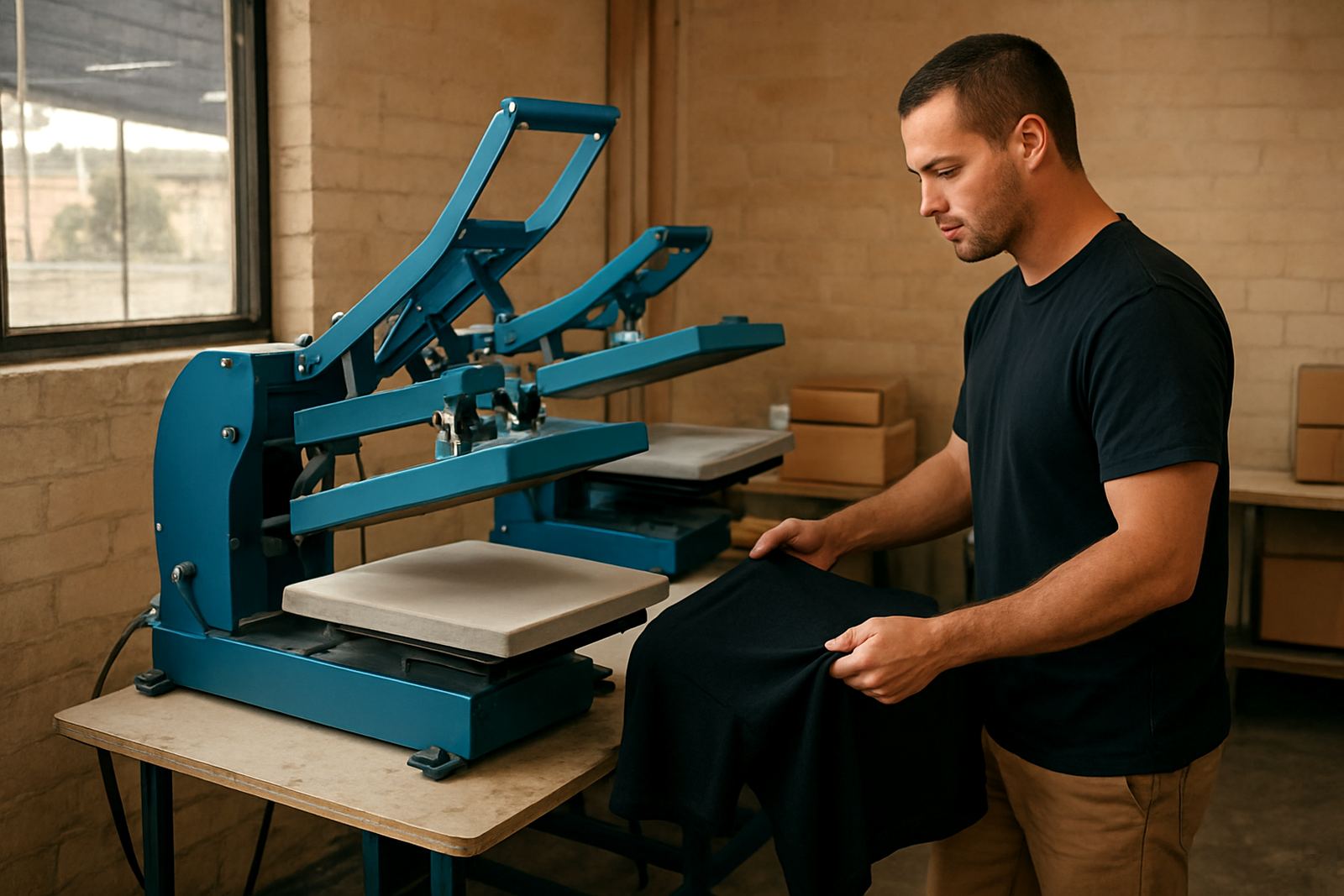
It is a good match for shops that do one-off shirts, teamwear names and numbers, school garments, promotional items, sample runs and seasonal work. If your team handles work for retailers, sports clubs, events or uniform suppliers, an inline system helps you keep a steady pace through the day without stopping to dust each sheet manually. That said, it is best used in a room with decent extraction and enough floor space to allow feed, run and exit clearance.
- Garment decoration workshops
- Short-run transfer and label production
- Print rooms with changing job sizes
- Operations needing cleaner powder control
- Shops working under tight turnaround times
Many South African operators also like the fact that this kind of machine supports a more disciplined process. When one operator is printing and another is managing powder curing, output becomes easier to track and quality problems are easier to isolate.
Installation, Power And Site Preparation
Before installation, check the footprint, door access and floor strength. The machine needs a level surface, clear access for servicing and enough working space around the feed and exit points. In many Midrand and Sandton industrial units, the challenge is not the machine itself but getting it into the room and allowing for safe movement around it.
Power requirements vary by model but most units need a stable single phase or three phase supply depending on heating load and conveyor design. A proper isolator, clean earthing and protection against voltage dips are important, especially in areas where load-shedding and switching surges can affect equipment. If the machine uses gas assisted heat, confirm the gas type, regulator, ventilation and cylinder position before commissioning. Never place cylinders where heat, traffic or poor airflow could become a risk.
Ventilation is another key point. Powder and heat create air movement and any build-up around the curing section should be managed with extraction or room ventilation. If the workshop is small, plan for a layout that keeps operators away from the hottest section and allows maintenance access without stopping the full line.
Care, Cleaning And Preventive Servicing
Good care keeps the machine steady and reduces breakdowns. The powder path should be cleaned regularly so residue does not build up in corners, rollers or around the curing chamber. Heat zones need periodic checks for even temperature, while belts, bearings and drive parts should be inspected for wear before they start affecting alignment. A little routine attention saves time later, no question.
Operators should be trained to watch for powder clumping, uneven coating, sheet slippage and abnormal smells from overheating. If the machine is used daily, a short cleaning routine at the end of the shift is worth more than waiting for a fault to show itself. In shops with mixed output, preventive maintenance also helps when different transfer media are used back to back, because residual powder and heat settings can influence the next job.
- Wipe down exposed powder areas after each shift
- Check conveyor tracking and belt tension weekly
- Inspect heaters, sensors and fans on a scheduled basis
- Keep spare consumables and critical wear parts on hand
- Book servicing before busy seasonal periods
For customers in Pretoria, the East Rand and further into Southern Africa, remote support can help with settings, troubleshooting and operator guidance. When a machine is installed correctly and serviced on time, it usually gives far better consistency and fewer stoppages.
What To Confirm Before You Place An Order
Before ordering, confirm your sheet size, expected daily output, available floor space and the type of media you use. You should also check your power supply, whether you need gas assisted heat, and if the room has enough ventilation for continuous production. If you already have a printer in line, it helps to know the exit height and transfer handling method so the shaker can be matched properly.
Ask for the working width, overall length, heating range, conveyor speed control, powder recovery method and service access details. If your team works with a range of film thicknesses or coating levels, request guidance on settings for your most common jobs. It is also worth confirming where the machine will be delivered, whether installation support is required and how spare parts are handled after commissioning.
- Sheet size and daily volume targets
- Single phase or three phase power availability
- Gas requirements, if applicable
- Workshop space and access for delivery
- Training, maintenance and after-sales support needs
In practice, the best result comes from matching the machine to the way your shop actually works, not just to a brochure figure. A well chosen inline powder shaker should fit your print speed, your media and your staff skill level, so the whole process stays steady from the first job of the day to the last.
Key facts
| Machine type | Automated inline powder application and curing system |
|---|---|
| Typical use | Transfer printing, garment decoration and short-run colour work |
| Working widths | Available in compact and wider formats to suit sheet size |
| Temperature control | Adjustable curing settings for different media and inks |
| Power supply | Single phase or three phase depending on model |
| Support | Installation, training, maintenance and remote support available |