What a label finishing cutter does in daily production
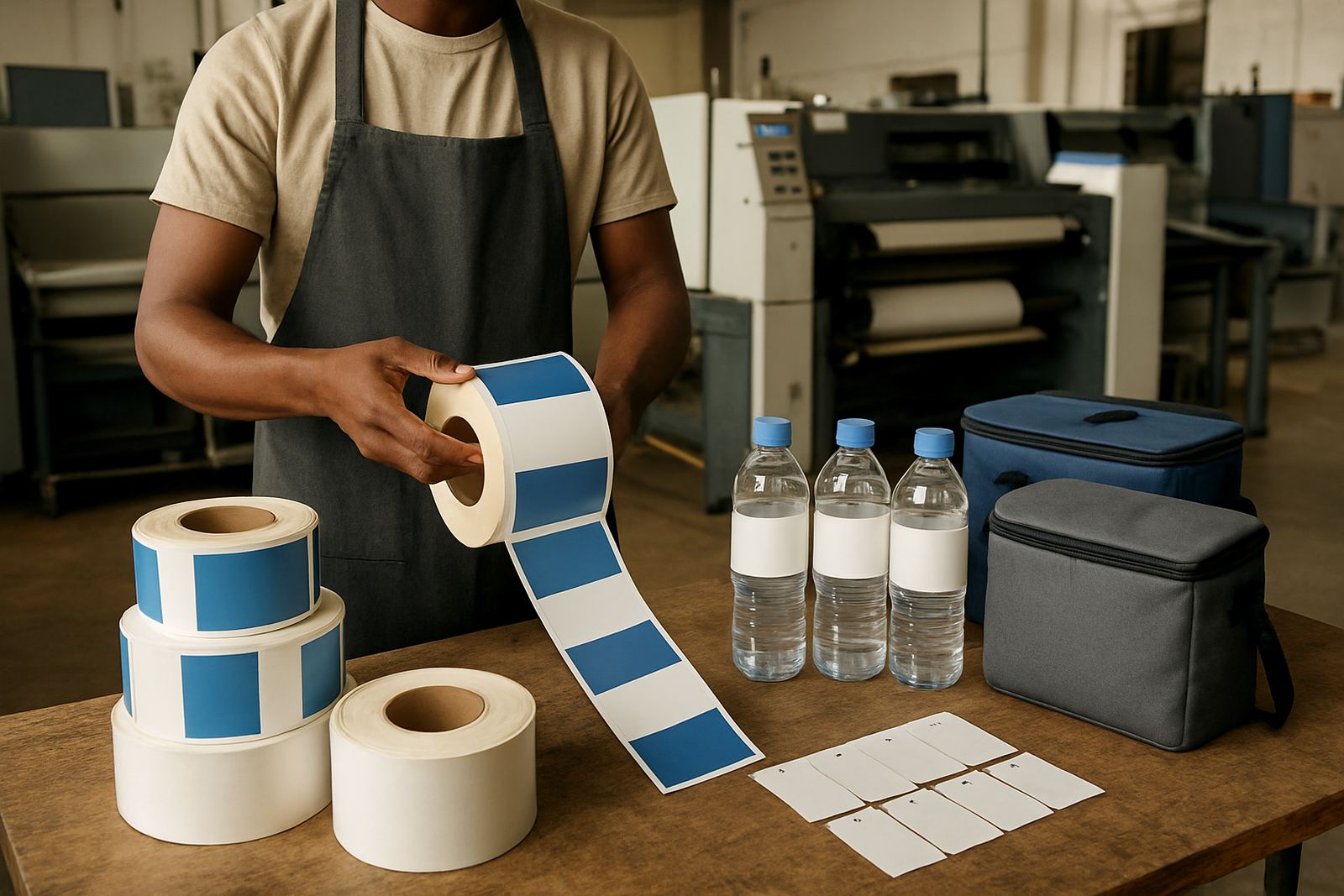
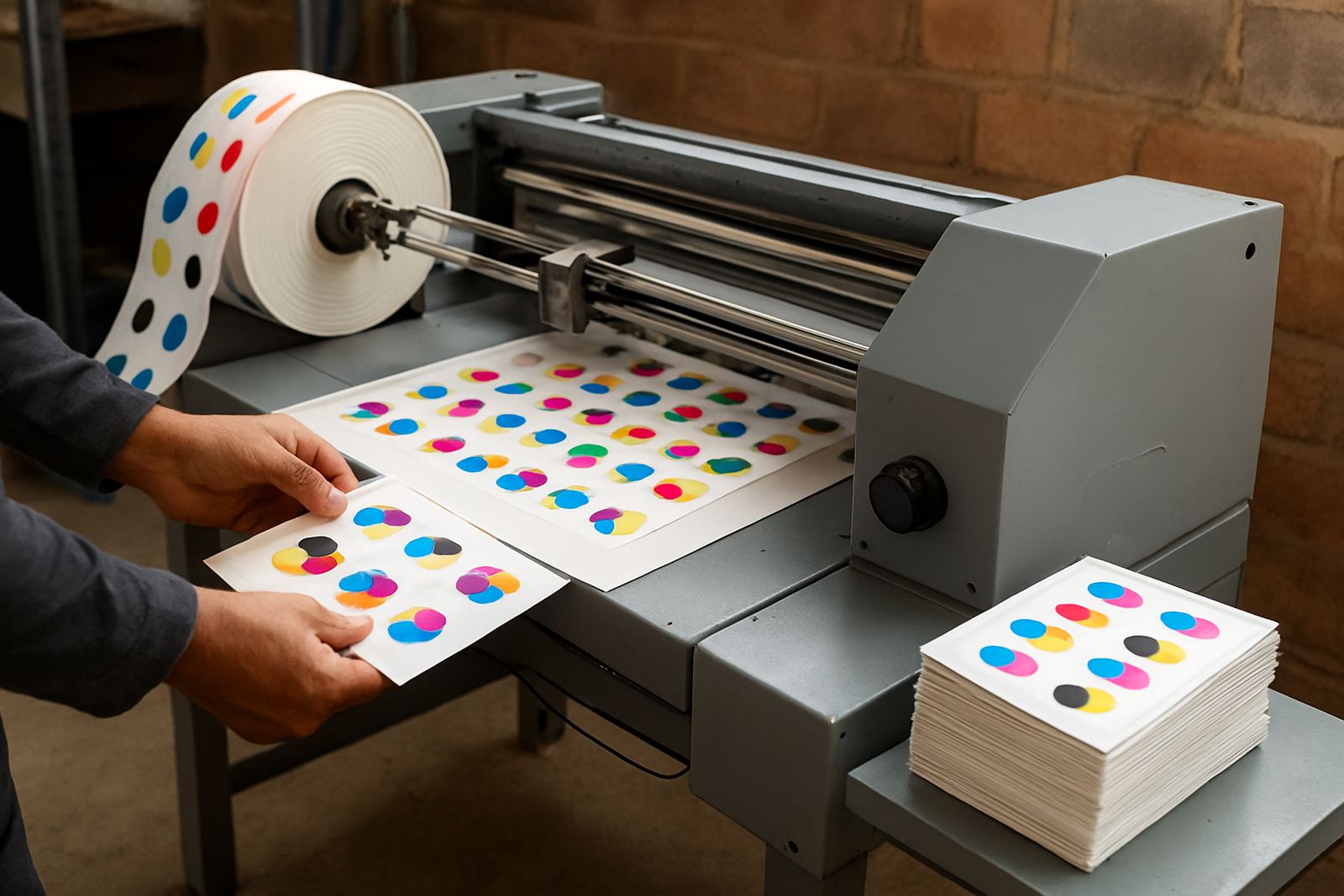
A label finishing cutter is a digital cutting unit used after printing to shape self-adhesive labels, stickers and similar small-format jobs. It can follow printed registration marks, cut around odd shapes, and leave the liner intact for kiss-cut label sheets or roll stock. For shops doing short runs, seasonal labels, sample packs or promotional packs, it reduces manual trimming and gives a neater edge than hand cutting.
In practice, it is best for work where accuracy matters and the quantity is not high enough to justify large finishing lines. A good unit will handle different kiss-cut depths, contour paths and repeatable batches without constant re-setting. That makes it useful for label printers working on product labels, asset tags, bottle labels and custom shapes for packaging.
- Kiss cuts for peel-and-stick labels on liners
- Full cuts for separate pieces or cards
- Contour cutting for shaped labels and decals
- Small batch finishing for urgent orders
Sizes, media types and finishing options
Most label finishing cutters are supplied in a compact format that suits print rooms in Midrand, Sandton and the East Rand where floor space is limited. Feed width and cutting width are the main sizing points to check. If your work is mainly narrow labels for cosmetic bottles, chemical pouches or retail packaging, a smaller unit may be enough. If you handle wider webs or larger sticker sheets, allow for extra width and a stronger media path.
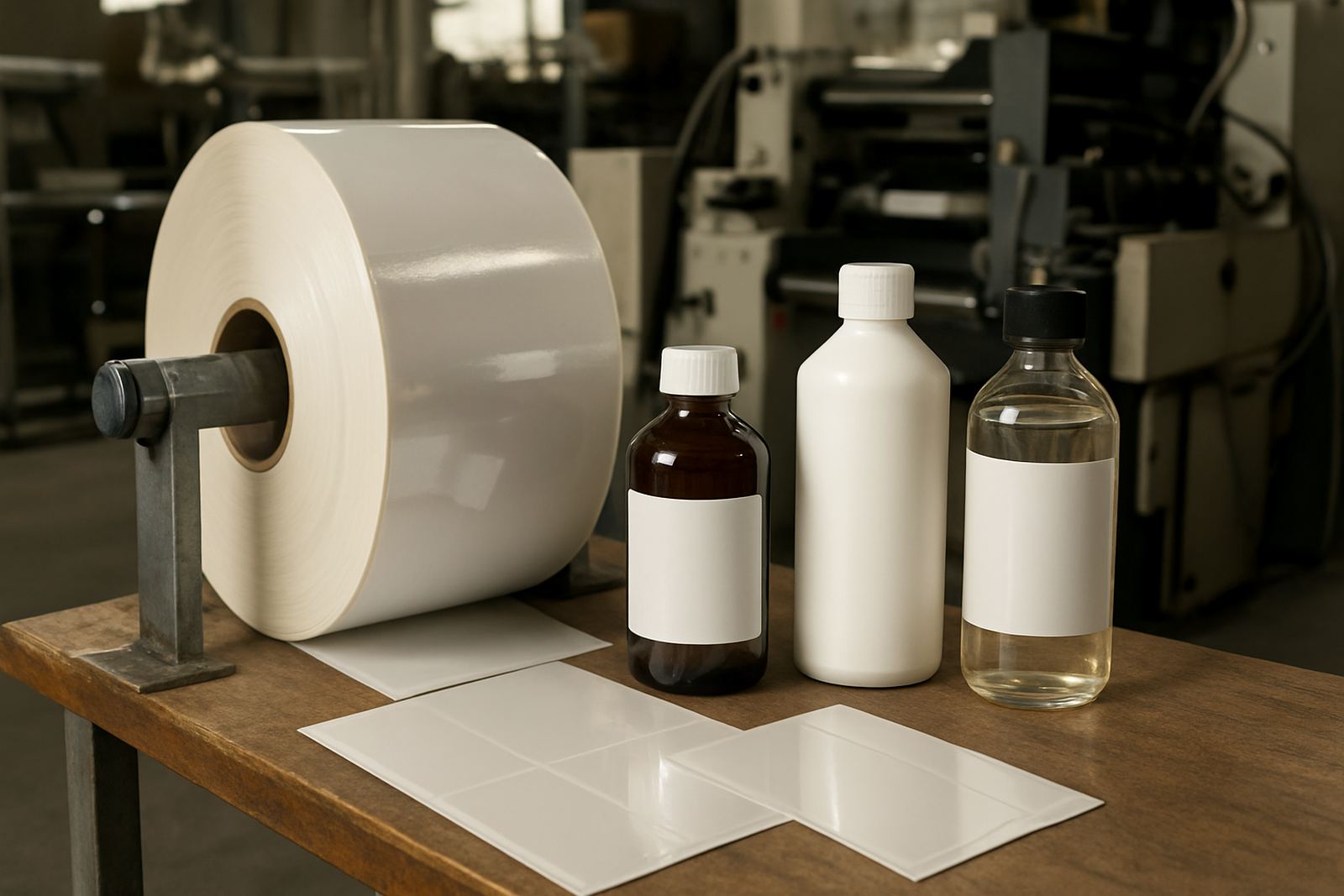
The media side matters just as much as the cutter size. Check whether the unit will handle gloss label stock, matte stock, clear material, synthetic label face stock and laminated prints. Some shops also need support for perforation, straight cuts, full die style cuts and registration reading on printed marks. For coloured short runs, the cutter should track the print consistently even when the room gets warm or the stock carries a slight curl from humidity.
- Sheet or roll feeding, depending on the model
- Adjustable kiss-cut depth for liner-safe finishing
- Contour cutting using printed registration marks
- Support for short-run label stocks and stickers
- Optional slitting or perforation on selected setups
Where it suits print shops and converters
This type of cutter is a strong fit for label shops, digital print rooms, packaging converters and garment decoration businesses that also produce branded stickers or swing tags. It is especially practical where customers want 50 labels, 200 labels or a few test sheets rather than thousands. In Gauteng, where many shops need quick turnaround for agencies, bottle fillers and local manufacturers, the ability to finish the same day can make a real difference.
It also suits businesses that are adding labels to an existing print line instead of outsourcing the finishing. That keeps control over colour, shape and turnaround. For smaller operators working from industrial parks in Midrand, Pretoria or the West Rand, the unit can help when floor space is tight and labour needs to stay lean. The output is tidy, repeatable and easier to count than hand-finished work, so stock control improves too.
- Short-run label producers
- Sticker and decal shops
- Packaging and sample pack work
- Custom promotional item suppliers
- Print rooms adding finishing in-house
Installation, power and workshop setup needs
Installation is usually straightforward, but the machine should still be placed on a level, stable surface with enough room for loading and removing finished media. Allow space at the front for feed and at the back for take-up or waste handling if the model uses it. Good lighting helps when setting registration marks and checking cut depth, especially on dark or glossy stock. If the shop has load-shedding backup, confirm that the unit can run on the available inverter or generator capacity before delivery.
Most units run on standard single-phase electrical supply, but exact draw and voltage should be checked before sign-off. In busy production rooms, a clean power line is important because voltage dips can affect registration accuracy and repeated starting. If the site is near the coast, keep the cutter away from damp loading areas and store media in a dry room, as humidity can affect feed consistency. No gas supply is normally required, so installation is mostly about power, floor space and clean handling.
- Level surface and good operator access
- Single-phase power on most setups
- Backup power planning for load-shedding
- Dry media storage for coastal or humid sites
- Clear path for loading and offloading rolls or sheets
Care, servicing and keeping cuts accurate
Like any finishing unit, a label cutter needs regular attention if you want consistent results. Keep dust, adhesive residue and paper fibres out of the cutting path, and check blades before they start dragging or leaving rough edges. Worn blades can cause lifting on kiss cuts or leave the liner scored too deeply. Simple daily cleaning and a weekly inspection go a long way, especially where the machine runs through busy months before seasonal campaigns.
Preventive servicing is worth doing before breakdowns start. Check rollers, alignment, cutting pressure and registration sensors as part of routine maintenance. If your work includes many small shapes or fine text, colour calibration of the print side and media profiling also help because the cutter can only follow what the print gives it. On-site operator training is useful here, since correct loading and setup often prevent more faults than parts replacement. A small issue ignored for a week can become a full stop later, and that always costs more than the service call.
- Clean adhesive build-up and media dust often
- Replace blades before edge quality drops
- Check alignment and pressure settings regularly
- Use preventive maintenance rather than waiting for failure
- Train operators on loading, mark reading and cut depth
What to confirm before you place the order
Before ordering, make sure the cutter matches your actual label work rather than the biggest job you hope to get one day. Check the widest media you plan to feed, the smallest shape you need to cut, and whether you need kiss cutting only or full cut finishing as well. If your labels are printed on thin stock, clear stock or laminated sheets, mention that early because it affects sensor choice and cutting pressure. If you work in batches for clients across South Africa or into neighbouring countries, ask about packing, setup support and remote assistance after delivery.
It also helps to confirm the day-to-day operating point. How many labels per hour do you need, who will run the machine, and how often will it be used. If the shop wants to add it beside existing digital printers, the workflow should be planned so printing, drying and finishing all fit together. That is where consumable planning and workflow advice become useful, because the wrong blade, liner or media type can slow a good machine down fast.
- Max media width and minimum cut size
- Kiss cut, full cut or contour cut requirement
- Stock type, coating and liner thickness
- Power availability and backup supply
- Training, servicing and support expectations
Support for label finishing setups across Southern Africa
CMYK Industries supplies label finishing equipment from Midrand into Gauteng, across South Africa and into neighbouring countries. For print shops that need installation, operator training, breakdown repairs or media profiling, our team can help plan the machine around the actual job flow and local power conditions. That includes advice on printer pairing, finishing order and what consumables to keep on hand so production does not stall when a key blade or sensor needs attention.
We work with short-run colour shops, garment decoration businesses and label producers who need practical support, not guesswork. If your operation is in Sandton, Pretoria, the East Rand or farther afield, we can help you choose the right cutter setup for the work you do now, and the jobs you want to take on next.
Key facts
| Cut type | Kiss cut, contour cut and full cut |
|---|---|
| Typical use | Short-run label finishing and sticker shaping |
| Media support | Label stock, synthetic stock, laminated prints and sticker sheets |
| Feed format | Roll or sheet depending on configuration |
| Power | Single-phase electrical supply, exact load by model |
| Best suited for | Print shops, label converters and small batch finishing |