What the A3 White Toner does in a busy print shop
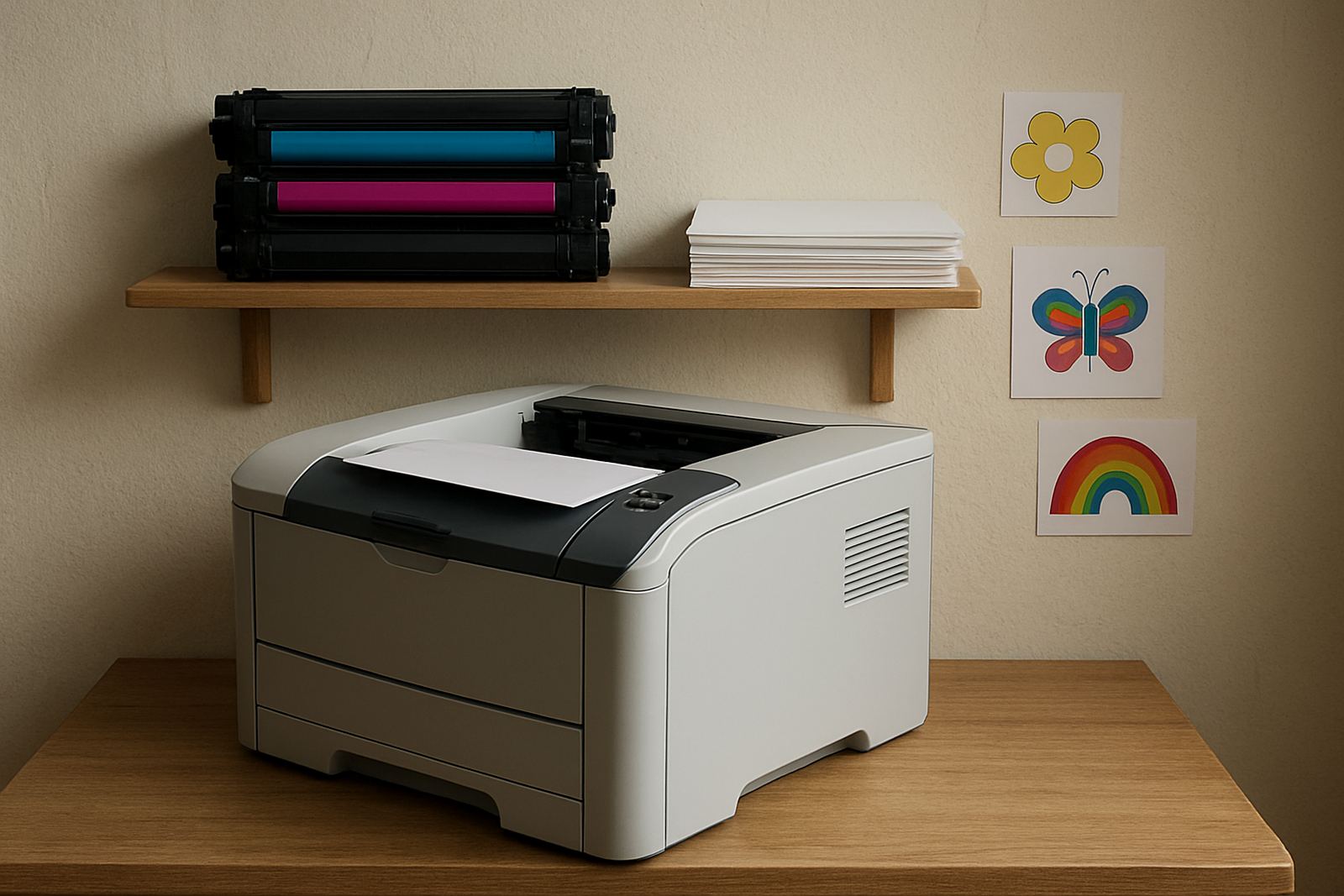
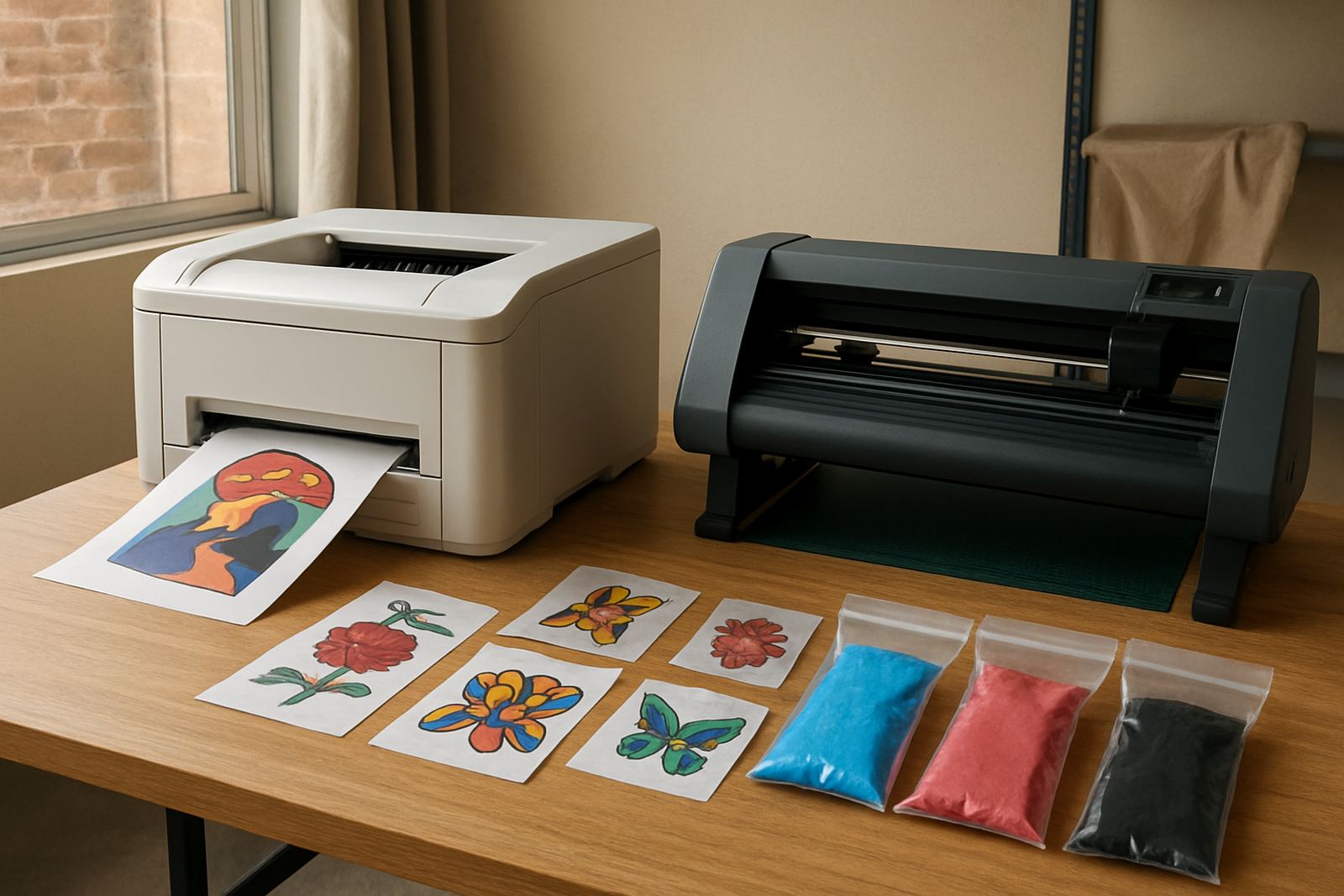
An A3 white toner printer is used where standard CMYK printing is not enough. The white toner layer gives brighter colour on dark substrates and makes garment transfer sheets easier to press onto cotton, cotton-rich blends, some polyester items, and selected coated media. In practice, that means you can handle names, numbers, small logo runs, trial designs, labels, and sample packs from one machine.
It is a practical fit for shops in Midrand, Sandton, Pretoria, the East Rand and the West Rand that need A3 size without moving into large-format equipment. It also works well for surrounding markets in Botswana, Namibia, Zimbabwe and Mozambique where small-batch replenishment and repeat orders are common. For many users, the appeal is simple: good colour, strong whites, and the ability to turn work quickly when the client wants ten pieces not one thousand.
Print size, media choice and work formats
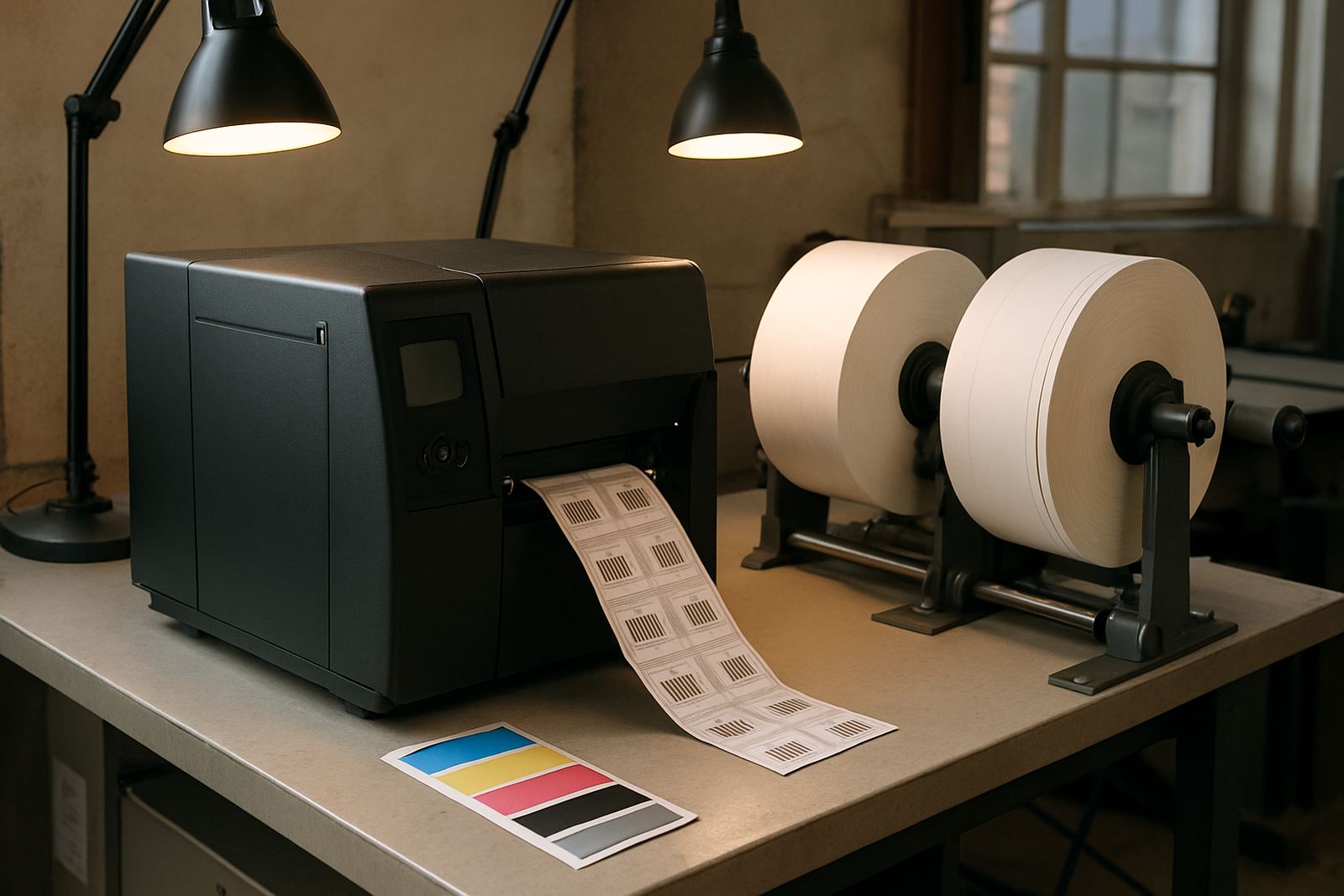
The A3 format gives enough room for transfer sheets, gang layouts, label sheets and proof work while keeping media costs under control. Most buyers use it for A3 and A4 production, with the option to nest multiple smaller jobs on one sheet. That helps reduce wastage on short runs where every sheet matters.
- A3 and A4 transfer sheet production
- Short-run textile decoration for tees, tote bags and workwear
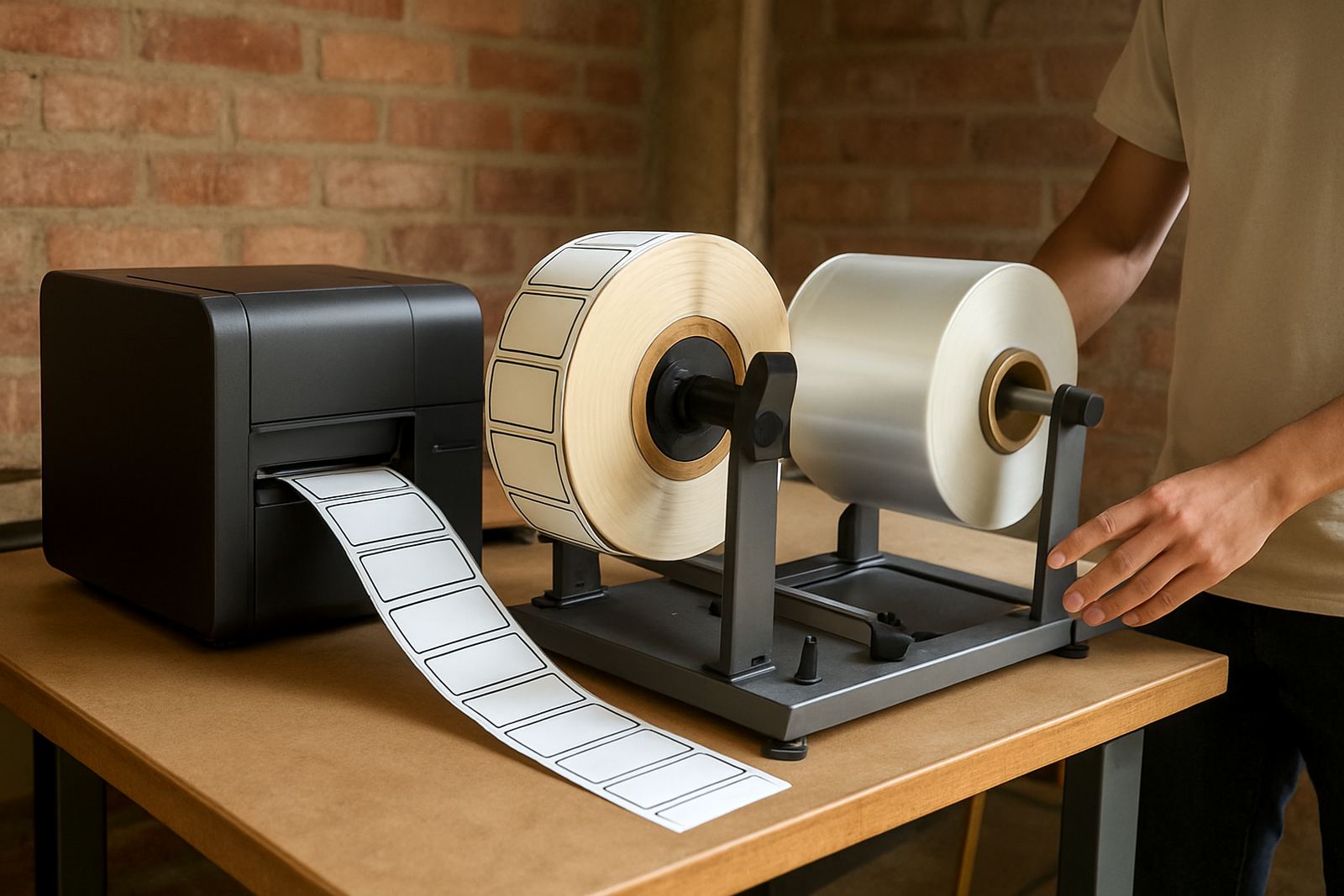
- Label and tag printing where accurate colour is needed
- Sample runs before moving a job to larger production
- Mixed media jobs where the shop needs a compact footprint
For garment work, the white toner layer improves opacity on dark fabric. For label printing, it helps when a clear white element is needed under colour or as a stand-alone print. The machine is suited to workshops that already manage heat presses, cutters and finishing tables, and it can slot into a small production line without major layout changes.
Installation, power and shop floor requirements
This type of printer should be placed on a level, stable surface with enough space for paper feed, output stacking and access to the consumable area. In a Midrand or Pretoria workshop, leave room for a nearby heat press, trimming area and storage for transfer media. A clean, dry room is best. Coastal humidity can affect powder handling and media curl, so storage conditions matter.
On power, allow for standard single-phase supply unless your specific configuration states otherwise. In South Africa, many shops run through load-shedding, so a quality inverter or UPS is worth planning for if you need to protect print jobs and avoid interruptions. Surge protection is strongly advised, especially where electrical supply is uneven. No gas connection is needed. What you do need is a reliable power source, proper earthing, and enough ventilation to keep dust away from the printer path.
- Stable table or stand with vibration control
- Single-phase electrical supply, with surge protection
- UPS or inverter planning for load-shedding protection
- Dry storage for toner and transfer media
- Heat press and finishing space nearby
Where it suits best and what it can handle day to day
This machine suits print shops that want to add value work without taking on a large production line. It is often chosen by garment decorators, label printers, promotional product suppliers, schoolwear shops, and small commercial printers handling custom orders. If your workload includes repeat initials, seasonal runs, sample packs, and fast turnarounds, the A3 White Toner gives you more flexibility than a basic office printer.
It is especially useful where customers want crisp colour on dark garments, or where the shop needs a transfer-based option for items that cannot be printed directly. The machine can also support proofing for clients who want to see colour before approving a larger run. For businesses serving Gauteng and nearby provinces, the A3 format keeps shipping and replenishment manageable, while still offering enough capacity for regular daily production.
Short-run work is where this unit earns its keep. You can produce ten or twenty sheets one day, then switch to a different repeat job the next morning without major changeover delays. That flexibility is valuable when the order book keeps changing and the client expects a quick reply.
Care, servicing and keeping output consistent
White toner systems need more care than a plain black office printer, mainly because powder handling and transfer-sheet work place extra demand on the image path. Regular use is better than leaving the unit idle for long periods. A shop that runs the machine at least a few times a week generally sees fewer issues with settling and feed problems. If the printer sits unused for long stretches, plan a proper warm-up and check cycle before committing production media.
Routine attention should include printhead care where applicable, cleaning the feed path, checking fuser condition, and keeping the workspace free of dust. Toner and media should be stored away from heat and damp. In humid areas, particularly near the coast, sealed storage is worthwhile. If colour shifts or white density starts to drift, a calibration check and media profiling review can save a lot of wasted sheets.
- Run the machine regularly to prevent idle problems
- Keep toner and transfer sheets dry and sealed
- Clean feed paths and inspect rollers on schedule
- Check colour calibration before large jobs
- Book preventive maintenance before peak season
What to confirm before you place an order
Before ordering, check the exact application you need to cover. A white toner printer can be set up for garment transfers, label work, or mixed short-run use, but your media choice and workflow should match the end product. Ask whether you will be printing mostly on dark cotton garments, bright labels, or mixed promotional items, because that affects the consumables and finishing steps you should carry.
You should also confirm whether your existing heat press, cutter, and drying or curing process are suitable for the output you want. If you are expanding from a smaller machine, think about daily volume, sheet size, and turnaround times. It is also important to confirm the power available at your site, especially in older buildings or shared premises where supply can be limited. If you run a branch in Johannesburg, Pretoria, or a secondary town, make sure the local team can keep stocks and support close enough to avoid delays.
Useful checks include media compatibility, toner yield, warranty terms, training needs, and whether you require remote support or on-site installation. If your shop handles colour-sensitive work, ask for a proper setup that includes calibration and media profiling from the start. That avoids costly reprints later and keeps the machine ready for proper production from day one.
Key facts
| Format | A3 print size with A4 and mixed-sheet job support |
|---|---|
| Application | White toner transfer sheets, garment decoration and short-run colour work |
| Media types | Transfer sheets, label sheets and selected coated papers |
| Power | Single-phase supply with surge protection and UPS or inverter recommended |
| Environment | Dry indoor workspace, away from dust and damp storage |
| Support | Installation, operator training, preventive maintenance and remote support |