Brief From A Busy Boksburg Print Floor
The client was a garment decorator in Boksburg taking on short-run event work for promoters, exhibition stands and brand activations across Gauteng. Their orders came in late, changed often and usually had multiple sizes, colourways and namedrops. They needed a setup that could move from 20 pieces to 200 pieces without constant stoppages or heavy rework.
The brief was simple enough on paper, but difficult in practice: keep turnaround quick, maintain repeatable colour, and reduce waste on expensive transfer media and blanks. The team also wanted a process that one or two operators could manage during load-shedding windows and weekend rush periods, with less dependence on trial-and-error heat pressing.
- Typical jobs: concerts, roadshows, expos and staff activation wear
- Output range: short-run apparel in mixed sizes and mixed artwork versions
- Priority: fast setup, predictable curing and cleaner colour matching
What Was Getting In The Way
Before the new workflow, the shop was spending too much time compensating for uneven print quality and inconsistent transfer results. Some jobs were being reprinted because the artwork sat too dark on one batch and too light on the next. On humid days, particularly when the weather shifted in the East Rand, media handling also became less predictable.
There were a few hard constraints as well. Floor space was limited, the site had to work around municipal power interruptions, and the team could not afford long machine downtime while waiting for support. The client needed a system that could run cleanly in a compact production area, with clear operator steps and sensible consumable planning.
- Constraint 1: limited floor space in a working print shop
- Constraint 2: load-shedding and interrupted production hours
- Constraint 3: humidity and media consistency across batches
Equipment And Consumables Supplied
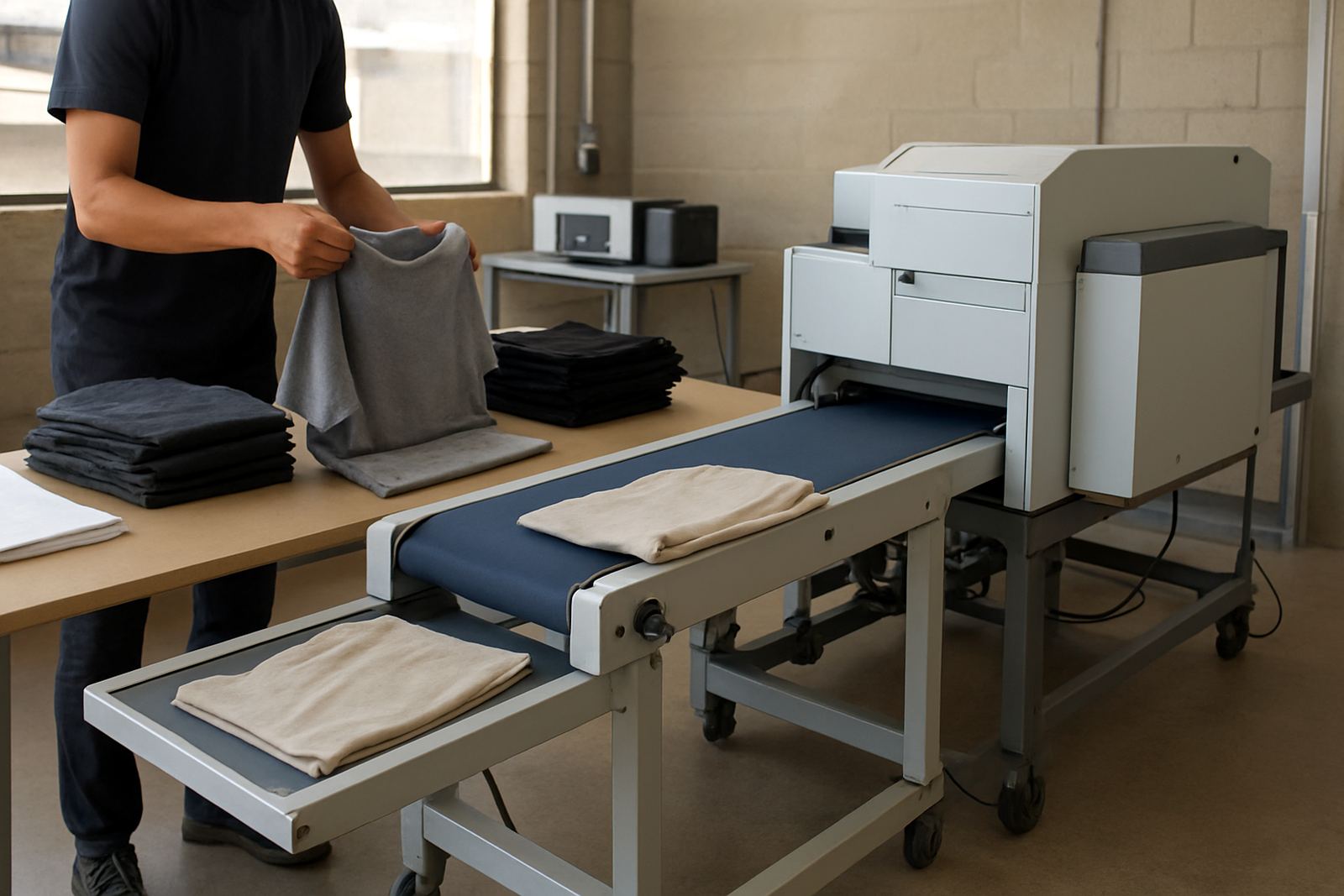
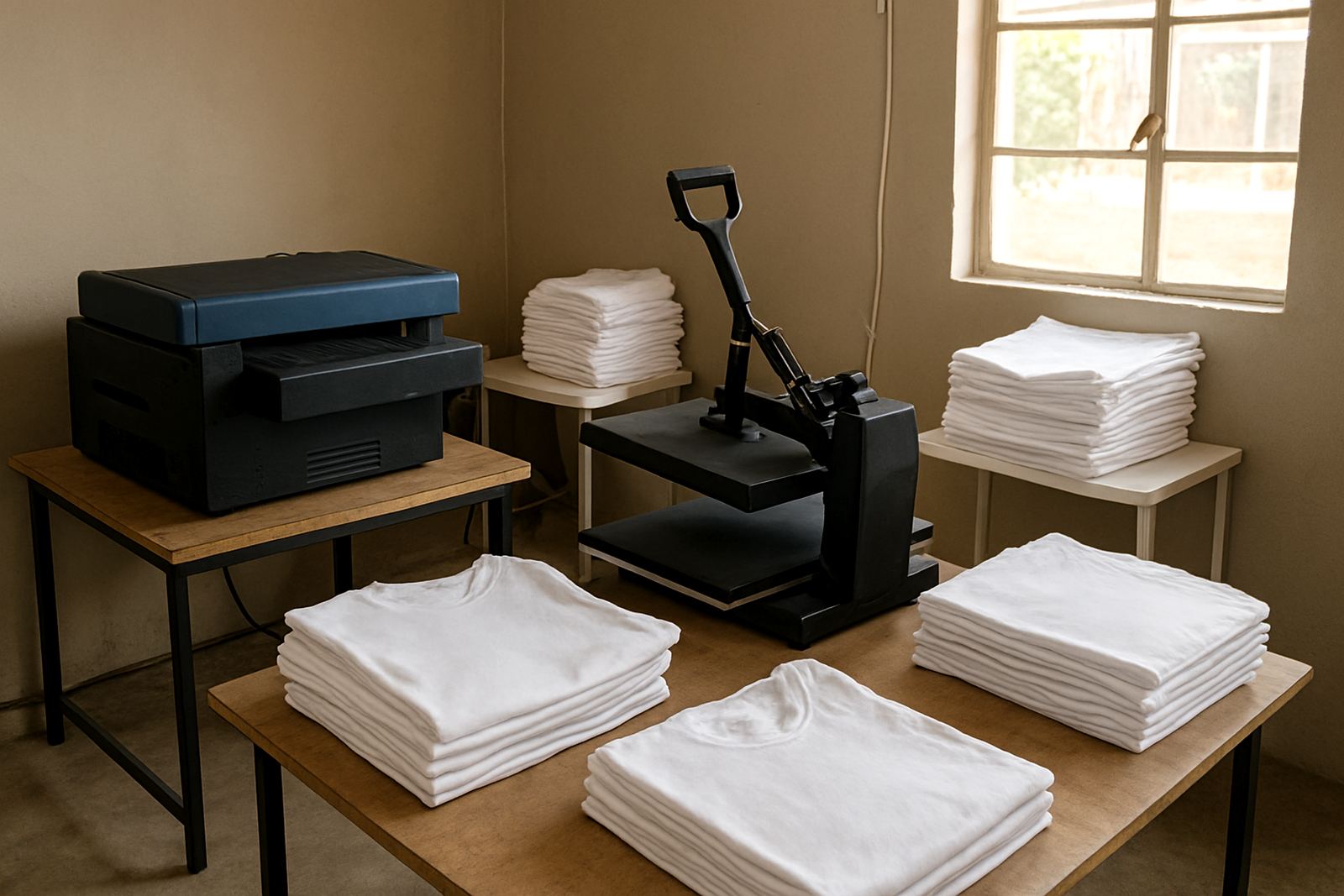
We supplied a matched digital print and transfer setup suited to event garment work, together with the consumables needed to keep it stable. The package included a specialised digital printer, transfer machinery, calibrated output settings, toners and media selected for short-run apparel production. We also mapped the workflow so the print stage, curing stage and pressing stage did not slow one another down.
The supplied system was configured for repeatable colour on transfer media, tidy artwork placement and practical production speed. Key facts from the install included a production footprint sized for a compact shop floor, colour profiling for the main garment range, and printhead care routines that the operators could follow daily without guesswork. We also set up consumable planning so stock levels matched the event calendar rather than reacting after the fact.
- Digital print output for short-run colour work
- Transfer workflow for cotton and blended garments
- Media profiling and colour calibration for repeat orders
- Printhead care and maintenance routines for daily use
Installation Training And Go-Live
The project was completed over three weeks. Week one covered site review, power and space checks, and the final workflow plan. Week two was installation, configuration and print calibration. Week three focused on operator training, test jobs and handover support. That pace kept the shop moving while still giving the team enough time to learn the sequence properly.
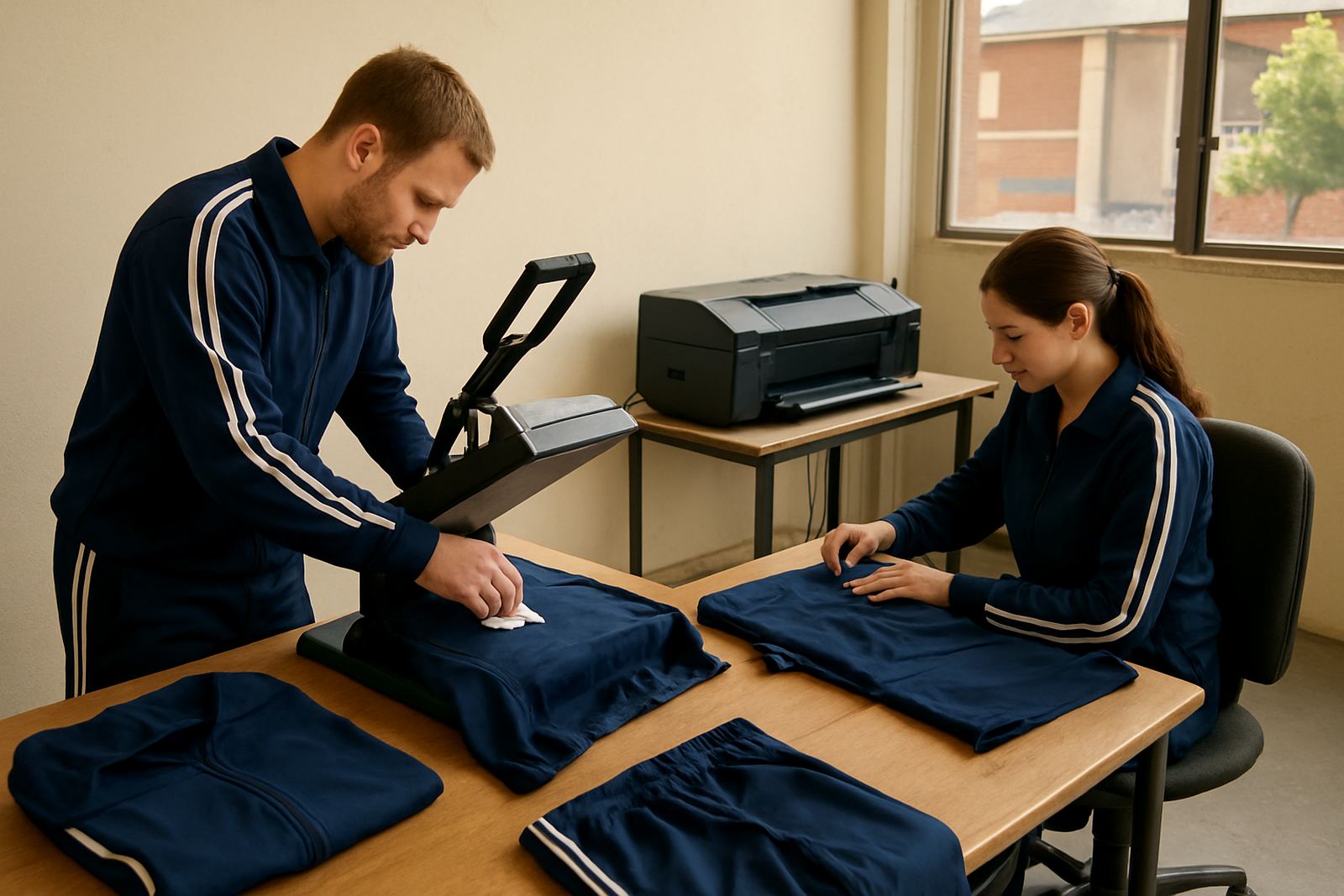
Training was practical and hands-on. We worked through artwork prep, media loading, temperature checks, transfer timing and quality checks at press stage. The team also received guidance on breakdown response, safe shutdowns during outages and simple checks they could do before calling for technical support. It made a difference having clear steps, because event work does not forgive delays.
- Week 1: site survey and workflow planning
- Week 2: install, setup and colour calibration
- Week 3: operator training, test production and handover
Results On Concert And Expo Deadlines
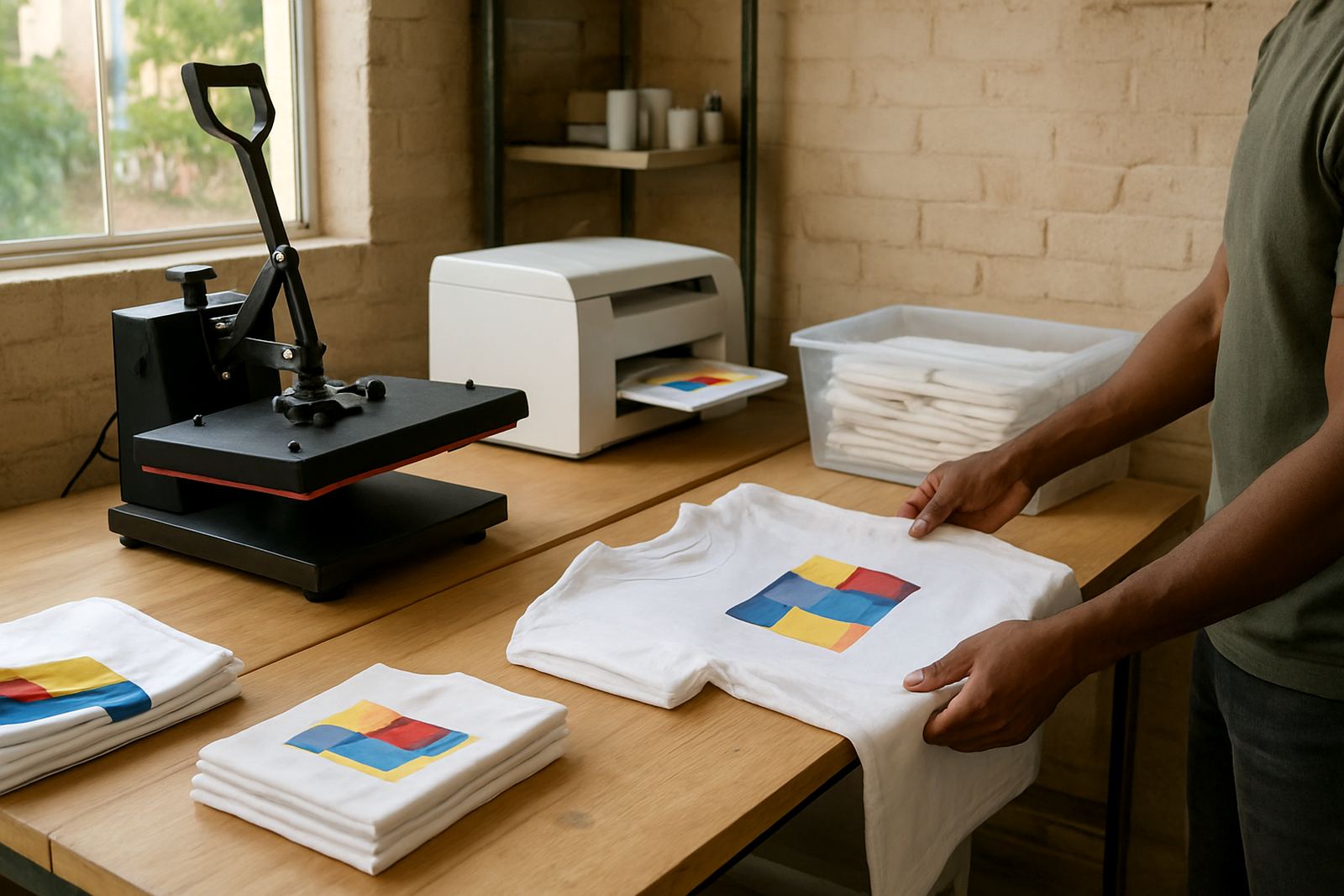
Once the setup was running, the Boksburg team could take on smaller mixed orders and still keep a steady production pace through the day. Colour consistency improved across repeat items, and the shop reduced waste from misprints and poorly matched transfers. That mattered on event jobs where one wrong shade can mean a rejected batch.
They also gained more confidence during last-minute changes. If an organiser added extra staff shirts or changed a sponsor logo, the operators could adjust the run without disrupting the whole line. The combination of cleaner output, practical training and planned consumables meant they were better prepared for tight turnarounds across Johannesburg and nearby sites.
- Fewer reprints on repeat artwork
- Shorter turnaround on event orders
- Better use of transfer media and toners
- More predictable results during busy weeks
What We Would Repeat On The Next Site
If we were doing the same kind of project again, we would start with a sharper event forecast and a firmer consumable plan around peak weekends. We would also check power backup capacity earlier, especially for sites that rely on production after hours or during rotational outages. That saves time later and keeps the line moving when deadlines pile up.
For this sort of work, the best outcome comes from keeping the process practical. A compact machine footprint, a trained operator and well-matched media matter more than unnecessary extras. In Boksburg and the wider East Rand, that approach gives print shops a better chance of finishing the job on time, even when the schedule shifts at the last minute.
- Plan consumables around the event calendar
- Check backup power before production week starts
- Keep training focused on the actual jobs the shop sells
Key facts
| Project location | Boksburg, East Rand |
|---|---|
| Client type | Garment decorator serving events and activations |
| Project timeline | 3 weeks |
| Core application | Short-run apparel print for concerts, expos and staff wear |
| Services used | Machine installation, operator training, colour calibration, preventive maintenance, remote support |
| Support base | Midrand, Johannesburg with supply across South Africa and neighbouring countries |