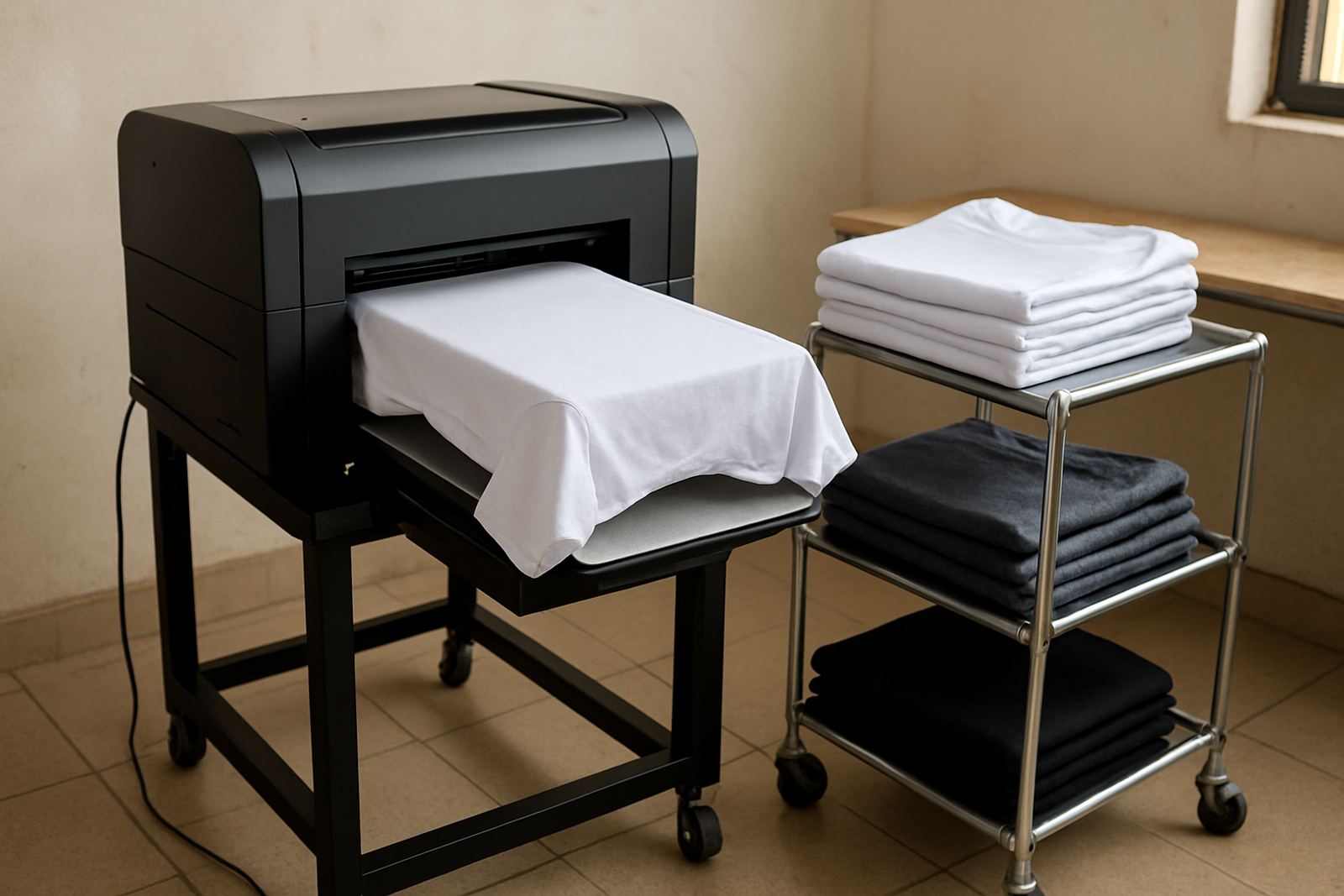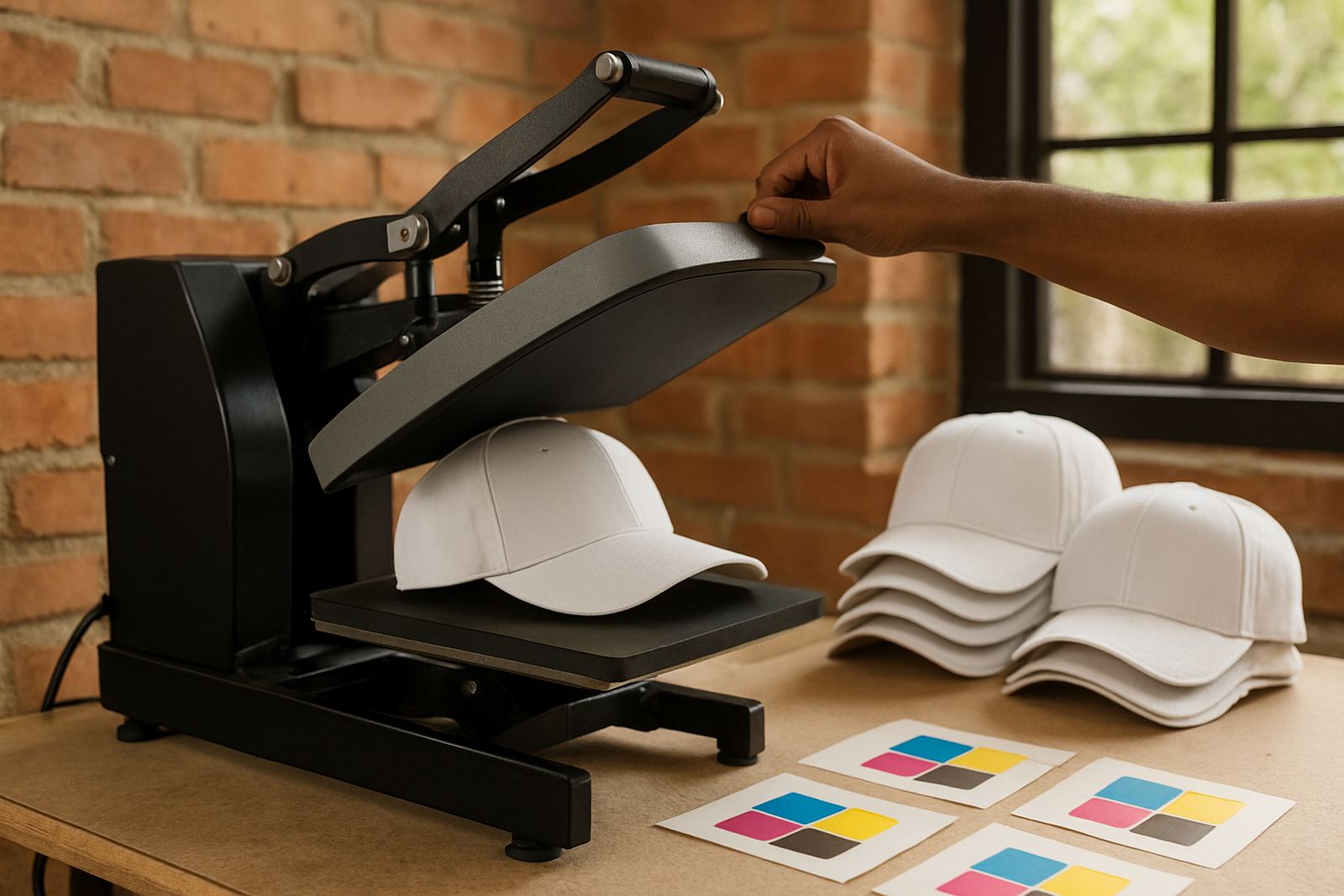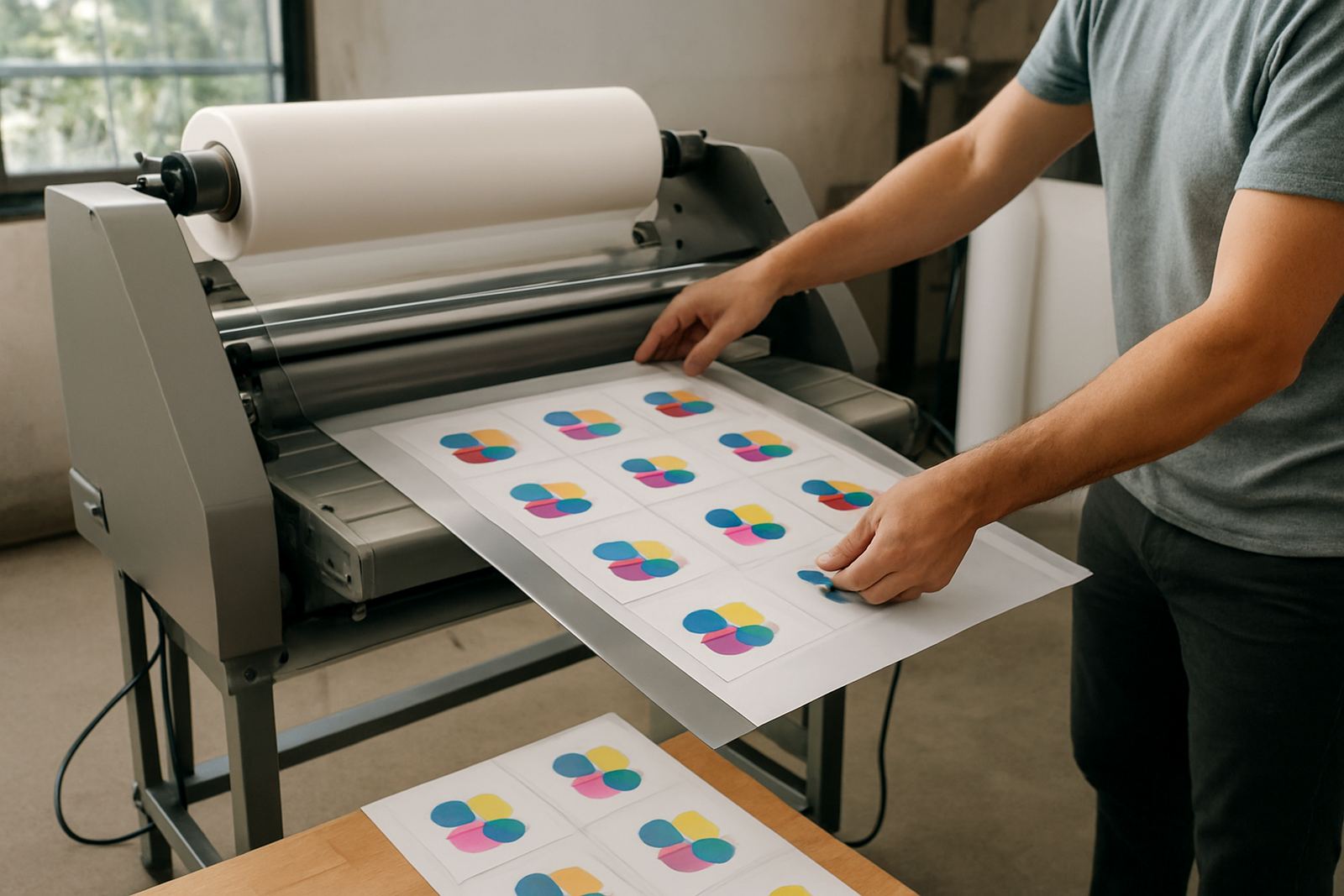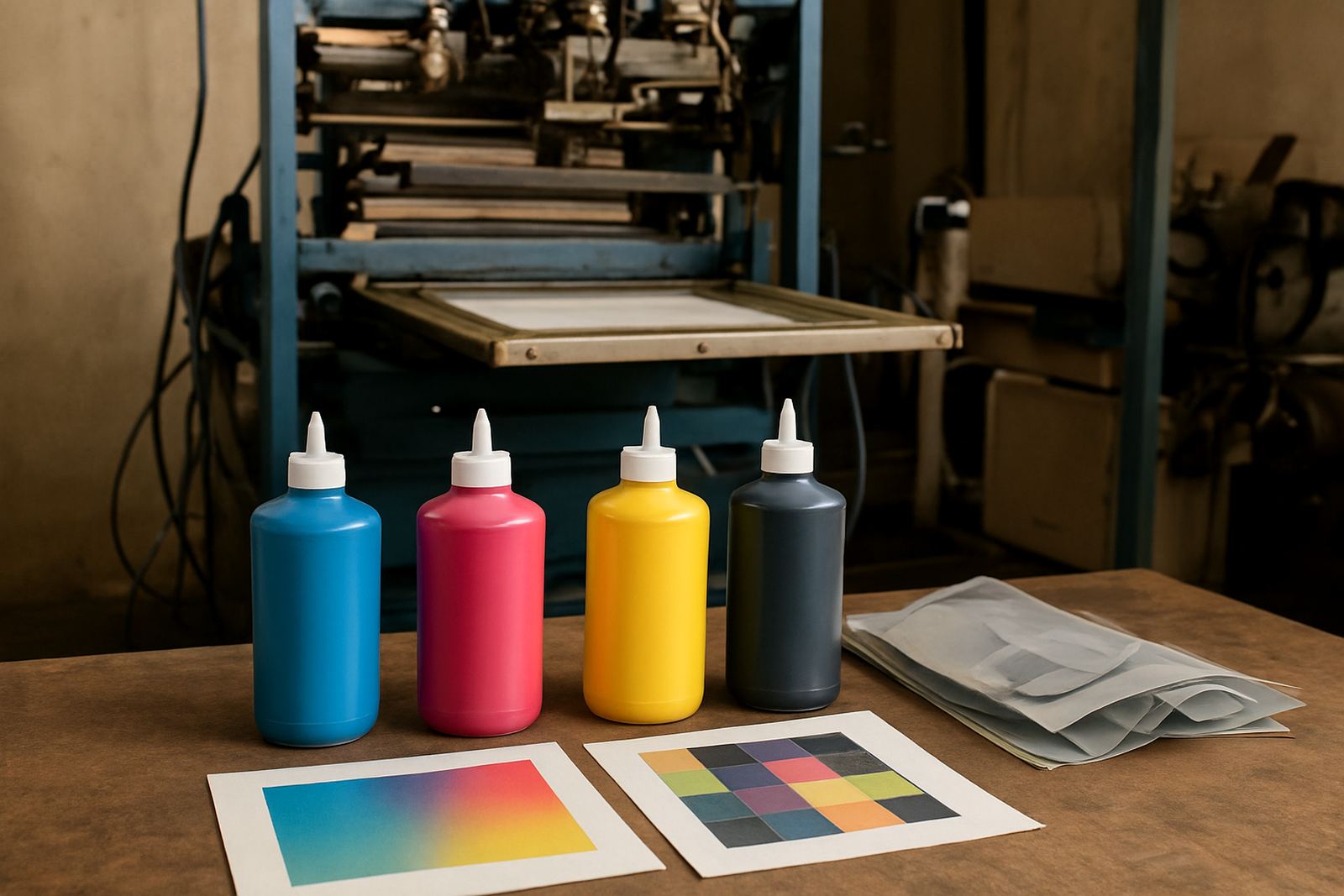
What this DTF ink set is for
This DTF ink set is a pigment-based colour set used in direct-to-film transfer work, where artwork is printed onto film, coated, cured and then heat pressed onto fabric. It is suited to shops doing branded T shirts, workwear, sportswear, school clothing and small label runs where colour accuracy matters and turnaround times are tight. The set is made for everyday production in South African conditions, including warmer rooms, dusty workshops and the stop-start rhythm that comes with load-shedding.
The main aim is even laydown, strong whites and clean colour separation so the transfer film carries detail without blotching. For garment decorators handling short runs or repeat orders, that means less chasing colour shifts and fewer reprints. It also helps when you need reliable output on mixed jobs, for example a 20-shirt order one hour and a sample batch for a client in the afternoon.
- Formulated for film transfer and garment decoration
- Suitable for short-run, full-colour production
- Works with common DTF print workflows
- Designed for good coverage on light and dark fabrics
Sizes, pack options and practical specifications
Suppliers usually offer this ink set in colour packs matched to production needs, with smaller bottles for test work and larger containers for regular shop use. In practice, most buyers choose sizes that suit their print volume and head configuration, because running out mid-job is costly. If your shop prints daily, larger bottles cut down on changeovers and help with stock planning, especially when deliveries need to cover Johannesburg, Pretoria, the East Rand or regional sites further afield.
Typical options include standard colour sets, white ink for underbase work and sealed bottles for easier storage. The exact bottle sizes can vary, but shops often ask for 100 ml, 500 ml or 1 litre formats depending on throughput. If you are doing light commercial work, smaller packs help keep ink fresh. For higher volume production, bigger packs reduce wastage and handling. It is worth checking whether the set is supplied as CMYK only, or as a full set with white and cleaning fluid for the print system.
- Colour set for DTF transfer printing
- Common pack sizes: 100 ml, 500 ml, 1 litre
- Available in complete sets or colour-only packs
- Designed for use with dedicated film transfer print systems
Where it suits best in South African print shops
This ink set suits garment decorators, small print houses, branded merchandise operators and label shops that need vivid colour on short runs. It is a practical fit for operations in Midrand, Sandton, Pretoria, the East Rand and the West Rand, but it also suits neighbouring-country buyers who need consumables that travel well and can be stored on site. Shops working near the coast should keep stock sealed and dry because humidity can affect powdering, film handling and general output consistency.
It is especially useful where clients want low minimums and quick changes between jobs. If you are printing one-off names, event shirts, campaign stock or repeat corporate orders, a stable ink set helps you hold colour from the first sheet to the last. For label work, detail and edge sharpness are just as important as colour punch, so the transfer system needs to stay clean and properly tuned.
- Garment decoration shops
- Short-run label printing operations
- Corporate, school and event clothing suppliers
- Print rooms needing repeatable colour on mixed jobs
Installation, setup and power requirements
The ink itself does not need gas, but it does need the right printer setup and a stable working environment. Before filling the system, make sure the lines are clean, the dampers are in good condition and the heads are primed correctly. Shops using a new machine or changing ink types should flush the system properly so old residue does not cause colour issues. A steady power supply is also important because sudden cut-outs during printing can leave lines open and waste film. A small UPS or inverter backup is a sensible safeguard in many South African workshops.
Room conditions matter too. Keep the print area away from direct sunlight, open windows and heavy dust. Use clean lint-free cloths during maintenance and do not mix inks across unrelated systems. If the printer has been idle, run nozzle checks before production starts. It is a simple step but it saves time, and it helps prevent surprise banding when a rush order lands on your table.
- Use with a correctly flushed and primed DTF printer
- Keep power stable with backup support where needed
- Avoid dust, direct heat and open-air storage
- Run nozzle checks before every production shift
Care, servicing and ink handling
DTF ink performs best when the printer is serviced on schedule. That includes regular head cleaning, capping station checks, wipe blade inspection and line flushing where needed. White ink in particular needs attention because it settles faster than colour, so circulation and daily agitation procedures should be followed according to the machine setup. If your shop is running through busy weeks, set a simple routine for morning start-up and end-of-day cleaning. It keeps the system ready and reduces downtime when load-shedding or long shifts interrupt production.
Store bottles upright, tightly closed and away from heat. Keep a record of opening dates so older stock is used first. If ink has been standing in a warm storeroom for too long, inspect it before filling, because thickening and sediment can affect flow. Good handling habits also protect printheads, which are expensive to replace and often the source of unplanned stoppages.
- Daily agitation and nozzle checks help prevent blockages
- White ink needs extra attention in circulation and cleaning
- Store sealed bottles in a cool, dry place
- Use a written stock rotation plan for opened packs
What to check before ordering
When ordering, confirm the printer model, ink channel layout and whether your system uses colour only or a full colour plus white setup. Also check the fabric mix you print most often, because cotton, polycotton and some synthetic garments can behave differently during pressing. If you need consistent output for labels or branded clothing, ask about your usual finishing temperature and press time so the ink choice matches the rest of the workflow. A good match saves a lot of trial work, especialy on repeat production.
It also helps to confirm your monthly usage, because that determines whether you should buy smaller bottles for lower stock risk or larger packs for lower unit handling. If your workshop serves multiple sites, for example a main room in Midrand plus dispatch to Pretoria or the East Rand, planning stock levels upfront can prevent emergency runs. Ask about compatibility with your film, powder and curing method too, since the whole system needs to work together for neat transfers.
- Printer model and head configuration
- Colour-only or colour plus white setup
- Main fabric types and press settings
- Monthly ink usage and storage space
- Film, powder and curing method compatibility
Key facts
| Product type | Pigment ink set for direct-to-film transfer printing |
|---|---|
| Primary use | Garment decoration, short-run colour work and label production |
| Ink colours | CMYK set, with white option depending on order configuration |
| Pack sizes | Commonly supplied in 100 ml, 500 ml and 1 litre options |
| Application | Use with compatible DTF printers, transfer film and heat pressing |
| Care needs | Daily agitation, regular cleaning and sealed cool storage |